




In the high-stakes world of international endurance racing, the adage "win on Sunday, sell on Monday" is more than a cliché—it is the bedrock of corporate automotive investment. While modern manufacturers rely on "road relevance" and complex hybrid-electric powertrain data to justify their astronomical racing budgets, the 1980s were defined by a different kind of ambition. Forty years ago, BFGoodrich dared to do something that defied conventional engineering wisdom: they took a pair of race cars to the 24 Hours of Le Mans equipped with nothing more than modified street-legal radial tires.
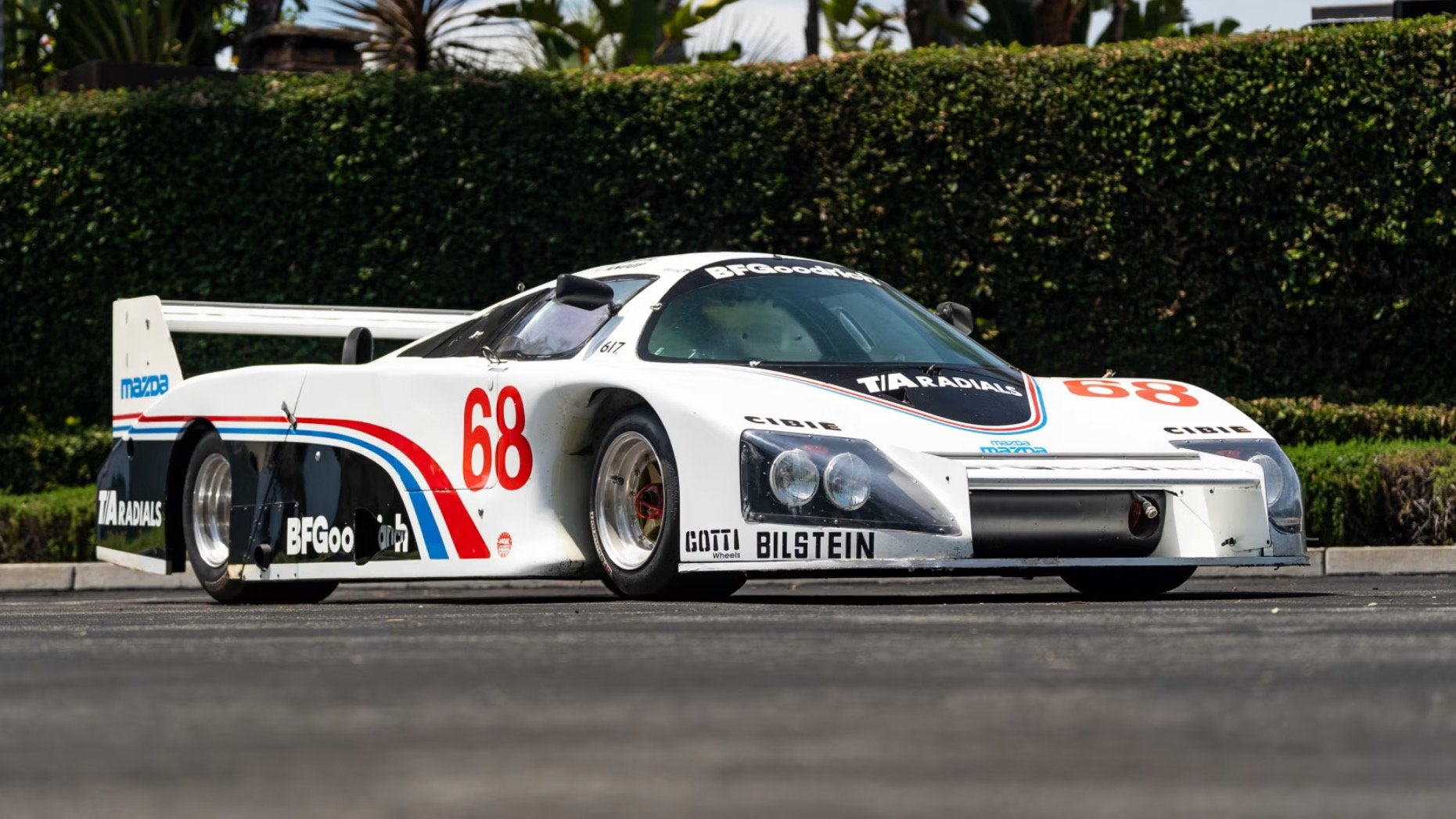
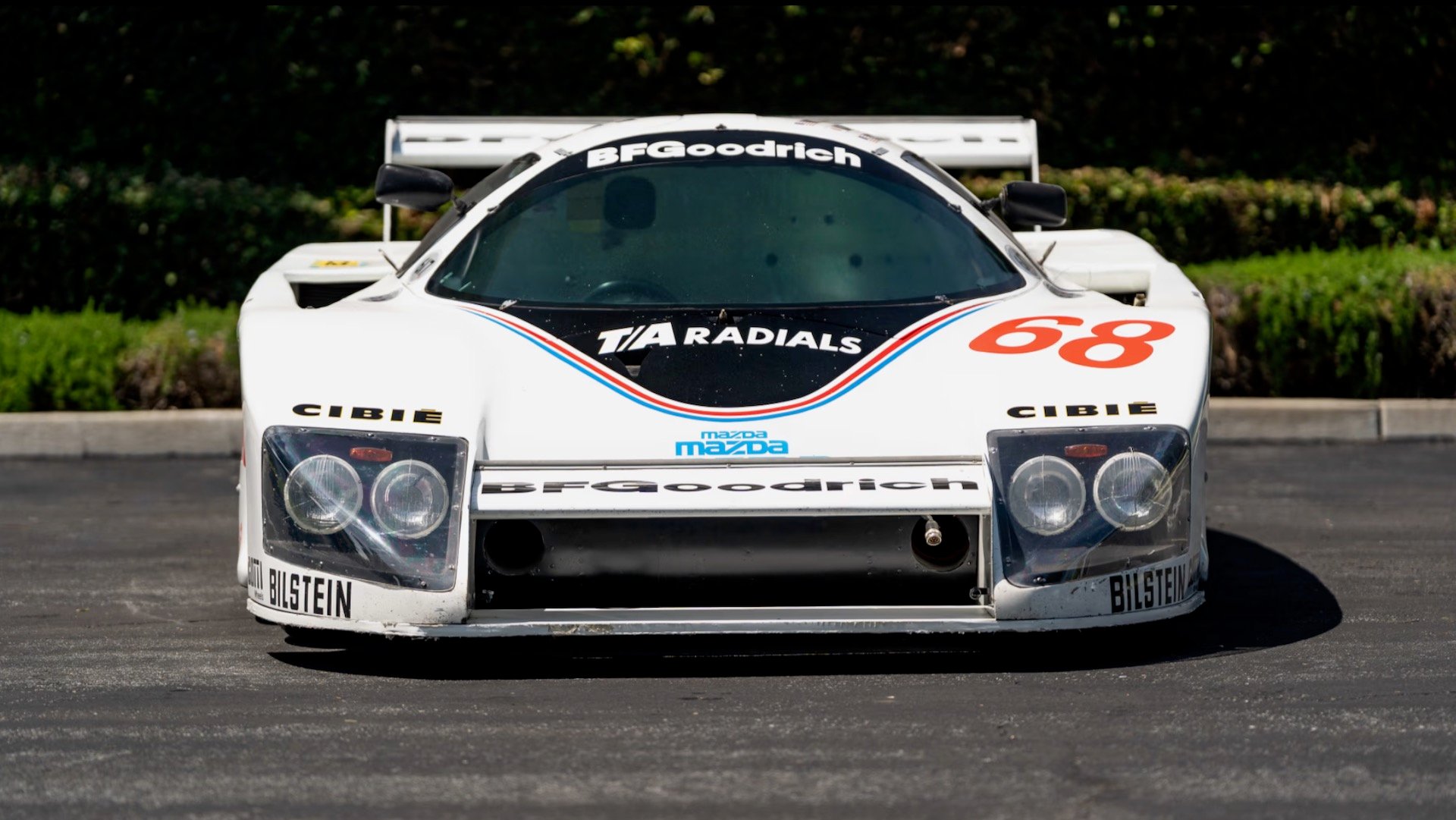
Now, as the automotive world turns its gaze toward the 2026 Monterey Car Week, two of the most fascinating artifacts of that era are set to cross the auction block at Mecum. Chassis HU-2 and its sibling, chassis HU-3—the legendary Lola-Mazda T616s—are returning to the spotlight, offering a rare glimpse into a time when a tire company’s marketing department could reshape the history of a prestigious racing series.
The Genesis of the "T/A" Campaign
To understand the significance of these machines, one must look back at the tire industry landscape of the early 1980s. BFGoodrich was fighting for market share and needed to prove that their T/A radial tires were not merely for cruising, but capable of handling the brutal demands of competitive motorsport.
While the company had already achieved success in the IMSA GTU class with the Mazda RX-7, they found that the public remained largely indifferent to these victories. In the eyes of the consumer, a win was a win, but it lacked the visceral connection to the tires they bought at their local dealership. As former BFG tire engineer Chuck Patrick noted in a 2005 Vintage Motorsport retrospective, the marketing team faced a blunt question: "How do we demonstrate that we are really making a fine product?"
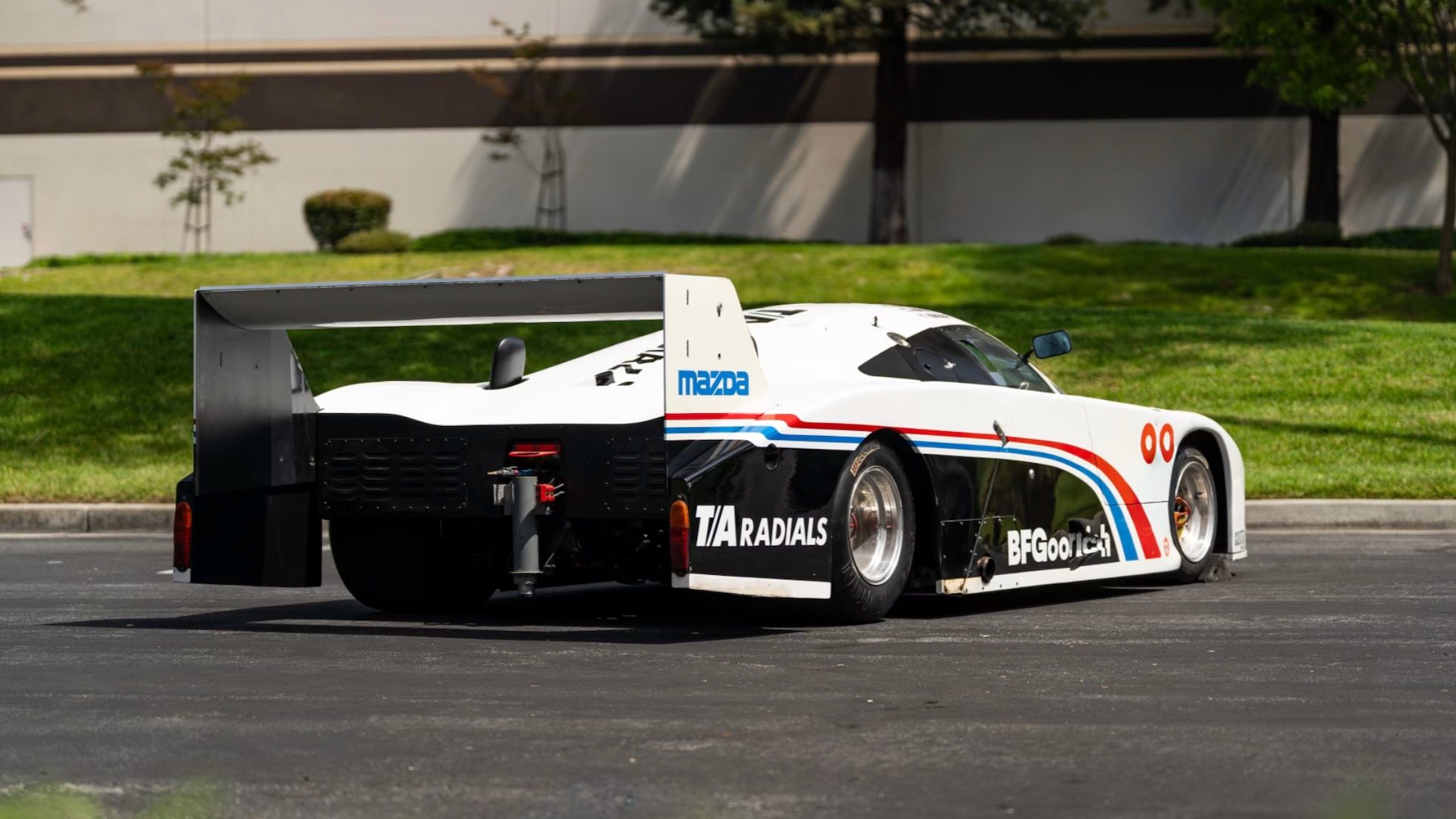
The solution was audacious: move up from the GTU ranks into the FIA’s C2 class, the secondary tier for prototypes. It was an environment dominated by purpose-built racing slicks. By forcing the T616 to perform on street-derived rubber, BFG aimed to create a narrative that was impossible to ignore.
Chronology: A Season of High-Speed Experimentation
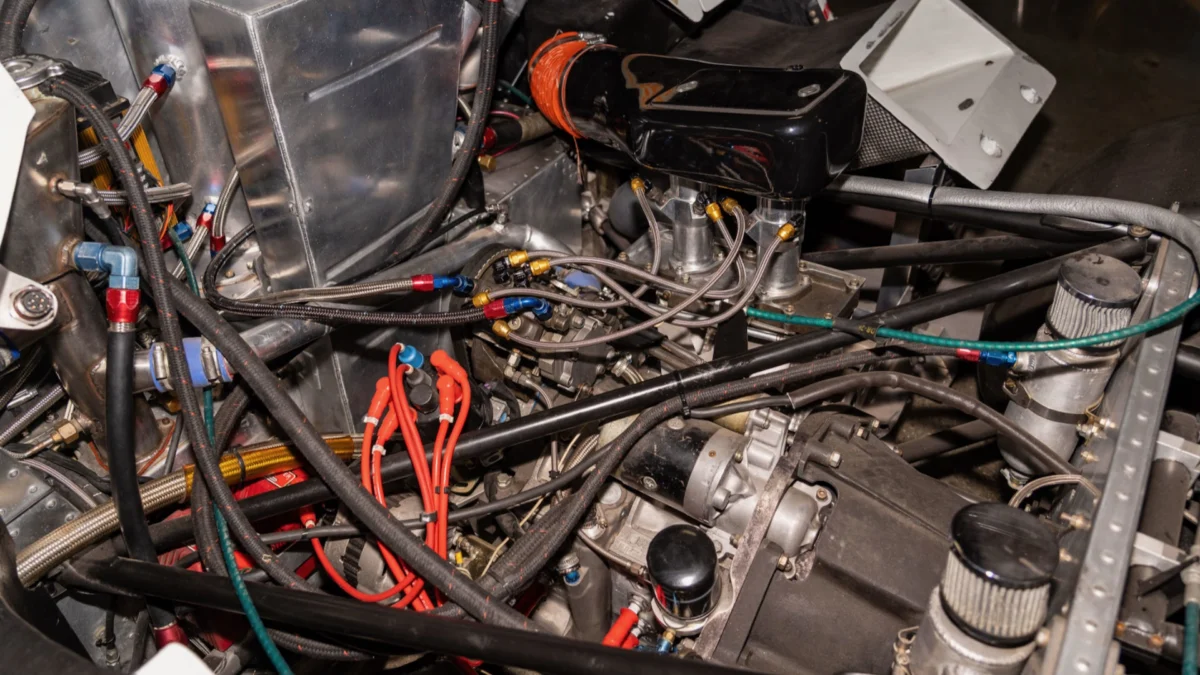
The 1984 racing season was a grueling proving ground for the Lola-Mazda project. Under the guidance of veteran driver and team manager Jim Busby, the team secured the newly minted Lola T616 chassis. These were sophisticated pieces of kit, but the heart of the machine was the 1.3-liter 13B rotary engine, sourced from the Mazda RX-7.
The 1984 Campaign Timeline
- Early 1984: The team begins a 3,000-mile testing program. Unlike traditional race teams that focused on chassis balance or engine mapping, the bulk of this time was spent on tire compounds and structures. The street-derived tires were reshaped to fit the specific 13×11-inch front and 13×14-inch rear wheels mandated by regulations.
- Spring 1984: The cars debut at major IMSA events, including the 12 Hours of Sebring and the 24 Hours of Daytona. Notably, these events saw the T616s become the first cars to navigate the infamous high banking of Daytona on street tires, a feat that drew significant media attention.
- June 1984: The crown jewel of the season, the 24 Hours of Le Mans. The team entered both chassis, putting their reputation on the line on the world’s most demanding circuit.
- Post-Race 1984: Following the Le Mans success, the cars continued to compete, with chassis HU-3 claiming a class victory at the Monza 1,000-kilometer race.
- 2000s: After years in storage, the cars were recovered by Busby and Rick Knoop, undergoing comprehensive restorations to return them to their original 1984 specifications.
The Le Mans Miracle: Performance vs. Perception
The performance of the Lola-Mazda T616 at Le Mans in 1984 remains a subject of intense debate among racing historians. While the marketing narrative focused on the tires, the drivers told a more nuanced story. The 13B rotary engine was remarkably reliable but lacked the top-end punch of its European counterparts. Furthermore, the engine was notoriously fuel-thirsty, requiring the drivers to employ a conservative strategy to ensure they finished the race.
Despite these hurdles, the results were undeniable. The team, featuring drivers John Morton, John O’Steen, and Yoshimi Katayama in chassis HU-2, clinched the C2-class win and secured a staggering 10th place overall. The second car, driven by Busby, Rick Knoop, and Boy Hayje, finished third in class and 12th overall.
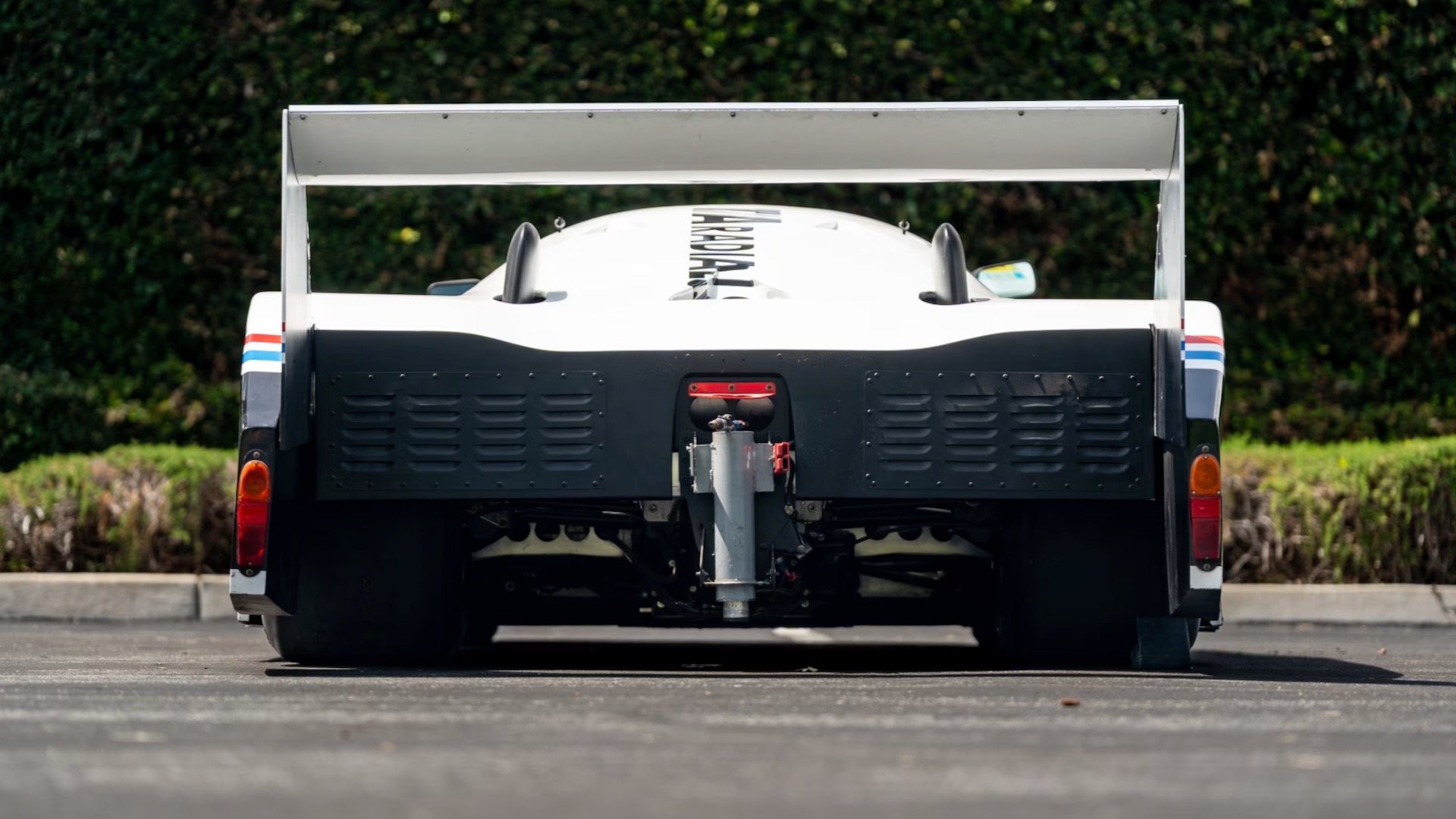
It is worth noting that the T616 chassis was originally designed for a heavier, more potent engine. Some engineers have suggested that this mismatch actually worked in the team’s favor, as it forced a level of driving precision that masked the inherent grip disadvantages of the street-legal rubber. Regardless of the technical minutiae, the "BFG/Mazda" combination became a symbol of the rotary engine’s durability—a reputation that would eventually culminate in Mazda’s historic overall victory at Le Mans in 1991 with the 787B.
Implications for Modern Motorsport
The story of the Lola-Mazda T616 is a reminder of a bygone era in professional racing. In today’s highly regulated, data-driven environment, such a marketing experiment would be nearly impossible. The FIA and other sanctioning bodies have clamped down on tire specifications to the point where even the most prominent manufacturers must use standardized rubber.
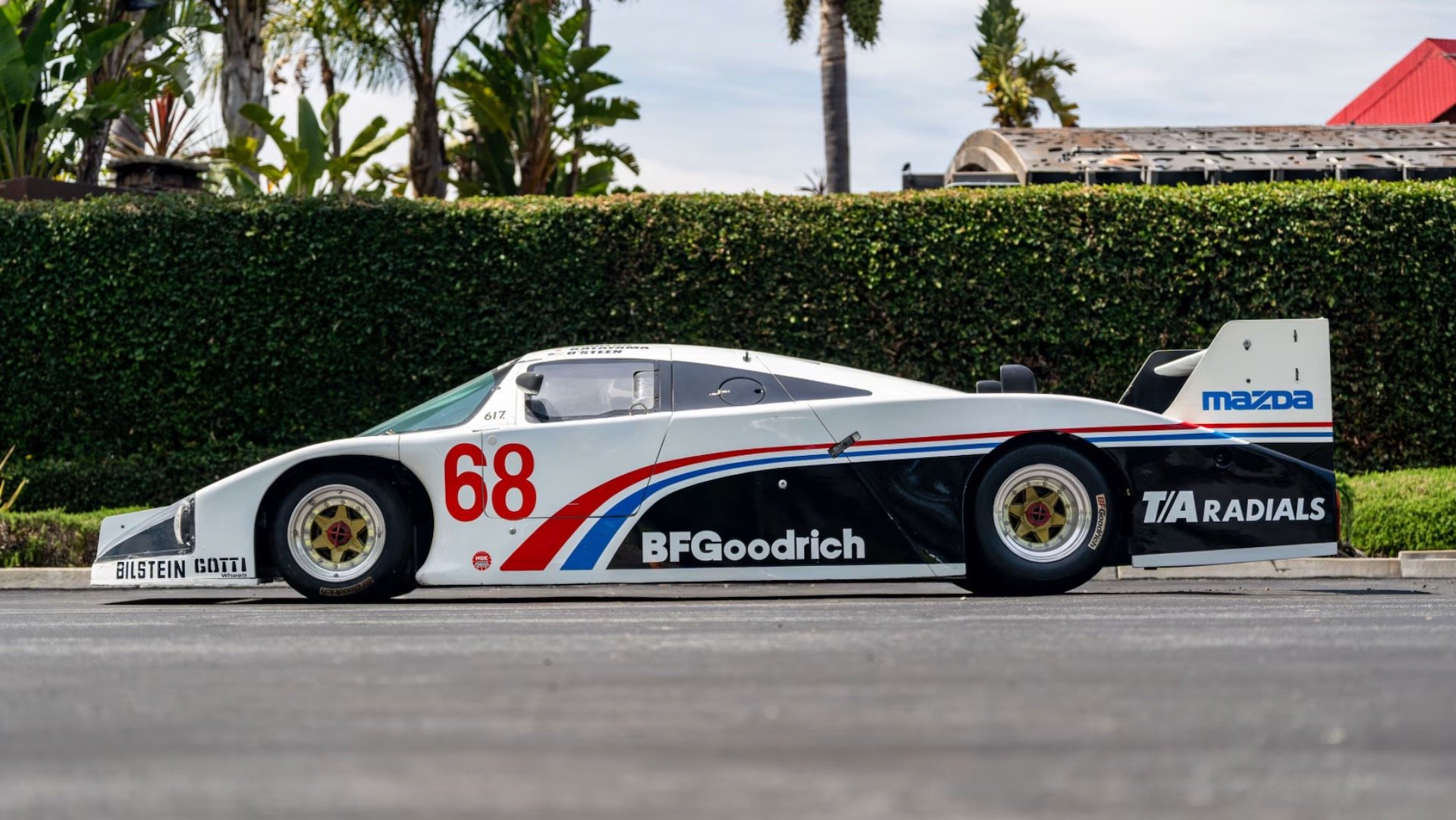
However, the legacy of the T616 remains relevant for its impact on brand identity. By taking a consumer product to the most prestigious endurance race in the world, BFG successfully blurred the line between the racing paddock and the showroom floor. Whether this actually translated into a measurable spike in tire sales remains a point of speculation, but the cultural impact—and the enduring value of these two chassis—speaks for itself.
The Auction: A Final Chapter for HU-2 and HU-3
As these two machines prepare to cross the block at Mecum’s 2026 Monterey event, their value lies not just in their provenance, but in their rarity. Unlike many endurance racers of the 1980s that were cannibalized for parts or lost to the scrapyard, these cars have been meticulously preserved.
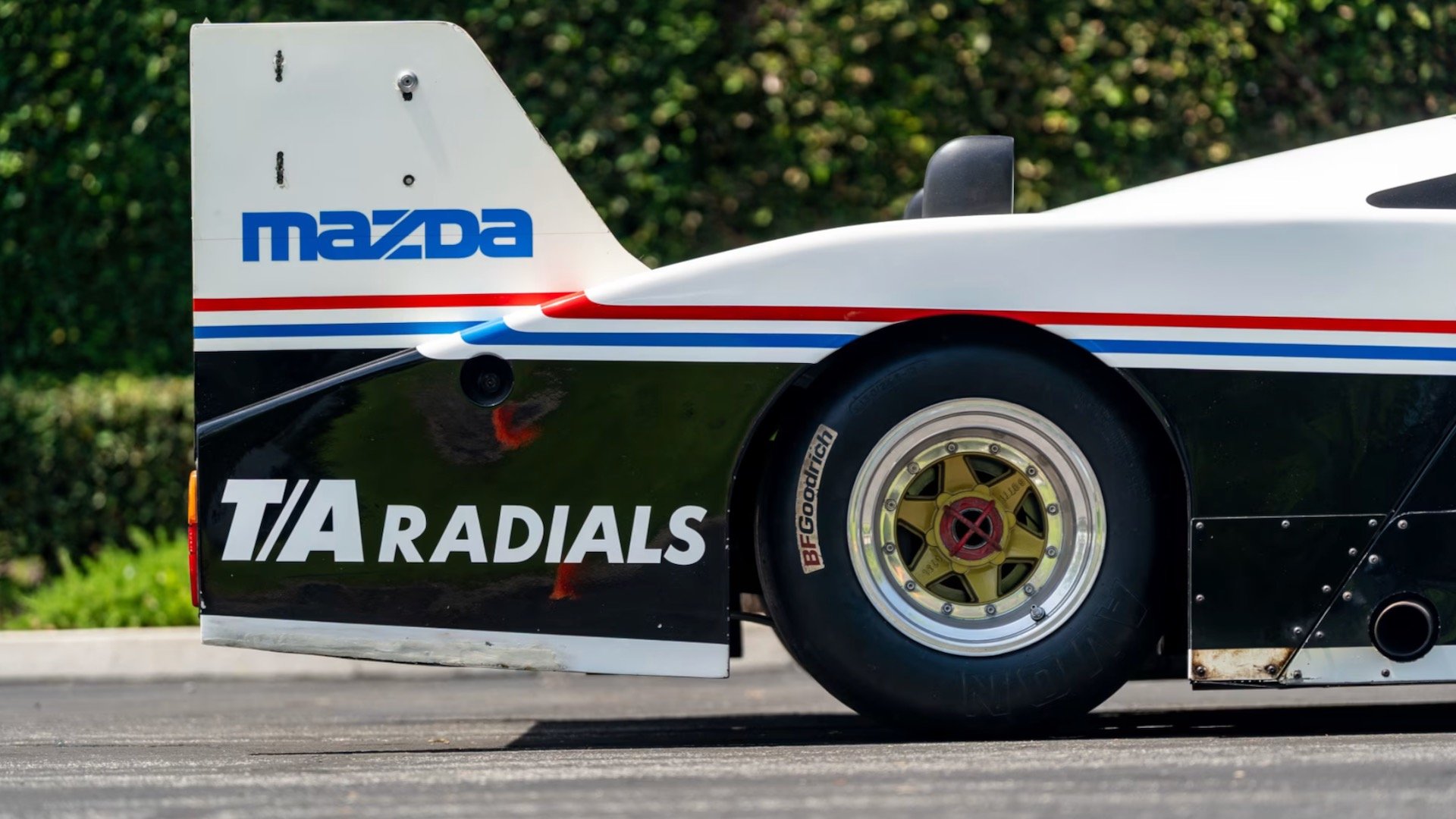
The projected $300,000 price tag for chassis HU-2 reflects its status as the Le Mans class winner, while HU-3, though no less significant in its technical contribution, carries a slightly lower valuation. For the discerning collector, these cars represent the pinnacle of "guerilla marketing" in motorsport. They are not merely vehicles; they are the physical manifestation of a time when the biggest risk—running on street tires at 200 mph—led to one of the most unlikely victories in the history of the Circuit de la Sarthe.
In an age where car culture is increasingly dominated by software updates and digital interfaces, the return of the Lola-Mazda T616 serves as a timely reminder of the beauty of mechanical simplicity and the power of a bold, well-executed marketing gamble. These cars did not just race; they communicated a message, and four decades later, that message still resonates with every enthusiast who values the grit and determination of endurance racing.
