



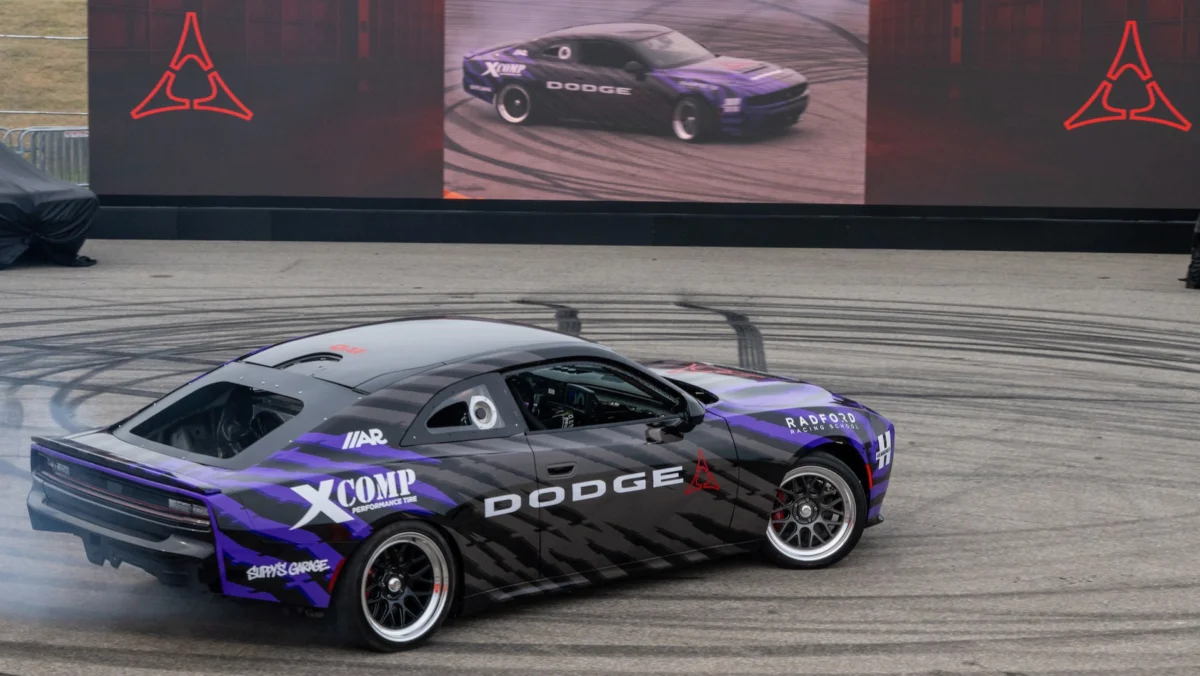
The automotive landscape is undergoing a tectonic shift, and few manufacturers are navigating the friction between legacy muscle car heritage and modern performance mandates as aggressively—or as controversially—as Dodge. As the brand pivots away from its long-standing Hemi V8 identity, it has faced a barrage of criticism regarding its new-generation Charger. In a strategic maneuver to silence the doubters and reclaim the streets, Stellantis has unveiled two purpose-built, tire-shredding drift machines based on the new Charger platform.
While these vehicles are not the V8-swapped beasts that traditionalists have been clamoring for, they represent a significant olive branch to the enthusiast community. By transforming the twin-turbo, 3.0-liter Hurricane inline-six into a legitimate, high-horsepower drift weapon, Dodge is attempting to prove that the "muscle" in muscle car is not tethered to a specific cylinder count, but rather to an attitude of tire-eradicating excess.
The Genesis of the "Boost" and "RPM" Builds
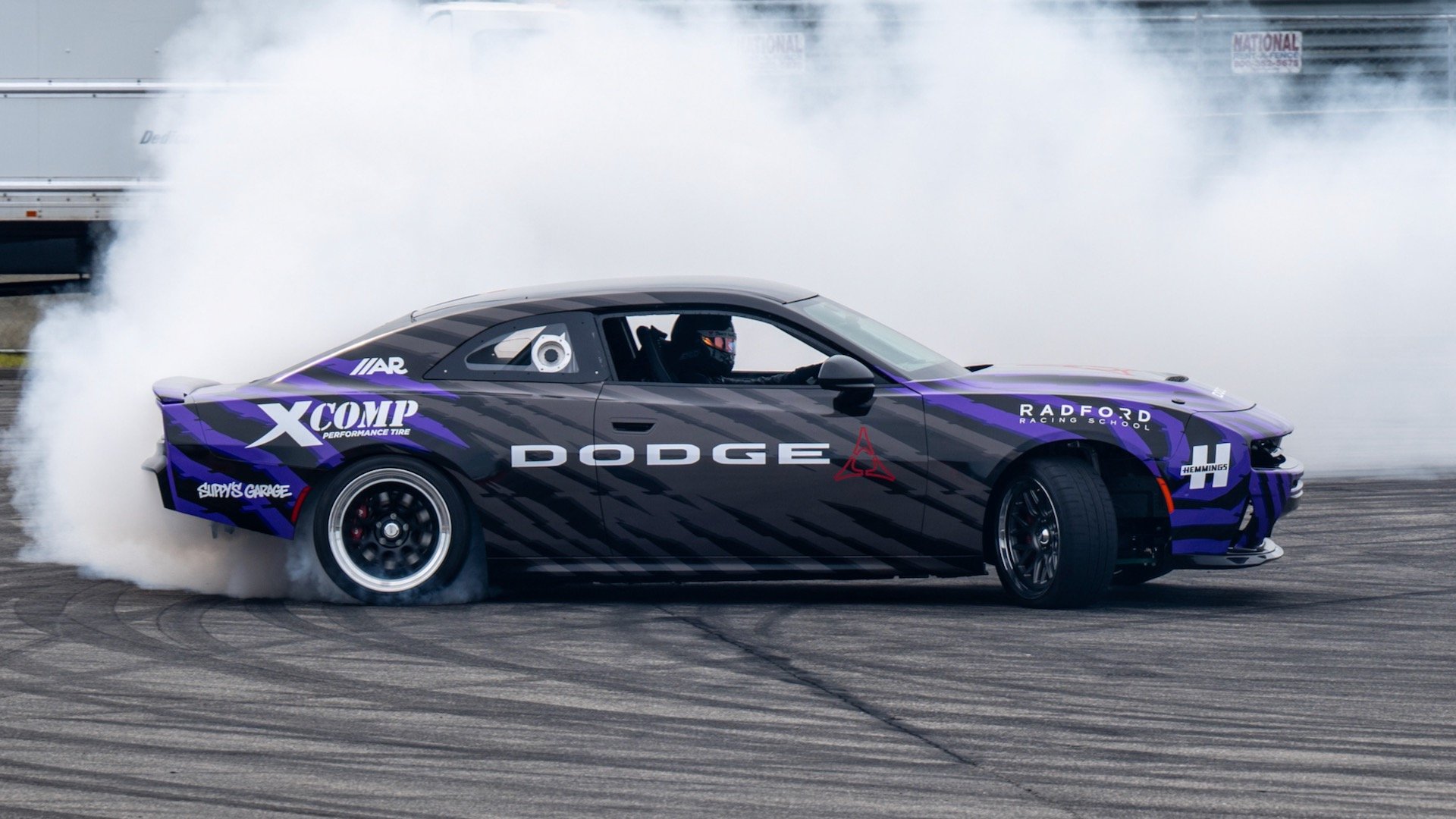
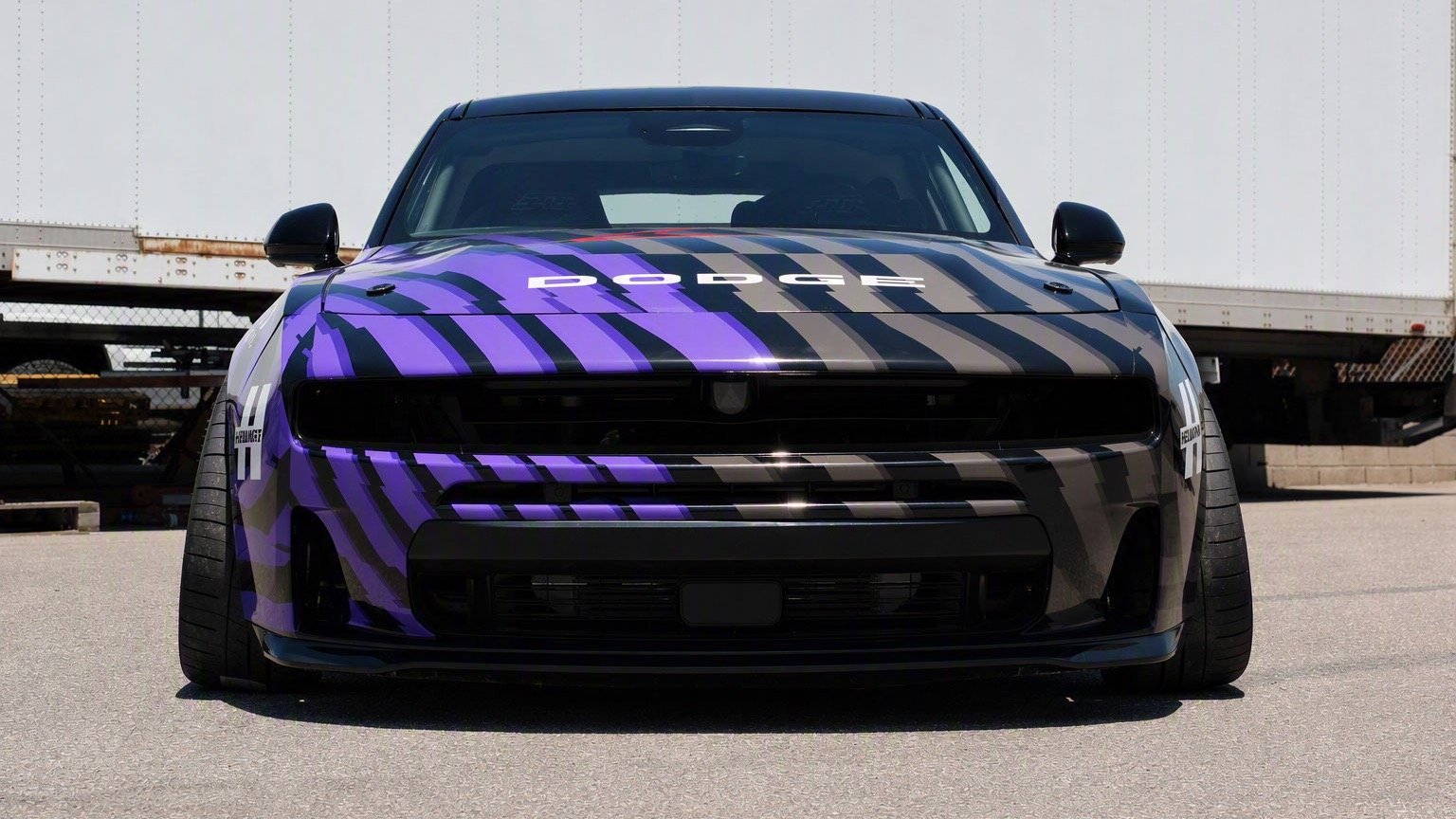
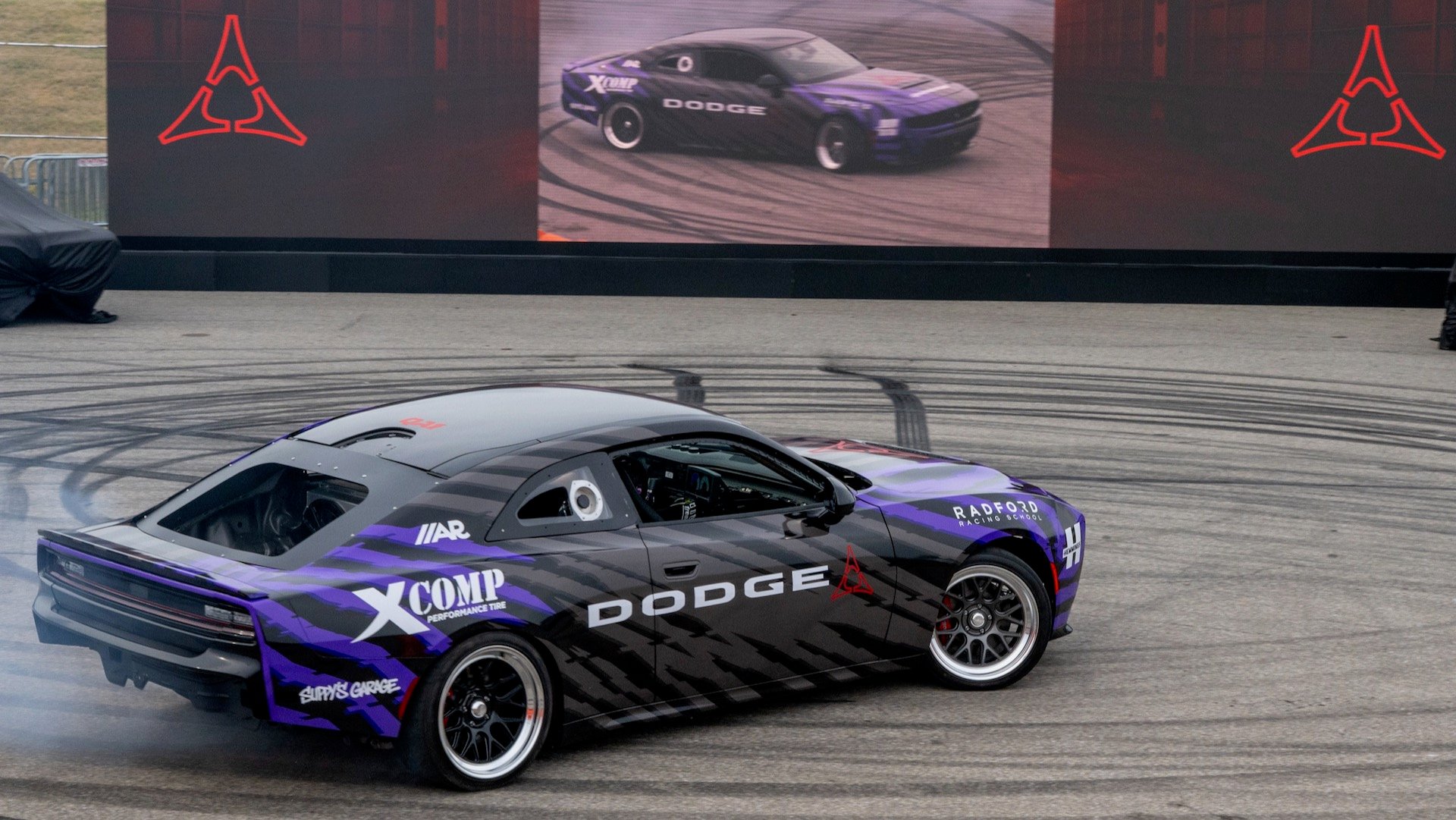
The announcement, which dropped alongside a wave of broader SRT-related updates, centers on two distinct builds: the "Boost" coupe and the "RPM" (Rapid People Mover) sedan. These aren’t just marketing exercises; they are heavily engineered track machines designed to operate under the grueling conditions of professional drifting.
The mission is clear: to put the new Charger in front of the most influential automotive lifestyle audiences in the country. The vehicles are scheduled to make their debut at the legendary Roadkill Nights in suburban Detroit—a spiritual home for the brand—before embarking on a tour that includes the Gridlife event at the historic WeatherTech Raceway Laguna Seca and the high-energy FuelFest in Arizona.
Technical Specifications: Elevating the Hurricane I6
At the heart of both vehicles is the Hurricane 3.0-liter twin-turbo inline-six, specifically in the High Output (H.O.) specification. In its factory configuration, this engine is already a potent performer, pushing out 550 horsepower and 531 pound-feet of torque. However, for the purpose of professional drifting, factory power is rarely enough.
Stellantis engineers and their partners have pushed these engines to a "conservative estimate" of 750 horsepower. This massive jump in output was achieved through a series of significant mechanical interventions:
- Forced Induction Upgrades: The coupe features a specialized single-turbo conversion, while both vehicles have received optimized intake systems to facilitate higher airflow.
- Engine Management: The factory ECUs have been replaced with MoTec engine management systems, allowing for granular control over fuel delivery, ignition timing, and boost pressure to ensure the engine performs reliably at the ragged edge.
- Thermal Management: The "RPM" sedan has been fitted with bespoke intercoolers and upgraded cooling hardware, a necessity for a car designed to provide high-intensity taxi rides to event attendees throughout the day.
- Exhaust Systems: The coupe has been equipped with a free-flowing, custom exhaust system designed to provide the aggressive acoustic profile required of a dedicated drift car.
Mechanical Transformations: From AWD Cruiser to RWD Drifter
One of the primary critiques of the production-spec 2026 Charger is its sophisticated all-wheel-drive system with front-axle disconnect. While excellent for daily driving and inclement weather, it is a liability for a drift platform.
To facilitate the necessary oversteer, both the Boost and the RPM have been converted to pure rear-wheel drive. Perhaps most importantly for the purists, the stock eight-speed automatic transmissions have been jettisoned in favor of manual gearboxes. This change provides the driver with the direct, tactile control required to initiate and maintain long-duration drifts.
Rounding out the conversion are the quintessential components of a drift build: full-spec roll cages for structural rigidity and safety, significantly reinforced driveline components to handle the massive torque spikes, and widened fenders that accommodate the massive, sticky tires required for high-speed slides.
The Burden of Legacy: Why the New Charger Struggles
To understand the weight behind this new drift program, one must acknowledge the "elephant in the room": the sales performance and public reception of the current-generation Charger.
For decades, the Charger was defined by its accessibility. It was a vehicle that provided an affordable entry point into the world of rear-wheel-drive, V8-powered, American-made performance. It was a car that encouraged modification, burnouts, and amateur drag racing. The new model, while technically superior in terms of chassis dynamics, technology, and efficiency, has been criticized for losing that specific, visceral "soul."
Dodge’s leadership has acknowledged that the transition is complex. CEO-level communications have suggested that it is "way too early" to judge the success of the new Charger. However, the market signals are clear: sales have been, by historical standards, underwhelming. The modern enthusiast feels that the new Charger is a better "car," but a worse "Dodge."
Bridging the Gap: Influencer Marketing and Social Proof
Dodge is not just relying on official factory builds to shift the narrative. The brand has been aggressively leveraging the power of social media by gifting vehicles to prominent automotive content creators. By encouraging influencers to build, modify, and even "destroy" these cars in video content, Dodge is attempting to foster a new culture of tuning around the Hurricane platform.
This strategy is a calculated attempt to replicate the grassroots popularity of the previous Hemi-powered Chargers. If the aftermarket community begins to embrace the Hurricane as a viable platform for high-performance builds, the stigma surrounding the loss of the V8 may begin to dissipate. The drift cars serve as the "halo" examples of this potential, demonstrating that the new chassis is more than capable of handling extreme modifications.
Official Responses and Strategic Implications
Stellantis has been careful to frame these drift cars not as replacements for the V8, but as an expansion of what the Charger can represent. In various press briefings, company representatives have emphasized that the brand remains committed to performance.
However, the question remains: will a 750-hp, manual-transmission inline-six truly satisfy the long-time Charger owner? While the drift program is a brilliant tactical move to win the hearts of younger enthusiasts at events like Gridlife and FuelFest, it may only be a stopgap for the core demographic.
The implications of this program are twofold:
- Brand Rejuvenation: If the drift cars succeed in creating a "cool factor," they could help bridge the gap between the older generation of Mopar fans and the younger, turbocharged-import-influenced demographic.
- Platform Validation: By pushing the Hurricane engine to 750 horsepower, Stellantis is providing data and inspiration for the aftermarket sector. If these cars hold up under the abuse of professional drifting, it will serve as the ultimate "stress test" for the platform’s durability.
Conclusion: The Path Forward
Dodge finds itself at a crossroads. The transition to the Hurricane engine is a strategic necessity for emissions compliance, but the emotional cost has been steep. The introduction of the Boost and RPM drift cars is a sign that the brand recognizes its need to maintain its "bad boy" image.
These cars are loud, they are fast, and they burn rubber with the best of them. They are exactly what a Dodge should be. Yet, the longing for the V8 remains a powerful current in the automotive world. As Dodge continues to showcase these drift machines, the question on every enthusiast’s lips will remain: Is this enough to save the Charger?
For now, the answer lies in the smoke of the tires. If Dodge can continue to deliver high-octane experiences that resonate with the spirit of the brand, they may just find that the future of the muscle car is not in its cylinders, but in its ability to adapt and perform, no matter what engine is under the hood. The road ahead for the Charger is paved with challenges, but with this drift program, Dodge has signaled that they are not going down without a fight.
