






For the modern entrepreneur, the metrics of success are often clear-cut: revenue spikes, expanding customer bases, and a larger footprint in the marketplace. Yet, beneath these glowing spreadsheets lies a profound and persistent challenge that has humbled many once-promising ventures: How does a business expand rapidly without diluting the very brand DNA that attracted customers in the first place?
This is the central tension defining the 2027 EY Entrepreneur Of The Year™ program. Now in its 26th year in Australia, these prestigious awards serve as a barometer for the nation’s business health, highlighting leaders who have demonstrated exceptional innovation, leadership, and, most importantly, the resilience required to survive the "growing pains" of scaling.
The Evolution of Expectation: Adapting to the Modern Consumer
The path to sustainable growth is rarely linear. As companies expand, they are often forced to confront the shifting demands of their clientele. For The APT Travel Group, which has spent nearly a century curating premium travel experiences, the challenge is not just keeping pace with travel trends, but anticipating them.
Today, the group hosts 60,000 guests annually across six continents. According to co-owner Lou Tandy, the modern traveller has evolved. "Travellers are becoming increasingly sophisticated, seeking experiences that are more personalised, immersive, and thoughtfully curated," she explains.
To stay relevant, APT has invested heavily in infrastructure redesign, most notably in its river ship fleet. By challenging the traditional cruise design and introducing a more contemporary onboard experience, APT has set a new benchmark, proving that luxury is no longer static—it is a moving target that requires constant refinement.
This shift toward hyper-personalisation is not confined to leisure. In the healthcare sector, Torrens Health has observed a fundamental change in how patients engage with medical services. Founder Joel Hepburn-Brown notes that the "reactive" model of healthcare—where patients only engage with the system when they are unwell—is fading.
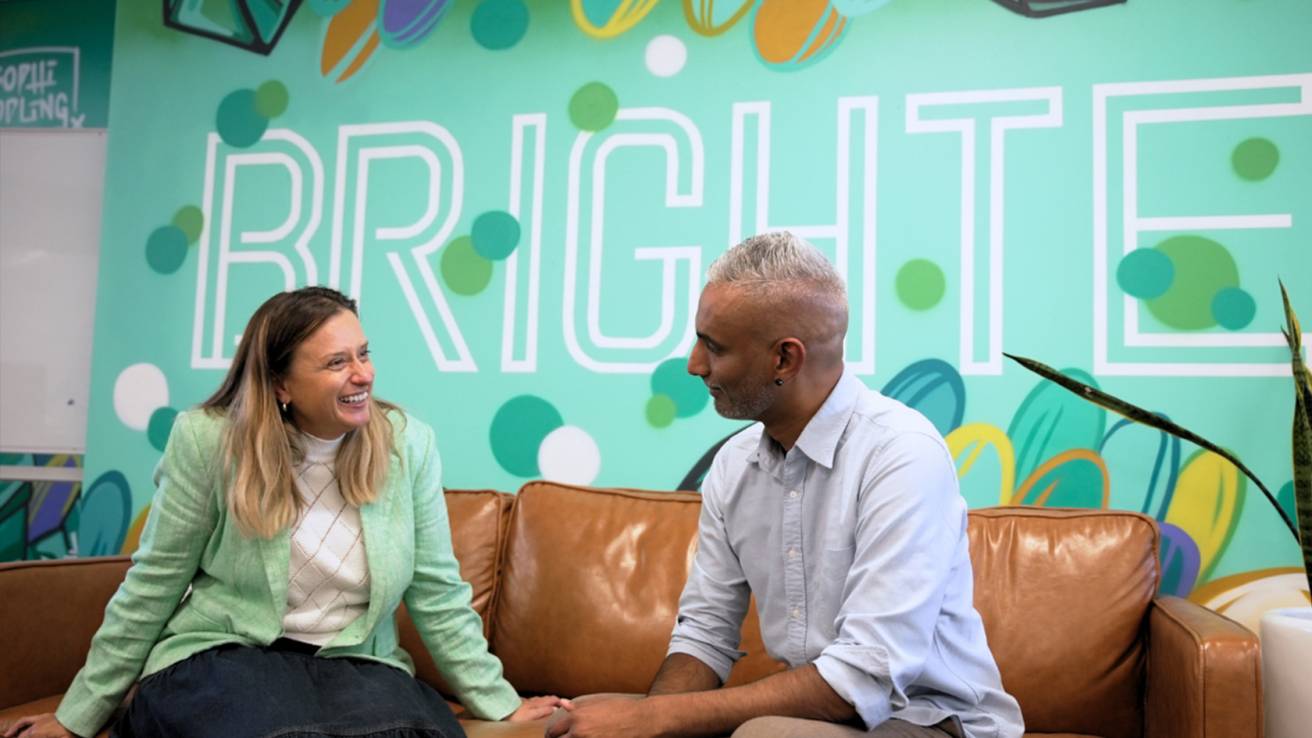
"Customers are no longer content to engage with the system only when something goes wrong," Hepburn-Brown says. "They want to understand their health, measure it, and actively improve it."
To meet this demand, Torrens Health has expanded its footprint through the strategic acquisition of the Corporate Health Group, shifting the company’s focus toward proactive, preventative wellness. By integrating advanced technology to give both clinicians and patients greater visibility into health data, the company has transformed from a service provider into a partner in personal wellbeing.
Trust as a Competitive Advantage
If innovation is the engine of growth, trust is the fuel. However, trust is rarely built during periods of smooth sailing; it is forged during moments of crisis.
For Brighte Capital, a fintech leader that has enabled more than 260,000 Australian households to finance clean energy upgrades, the "moment of truth" often occurs when an installation fails or a product malfunctions. CEO Katherine McConnell champions a corporate value she calls "call the ball"—a philosophy of taking full responsibility for a customer’s experience, even when the fault lies with a third-party installer.
"The businesses that build lasting loyalty are the ones that show up when it’s inconvenient, not just when it’s easy," McConnell asserts. By acting as the primary point of accountability, Brighte transforms potential points of friction into demonstrations of reliability.
This philosophy of building long-term trust extends to the tangible goods sector as well. Lina Calabria, co-founder of the premium carry goods brand Bellroy, argues that consumers are suffering from "disposable fatigue." After years of buying short-lived products, customers are pivoting toward brands that offer durability and repairability.

Bellroy’s marketing, exemplified by its "Day 1, Day 1000" campaign, celebrates the way their products age, positioning the brand as a partner in the user’s life rather than a one-time transaction. "We aim to build a long-term relationship with our customer, and we think that’s what customers expect from us," Calabria notes.
The Balancing Act: Purpose Meets Performance
As companies scale, the risk of losing their foundational purpose becomes acute. For Paul Valenti, managing director of the GEMA Group, the solution lies in a strict duality: purpose informs the brand, while commercial discipline provides the resources to deliver it.
Whether providing high-end catering for major sporting events or managing airline lounges, GEMA Group must maintain consistent standards at a massive scale. Valenti’s approach highlights a critical lesson for growing enterprises: purpose without profit is unsustainable, but profit without purpose is often hollow and uninspiring to both staff and customers.
Similarly, Daniel Tucker AM, founder of the Carey Group Holdings—a major First Nations-owned firm in the mining and construction sectors—argues that commercial performance and social mission must be mutually reinforcing. For Tucker, consistent delivery in safety and quality is not just a commercial requirement; it is a fundamental aspect of the business’s identity and its commitment to the community.
Scaling Without Losing the "Secret Sauce"
The most significant threat to a growing business is the "invisibility" of leadership. When founders move away from the frontline, informal communication channels collapse, and the risk of inconsistency across a larger workforce skyrockets.
"Scaling is where a lot of businesses quietly lose what made them good," McConnell observes.

To combat this, the finalists in this year’s EY program have implemented distinct strategies:
- Rigorous Quality Control: Brighte Capital maintains strict accreditation for its network of installers, ensuring that the "person standing in the customer’s living room" reflects the brand’s standards, not just the company’s own internal employees.
- Explicit Cultural Frameworks: Bellroy has codified its culture, defining its workforce as "smart people, with good intentions, who get things done." By making culture explicit rather than implied, they ensure that remote or new hires understand the decision-making framework of the brand.
- Growth with Intent: APT’s Lou Tandy emphasises that expansion should never be an end in itself. Growth must be measured by how it strengthens the brand and enhances the customer experience, rather than just headcount or territory.
Implications for the Future of Australian Business
The lessons drawn from these 2027 finalists offer a blueprint for the next generation of Australian entrepreneurs. The era of "growth at all costs" is being replaced by an era of "growth with integrity."
The evidence is clear: the businesses that will dominate the coming decade are those that can:
- Predict, rather than just react to, the shifting demands of a more sophisticated consumer.
- Take radical accountability for the total customer experience, regardless of supply chain complexity.
- Operationalise their culture so that it remains a guiding force even when the founder is no longer in the room.
As the 2027 EY Entrepreneur Of The Year program progresses, these finalists remind us that the most significant business growth happens not on the balance sheet, but in the deepened trust between a company and the people it serves.
For founders standing on the precipice of a scale-up phase, the advice from these leaders is unanimous: guard your culture as fiercely as your capital, and remember that the quality of your customer’s experience is the only true indicator of long-term viability.
To learn more about the 2027 EY Entrepreneur Of The Year™ finalists and the ongoing impact of their leadership, visit the official EY website.
