



Main Facts: A Legacy Built to Last
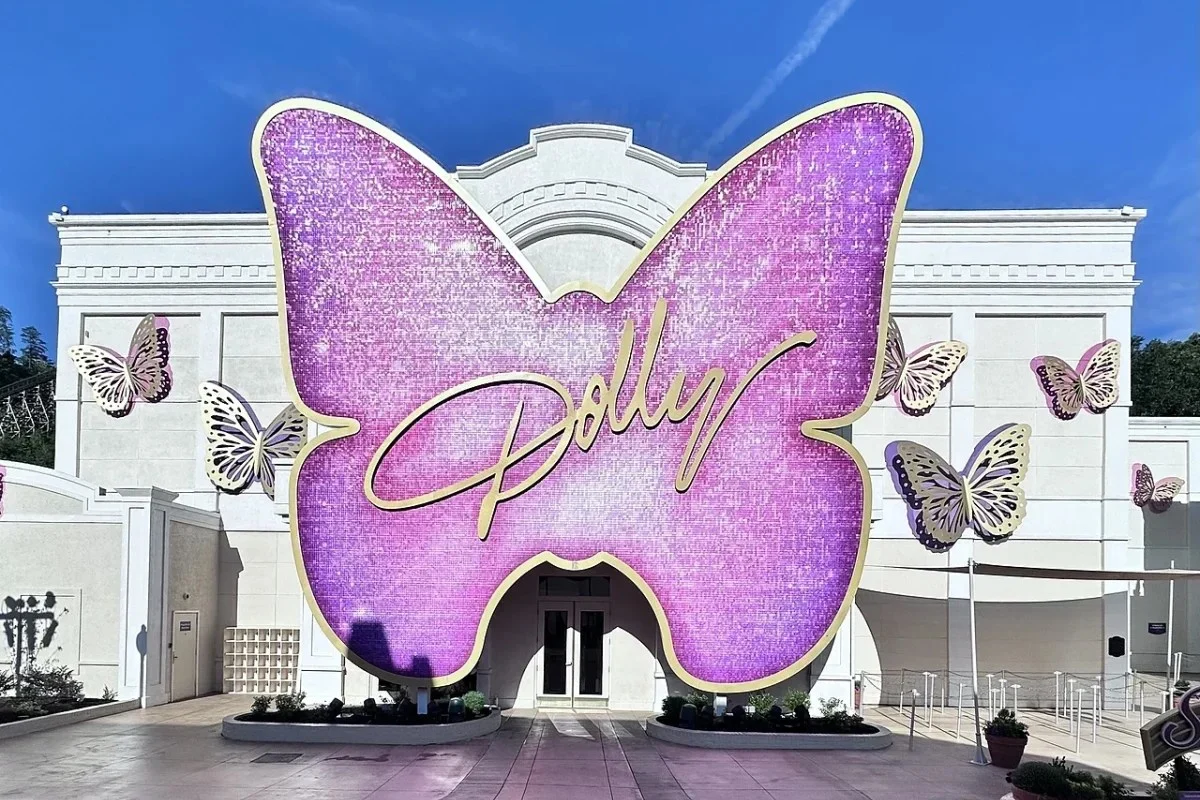
On Wednesday, the gates of Dollywood swung open, welcoming guests into a world of Appalachian charm and high-octane thrills. The opening, however, was shrouded in profound solemnity. Just 24 hours prior, the world learned of the passing of Dolly Parton, the legendary country music icon, philanthropist, and the namesake behind the Pigeon Forge, Tennessee, landmark. She was 80 years old.
Despite the loss of its visionary founder, the park’s administration issued a resolute statement: "The show must go on." The message emphasized a desire to honor Parton’s life and enduring legacy "not with silence, but with laughter, music, and shared dreams."
This commitment to continuity highlights a remarkable anomaly in the modern amusement industry. While major regional competitors—most notably Six Flags—have been forced to shed assets, close underperforming sites, and restructure debt to remain solvent, Dollywood stands as a pillar of financial stability. Currently, the park is in the middle of an ambitious $500 million expansion project. This massive reinvestment strategy signals that Dollywood is not merely surviving the current economic climate; it is actively positioning itself to compete with industry titans like Disney and Universal.
Chronology: From Small Town Attraction to Global Icon
To understand the current state of Dollywood, one must look at the evolution of the property. What is now a world-class destination began as a modest attraction.
- 1961: The original site, known as "Rebel Railroad," opened featuring a steam train, a general store, and a saloon.
- 1970: The park was rebranded as "Silver Dollar City," leaning into the Ozark and Appalachian heritage that would eventually become its hallmark.
- 1986: Dolly Parton entered a partnership with the Herschend Family Entertainment corporation. The park was rebranded as "Dollywood." This marked the beginning of a transformation that turned a regional park into a national tourism powerhouse.
- 1990s–2010s: The park expanded systematically, adding the Splash Country water park, luxury resorts, and an array of award-winning roller coasters that garnered international acclaim.
- 2023–2024: The park announced a massive $500 million, 10-year investment plan, focusing on infrastructure, new themed lands, and high-tech guest experiences.
- March 2025: Following the death of Dolly Parton, the park maintains its operations, serving as a living monument to her vision of community and entertainment.
Supporting Data: A Landscape of Divergent Fortunes
The amusement park industry is currently defined by a sharp divide. On one side are the corporate-heavy conglomerates struggling under the weight of high interest rates and changing consumer habits. On the other is the unique, privately-held model exemplified by Dollywood.
The Struggles of the Competition
In recent years, the regional theme park sector has faced a "correction." Six Flags, once a dominant force, has engaged in aggressive cost-cutting measures. This has included the closure of smaller parks, the sale of land assets to satisfy creditors, and a pivot toward premium pricing models that have alienated some core demographics. The volatility of the stock market and the immense capital expenditure required to keep parks relevant—specifically the cost of new "marquee" roller coasters—has left many operators scrambling.
The Dollywood Model
Dollywood’s success is built on three pillars:
- Non-Franchise Ownership: Because the park is not beholden to shareholders demanding quarterly growth at the expense of long-term health, it can afford to make patient, multi-year investments.
- Cultural Differentiation: By leaning heavily into Appalachian culture—crafts, local music, and hospitality—the park avoids the "cookie-cutter" feel of standard amusement parks.
- The "Dolly" Factor: Parton’s brand is not just a name; it represents a specific brand of inclusivity and warmth that fosters deep customer loyalty.
The $500 million expansion is not just about more rides; it is about infrastructure. Investments in luxury lodging (such as the DreamMore Resort) have increased the average length of stay for guests, significantly boosting the park’s "per-capita" spending metrics. While Disney spends billions on global IP-based expansions, Dollywood is spending hundreds of millions to deepen its immersive connection to the Smoky Mountains, a strategy that is proving equally effective in capturing market share.
Official Responses and Corporate Sentiment
In the wake of the news, the park’s leadership has focused on maintaining the employee and guest experience. While spokespeople for the Herschend Family Entertainment group—which operates the park in conjunction with the Parton estate—did not provide an immediate statement, internal memos suggest a focus on the "Dollywood Family" culture.
Earlier this year, in a conversation with the Wall Street Journal, Dolly Parton articulated her long-term vision for the park. She expressed a desire for the destination to serve as an economic engine for East Tennessee long after she was gone. "I want this place to be a sanctuary for people," she said, emphasizing that the park was never intended to be just a business, but a way to provide jobs and joy to her home region.
The consensus among industry analysts is that the park’s management team is highly stable. Unlike the revolving door of executive leadership seen in major corporate park chains, the leadership at Dollywood has been consistent for decades, ensuring that the "Dolly brand" remains authentic and protected.
Implications: The Future of Regional Tourism
What does the death of the park’s namesake mean for its long-term viability? Some analysts suggest that the "Dollywood" brand is now strong enough to exist as a cultural institution, much like Graceland or the Kennedy Center.
The Shift from Celebrity to Legacy
The primary challenge for the park will be evolving from a "celebrity-driven" destination to a "legacy-driven" destination. The ongoing $500 million investment is crucial here. By upgrading the physical infrastructure and expanding the resort offerings, the park is ensuring that it remains a premier destination for reasons beyond just the proximity to its founder.
The Competitive Edge
Dollywood’s ability to remain profitable while others falter provides a blueprint for the industry. The "Regional Destination" model—where a park offers enough high-quality amenities to justify a three-to-four-day trip rather than a single-day visit—is becoming the gold standard. As consumers become more selective about their vacation spending, the combination of high-value entertainment and unique regional identity becomes a significant competitive advantage.
A Final Tribute
As the park continues its operation, it serves as a case study in resilience. The decision to open the day after Parton’s passing was not a cold, calculated business move; it was an act of cultural continuity. By keeping the music playing and the coasters running, the park is fulfilling the promise Parton made to her home state decades ago.
In the coming months, visitors will likely see increased tributes and perhaps a new permanent memorial at the park’s entrance. However, the most significant tribute will be the continued success of the park itself. As the $500 million expansion project reaches its final phases, the message is clear: Dollywood has evolved from a passion project into a permanent fixture of the American tourism landscape, capable of weathering any storm—even the loss of its most beloved star.
The legacy of the park is now firmly in the hands of those who built it, and if the current expansion is any indication, the best days for the Smoky Mountain destination may still be on the horizon. The laughter and the music, as promised, will continue to echo through the hills of Tennessee.
