





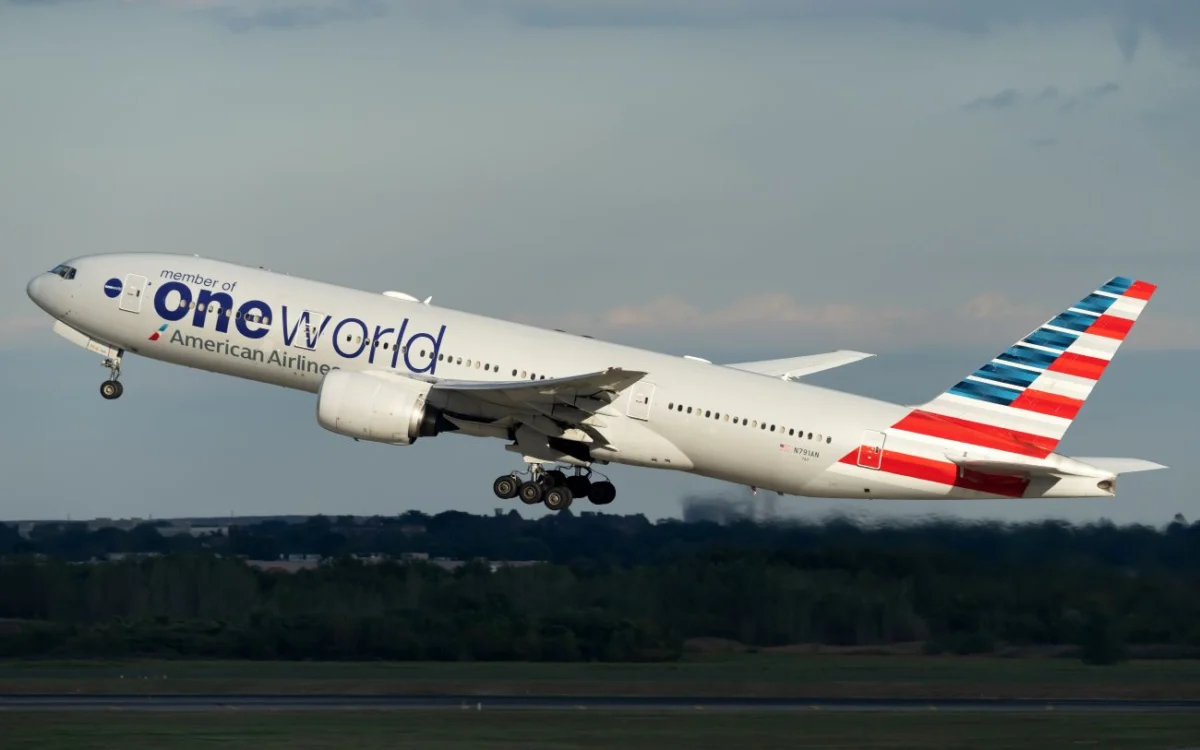
In a significant move to reshape its international footprint and fortify its competitive standing against arch-rivals Delta Air Lines and United Airlines, American Airlines has unveiled an aggressive expansion of its transatlantic network for the summer of 2027. By leveraging its Philadelphia (PHL) hub as a primary gateway to Europe, the carrier is signaling a fundamental shift in strategy: moving away from marginal growth and toward a high-yield, premium-focused model designed to capture the lucrative segment of high-spend travelers.
This expansion is not merely about adding new dots on a map; it is the cornerstone of a broader, multi-year initiative aimed at modernizing American’s in-flight product, optimizing fleet utilization, and restoring profitability levels that have lagged behind its peers in recent fiscal quarters.
The Strategic Expansion: New Routes and Market Re-entry
At the heart of the 2027 schedule is a renewed commitment to the Philadelphia hub. By focusing international growth on the Northeast, American is aiming to capitalize on high-demand corridors that offer a blend of leisure appeal and business connectivity.
Vienna: Capturing the Austrian Market
The most prominent addition to the network is the launch of non-stop service from Philadelphia to Vienna, Austria. This move is particularly significant as it positions American as the sole U.S. carrier offering direct service to the Austrian capital. Vienna serves as a critical bridge between Western and Eastern Europe, and by securing this route, American is effectively cutting out the need for passengers to connect through Frankfurt or London, offering a unique value proposition that appeals to both premium leisure travelers and corporate clients with interests in Central Europe.
Reykjavik: The Return of the Nordic Gateway
American is also breathing life back into a route that was lost to the volatility of the post-pandemic era. The carrier will launch service to Reykjavik, Iceland, from Philadelphia in May 2027. While American previously operated a route to the Icelandic capital from its Dallas-Fort Worth (DFW) hub—a service that was ultimately shuttered in 2019—the return to the market via Philadelphia represents a more tactical approach. By utilizing the shorter transatlantic flight paths from the East Coast, the airline can operate the route more efficiently with its narrow-body and smaller wide-body fleet, mitigating the fuel costs that hindered the previous DFW-based operation.
Porto: Tapping into the Iberian Boom
Beyond Vienna and Reykjavik, American is deepening its presence in the Iberian Peninsula with new service to Porto, Portugal. Porto has seen a surge in popularity as both a tourist destination and a secondary business hub, and by establishing direct connectivity from Philadelphia, American is positioning itself to capture the "bleisure" traveler—those who blend business and leisure travel—who currently rely on connecting flights through Lisbon or Madrid.
Chronology of a Turnaround: From Pandemic Stagnation to 2027 Vision
To understand why these specific routes were chosen, one must look at the timeline of American’s recent history.
- 2019: The "Pre-Optimization" Era. American ends its Dallas-Reykjavik service as part of a network cleanup. The airline is still heavily reliant on a legacy model of hub-and-spoke connectivity that struggled with profitability in secondary markets.
- 2020-2022: The Pandemic Retrenchment. Like all major carriers, American faces a catastrophic collapse in demand. International routes are slashed, and long-haul plans are shelved indefinitely to ensure corporate liquidity.
- 2023-2024: The "Product First" Shift. Recognizing that they are losing the battle for the premium passenger, American initiates a massive overhaul of its cabins, including the rollout of new Flagship Suite seats and a renewed focus on premium economy dining and service.
- 2025-2026: Consolidation and Hub Strengthening. American focuses on fortifying core hubs like Charlotte and Philadelphia. The carrier begins the process of retiring older, less fuel-efficient aircraft to prepare for the 2027 fleet utilization targets.
- Summer 2027: The Launch. The new routes to Vienna, Reykjavik, and Porto are set to go live, serving as the first true test of the carrier’s revamped transatlantic strategy.
Supporting Data: The Case for the High-Spend Traveler
The shift in American’s strategy is backed by internal data suggesting that the "post-pandemic traveler" has fundamentally changed. Market analysis shows a 14% increase in demand for premium-cabin products (Business and Premium Economy) compared to 2019 levels. Conversely, demand for "deep discount" economy seats has remained stagnant, plagued by rising fuel costs and lower margins.
By targeting markets like Vienna and Porto, American is selecting destinations with a high "Revenue Per Available Seat Mile" (RASM) potential. These are cities where the competition is limited, allowing American to exercise greater pricing power. According to industry reports, transatlantic capacity remains constrained, and by increasing their footprint in these mid-sized European markets, American is effectively insulating itself from the price wars that frequently occur on high-frequency routes like New York (JFK) to London (LHR).
Official Responses and Corporate Outlook
In a statement regarding the announcement, American Airlines’ leadership emphasized that these routes are not "experimental" but rather "foundational."
"Our focus is on connectivity that makes sense for our shareholders and our passengers," noted a spokesperson for the airline. "Philadelphia serves as our most efficient transatlantic gateway. By concentrating our growth there, we are not just adding flights; we are optimizing our entire international portfolio. The addition of Vienna, Reykjavik, and Porto reflects our confidence in the premium travel segment and our commitment to providing a seamless, one-stop product that our competitors simply cannot match in these markets."
Industry analysts have largely reacted positively to the news. "American has spent the last three years playing catch-up," says aviation consultant Marcus Thorne. "This move shows they are finally done reacting to Delta and are instead beginning to dictate their own terms. By choosing the Philadelphia hub, they are playing to their strengths rather than trying to force growth in markets where they lack the necessary infrastructure."
Implications: What This Means for the Future of Aviation
The implications of this expansion extend far beyond the routes themselves. If successful, this strategy could trigger a broader shift in how major U.S. carriers manage their transatlantic networks.
1. The Rise of the "Second-Tier" Gateway
For years, the industry narrative focused on "Super Hubs" like Atlanta (Delta) and Houston (United). American’s success in Philadelphia suggests that there is significant, untapped profit in mid-tier hubs that offer faster transit times and less congestion for connecting passengers. If Philadelphia thrives, we may see American pivot even more capacity away from its congested DFW and Chicago (ORD) hubs for international operations.
2. A War of Attrition in the Premium Cabin
American’s investment in these routes is inseparable from its investment in its "Flagship" products. The airline is essentially betting that its new hard-product—the upgraded seats and refined service—will be enough to win over travelers who might otherwise choose the foreign flag carriers (like Austrian Airlines or TAP Air Portugal) that already service these routes. The success of this 2027 expansion will likely be measured by the "load factor" in premium cabins rather than total passenger volume.
3. Sustainability and Fleet Efficiency
The decision to focus on these specific routes is also a nod to sustainability. Newer, more efficient aircraft (such as the Boeing 787 Dreamliners and Airbus A321XLRs) are better suited for these medium-to-long-haul transatlantic missions. By optimizing these routes for such aircraft, American is not only lowering its carbon footprint but also significantly reducing the cost-per-seat-mile, a metric that will be vital to maintaining profitability amidst fluctuating oil prices.
Conclusion
As American Airlines looks toward the summer of 2027, the message to the market is clear: the airline is no longer interested in being a commodity player. Through the strategic selection of Philadelphia as a primary European gateway and the targeted launch of routes to Vienna, Reykjavik, and Porto, the carrier is positioning itself to capture the premium segment of the transatlantic market.
While the path to 2027 is paved with operational challenges—from labor negotiations to fleet delivery timelines—the strategy itself represents a mature, calculated pivot. By moving away from the "bigger is better" mentality and toward a model of precision and premium service, American Airlines is attempting to redefine its role in the global aviation landscape. Whether this bold bet on the high-spend traveler will pay dividends remains to be seen, but one thing is certain: the competitive landscape of the Atlantic is about to get much more interesting.
