





For decades, the automotive industry and safety regulators have waged a war against the most visible culprits of distracted driving: text messaging, phone calls, and manual interaction with handheld devices. Legislative efforts, from "hands-free" mandates to the integration of sophisticated infotainment systems like Apple CarPlay and Android Auto, have been marketed as the panacea for a digital age. Yet, a groundbreaking study published in JAMA Network Open has cast a long, unsettling shadow over the dashboard. It suggests that our digital music habits—specifically the culture surrounding major album drops—are creating a new, lethal form of cognitive distraction that current safety protocols have yet to address.
The Hidden Correlation: Music Drops and Traffic Fatalities
The study, which analyzed traffic fatality data in the United States between 2017 and 2022, identified a startling trend. By cross-referencing federal data from the National Highway Traffic Safety Administration’s (NHTSA) Fatality Analysis Reporting System (FARS) with Spotify’s public streaming charts, researchers discovered a significant spike in road deaths on days when high-profile albums were released.
The data is sobering: on days when major albums hit streaming platforms, traffic fatalities increased by an adjusted 15.1% compared to the 10-day periods preceding and following those releases. During these same windows, music streaming activity on platforms like Spotify surged by approximately 43%. While correlation does not always imply causation, the statistical alignment is too significant to dismiss as mere coincidence.
A Chronology of Digital Consumption and Road Safety
To understand how we arrived at this juncture, one must look at the evolution of the in-car audio experience.
- The Analog Era (Pre-2010s): For generations, music was a static element of the drive. Whether it was an FM radio station, a cassette tape, or a CD, the driver’s interaction with the media was minimal. Once the volume was set and the track selected, the driver’s cognitive load remained primarily on the road.
- The Digital Transition (2010–2016): The rise of MP3 players and the early days of smartphones introduced the "shuffle" culture. Drivers began curating their own libraries, but the hardware limitations—often involving clunky auxiliary cables—still required a degree of pre-drive preparation.
- The Streaming Explosion (2017–Present): The current era is defined by the "always-on" nature of streaming. With millions of songs available at a voice command or a swipe, the barrier to switching tracks, exploring new playlists, or refreshing an album page has evaporated. As the JAMA Network Open study highlights, this convenience has fundamentally changed the driver’s relationship with their environment.
The researchers pointed to October 21, 2022, as a case study in modern media consumption. On that day, Taylor Swift released Midnights. Within 24 hours, the album had been streamed over 184 million times on Spotify alone. The sheer scale of this cultural event illustrates how millions of people—many of whom were undoubtedly behind the wheel—were simultaneously engaging with a new digital product, potentially shifting their focus from lane discipline to track lists.
Deconstructing the Data: Why Music Distracts
The researchers were meticulous in controlling for variables that could skew the results. They accounted for common traffic patterns, including holiday travel spikes and the "Friday release" phenomenon—a standard in the music industry that coincidentally aligns with increased weekend traffic. Even after adjusting for these factors, the correlation between album-drop days and increased mortality remained robust.
Perhaps most concerning is the demographic breakdown. The study found that the increase in fatal crashes was disproportionately higher among younger drivers. This demographic is statistically more likely to be early adopters of streaming services and heavy users of smartphone-integrated infotainment systems. While older drivers might still rely on legacy media or listen to a singular, familiar playlist, younger drivers are more frequently interacting with the dynamic, algorithm-driven interfaces of modern streaming apps.
The Illusion of Safety: Infotainment Systems
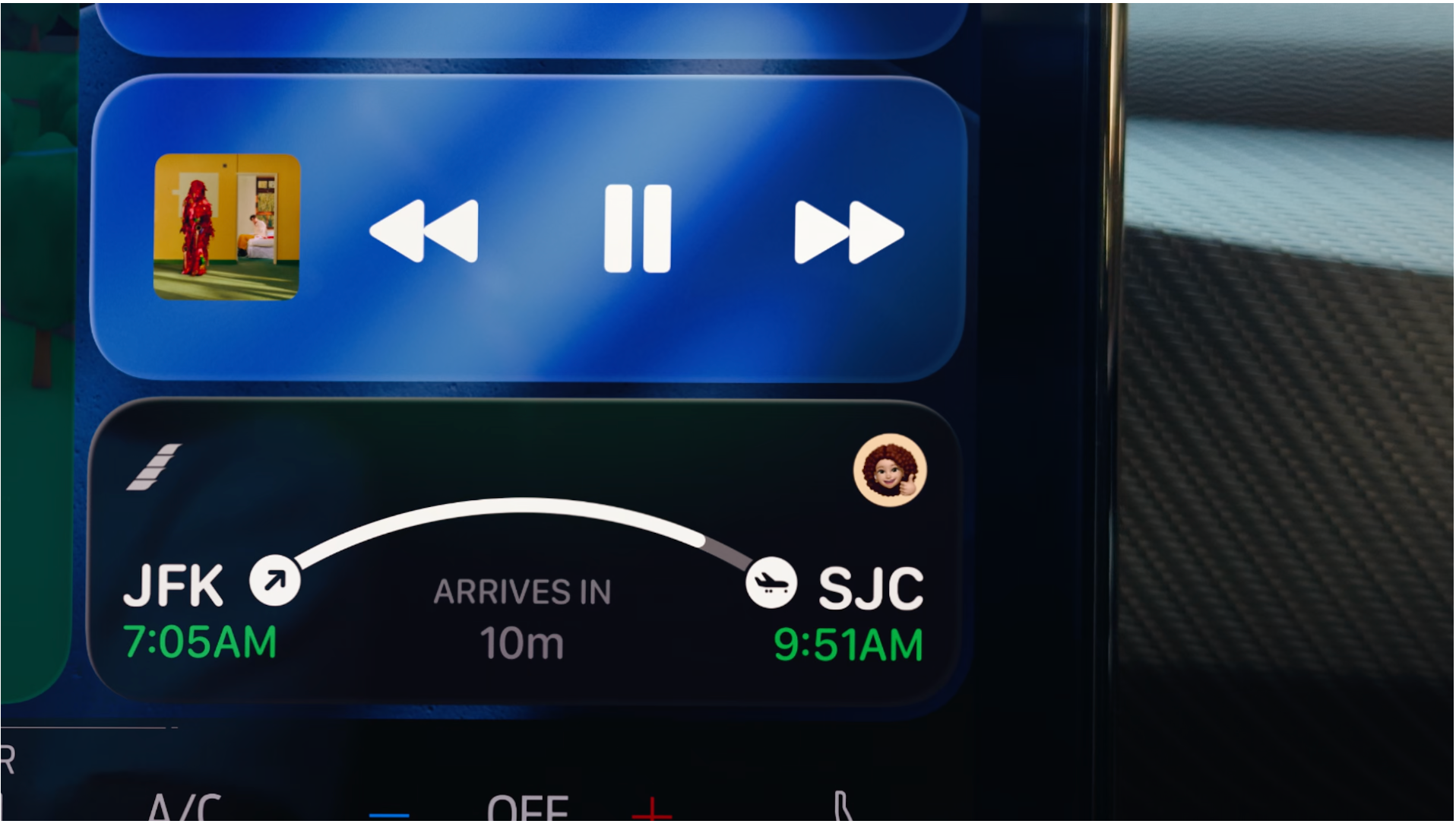
One of the central ironies of this research is the role played by the very technology designed to keep us safe. Apple CarPlay and Android Auto were engineered to minimize driver distraction by mirroring smartphone functionality onto the vehicle’s center console. By allowing for voice commands and simplifying menus, they were intended to keep eyes on the road and hands on the wheel.
However, the authors of the study argue that this "hands-free" capability creates a dangerous paradox. By making it easier to navigate through complex menus, select new albums, or adjust streaming preferences, these systems lower the threshold for multitasking. "Infotainment systems allow drivers to access phone-based features hands-free, which is supposed to be a safety benefit," the report notes. "But it also lowers the barrier to doing things other than driving."
In effect, the dashboard has become an extension of the smartphone. The cognitive load required to navigate a streaming interface—even with voice assistance—diverts mental resources from the complex, high-stakes task of piloting a two-ton vehicle at high speeds.
Official Responses and Industry Implications
The automotive and tech sectors have yet to issue a unified response to the findings, but the implications for the industry are profound. For years, the focus of "distracted driving" initiatives has been on the smartphone itself. This study suggests that the focus must shift toward the nature of the content being consumed and the ease with which it can be manipulated while the vehicle is in motion.
Safety advocates are already calling for a reevaluation of "Human-Machine Interface" (HMI) design. Suggestions include:
- Lockout Features: Implementing stricter software locks that prevent browsing or searching for new music while the vehicle is in motion.
- Cognitive Load Standards: Establishing industry-wide regulations that limit the complexity of infotainment menus to ensure they do not exceed a certain level of cognitive demand.
- Public Awareness Campaigns: Similar to "Don’t Text and Drive" campaigns, regulators may need to introduce messaging that treats "Streaming while Driving" as a high-risk activity, particularly during high-anticipation media releases.
Implications for the Future of Mobility
As vehicles become more autonomous, the argument for entertainment integration grows stronger. Manufacturers are increasingly treating the car cabin as a "third space"—a living room on wheels—where streaming, gaming, and social media interaction are expected features. However, the JAMA study serves as a stark reminder that we are still in the transition phase of automotive technology.
When a driver is listening to an album they know by heart, the music acts as background noise. But when a driver is experiencing a brand-new release, their brain is actively processing the stimulus. They are judging the production, listening for lyrics, and potentially feeling the urge to skip a track or share their opinion in real-time. This is not passive listening; it is active engagement.
Ultimately, the study underscores a fundamental truth about human biology: our brains are not wired to process high-fidelity, high-engagement media while simultaneously performing the rapid, split-second decision-making required for safe driving.
As the music industry continues to lean into the "event-based" release model, and as automakers continue to integrate more complex digital ecosystems into our dashboards, the collision of these two worlds will require more than just better software. It will require a fundamental shift in how drivers perceive their responsibility. We must recognize that even if our hands are on the wheel, our minds must be entirely on the road. The next chart-topping hit might be just a tap away, but the cost of that distraction is a price that no listener should be forced to pay.
