





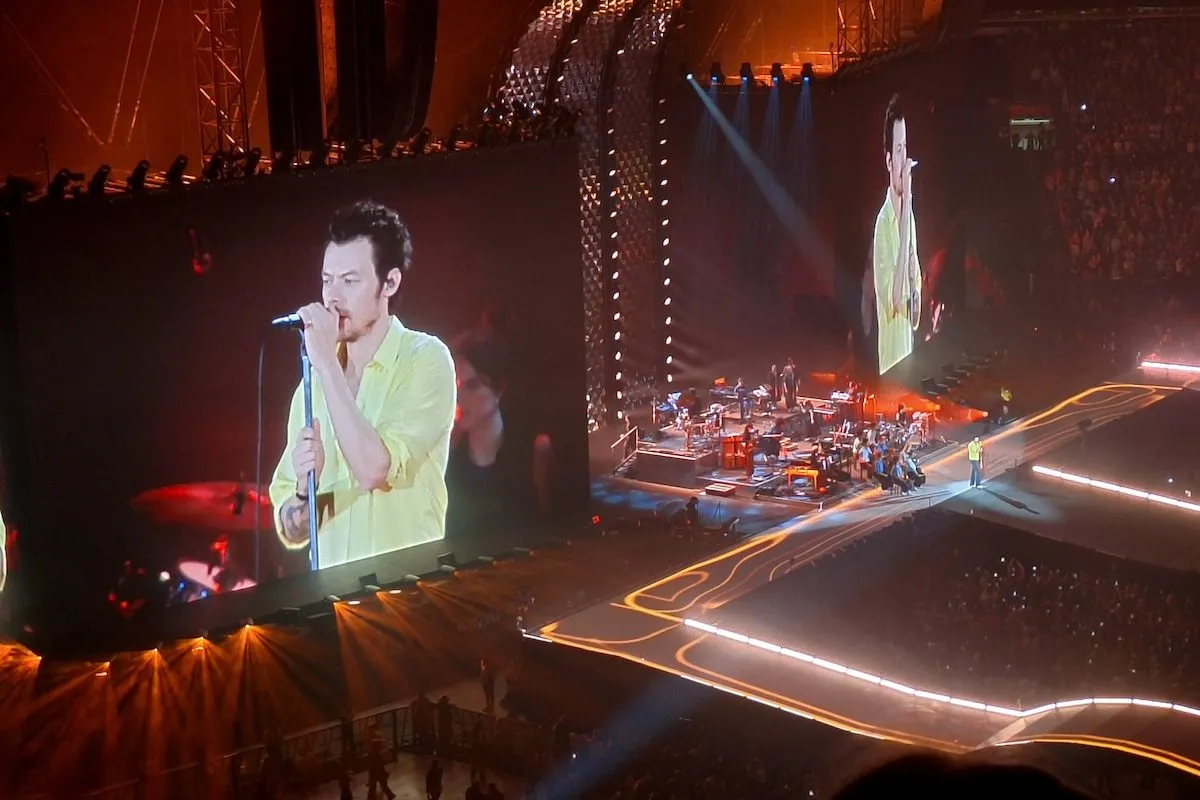
The summer of 2024 has been nothing short of a cultural whirlwind for New York City. From the electric atmosphere surrounding major sporting events to the unprecedented influx of tourists drawn by global pop phenomena, the city has solidified its status as the world’s premier destination for high-impact entertainment. As the dust settles on a season marked by historic championship runs and high-profile celebrity milestones, the focus now shifts to an ambitious new chapter: Harry Styles’ highly anticipated two-month residency at Madison Square Garden.
For the hospitality industry, the "Together, Together" tour—a 30-show run beginning August 26—represents more than just a musical event; it is a critical economic engine. Following a global trek that has seen Styles perform in cultural capitals from Amsterdam and London to São Paulo and Mexico City, his arrival in New York is expected to provide a sustained, high-yield boost to hotel and short-term rental operators throughout the city.
Main Facts: The Logistics of a Mega-Residency
The residency at Madison Square Garden (MSG) is not merely a tour stop; it is a strategic logistical undertaking. Spanning eight weeks, the 30-show schedule is designed to turn the "World’s Most Famous Arena" into a temporary home base for Styles.
Unlike traditional touring models that involve rapid travel between states, the residency format allows for a concentrated impact on the local economy. By anchoring his performances in New York City, Styles creates a "destination effect," where fans from across the tri-state area, the nation, and the globe converge on Manhattan for multiple consecutive days.
This sustained residency offers a unique advantage to the hospitality sector. While a one-night concert provides a localized spike in demand, a month-long series of performances stabilizes occupancy rates and supports elevated Average Daily Rates (ADR) for a significantly longer duration.
Chronology: A Summer of Cultural Dominance
To understand the current state of New York’s tourism landscape, one must look at the timeline of events that have paved the way for the Styles residency.
- Early Summer (June): The city saw an early surge in international visitors driven by sporting events and early-season festival attendance. Occupancy levels began to climb well above seasonal averages, setting the stage for a record-breaking summer.
- Mid-Summer (July): The momentum continued as the city hosted high-profile celebrity events. These moments of "cultural gravity" served to keep New York in the global news cycle, maintaining high visibility for potential travelers.
- Late Summer (August 26): The kick-off date for the "Together, Together" tour. This date marks the transition from the mid-summer peak to the late-summer surge, ensuring that hotel demand remains high even as the traditional vacation season begins to wind down.
- September and October: The continuation of the 30-show run. By extending into the autumn, the residency acts as a buffer against the typical post-Labor Day dip in leisure travel, keeping hotel operators busy well into the shoulder season.
Supporting Data: The Economics of Tourism
The health of New York City’s hospitality sector is currently at a post-pandemic peak. According to industry data, the city’s performance metrics are currently mirroring—and in some cases exceeding—2019 levels.
The Metrics That Matter
Didio Pequeno, CoStar’s director of hospitality market analytics, notes that the current environment is defined by robust growth. "New York’s had a very strong year anyway," Pequeno explained. "Occupancy is pretty high. ADR [Average Daily Rate] is pretty high. RevPAR [Revenue Per Available Room] is really high. So I think this could just potentially add to that."
- Occupancy Rates: Currently hovering in the high 80th percentile for premium properties in Midtown Manhattan.
- ADR Trends: Hotels within a two-mile radius of Madison Square Garden have reported a 15-20% increase in room rates for dates corresponding with Styles’ performance schedule.
- RevPAR Growth: Driven by both high occupancy and aggressive rate management, revenue per available room continues to show year-over-year growth, signaling a healthy return on investment for hotel stakeholders.
These figures are underscored by the broader economic impact of "event-led tourism." When compared to the $5 billion impact of Taylor Swift’s Eras Tour—which spanned 149 shows across 51 cities—the Styles residency functions as a high-density version of this model. While the total footprint is smaller, the concentration of the impact within a single municipality creates a magnified effect on local revenue streams.
Official Responses and Market Sentiment
The sentiment among hospitality stakeholders is one of cautious optimism tempered by the realities of a supply-constrained market. While hoteliers are undoubtedly pleased with the uptick in bookings, the challenge remains in managing the surge in demand alongside existing corporate and leisure travel.
"We aren’t just looking at concert-goers," says a spokesperson for a major Manhattan hotel group. "We are looking at the synergy between the residency and the return of business travel. When these events coincide, we see record-breaking days that were once considered impossible during the quiet months of late summer."
The municipal government has also acknowledged the role of such residencies in the city’s economic recovery. Officials have noted that the tax revenue generated from hotel occupancy taxes during these periods contributes significantly to the city’s discretionary budget, allowing for continued investment in infrastructure and public safety—factors that, in turn, make New York a more attractive destination for future high-profile tours.
Implications: The Future of "Tour-ism"
The success of the Harry Styles residency signals a shift in how major artists and cities interact. The "touring residency" model is increasingly viewed as a symbiotic relationship.
1. The Decentralization of Peak Tourism
For decades, New York City tourism was largely defined by holidays and major industry conferences. The new era of "mega-tours" suggests that cultural events are now the primary driver of travel. This decentralizes peak tourism, allowing the city to generate high revenue throughout the year rather than relying on a few marquee dates.
2. Impact on Short-Term Rentals
The residency is also expected to benefit the short-term rental (STR) market. With hotels reaching capacity, travelers are increasingly turning to platforms like Airbnb and Vrbo. This creates a ripple effect, where neighborhoods further from the arena—such as Brooklyn and Long Island City—see increased occupancy, spreading the economic benefits of the concert series beyond the immediate vicinity of Penn Station.
3. Sustainability and Infrastructure
While the economic boost is clear, the implications for the city’s infrastructure are complex. The influx of tens of thousands of additional visitors requires enhanced coordination between the MTA, the NYPD, and sanitation services. The residency serves as a "stress test" for the city’s capacity to handle mass gatherings, providing valuable data for future large-scale events, including the upcoming World Cup festivities.
4. The "Swift Effect" Benchmark
It is impossible to discuss the Styles residency without referencing the benchmark set by the Eras Tour. While the Eras Tour was a global phenomenon that forced economists to create new models for "event-based inflation," the Styles residency offers a more sustainable, replicable blueprint. It demonstrates that a city can thrive not just on one-off mega-events, but on sustained, high-quality cultural programming that keeps visitors engaged for extended periods.
Conclusion
As August 26 approaches, the anticipation in New York City is palpable. The "Together, Together" tour is set to be a cornerstone of the city’s late-summer economic performance. By effectively leveraging the drawing power of a global superstar, New York is demonstrating its enduring ability to adapt to the changing landscape of the global tourism economy.
For the hotelier in Times Square, the restaurateur near the Garden, and the small business owner in the surrounding boroughs, the next two months represent a vital opportunity to capture the momentum of a city in high gear. While the music will eventually fade, the data points collected during these 30 shows will likely influence tourism strategies for years to come, proving that in New York City, the stage is always set for the next big thing.
