




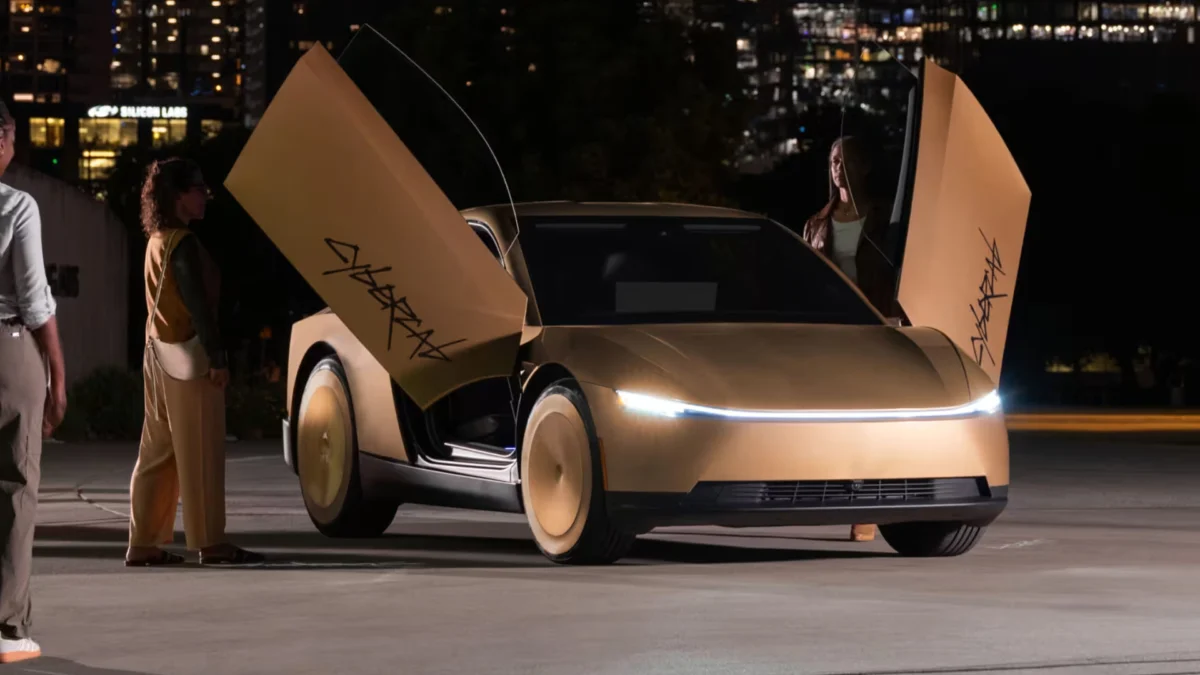
The automotive industry stands at a precipice. For over a century, the basic architecture of the automobile—an internal combustion engine or battery pack, a steering wheel, pedals, and a hydraulic braking system—has remained fundamentally consistent. Tesla’s introduction of the "Cybercab," or Robotaxi, shatters these conventions. With no steering wheel, no pedals, and a revolutionary “brake-by-wire” system that eliminates hydraulic fluid entirely, the Cybercab is less of a car and more of an autonomous transportation appliance.
However, as the vehicle makes its public debut, it faces a dual reality: it is a masterpiece of cost-effective, minimalist engineering, and a lightning rod for federal regulators concerned about the safety implications of removing the traditional "fail-safes" of the automotive world.
The Architecture of Innovation: Beyond Hydraulics
To understand why the Cybercab is causing such a stir among engineers and enthusiasts alike, one must look past its futuristic, injection-molded polyurethane exterior. The most significant technical departure is the braking system.
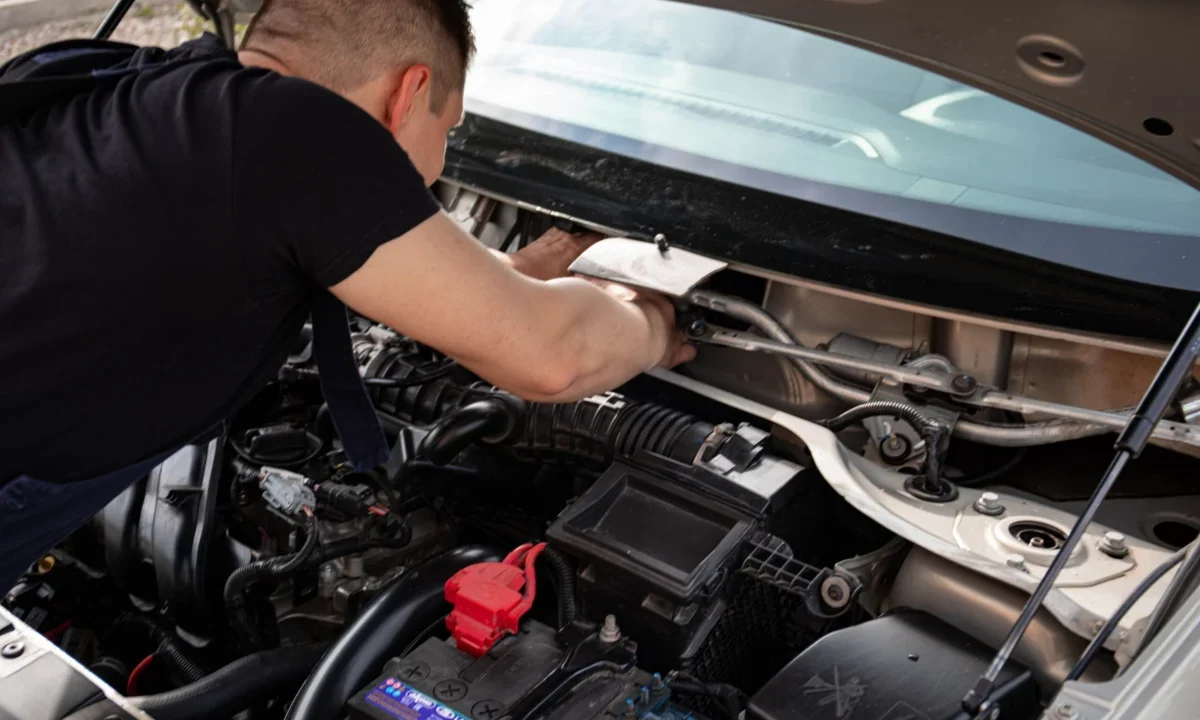
In a traditional vehicle, braking is a hydraulic process. When a driver presses the brake pedal, a master cylinder pressurizes brake fluid, which travels through steel or rubber lines to calipers at each wheel. These calipers then clamp pads onto rotors. It is a proven, mechanical, and reliable system that has been the industry standard for decades.
The Tesla Cybercab, however, employs a purely Electro-Mechanical Braking (EMB) system. There is no master cylinder, no fluid, and no hosing. Instead, each wheel is equipped with an electronically controlled actuator that exerts force directly onto the brake assembly. This transition from "electro-hydraulic" (which uses electronics to manage hydraulic pressure) to "electro-mechanical" (which removes hydraulics entirely) represents a paradigm shift.
Why EMB Matters
The advantages of an EMB system are threefold:
- Complexity Reduction: By eliminating the master cylinder, reservoir, brake lines, and fluid management, Tesla significantly lowers the vehicle’s weight and manufacturing complexity.
- Precision Control: Because each wheel is managed by its own independent actuator, the vehicle’s onboard computer can apply varying levels of force to each corner instantly. This allows for superior traction control, stability management, and seamless integration with regenerative braking systems.
- Cost Efficiency: For a mass-produced, fleet-operated vehicle, the elimination of dozens of components related to hydraulic plumbing represents a massive win for the bottom line.
While companies like Chery have experimented with EMB, Tesla’s scale suggests that this system is intended to be the new standard for the autonomous era. Industry analysts widely suspect the involvement of Brembo’s "Sensify" system, which utilizes digital intelligence to control braking force, though Tesla has yet to confirm a specific supplier.
Chronology: From Concept to Regulatory Scrutiny
The path to the Cybercab’s public unveiling has been shrouded in secrecy, punctuated by rapid-fire developments that have left both Wall Street and the National Highway Traffic Safety Administration (NHTSA) scrambling to keep pace.
- Early 2026: Leaks begin to emerge regarding Tesla’s "Project Taxi," a low-cost, purpose-built autonomous pod designed for urban environments.
- Summer 2026: Tesla begins prototype testing in select urban centers, including mysterious sightings of units in Minneapolis, sparking speculation about the vehicle’s readiness for diverse weather and road conditions.
- September 2026: The official launch event takes place. During the event, experts like Kyle Conner of Out of Spec Reviews provide a rare look at the vehicle’s internals, confirming the absence of traditional hydraulic components.
- Late September 2026: Within days of the reveal, the NHTSA announces a formal investigation. The probe is not merely looking at the software-driven autonomous capabilities, but specifically at the certification process for the vehicle’s novel hardware, including the EMB system.
- Present Day: Tesla’s stock faces volatility as the market weighs the long-term potential of a low-cost, high-margin fleet against the immediate risk of a prolonged federal "stop-work" order or a recall before the first commercial ride is ever completed.
Supporting Data: The Economics of the "Disposable" Car
The Cybercab is designed as a "transportation utility." Its construction is inherently disposable. The use of injection-molded polyurethane panels suggests a vehicle meant to be replaced or refurbished inexpensively, rather than repaired over a 15-year lifecycle.
Empirical data supports the two-seat configuration. Market research indicates that the vast majority of urban cab rides—whether via Uber, Lyft, or traditional taxi services—involve two or fewer passengers. By optimizing for this, Tesla has created a vehicle with a footprint significantly smaller than the Model 3, reducing energy consumption and increasing the number of units that can be packed into a service depot.
Furthermore, as an electric vehicle, the mechanical brakes will rarely see heavy use. In typical city driving, the vehicle’s electric motors will handle the vast majority of deceleration through regenerative braking. The EMB system is intended primarily for emergency stops and holding the vehicle at a standstill. This "light-duty" operational profile makes the move away from traditional hydraulics significantly more defensible from an engineering standpoint.
Official Responses and Regulatory Friction
The regulatory environment remains the largest hurdle for Tesla. The NHTSA’s investigation is focused on the "process and technical data" behind the certification. Essentially, the federal government wants to know: How can a car without a steering wheel or hydraulic brakes be proven safe to the same degree as a conventional automobile?
Tesla has remained characteristically opaque regarding the specifics of its internal testing. The company maintains that its data-driven approach to safety—relying on millions of miles of real-world Autopilot/FSD data—is superior to the legacy testing standards required of traditional automakers. However, regulatory bodies are not yet convinced that a shift in software-based safety can fully compensate for the loss of mechanical redundancies.
Implications: The Future of Urban Mobility
If the Cybercab succeeds, the implications for urban planning and personal transportation are profound. We are looking at a future where:
- Vehicle Ownership Declines: The low cost of a Cybercab ride could make private vehicle ownership in cities a luxury rather than a necessity.
- Infrastructure Reimagining: With autonomous fleets that don’t require human-centric features (like large windows for visibility, steering wheels, or manual climate controls), cities may see a shift in how they design parking and traffic flow.
- The "Disposable" Manufacturing Model: Other automakers may be forced to adopt Tesla’s "PowerWheels" approach to manufacturing—using fewer parts and more modular, non-metallic materials—to compete with the price point of an autonomous fleet.
However, the skepticism remains. Critics argue that Tesla is prioritizing cost-cutting over the "fail-safe" philosophy that has defined automotive safety for a century. The "freaky" sensation of riding in a vehicle with no steering wheel is not just a psychological barrier; it represents a loss of human agency that the public may not be ready to cede.
As the investigation continues, the Cybercab remains a fascinating, if polarizing, experiment. Whether it becomes the bedrock of a new, efficient urban transit network or a cautionary tale of over-ambitious engineering remains to be seen. For now, the world is watching, waiting to see if Tesla’s bet on digital, non-hydraulic, and driverless travel will pay off or end in a federal mandate to put the brakes on their grand vision.
