


Date: April 9, 2026
Time: 16:00–17:30 CEST
Location: Online (Global Webinar)
Host: Clean Energy Wire (CLEW)
Support: Journalismfund Europe
As Hungary approaches its pivotal parliamentary elections on April 12, 2026, the nation finds itself at the intersection of a complex geopolitical tug-of-war. While domestic policy typically dictates the rhythm of electoral cycles, Hungary’s energy infrastructure has evolved into a strategic chessboard where China, the United States, and Russia compete for influence. With the European Union intensifying its efforts to curb external interference, the upcoming vote is not merely a contest for national governance; it is a referendum on Hungary’s role within the European energy transition and its broader geopolitical alignment.
To equip journalists with the necessary context to navigate this high-stakes landscape, Clean Energy Wire (CLEW) is hosting an expert-led webinar on April 9. This deep-dive session aims to unpack the implications of these external pressures on Hungary’s climate policies and their ripple effects across the continent.
The Strategic Landscape: A Nation at the Crossroads
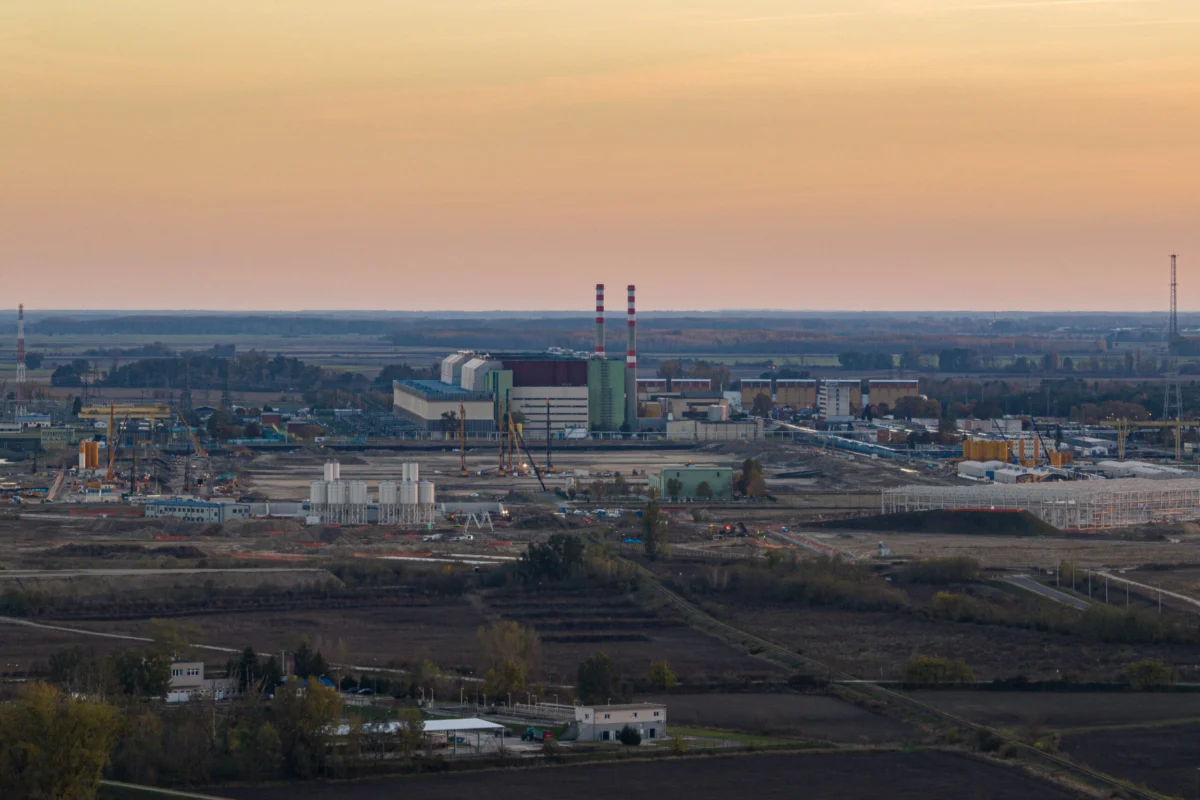
Hungary’s energy profile is distinct, characterized by a heavy reliance on imported fossil fuels and a controversial, long-term commitment to nuclear power. The Paks II nuclear project, a multibillion-euro endeavor supported by Russia’s Rosatom, serves as the primary focal point of this tension. However, the narrative is no longer confined to the East-West divide.
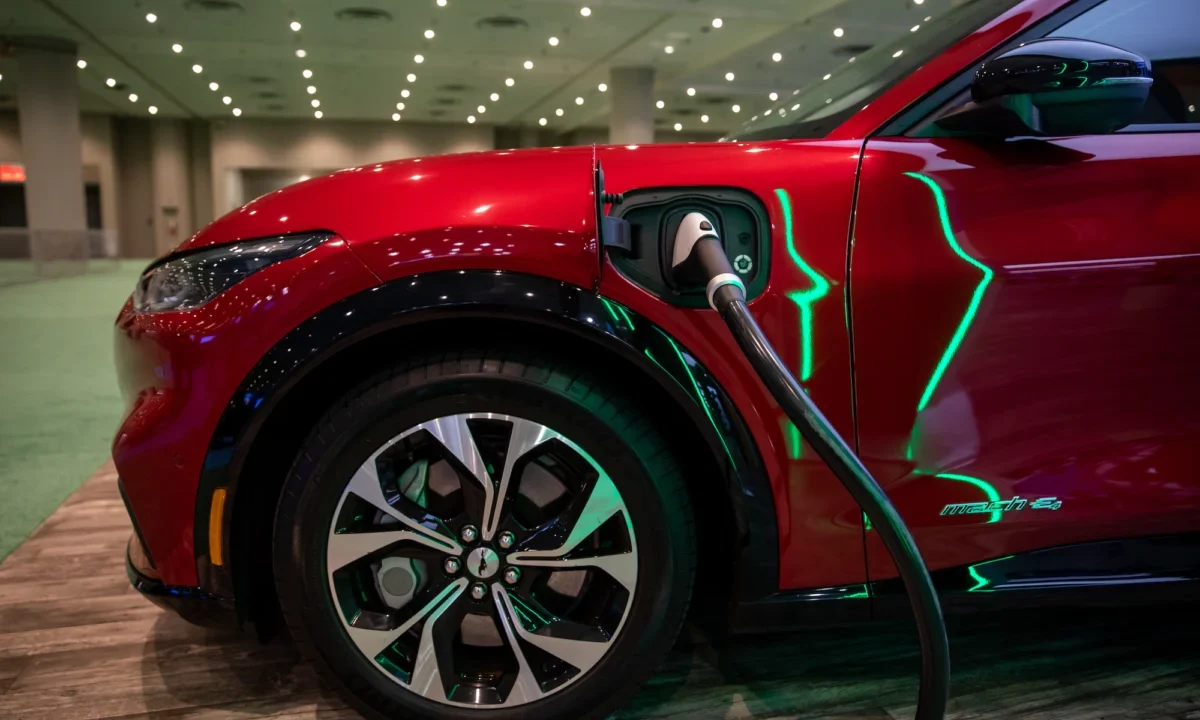
In recent years, China has emerged as a significant player, particularly in the battery manufacturing and electric vehicle (EV) supply chain sectors. These investments are framed as essential for Hungary’s economic modernization but are viewed with caution by Brussels and Washington, which fear the implications of technological and supply-chain dependency on Beijing. Meanwhile, the United States continues to exert diplomatic pressure, pushing for a diversification of energy sources that minimizes the influence of autocratic regimes.
The central question for the 2026 election is whether Hungary will continue to oscillate between these competing interests, effectively playing the powers against one another, or if the electorate will demand a decisive shift toward a more integrated, EU-aligned energy policy.
Chronology: The Evolution of Hungary’s Energy Stance
The current climate crisis, combined with the geopolitical fallout from the war in Ukraine, has accelerated the politicization of energy in Hungary.
- 2014: The Hungarian government signs the intergovernmental agreement with Russia for the expansion of the Paks nuclear power plant. This agreement marks the beginning of a long-term strategic dependence on Moscow for energy technology and fuel.
- 2019–2021: As the European Green Deal gains momentum, Hungary balances its climate targets with a staunch defense of its fossil fuel infrastructure, emphasizing energy security as a prerequisite for climate action.
- 2022–2023: The global energy crisis triggered by the invasion of Ukraine forces a re-evaluation of energy supplies. While the EU pushes for a rapid transition to renewables, Hungary maintains its commitment to Paks II, citing the need for "baseload power."
- 2024–2025: Significant Chinese investment in Hungary’s battery sector begins to reshape the nation’s industrial profile. These investments are touted as the backbone of the "green" transition but raise questions about labor standards, environmental impact, and external influence.
- April 2026: Parliamentary elections. The culmination of a multi-year effort by the EU to standardize energy policy and reduce the influence of non-democratic actors in critical infrastructure.
Supporting Data: The Infrastructure of Dependency
To understand the stakes of the 2026 election, one must examine the raw data of Hungary’s energy dependency.
Nuclear Power (Paks II)
The Paks II nuclear plant is slated to provide a significant portion of Hungary’s electricity. Its dependence on Russian technology and fuel creates a long-term strategic lock-in. According to industry experts, the construction delays and financing hurdles associated with the project have made it a lightning rod for criticism regarding cost-efficiency and sovereign risk.
Chinese Investment in EVs
Hungary has aggressively courted Chinese manufacturers to become a global hub for electric vehicle battery production. While these investments provide significant employment, they link the Hungarian economy—and by extension, the European automotive market—to Chinese raw material supply chains. Critics argue this leaves the country vulnerable to geopolitical leverage from Beijing.
EU Climate Alignment
Hungary’s progress toward the 2030 climate targets remains uneven. While renewable energy capacity (particularly solar) has seen record growth, the reliance on coal and natural gas, coupled with the slow rollout of grid modernization, creates a bottleneck that limits the impact of green initiatives.
Official Responses and Perspectives
The Government Position
The Hungarian government maintains that its energy policy is governed by the principles of "pragmatism" and "sovereignty." Officials argue that the objective is to secure the most affordable and reliable energy for Hungarian households and industries. They contend that the EU’s push for total energy independence is an ideological project that ignores the practical realities of Central European geography and history.
The European Union’s Stance
Brussels has been increasingly vocal regarding the "de-risking" of critical infrastructure. EU policymakers emphasize that energy security is collective security. Concerns have been raised regarding the transparency of contracts with non-EU entities and the potential for these agreements to undermine the bloc’s unified stance on sanctions and environmental regulation.
International Stakeholders
- Russia: Views its involvement in Paks II as a stable, long-term partnership that guarantees Hungary’s industrial viability.
- China: Frames its investments as a "win-win" scenario, providing Hungary with the infrastructure needed to lead in the green transition while strengthening bilateral trade ties.
- The United States: Encourages Hungary to seek diverse energy partners, emphasizing the security risks inherent in relying on single-source, state-controlled entities for critical infrastructure.
Implications for the Future of Europe
The outcome of the April 12 election will send a clear signal to both Brussels and the world. If the current trajectory persists, the EU may face further internal friction regarding the implementation of the Green Deal and the management of critical supply chains. Conversely, a pivot in policy could signal a realignment that emphasizes closer integration with European energy networks, such as the proposed regional interconnections that would reduce reliance on individual, external suppliers.
Furthermore, the election will test the effectiveness of the EU’s "external interference" policies. Can a member state truly maintain a "multi-vector" energy policy in an era of heightened geopolitical polarization? Or will the demands of the energy transition force Hungary to choose between its diverse set of external partners and the cohesion of the European Union?
Preparing for the Coverage
For journalists covering the 2026 election, the task is twofold: deciphering the complex web of financial and technological agreements that underpin the energy sector, and accurately communicating the trade-offs between national sovereignty, economic growth, and regional security.
As we approach the ballot box, the role of independent, evidence-based journalism is more critical than ever. The upcoming CLEW webinar is designed to provide the historical context, the technical details, and the analytical frameworks needed to report on this unfolding story with depth and clarity.
Join the Discussion: CLEW Webinar Details
The complexity of Hungary’s energy landscape demands a nuanced approach. The Clean Energy Wire webinar on 9 April 2026 will feature:
- Expert Panelists: Leading analysts from the fields of energy security, European politics, and climate finance.
- Deep-Dive Q&A: A dedicated segment to address the specific queries of journalists, focusing on the intersection of infrastructure projects and election-year politics.
- Resource Access: Participants will receive access to curated fact sheets and data sets designed to support investigative reporting on the election.
Registration: Journalists interested in attending are encouraged to register via the official CLEW portal. By fostering a deeper understanding of the forces at play, this webinar aims to empower the media to hold power to account and inform the public on the issues that will define Hungary’s future.
This webinar is proudly supported by Journalismfund Europe, an organization dedicated to fostering high-quality, independent journalism across the continent.
