


The Formula 1 paddock is a theater of precision, engineering, and intense professional decorum. Yet, in recent years, the sport has aggressively leaned into the spectacle of the "entertainment era," seeking to bridge the gap between high-octane engineering and mainstream pop culture. Nowhere is this more visible—or more divisive—than the "Lego Drivers’ Parade."
As the Formula 1 circus descended upon the British Grand Prix, the conversation shifted from aerodynamics and tire degradation to the sight of the world’s fastest drivers climbing into oversized, brick-built go-karts. While the activation serves as a high-profile marketing collaboration, it has reignited a simmering debate about the identity of the sport: is Formula 1 a serious, elite athletic endeavor, or is it a traveling circus that occasionally loses its way?
The Anatomy of the Spectacle: Main Facts
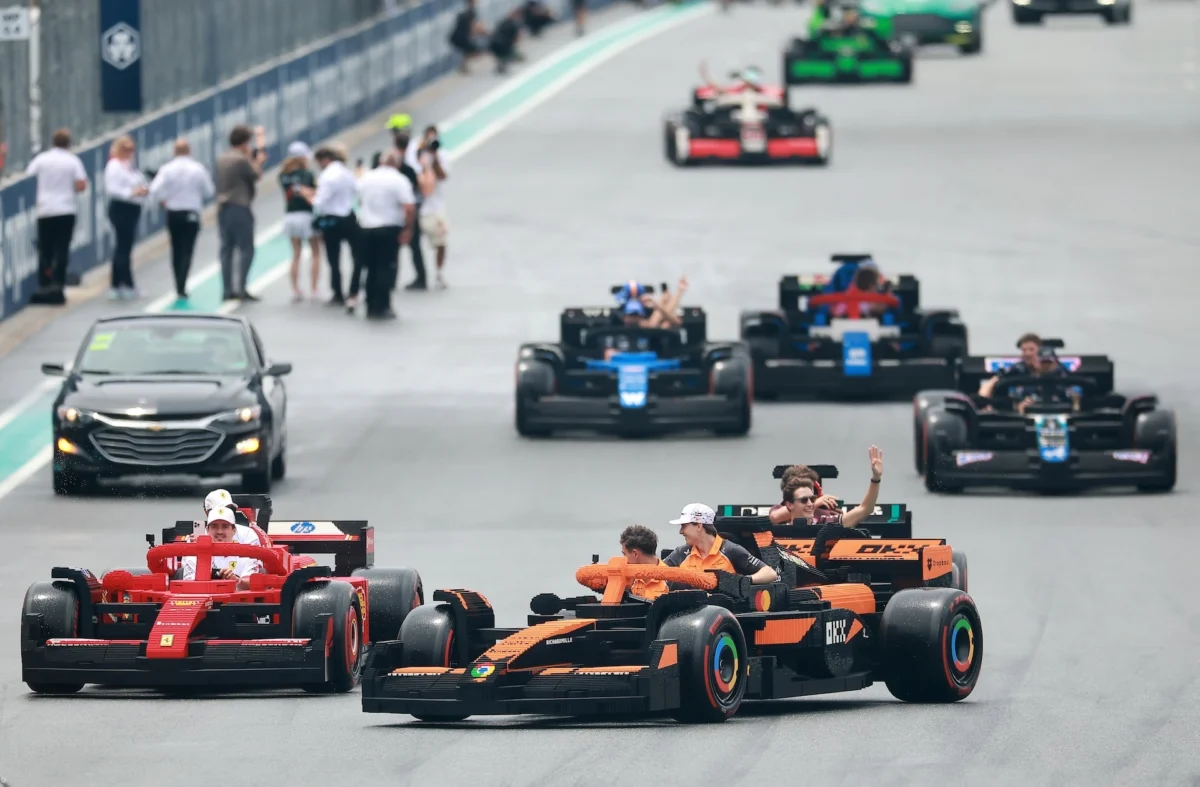
The Lego Drivers’ Parade, a collaboration between Formula 1 and the Danish toy giant, debuted to widespread fan intrigue at last year’s Miami Grand Prix. The concept is straightforward: replace the traditional, somewhat staid flatbed truck parade with a fleet of custom-built, Lego-clad vehicles that the drivers operate themselves.
The vehicles are impressive feats of engineering in their own right, constructed from approximately 28,000 bricks each. However, the reality of 20 elite athletes in custom-built, limited-performance plastic machines navigating a track surface often leads to chaos. Last year in Miami, the "parade" devolved into a series of unintentional bumper-car collisions, leaving the track littered with stray Lego bricks—a nightmare for any circuit safety official.
For the British Grand Prix, the organizers have attempted an upgrade. The "2.0" version of these vehicles features a more robust chassis and, crucially, a wrap-around bumper system akin to a rental kart. This was a direct response to the structural failures observed during the Miami event, where the aggressive maneuvering of drivers like Max Verstappen turned a leisurely lap into a demolition derby.
Chronology: From Miami Mayhem to British Skepticism
The journey of the Lego parade has been brief but contentious.
- May 2025 (Miami): The inaugural Lego parade takes place. Drivers, initially hesitant, quickly lean into the absurdity, resulting in several collisions that dismantle the vehicles. The visual of professional drivers scattering plastic bricks across a world-class circuit goes viral, cementing the event as a social media hit.
- The Interim Period: Behind the scenes, F1 management views the engagement metrics as a massive success. Lego, looking to maintain its grip on the adult-collector and automotive enthusiast market, presses for a repeat performance.
- July 2026 (British Grand Prix): Ahead of the race at Silverstone, the announcement of a second parade triggers a starkly divided reaction within the paddock. While marketing departments celebrate the brand synergy, the drivers themselves—led by four-time champion Max Verstappen—begin to vocalize their discomfort with the optics of the event.
Supporting Data: The Mechanics of the Parade
The technical specs of these "parade cars" are limited. They are designed for low-speed visual engagement, boasting a top speed of roughly 15.5 mph. This speed cap is intentional; it allows fans in the grandstands to actually see the faces of their heroes.
However, the change in format for this year’s British Grand Prix is significant. Previously, teams shared vehicles. This year, each driver has been issued an individual car. The logic provided by organizers is that this will reduce the overcrowding that led to the "ramming" incidents in Miami. Yet, for veteran observers of the sport, the change feels less like a safety upgrade and more like a tactical shift to encourage a higher "intensity" of driving, which further grates on those who believe the sport’s dignity is being compromised.
Official Responses: The Paddock Divide
The response to the event has highlighted a generational and philosophical divide within the grid.
The Critic: Max Verstappen
Max Verstappen has emerged as the unofficial spokesperson for the "traditionalist" camp. His comments during the British Grand Prix media sessions were unvarnished. "At the end of the day, we are Formula 1 drivers," Verstappen stated. "I think we should not look like kids and clowns trying to ram into each other. I don’t think that is what Formula 1 needs, but it is what it is."
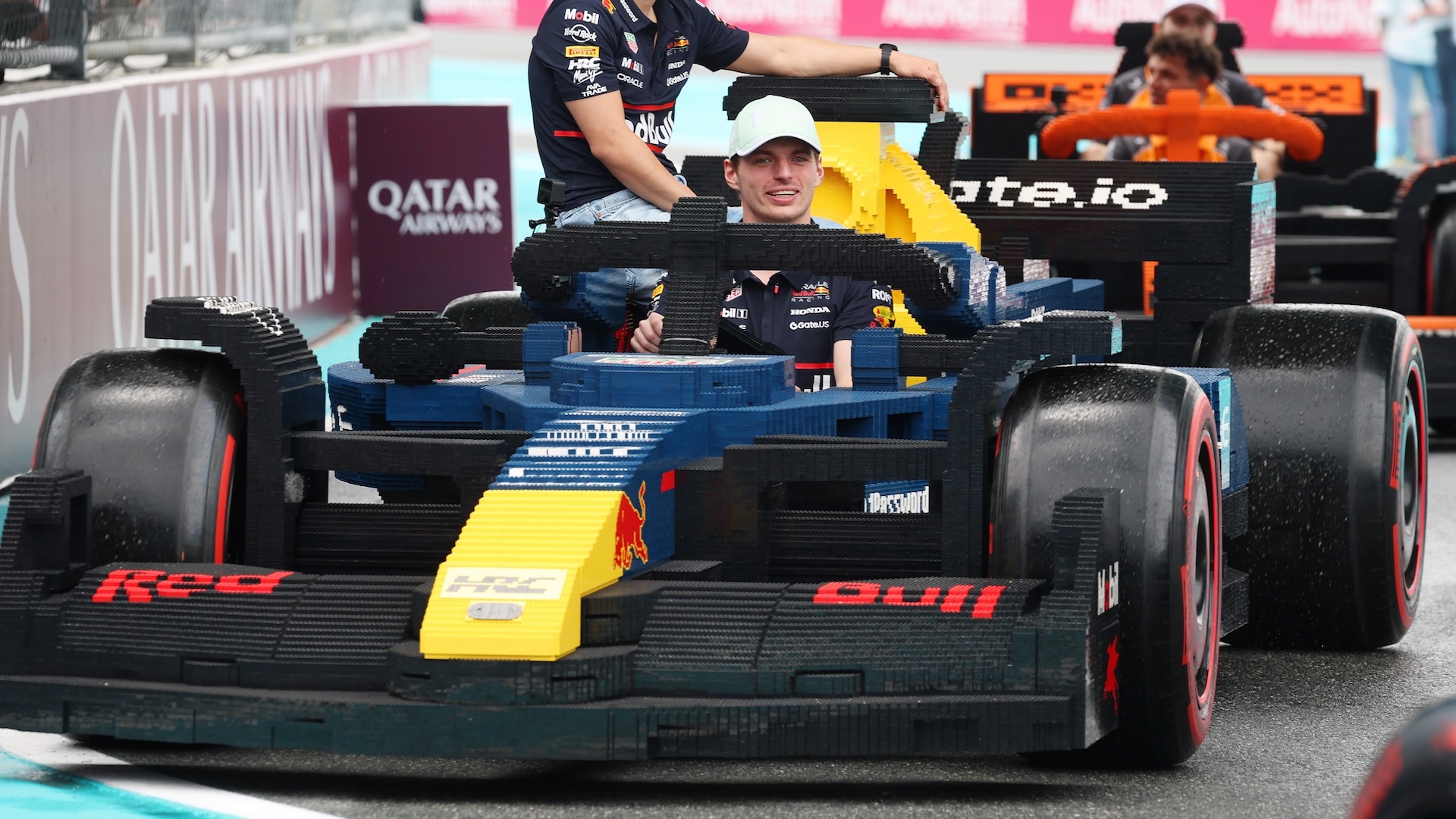
Verstappen’s frustration is rooted in the perception of professionalism. He advocates for the traditional flatbed truck parade, where drivers stand together, wave to fans, and maintain a sense of gravitas. "I prefer to play with Lego at home, you know, with the kids," he added. "Not on a go-kart here, to be honest. I prefer to stand on a truck, just with everyone together. I think that’s more fun and I think it also looks more professional."
The Enthusiast: Lando Norris
On the other side of the fence, McLaren’s Lando Norris has embraced the spectacle. Norris, known for his playful persona and high engagement with younger audiences, sees the parade as a necessary evolution of fan interaction.
"I’m pretty excited for it, actually!" Norris told reporters during the FIA press conference. "If it’s like Miami, then I think whoever can make it back to the start line will be a winner already. I think it’s a cool thing to do. It’s different." Norris argued that the format allows for more organic interaction between the drivers and the crowd. "Obviously you’re all together and you can have a little chitchat… it’s nice to do something different every now and then."
The Silent Observers
Lewis Hamilton, while not as vocal as Verstappen, has reportedly expressed his lack of enthusiasm for the parade. His silence is telling; as one of the sport’s most influential figures, his lack of endorsement speaks to a broader discomfort among the senior members of the grid regarding the "Disney-fication" of the pre-race ceremonies.
Implications: The Soul of the Sport
The Lego parade controversy is a microcosm of the "Netflix Effect" in Formula 1. Since the success of Drive to Survive, the sport has prioritized accessibility, personality, and viral moments. The goal is to capture the attention of a demographic that may not care about downforce coefficients or MGU-H recovery rates, but does care about seeing a world champion struggle to navigate a toy car.
Brand vs. Sport
The partnership with Lego is, from a business perspective, a masterclass in brand alignment. It positions F1 as a fun, approachable, and family-friendly entity. However, the risk of "brand dilution" is real. When the world’s most elite athletes are placed in a position where they are mocked or forced to perform antics that border on the juvenile, the "prestige" of the F1 badge potentially loses its luster.
The Safety Argument
Beyond the optics, there is the lingering question of risk. While 15.5 mph is not fast, the nature of these vehicles—which shed plastic parts upon impact—creates a debris hazard on a live track. If a driver were to be injured or if a piece of a "Lego" vehicle were to get lodged under the tire of a real F1 car during the subsequent race, the backlash would be immediate and severe.
The Future of Fan Engagement
The FIA and Liberty Media now face a decision: do they double down on the entertainment-first approach, or do they heed the warnings of their star drivers? If the drivers continue to view these events as a chore or an embarrassment, the authenticity that has made F1’s recent growth so explosive will eventually wane.
Fans want to see the human side of the drivers, but they also want to respect them as the masters of the most dangerous, complex, and elite machines on the planet. Balancing the "clown" persona with the "gladiator" reality is a tightrope walk. For now, the Lego parade remains a fixture of the calendar, a testament to the sport’s desire to be everything to everyone—even if, as Max Verstappen suggests, it occasionally loses sight of what it truly is.
