




If you purchase a vehicle, you expect to own it—lock, stock, and barrel. Yet, in the modern automotive landscape, that fundamental concept of ownership is under siege. Today, a car is less of a mechanical machine and more of a rolling computer, a "secret scroll" of proprietary software and encrypted telemetry that only authorized dealerships can decipher.
The "Right to Repair" movement is no longer just a hobbyist’s crusade for the right to tinker with a vintage truck in a driveway. It has evolved into a high-stakes legislative battle that affects every American driver. At its core, the issue is simple: Should you have the freedom to choose who repairs your car, or are you bound to the manufacturer’s service bay by digital shackles?
The Main Facts: Why the Clock is Ticking
As of mid-2026, the legislative tug-of-war has reached a critical juncture. The House Energy and Commerce Committee has moved to fold limited right-to-repair language into the massive Motor Vehicle Modernization Act of 2026 (H.R. 7389). While this sounds like a victory for consumers, industry analysts and advocacy groups warn that the current version of the bill is largely symbolic, failing to address the primary weapon used by automakers to stifle competition: wireless telematics.
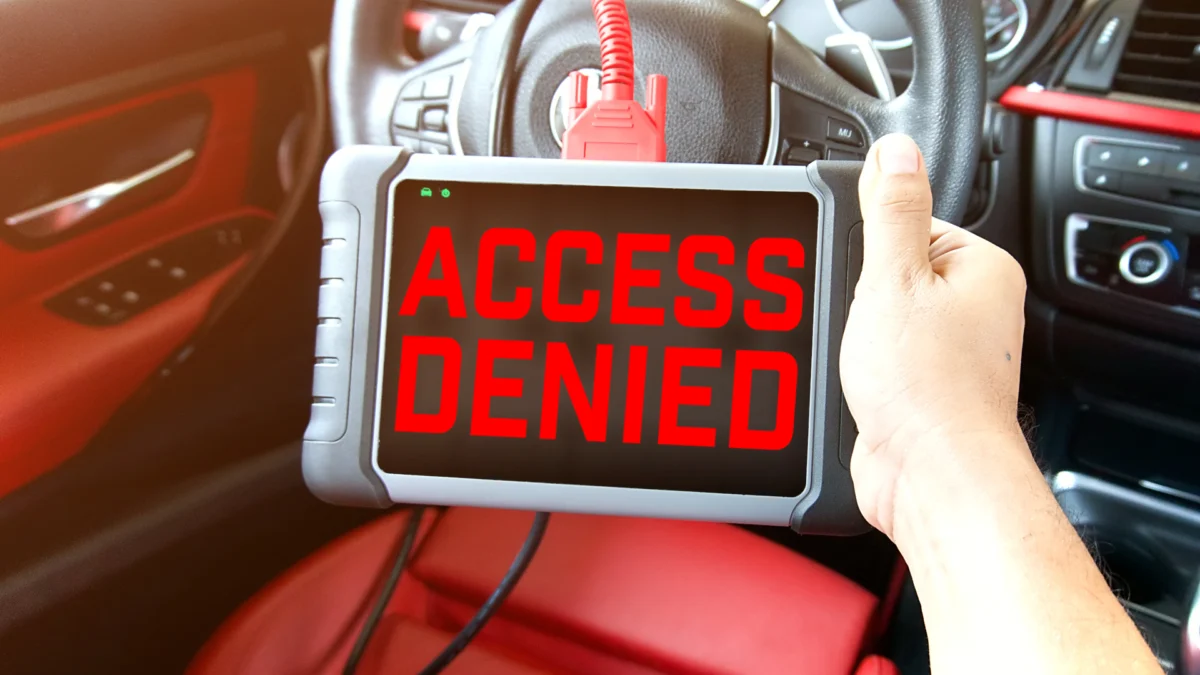
Modern vehicles are constantly transmitting data—from tire pressure and battery health to complex ADAS (Advanced Driver Assistance Systems) calibration logs. By walling off this data, manufacturers can ensure that only their proprietary diagnostic tools can perform even the most routine tasks. If this practice continues unchecked, the independent repair shop—the backbone of affordable automotive service—could be rendered obsolete.
A Chronology of the Conflict
To understand why this fight feels so urgent in 2026, we must look at the timeline of the industry’s broken promises.
- 2012: The Massachusetts Automotive Right to Repair Act serves as the first major legislative salvo, forcing manufacturers to provide independent shops with the same diagnostic access as dealerships.
- 2014: Seeking to avoid a patchwork of state-level regulations, a coalition of automakers signed a voluntary Memorandum of Understanding (MOU). This "pinkie-promise" agreement effectively committed manufacturers to share diagnostic information nationwide. In exchange, the aftermarket industry agreed to halt its push for federal legislation.
- 2015–2024: The "connected car" era arrives. As vehicles become rolling data centers, the 2014 MOU becomes outdated. Automakers discover that they can bypass the agreement by simply moving repair-critical data to proprietary, encrypted cloud servers that independent mechanics cannot access.
- 2025: The REPAIR Act (H.R. 1566) is introduced, aiming to modernize the law for the digital age, but it remains stalled in committee.
- May 2026: The House Energy and Commerce Committee strips the core telematics provisions from the REPAIR Act, merging a weakened version into the broader Motor Vehicle Modernization Act.
- June 2026: President Trump issues a memorandum titled "Lowering the Cost of Living by Promoting the Freedom to Fix," which focuses on emissions-related parts but notably sidesteps the software and data access issues that define the modern struggle.
Supporting Data: The Economics of the Monopoly
The opposition to the Right to Repair movement is rooted in the pursuit of recurring revenue. Dealerships operate on slim margins for new car sales, but their service departments are profit powerhouses. By controlling the diagnostic software, an OEM (Original Equipment Manufacturer) can effectively mandate a "service subscription" or ensure that a simple sensor replacement requires a visit to the dealer for "proprietary calibration."
According to the Auto Care Association, independent repair shops handle roughly 70% of vehicle maintenance in the United States. If these shops are denied access to the digital "keys" required to calibrate modern safety systems—such as lane-keep assist cameras or radar sensors—the cost of vehicle ownership will skyrocket. The average cost of a repair visit at a dealership is significantly higher than at an independent shop, and for millions of Americans, this price gap is the difference between keeping a vehicle on the road and being forced to take on new, high-interest debt for a replacement.
Official Responses and Political Posturing
The political landscape surrounding this issue is complex. While the Trump administration has framed its recent memorandum as a win for "the freedom to fix," the reality is far more nuanced. By focusing on aftermarket parts—a sector that is already relatively open—the administration has essentially addressed the "easy" side of the argument while ignoring the "hard" side: the software gatekeeping.
Rep. Neal Dunn (R-FL), the sponsor of the original REPAIR Act, has been vocal about his dissatisfaction with the current trajectory. In a surprising turn, he has openly criticized the committee-approved version of the bill, stating it fails to capture the original intent. This highlights a deep rift in the legislative branch: while members are eager to pass a "highway bill" before the September 30, 2026, deadline, many are hesitant to take a hard stance against the powerful lobbying efforts of the Alliance for Automotive Innovation.
On the other side of the aisle, the CAR Coalition and SEMA (Specialty Equipment Market Association) continue to lobby for the inclusion of "telematics access." They argue that the vehicle is the user’s property, and therefore, the data generated by that vehicle should belong to the user, not the manufacturer.
The Implications: What Does This Mean for You?
If the Motor Vehicle Modernization Act passes in its current, toothless form, the implications for the American consumer are significant:
- The Death of the Independent Shop: Small, family-owned repair shops will find it increasingly difficult to compete when they are forced to tell customers, "I can’t fix your car because the manufacturer won’t let me talk to its computer."
- The Rise of Subscription Repairs: We are already seeing the early stages of feature-gating, where car companies lock functions behind software paywalls. If they control the diagnostic data, they can effectively force owners into paying monthly fees just to unlock the ability to service their own vehicles.
- Safety and Reliability Risks: The argument that "safety" requires keeping data secret is a red herring. Independent shops have been performing complex mechanical work safely for decades. Restricting access to diagnostic software doesn’t make cars safer; it makes them more expensive to maintain and encourages owners to ignore "Check Engine" lights or warning messages because they fear the high cost of a dealer visit.
The Path Forward: A Call to Action
The window for meaningful change is closing rapidly. With the September 30 deadline for the surface transportation reauthorization looming, Congress is under pressure to move quickly. If the right-to-repair language is finalized as it stands, it will likely be another decade before lawmakers have the appetite to revisit the issue.
For the average car owner, the takeaway is clear: this is not about the "right to tinker." It is about the right to own your property. When you pay tens of thousands of dollars for a vehicle, you are buying a product, not a service lease. If you want to retain the ability to choose your own mechanic and keep your vehicle costs down, the time to contact your congressional representatives is now.
The battle over who gets to "read your car’s mind" is the defining consumer rights issue of the decade. Automakers are banking on the complexity of technology to hide their anti-competitive behavior. If we allow them to succeed, the days of the neighborhood mechanic will be nothing more than a memory, and the "freedom to fix" will become a luxury of the past.
Got a tip? Send us a note at [email protected].
