





For years, the plug-in hybrid electric vehicle (PHEV) has occupied a contentious middle ground in the automotive hierarchy. Critics have long dismissed the segment as a compromise—a "worst of both worlds" scenario where drivers lug around heavy, depleted battery packs once the initial charge is exhausted, ultimately hindering fuel economy rather than improving it. However, as infrastructure challenges persist and range anxiety remains a hurdle for many, the PHEV is experiencing a quiet, high-tech renaissance.
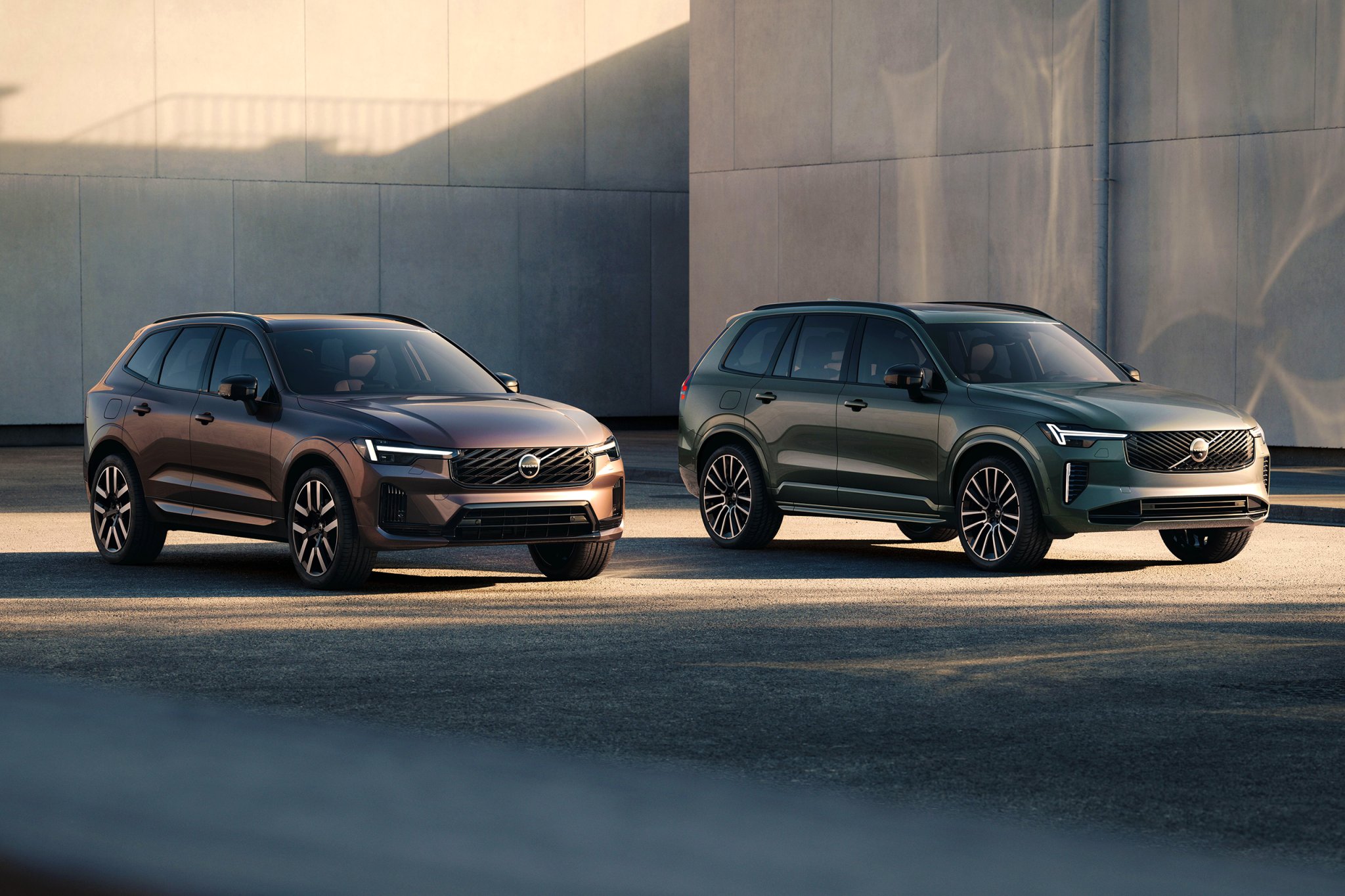
Leading this charge is Volvo, which has just unveiled significant updates to its flagship SUV duo: the 2028 XC60 and XC90. By drastically increasing battery capacity, Volvo is moving the goalposts for what a part-time electric vehicle can achieve, offering a practical, daily-driving solution that bridges the gap between internal combustion and full battery-electric vehicle (BEV) ownership.
Main Facts: The New Standard for PHEV Range
The defining characteristic of the 2028 Volvo lineup is a massive leap in all-electric capability. The refreshed XC60 now boasts an impressive 78 miles of range on a single charge, while its larger sibling, the XC90, achieves 73 miles.
These figures are not merely incremental; they represent a doubling of the previous models’ capabilities, which typically capped out between 32 and 35 miles. With these updates, Volvo has effectively eclipsed the current class leader in the United States, the Mercedes-Benz GLC, which offers a commendable—but now second-tier—54 miles of electric-only operation.
This performance surge is powered by a significant hardware overhaul. Both SUVs now utilize a battery pack rated at 38 kWh of usable energy, a substantial increase from the 15 kWh units found in the outgoing models. Despite the increased energy density, the powertrain remains a powerhouse, maintaining a total system output of 455 horsepower. This ensures that while the vehicles are now significantly greener, they lose none of the dynamic, punchy acceleration that Volvo’s "Recharge" T8 models are known for.
Chronology: A Decade of Iteration
To understand the magnitude of this update, one must look at the trajectory of Volvo’s electrification strategy over the last decade.
- 2020–2022: Volvo began its serious push into hybridization, with many of its early PHEVs offering a modest 20–30 miles of electric range. During this period, the industry was still grappling with the "early adopter" phase of BEVs, where models like the Mini Cooper SE were being praised for achieving roughly 100 miles of total range.
- 2025–2026: As market demand for electrification grew, Volvo initiated a series of "mid-cycle" refreshes. The XC90 received a notable design and tech overhaul in 2026 to keep it competitive against a flood of new luxury entrants.
- 2027–2028: The current announcement marks the culmination of this development cycle. By integrating the 38 kWh battery technology, Volvo has moved from being a "hybrid-first" manufacturer to one that effectively offers an "EV-lite" experience for the majority of the average consumer’s daily commutes.
The 2028 models are slated to hit dealership floors early next year, signaling that the company is prioritizing these long-range PHEVs as a primary bridge to a fully electrified future.
Supporting Data: The Efficiency Shift
The data behind the shift is compelling. With an all-electric range exceeding 70 miles, these vehicles cater to the statistical reality of most daily commutes. According to various transit studies, the average American driver covers fewer than 40 miles per day. By providing 70+ miles of range, Volvo is ensuring that for the vast majority of owners who have access to home charging, the gasoline engine will rarely need to activate during standard weekday operations.
Furthermore, the integration of this battery tech comes at a time when the broader automotive market is shifting. Recent consumer sentiment analysis indicates that over 56% of drivers are actively interested in EVs, driven largely by volatile fuel prices and a desire to mitigate the costs associated with geopolitical instability in oil-producing regions.
The "dead weight" argument—the primary critique of older PHEVs—is also being addressed through improved energy management software. By pairing these larger batteries with more efficient power electronics, Volvo is ensuring that even when the engine does kick in, the vehicle operates with optimized fuel consumption, maintaining the brand’s reputation for efficiency and safety.
Design and Refinement: Subtle Evolutions
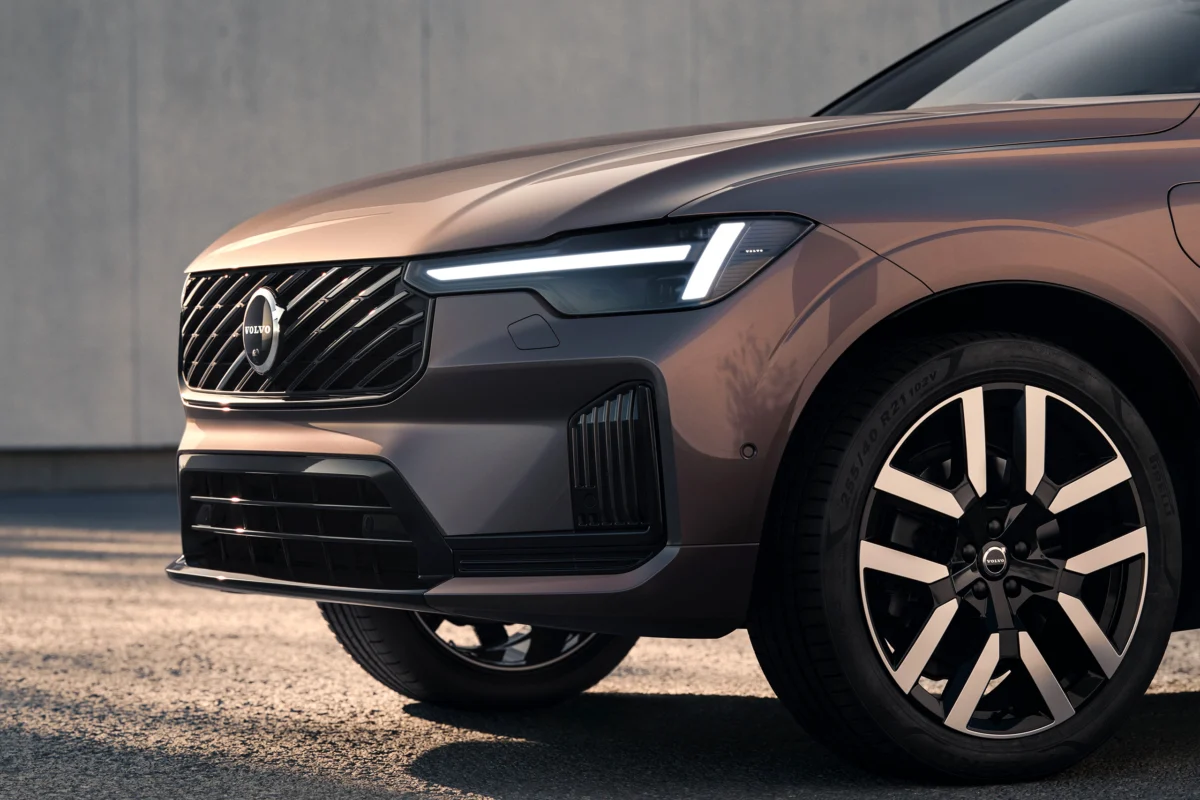
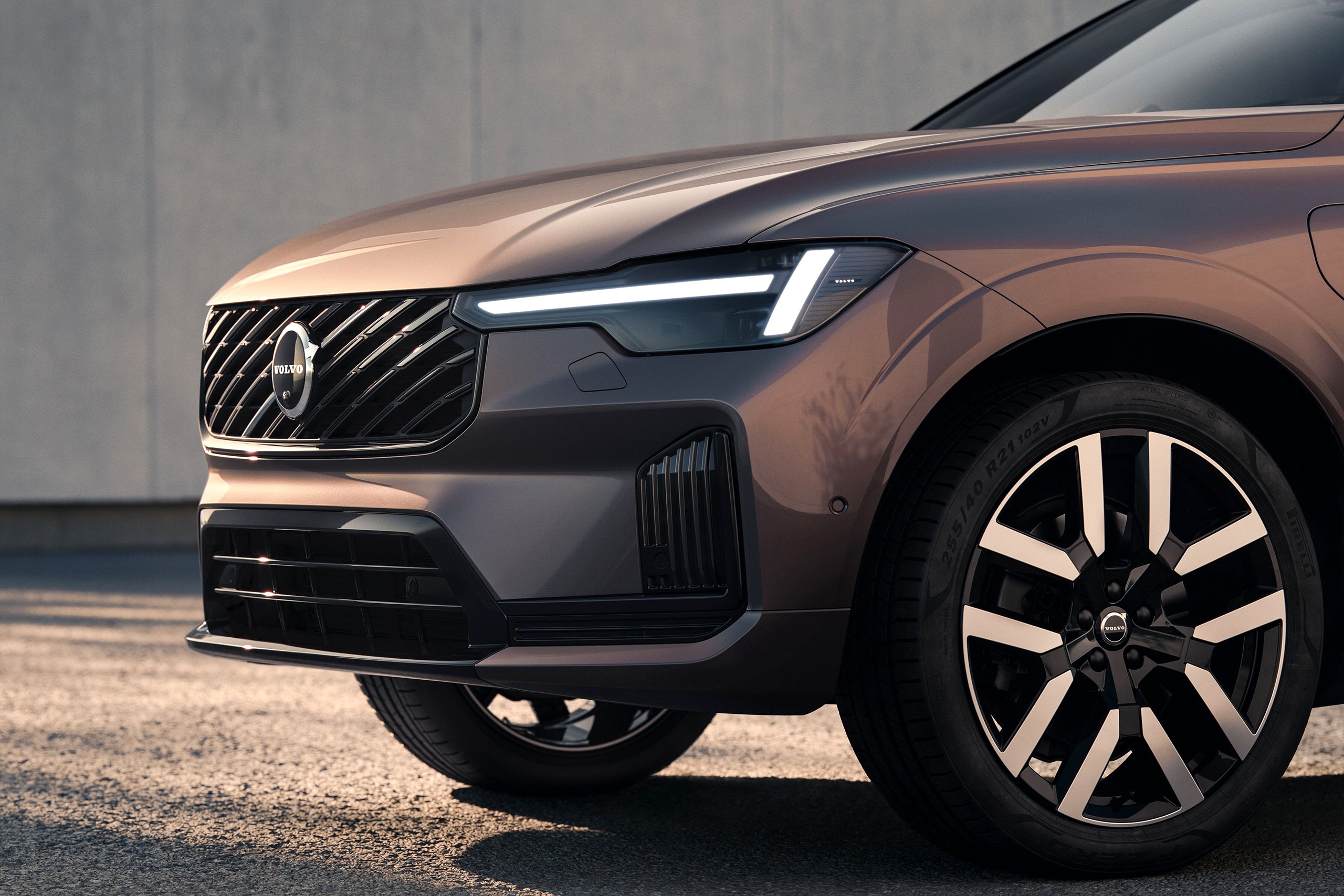
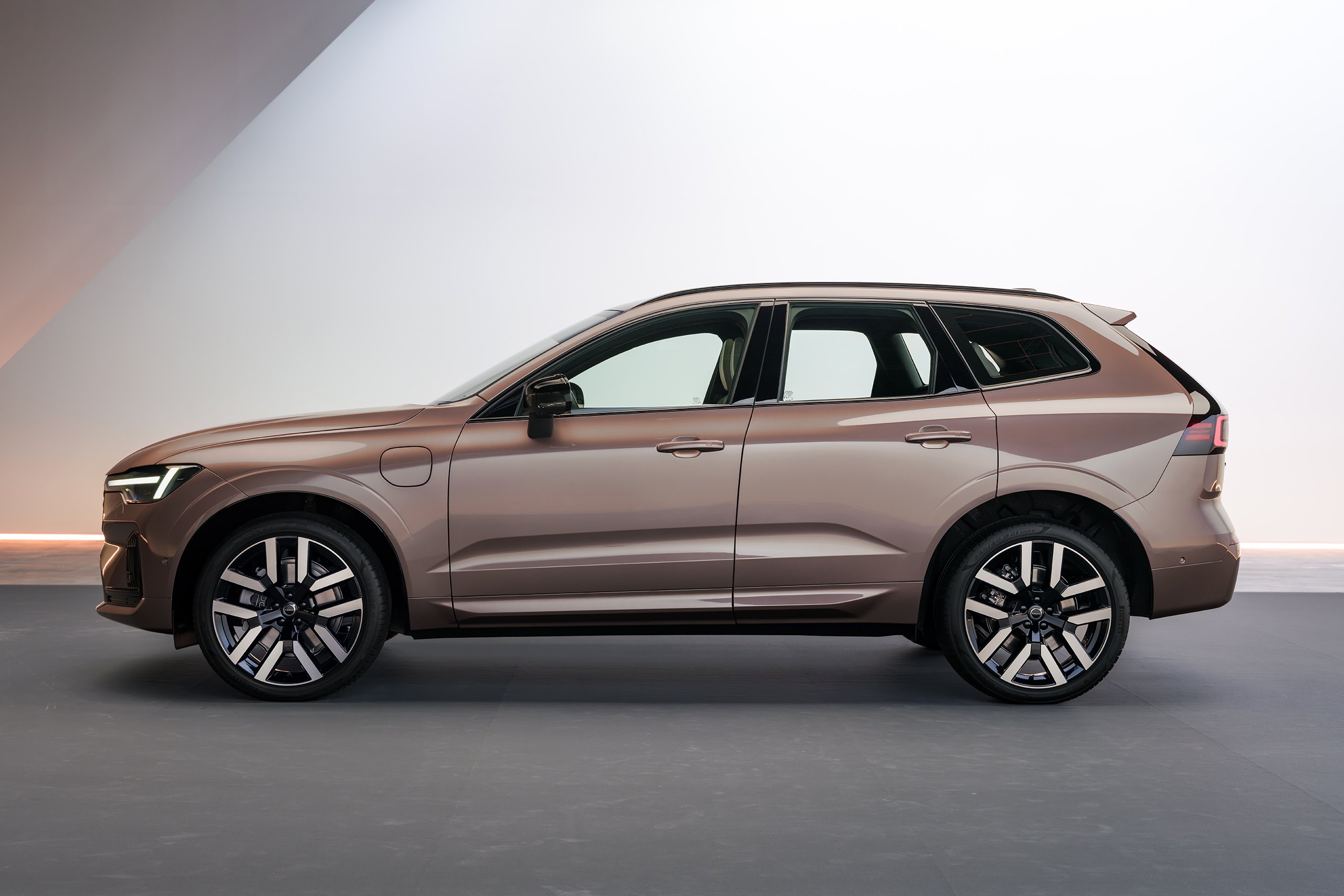
While the powertrain is the headline, the exterior and interior have undergone a thoughtful, if subtle, evolution. The 2028 XC60 features a completely resculpted front fascia. Everything forward of the A-pillar—including the bumper, hood, headlights, and wings—has been redesigned. The result is a sharper, more modern aesthetic that aligns with Volvo’s newer "pure" design language.
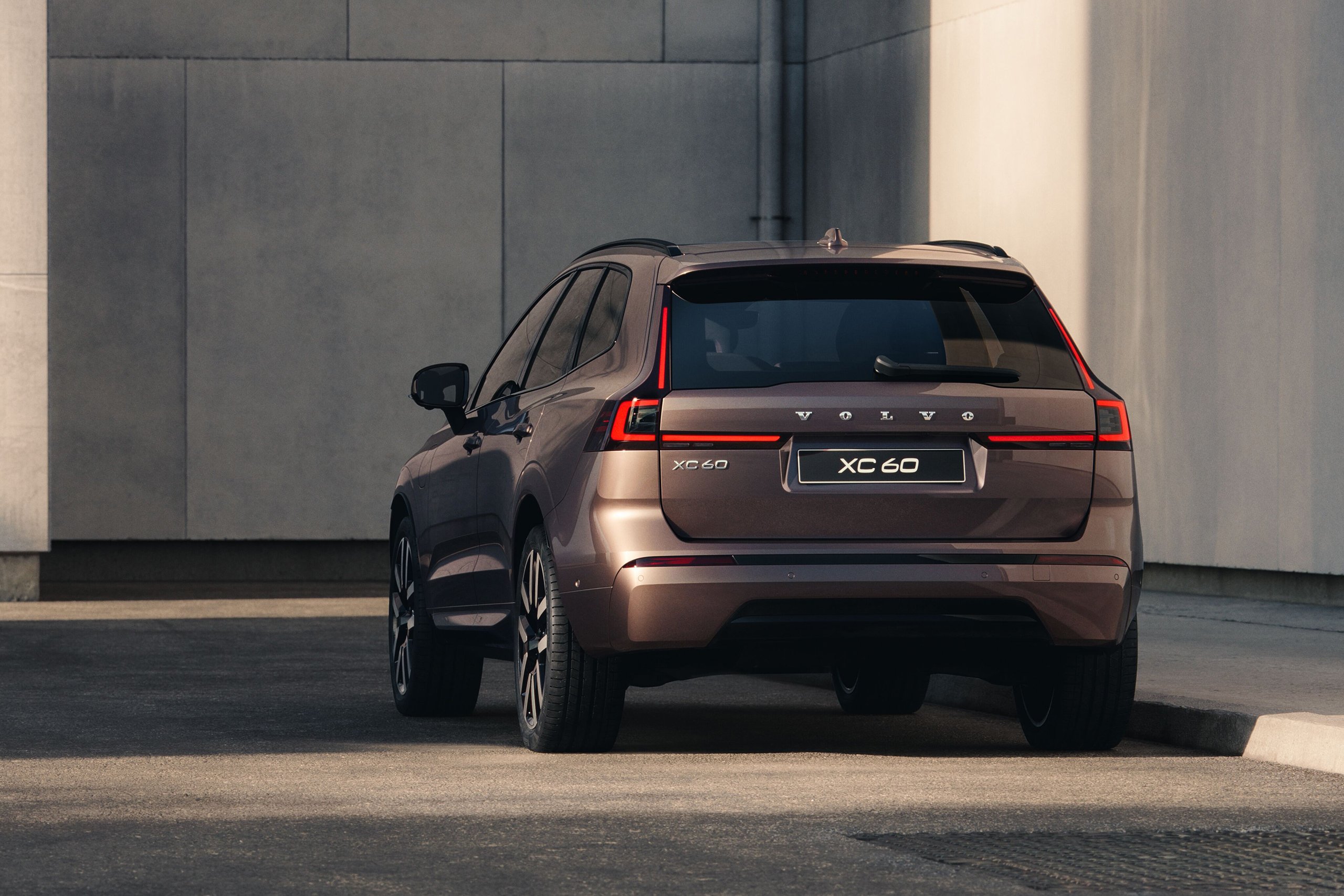
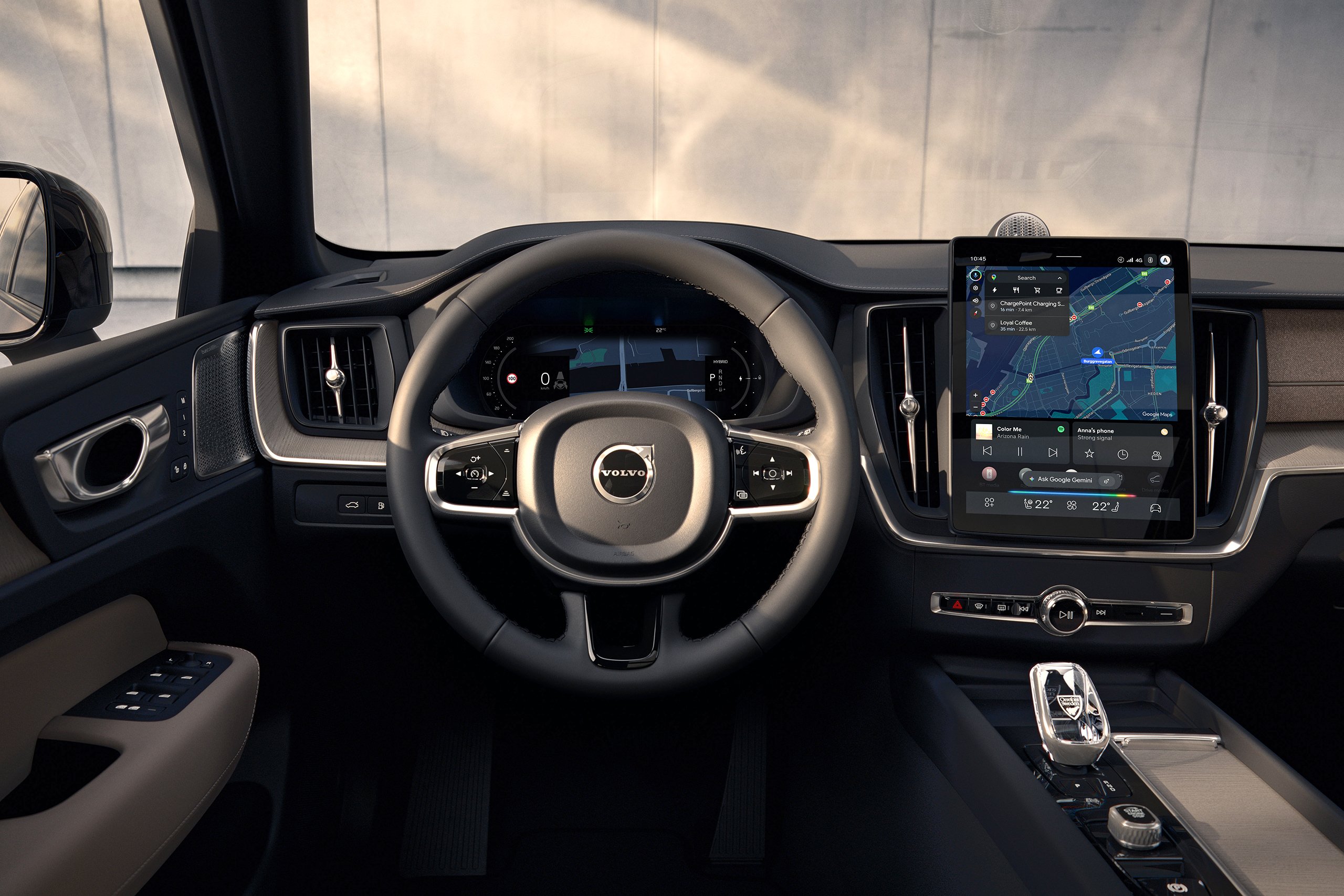
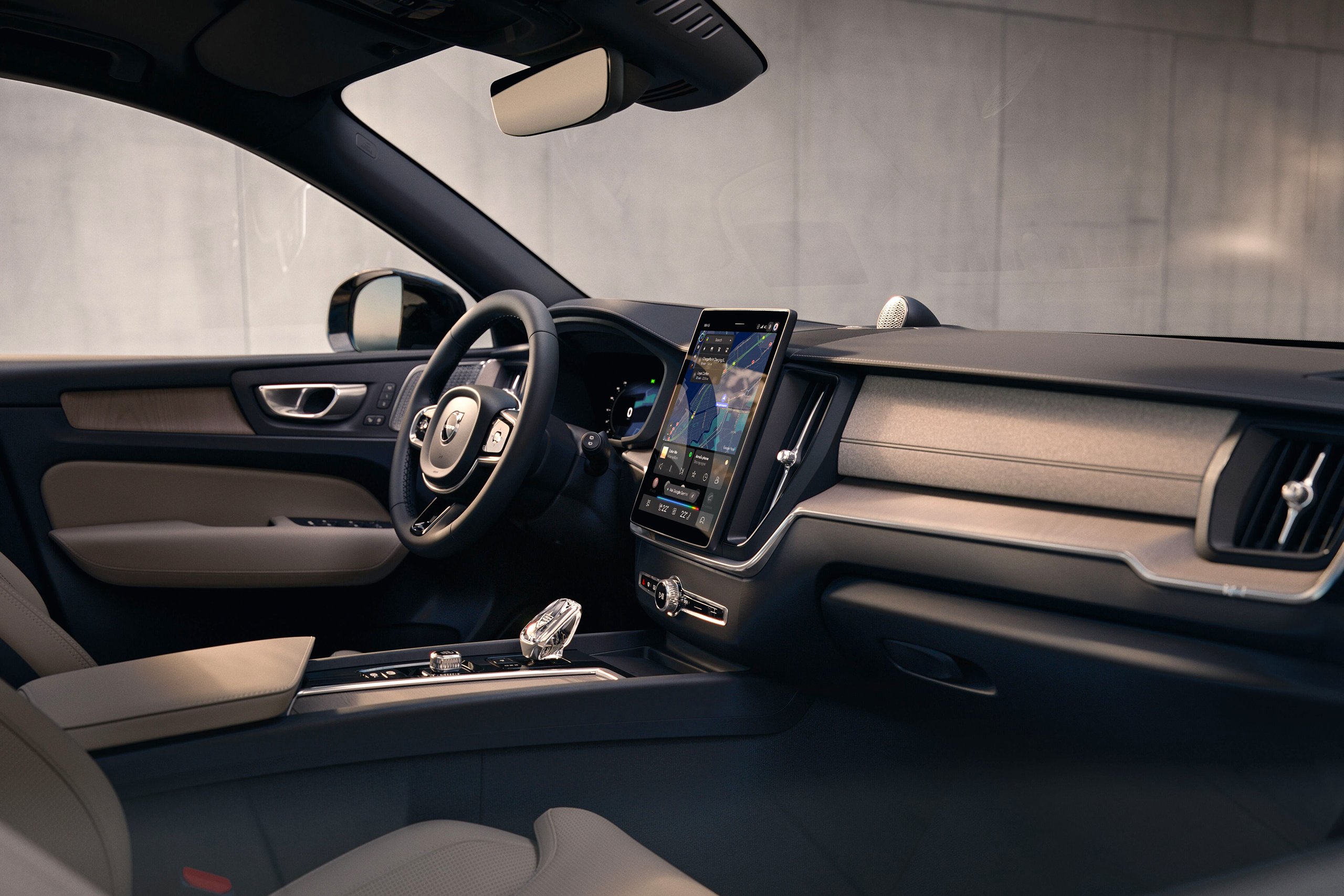
At the rear, the tailgate-to-taillight interface has been smoothed out, offering a cleaner, more minimalist silhouette. Inside, the changes are even more nuanced. Volvo has updated the dashboard and door panels, incorporating a new horizontal weave for the aluminum trim that provides a more tactile, premium feel.
Beyond aesthetics, the 2028 models introduce the latest iteration of Volvo’s active safety suite. This includes the "Dooring" alert, which warns occupants of oncoming cyclists before they open their car doors, and an advanced 360-degree camera system that now generates a high-fidelity 3D composite view of the vehicle’s surroundings. These additions reinforce Volvo’s unwavering commitment to its "Vision 2020" safety goals, which aim to ensure no one is killed or seriously injured in a new Volvo.
Official Perspective and Market Positioning
Volvo has been clear that it is not abandoning the internal combustion engine entirely. While the T8 Recharge models dominate the headlines, the company will continue to offer mild-hybrid versions of the XC60 and XC90, including the sophisticated B6 powertrain. The B6 is a technical marvel in its own right, utilizing both a turbocharger and a supercharger to extract maximum power from a relatively small displacement engine.
By keeping these options available, Volvo is offering a "choice-led" transition. They recognize that for those in rural areas with limited charging infrastructure, or for those who frequently undertake long-haul towing, the B6 mild-hybrid remains a vital, practical choice. However, the heavy investment in the 38 kWh battery for the Recharge models suggests where the company believes the market is headed.
The strategy is clear: provide the most attractive "bridge" vehicle possible. By giving customers 70+ miles of electric-only driving, Volvo removes the anxiety of EV ownership while providing the tax incentives, performance benefits, and environmental benefits of an electric vehicle.
Implications: The Future of the Segment
The introduction of the 2028 XC60 and XC90 has profound implications for the luxury SUV segment.
- The Death of "Range Anxiety" for Hybrids: With 78 miles of range, the "plug-in" moniker is becoming less of a feature and more of a primary mode of transport. This makes the vehicle effectively an EV for 90% of use cases, with a gas generator for the remaining 10%.
- Increased Competitive Pressure: Competitors like BMW, Audi, and Lexus will likely feel immense pressure to increase their own PHEV battery sizes. If Volvo can fit a 38 kWh battery into these chassis, the industry standard for PHEV range will inevitably shift upward.
- Environmental Impact: If more manufacturers follow suit, the collective reduction in carbon emissions will be significant. The math is simple: a fleet of PHEVs that rarely use their gasoline engines will be far cleaner than a fleet of standard hybrids.
- Charging Infrastructure Lag: As vehicles like the XC60 and XC90 become more capable, the demand for residential charging infrastructure will grow. Volvo’s move may well force the hand of governments to incentivize home charger installations, as the utility of these vehicles is tied directly to the ability to plug in nightly.
Final Thoughts
The 2028 Volvo XC60 and XC90 represent a mature, confident step forward. Volvo has listened to the criticisms of the PHEV segment and systematically dismantled them with engineering excellence. By prioritizing real-world electric range over token efforts, the brand has created vehicles that are not just "better than the last ones," but are genuinely compelling propositions for the modern, efficiency-conscious consumer.
As we look toward an all-electric future, the 2028 Volvo lineup serves as a reminder that the path to decarbonization is rarely a straight line. Sometimes, it is a well-engineered, 38-kilowatt-hour bridge that gets you exactly where you need to go—quietly, safely, and without a drop of gasoline in sight.
