



By Phil Neuffer
Updated July 22, 2026
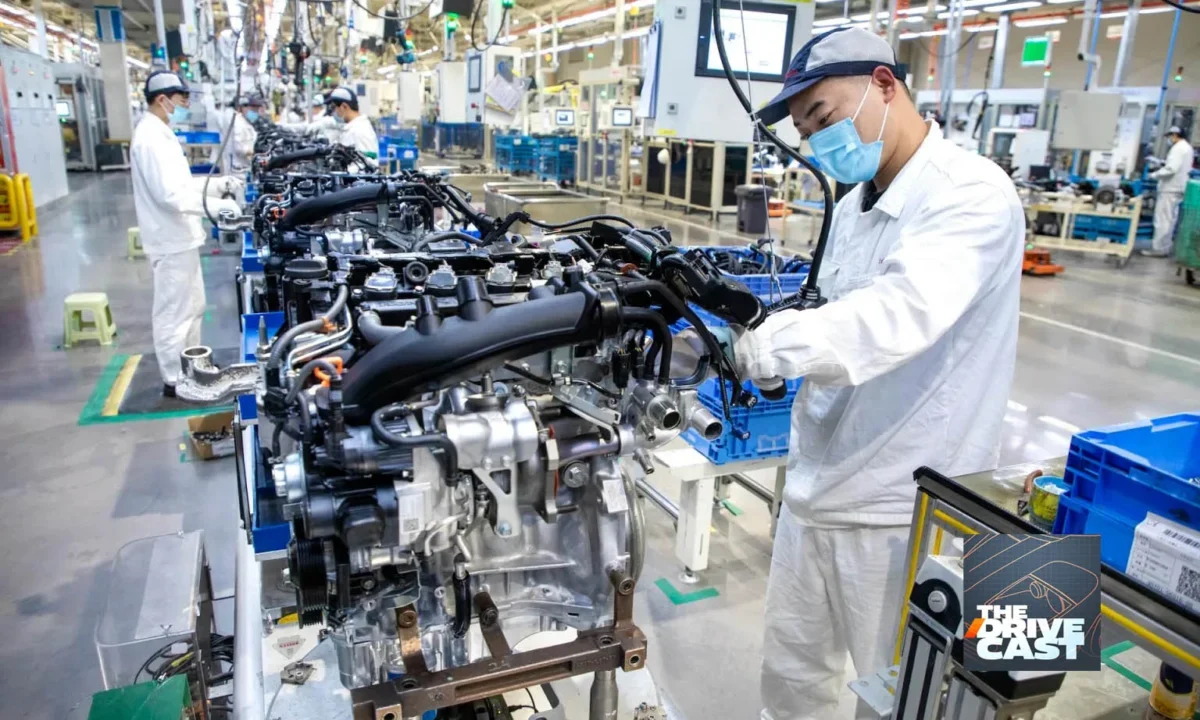
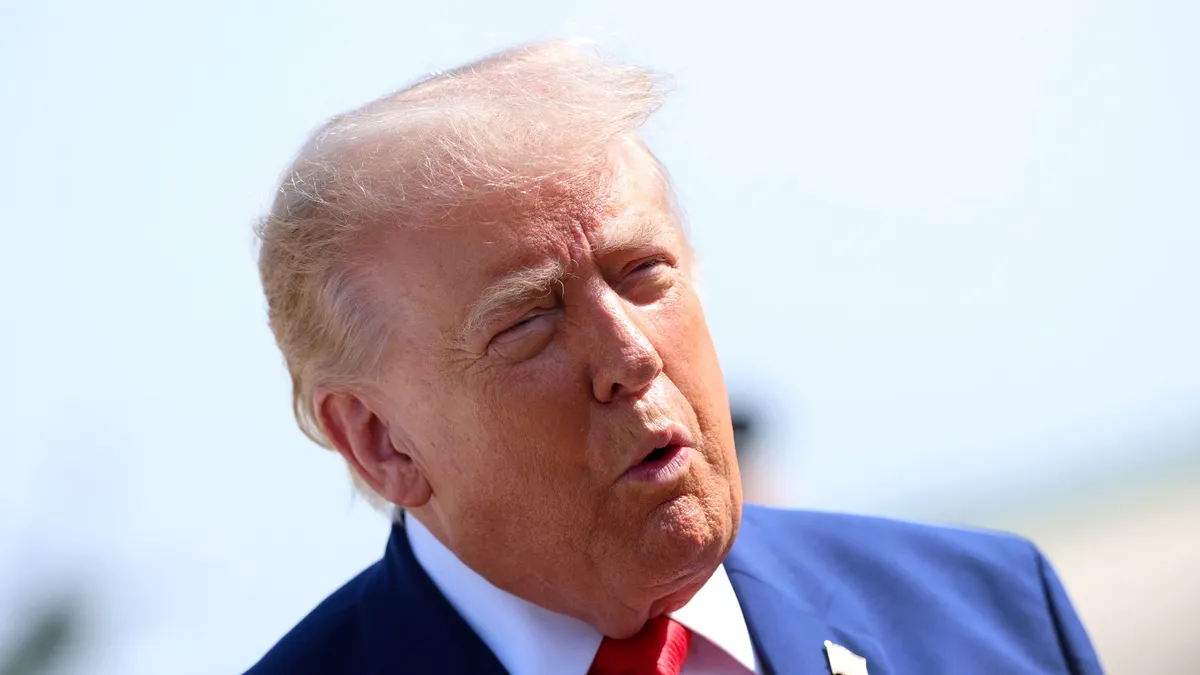
In a move that signals a significant expansion of his "America First" trade agenda, President Donald Trump announced on Tuesday a multi-year plan to impose steep tariffs on generic pharmaceutical imports. The strategy, detailed in a post on Truth Social, aims to forcibly decouple the U.S. healthcare supply chain from foreign manufacturers by creating a prohibitive cost structure for imported generic drugs, thereby compelling pharmaceutical firms to relocate production facilities to American soil.
The policy marks a departure from traditional trade negotiations, opting instead for a pre-announced, escalating tariff schedule designed to pressure the industry into capital investment. As the administration continues to lean into aggressive protectionist measures, the global pharmaceutical supply chain faces a period of profound uncertainty.
Main Facts: The Escalation Timeline
President Trump’s announcement provides a clear, albeit aggressive, roadmap for the pharmaceutical sector. Under the proposed framework, generic pharmaceuticals will maintain their current duty-free status for the next 24 months. Beginning August 1, 2026, the administration will initiate a "grace period" for manufacturers to adjust their supply chains.
The levy structure is as follows:
- August 2026 – July 2028: 0% tariff (Current status quo maintained).
- August 2028 – July 2029: 100% tariff.
- August 2029 and beyond: 200% tariff.
The administration has framed this as a non-negotiable directive. "This is done in order to RESHORE Generic Pharmaceutical Production into America," the President wrote, emphasizing that the policy is designed as a direct "penalty to those Companies that decide not to build Plant and Equipment within the stated period of time."
Chronology: A Rapid Shift in Tariff Policy
The announcement concerning generic drugs is the latest in a series of rapid-fire trade interventions that have defined the summer of 2026.
Recent Tariff Milestones:
- February 2026: A temporary 10% universal tariff was implemented following a Supreme Court ruling that invalidated previous duty structures. This temporary measure is scheduled to expire on Friday, July 24, 2026, leaving analysts speculating on whether a permanent replacement is imminent.
- April 2026: The White House announced a 100% tariff on patented pharmaceuticals from a list of 17 major companies, including global giants such as Eli Lilly, Pfizer, and Novo Nordisk.
- Mid-July 2026: The administration imposed a 50% levy on a wide range of goods imported from Canada and a 25% duty on numerous imports from Brazil, citing ongoing Section 232 and Section 301 investigations.
- July 22, 2026: The current announcement regarding generic pharmaceuticals, which distinguishes itself by providing a two-year lead time for industry compliance.
The timing of these announcements suggests a coordinated strategy to use the threat of future tariffs as a lever for immediate domestic investment, even when the implementation date remains months or years away.
Supporting Data and The Section 232 Framework
The legal foundation for these tariffs remains a point of intense scrutiny among trade attorneys and policy experts. While the President did not explicitly invoke the legal mechanism for the new generic drug duties, the administration has consistently relied on Section 232 of the Trade Expansion Act of 1962. This statute allows the President to impose tariffs if imports are found to threaten national security.
In previous applications—such as those involving steel, aluminum, and automotive parts—the administration argued that reliance on foreign supply chains creates vulnerabilities that are detrimental to national defense. By extending this logic to the pharmaceutical sector, the administration is effectively redefining "national security" to include the sovereignty of the domestic drug supply, particularly in the wake of the lessons learned from global supply chain disruptions earlier in the decade.
The economic data behind this move is complex. While the administration points to the necessity of domestic manufacturing, the pharmaceutical industry maintains that the complexity of chemical synthesis and active pharmaceutical ingredient (API) production makes a rapid transition to U.S.-based manufacturing logistically daunting and prohibitively expensive.
Official Responses and Expert Analysis
The reaction from the trade and policy community has been one of cautious skepticism. Deborah Elms, head of trade policy at the Hinrich Foundation, noted the return to "trade policy via tweet," a hallmark of the Trump administration’s previous tenure.

"This time, it is a new threat on generic pharmaceuticals," Elms stated in a LinkedIn analysis. "Because the start date is two years away, it may well be a threat that never materializes. However, given the administration’s track record of following through on these promises, it is worth paying attention to today."
Industry advocates are concerned that the cumulative effect of these tariffs—on both patented and generic drugs—could create a "cost-push" inflationary environment. If pharmaceutical companies are unable or unwilling to build new plants, the cost of these tariffs will likely be passed on to insurance providers, public health programs like Medicare, and ultimately, the American consumer.
Implications: A New Era for Supply Chains
The implications of the July 22 announcement are far-reaching for logistics, procurement, and healthcare finance.
1. Supply Chain Relocation
Companies are now forced to conduct a massive "cost-benefit" analysis. The expense of constructing a pharmaceutical manufacturing facility in the U.S. involves not just capital expenditure for the building, but the recruitment of a highly specialized workforce and compliance with rigorous FDA manufacturing standards. Companies that choose not to move will be forced to absorb a 200% tariff, which is, in most cases, an insurmountable business model.
2. Market Volatility
The pharmaceutical sector, already reeling from the April announcement regarding patented drugs, is entering a period of high volatility. Shareholders are likely to demand clarity on how these tariffs will affect long-term profit margins. Companies with heavy exposure to international manufacturing hubs—particularly in India and China—are expected to see the most pressure.
3. Diplomatic Friction
The use of Section 232 to target pharmaceuticals may trigger retaliatory measures from trade partners. If the U.S. restricts access to its pharmaceutical market, other nations may implement mirror-image tariffs on U.S. exports, potentially leading to a broader trade war that extends beyond healthcare into agricultural and technological sectors.

4. Regulatory Uncertainty
Perhaps the most significant implication is the uncertainty regarding the longevity of these policies. With the 10% universal tariff expiring this week and multiple Section 301 probes ongoing, the business environment is currently characterized by "policy whiplash." Corporations are finding it increasingly difficult to plan for capital allocation when the fundamental rules of international trade are subject to change via social media.
Conclusion: The Path Ahead
As the August 1, 2026, start date for the patented drug tariffs approaches, and the two-year clock begins ticking for generic manufacturers, the U.S. pharmaceutical industry finds itself at a crossroads. The President’s strategy is clear: he is betting that the threat of an existential tariff will force a massive, multi-billion-dollar shift of the global supply chain back into the United States.
Whether this policy results in a new "Golden Age" of American pharmaceutical production or an unprecedented crisis in drug affordability remains the central question. For now, the administration’s aggressive posture suggests that no sector is immune from the reach of its protectionist agenda, and stakeholders across the healthcare ecosystem are bracing for a transformative—and potentially turbulent—next two years.
