



Skift Take
With the growing possibility of airport lounges, Southwest Airlines is signaling a definitive bet that it can capture a larger share of premium business travelers and significantly boost engagement with its Rapid Rewards loyalty program.
Main Facts: A New Frontier for the Low-Cost Giant
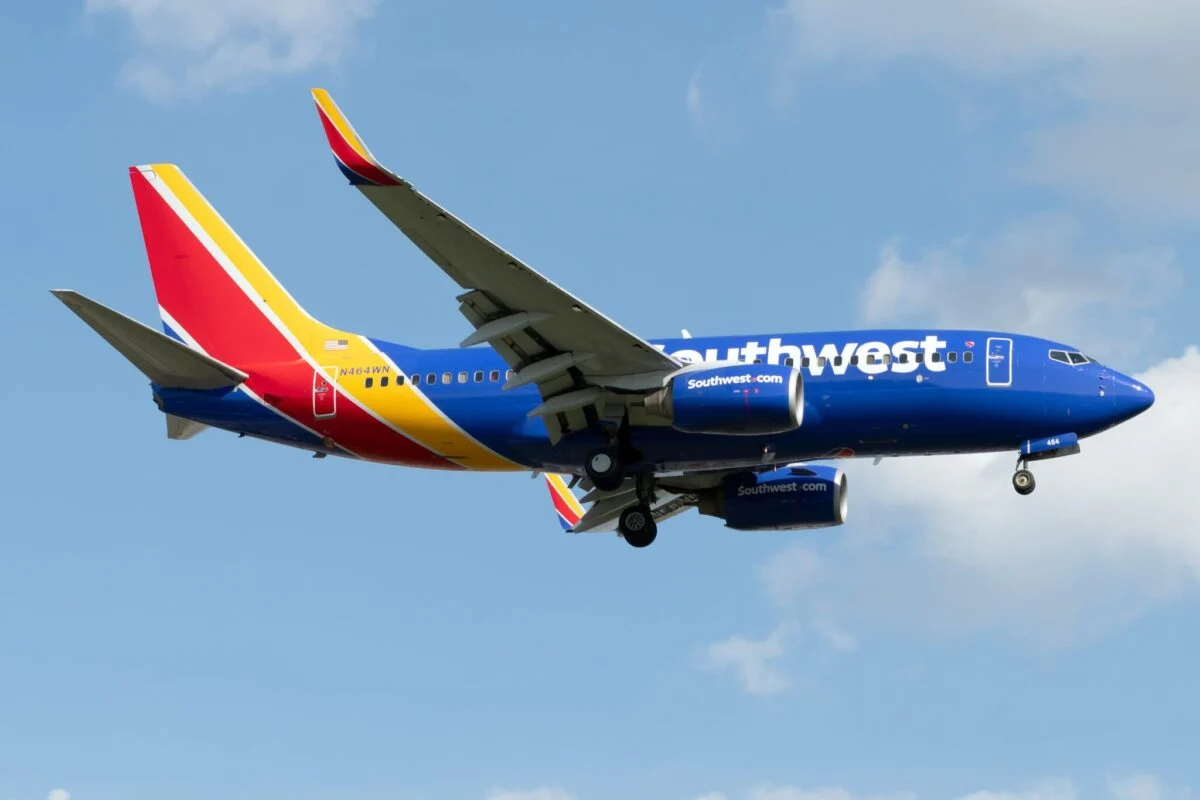
Southwest Airlines, the perennial titan of low-cost, point-to-point air travel, is standing at a critical juncture in its corporate history. For decades, the Dallas-based carrier has defined itself by its lack of complexity: a single aircraft type, no assigned seating, and a refreshing lack of "frills." However, in a candid admission during a recent earnings call, CEO Bob Jordan confirmed that the airline is actively exploring the development of proprietary airport lounges.
This pivot represents more than a mere amenities upgrade; it is a structural shift in how Southwest intends to monetize its customer base. By introducing a premium lounge product, Southwest is positioning itself to compete more aggressively for the "road warrior" demographic—travelers who prioritize comfort and productivity as much as they value the airline’s traditional reliability and value proposition.
Chronology: The Evolution of Southwest’s Strategy
To understand why Southwest is considering lounges now, one must look at the gradual shift in the airline’s operational philosophy over the last five years:
- 2019–2021 (The Pandemic Reset): During the global health crisis, Southwest focused heavily on bolstering its balance sheet and maintaining its workforce. However, the airline also began aggressively revamping its digital infrastructure and Wi-Fi capabilities, laying the groundwork for a more "connected" passenger experience.
- 2022 (The Loyalty Focus): Southwest began emphasizing the integration of its Rapid Rewards program with its co-branded credit card partners. Executives noted that the "stickiness" of the loyalty program was the primary driver of revenue during the recovery period.
- 2023 (The Operational Pivot): Southwest faced significant operational challenges, leading to a massive overhaul of its internal systems. With stability returning, leadership turned its eyes toward product differentiation.
- 2024 (The "Tease" and Beyond): CEO Bob Jordan began subtly hinting at product enhancements. The transition from "no frills" to "value-added" became the dominant narrative in recent analyst meetings, culminating in this month’s confirmation that lounge research is well underway.
Supporting Data: Why Lounges Make Financial Sense
The logic behind Southwest’s interest in lounges is deeply rooted in the economics of the "co-brand" ecosystem. In the modern aviation landscape, airlines are often described as "banks that fly planes."
The Co-Brand Multiplier
According to industry analysts, a significant portion of Southwest’s profitability is derived from its relationship with Chase, the issuer of its co-branded credit cards. Lounges are the "holy grail" for credit card acquisition. When an airline offers lounge access as a cardholder benefit, it creates a powerful incentive for premium customers to put their daily spending on that card.
Data from competitors like American Express and Delta Air Lines shows that customers with lounge access (typically those carrying premium credit cards) spend significantly more per year on travel and auxiliary services than the average passenger. By offering a lounge, Southwest could:
- Increase Credit Card Penetration: Currently, many Southwest flyers carry other premium cards (like the Amex Platinum) because those cards provide lounge access, even if the passenger is flying Southwest. By providing their own lounge, Southwest can capture that "top-of-wallet" status.
- Boost Rapid Rewards Engagement: Lounges serve as a tangible reward for elite status, further incentivizing customers to consolidate their flying with Southwest to maintain status, thereby increasing overall load factors.
Official Responses: The CEO’s Stance
During the most recent call with analysts, CEO Bob Jordan was careful to maintain a sense of mystery while leaving no doubt about the project’s existence.
"I know I’ve teased the lounges," Jordan remarked, addressing the speculation that has been simmering in industry circles. "That’s something obviously—there’s work underway. We’re not ready to formally announce that yet."
When pressed by analysts on the timeline and scope, Jordan emphasized the strategic objective: "The whole purpose is to expand co-brand opportunities, expand the card set, and provide to our customers something that they really want."
Jordan’s language is deliberate. By framing the lounges as a tool for "co-brand expansion," he is signaling to Wall Street that this is not an attempt to become a luxury carrier, but rather an attempt to become a more profitable one. The airline is prioritizing the "card set"—the portfolio of financial products—which provides high-margin, recurring revenue that is insulated from the volatility of jet fuel prices and ticket demand.
Implications: Changing the Southwest Identity
The introduction of lounges would be the most radical change to the Southwest "brand" since the carrier’s inception. The implications are profound, touching on culture, operations, and the competitive landscape.
1. The "Democratization" vs. "Premiumization" Dilemma
Southwest has built its brand on egalitarian principles. There are no business-class cabins and no assigned seats. If Southwest introduces lounges, it creates a two-tiered system for the first time in its history. The challenge for management will be to ensure that the lounge product feels like a natural extension of the Southwest brand—warm, welcoming, and accessible—rather than an exclusionary "country club" atmosphere that might alienate their core customer base.
2. Operational Hurdles
Operating a lounge network is a logistical nightmare for an airline that has never done it before. Southwest does not currently have the infrastructure for premium food and beverage service, nor does it have the real estate footprints in major hubs like Dallas Love Field, Denver, or Chicago Midway to accommodate such spaces without sacrificing gate space. The airline will need to navigate complex airport lease negotiations and significant capital expenditure.
3. Competitive Response
Major legacy carriers—United, American, and Delta—have spent billions of dollars building expansive lounge networks that serve as the "moats" protecting their premium customer bases. If Southwest enters the fray, it risks a direct confrontation with these carriers in their strongest segment: business travel. While Southwest is unlikely to match the scale of the legacy carriers, even a modest, well-executed lounge presence could disrupt the current status quo, forcing legacy carriers to reconsider their own lounge entry requirements.
4. The Future of the "Southwest Experience"
Ultimately, the move toward lounges signals that Southwest is maturing. As the airline industry becomes more consolidated and competition for the high-frequency traveler intensifies, Southwest recognizes that it can no longer rely solely on low fares and "bags fly free" to win the market.
The strategy is clear: keep the operational efficiency that makes the airline profitable, but wrap it in a premium layer that satisfies the modern traveler’s demand for comfort. Whether this leads to a new era of growth or a dilution of the brand’s original identity remains the central question for investors.
For now, the aviation world waits. If the lounges materialize as planned, they will serve as the physical manifestation of Southwest’s evolution—a carrier that started by flying people between Texas cities and is now aiming to become the indispensable partner of the modern, affluent traveler. The "work underway" is not just about building lounges; it is about building the future of the Southwest Airlines brand.
