




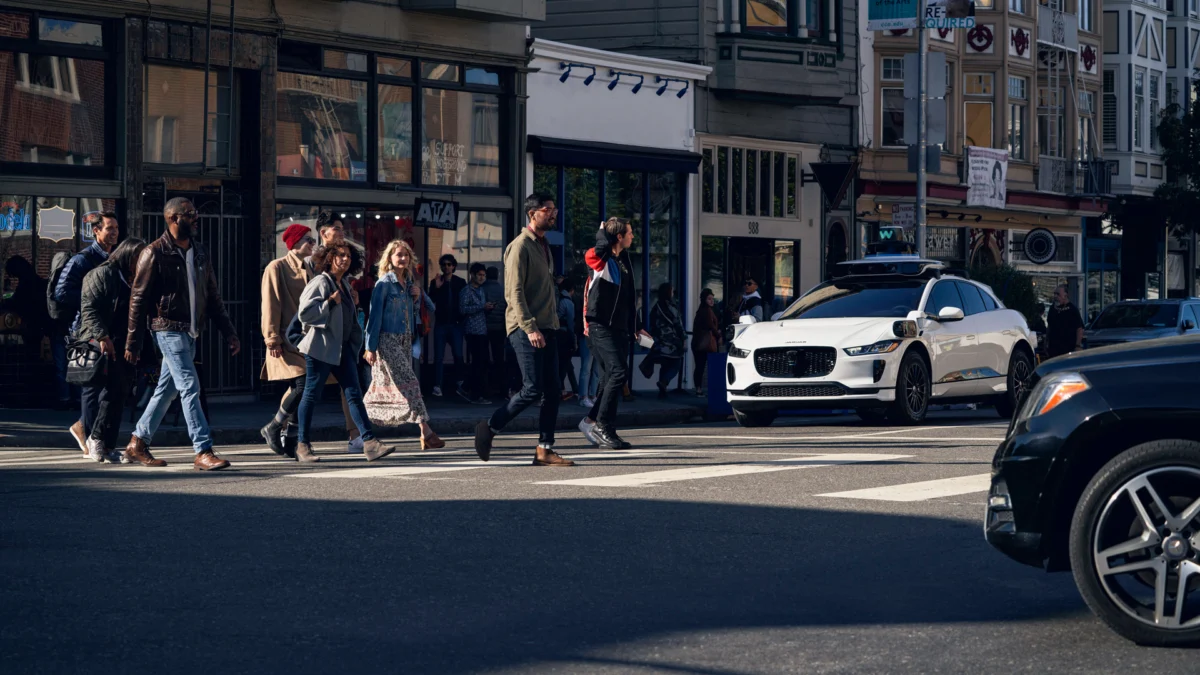
For nearly two decades, the dream of autonomous driving has been sold to the public as the ultimate solution to the carnage on our roads. Since Google launched its self-driving car project, the narrative has remained consistent: once we remove the human element—the distraction, the fatigue, and the poor judgment—the frequency of traffic accidents will plummet. Today, that promise is being tested in the real world. In cities like San Francisco, Phoenix, Los Angeles, and Austin, Waymo’s fleet of robotaxis has become a fixture of the urban landscape. Yet, despite the technological sophistication, high-profile mishaps continue to fuel public skepticism.
A landmark study released this week by the Insurance Institute for Highway Safety (IIHS) offers perhaps the most nuanced look at this issue to date. By comparing the crash rates of Waymo’s autonomous fleet against human drivers, researchers have provided an answer that is both encouraging and deeply complicated. While the data suggests that Waymo vehicles are involved in fewer crashes per mile, the report serves as a stark reminder of the "data desert" currently hindering our understanding of autonomous vehicle (AV) safety.
A Chronology of the Autonomous Ambition
To understand the current state of the industry, one must look at the evolution of the technology. The journey began in the late 2000s, with Google’s secretive X lab working on sensors and software that would eventually become Waymo. What started as a curiosity in suburban California has transformed into a massive, data-driven operation.
- 2009–2015: The "Research Phase." Google’s fleet began navigating public roads, focusing on gathering vast amounts of environmental data to train AI models.
- 2016–2018: The transition to commercialization. Waymo became an independent subsidiary of Alphabet, moving toward testing without safety drivers in the Phoenix area.
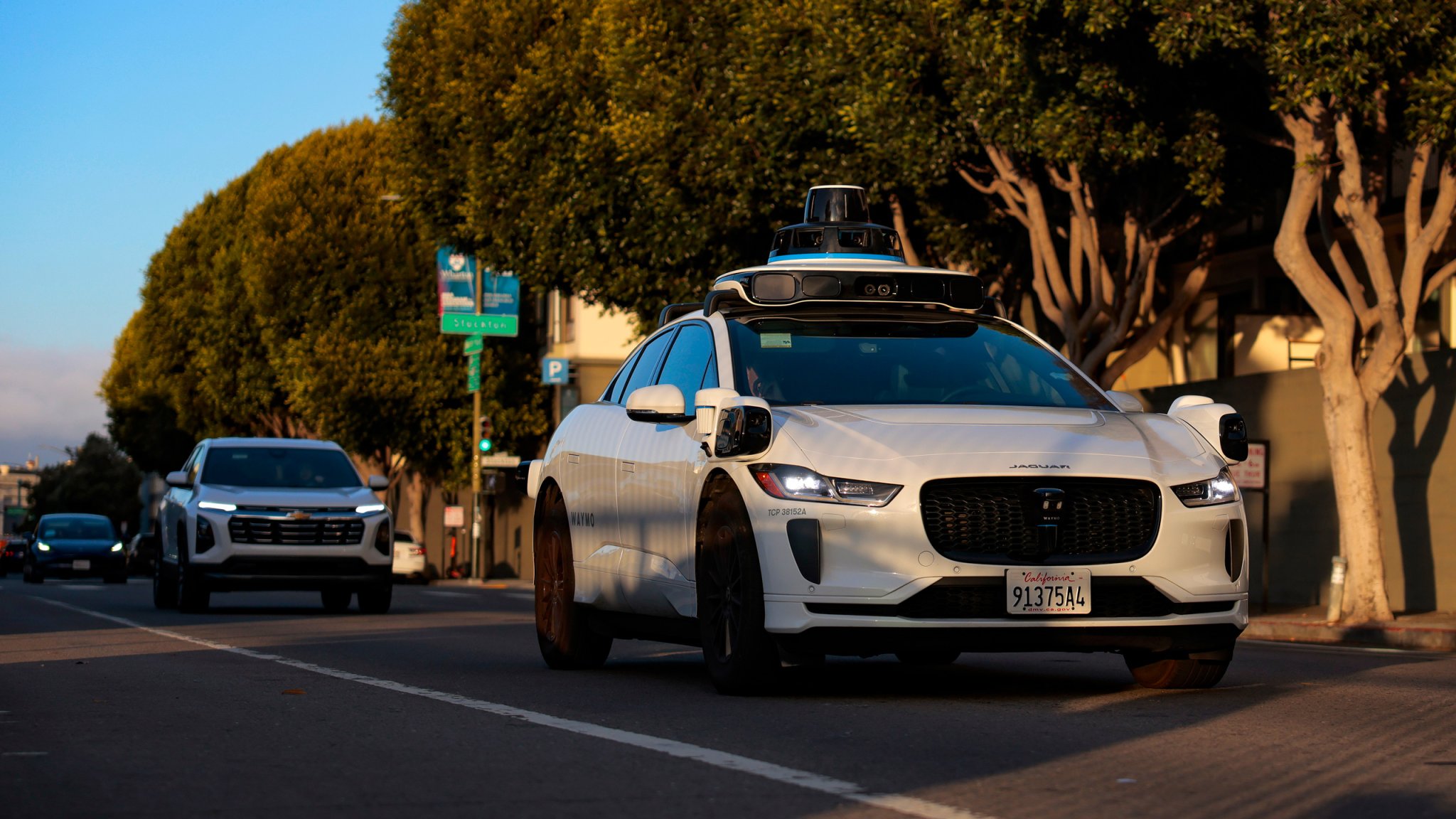
- 2019–2022: Aggressive scaling. The deployment of the Jaguar I-Pace fleet and the expansion of "Waymo One," a public-facing ride-hailing service, saw the company move from experimental testing to everyday transit.
- 2023–2026: Regulatory friction and mass adoption. As Waymo expanded to major metros, it encountered significant pushback from local governments—such as the legal battles in San Francisco—and intense scrutiny following reports of minor collisions and traffic obstruction.
Throughout this timeline, the primary metric of success has been "miles traveled." However, as the IIHS report highlights, miles traveled without context are nearly meaningless.
Supporting Data: The 68% Margin
The IIHS study represents a monumental effort to synthesize disparate datasets. The core finding is statistically significant: Waymo vehicles were involved in 68% fewer police-reportable crashes per vehicle mile traveled (VMT) compared to human drivers in the same operating regions.
When broken down by geography, the findings are equally compelling:
- Phoenix: A 76% reduction in crash rates compared to human motorists.
- Los Angeles: A 71% reduction in crash rates.
- San Francisco: A 35% reduction.
- Austin: A slight outlier, where the fleet showed a 4% higher crash rate, though the IIHS attributed this to a significantly smaller, and therefore less statistically reliable, sample size.
Furthermore, the data indicates that Waymo’s fleet performed exceptionally well in terms of severity. The vehicles were involved in 85% fewer single-vehicle crashes and 81% fewer injury-causing incidents per VMT. On the surface, these numbers appear to vindicate the industry’s long-standing argument: that artificial intelligence is, by nature, more observant and less prone to the erratic behaviors that define human driving.
The Transparency Problem: The "Data Desert"
Despite these positive figures, the IIHS report contains a significant caveat: the data is fundamentally flawed due to reporting inconsistencies. Currently, there is no federal mandate requiring AV companies to disclose the total mileage of their fleets or the proportion of that mileage achieved in fully autonomous mode.
"We are trying to compare apples to oranges," says one industry analyst. While companies are required to report crashes to the National Highway Traffic Safety Administration (NHTSA) and state bodies like the California DMV, the thresholds for reporting are vastly different for humans versus machines.
Human drivers are notorious for under-reporting. Research suggests that approximately half of all motor vehicle crashes—and a third of those involving injuries—are never reported to the police, particularly when they involve low-speed fender-benders or minor property damage. Conversely, AV companies are held to a much higher standard of accountability. A minor bump that might be ignored by a human driver is automatically logged by an AV’s sensors, often triggering a formal report.
Additionally, because AV sensors are incredibly sensitive and expensive, even a minor scrape that causes a few thousand dollars in damage—due to the cost of repairing LIDAR or camera housing—crosses the legal reporting threshold, whereas a similar human-driven incident would simply be settled with an insurance exchange or ignored entirely.
Eliminating the Noise
To perform a true "apples-to-apples" comparison, the IIHS researchers had to filter out the noise. They focused on "police-reportable" crashes—incidents that would have resulted in an official record regardless of who was behind the wheel.
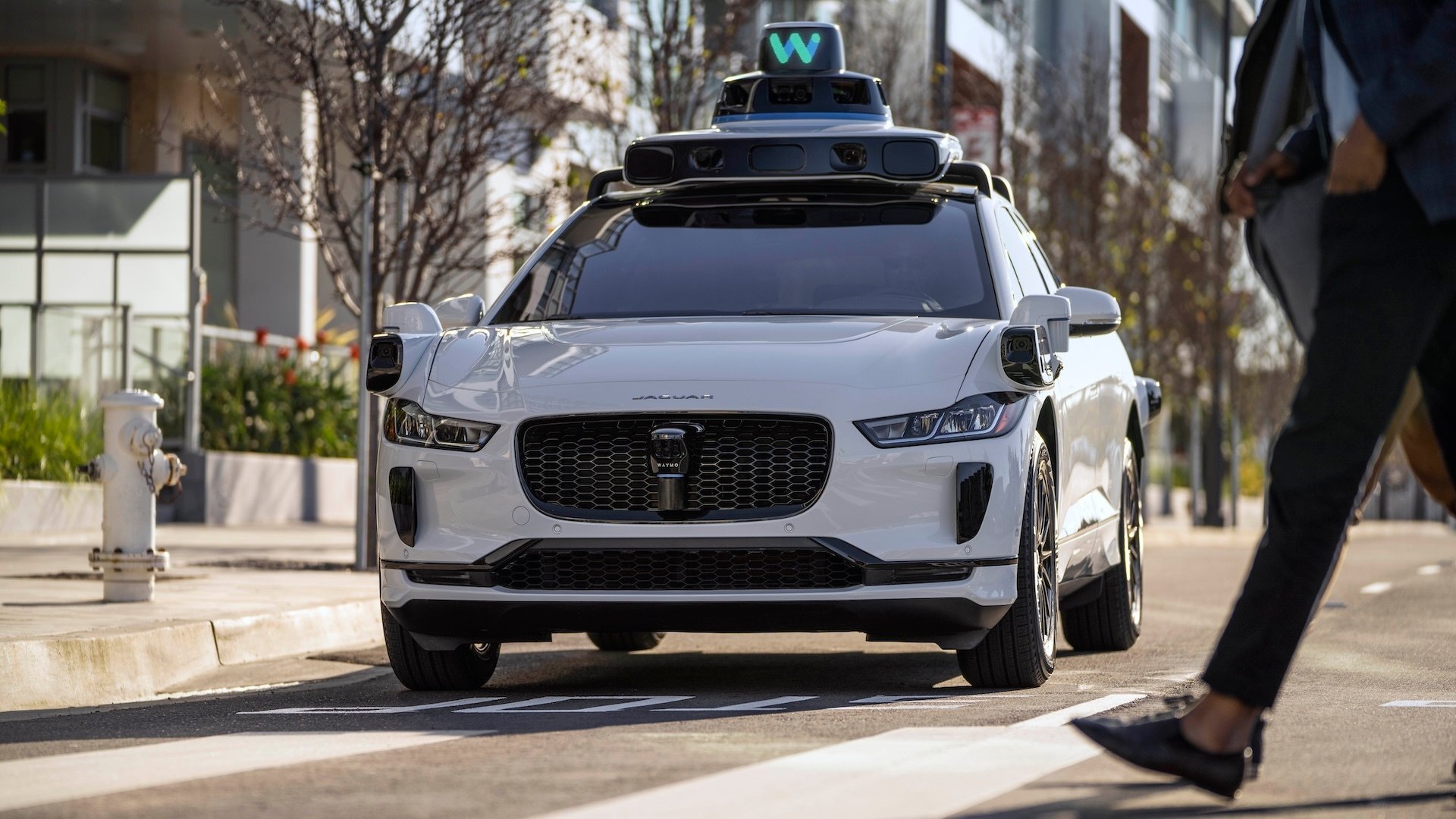
After examining 736 reported autonomous crashes, the researchers determined that only 22% met the criteria for a standard police-reportable event. Of those, 89 involved Waymo, but only 64 occurred while the car was in full autonomous mode. This filtering process, while necessary, highlights a critical issue: we are making broad policy decisions based on a relatively small statistical pool.
Implications for the Future
The implications of the IIHS study are twofold. First, it provides the first empirical evidence that the technology, at least in the case of Waymo, is indeed safer than the average human driver. This is a massive victory for the proponents of autonomy who have long argued that the "trolley problem" of machine ethics is secondary to the immediate, measurable reduction in human-caused accidents.
However, the second implication is a call to action for regulators. Eric Teoh, the lead author of the study, noted that while the signs are encouraging, the current "data collection system" is inadequate. For autonomous vehicles to become a standard, trusted mode of transportation, the public needs to see more than just proprietary data released by the manufacturers themselves.
What Needs to Change?
- Standardized Reporting: The NHTSA must implement a unified reporting standard that requires all AV operators to report mileage, disengagements, and all incidents, regardless of severity, using a consistent methodology.
- Public Access to Data: Without transparent, third-party verified data, the industry will continue to struggle with public perception. If AVs are truly safer, the numbers should be readily available for academic and public scrutiny.
- Human-to-AV Contextualization: Future studies must account for the environment. Are AVs safer because they drive "defensively," or because they are programmed to avoid high-risk areas during high-risk times (such as late-night bar closures or severe weather)?
Conclusion: The Road Ahead
The IIHS study is not the final word on robotaxi safety, but it is a critical milestone. It validates the potential of autonomous driving while simultaneously exposing the fragility of our current regulatory framework.
For the average consumer, the message is one of cautious optimism. The machines are learning, and in many controlled, urban environments, they are already outperforming the average person. Yet, until we can bridge the gap between "proprietary company data" and "publicly available, standardized safety metrics," the transition to a fully autonomous future will remain a process of trial and error. The goal is no longer just to build a better driver; it is to build a better system of accountability. As technology advances, our data infrastructure must evolve just as quickly to ensure that the promise of safer roads is a reality, not just a line of code.
