



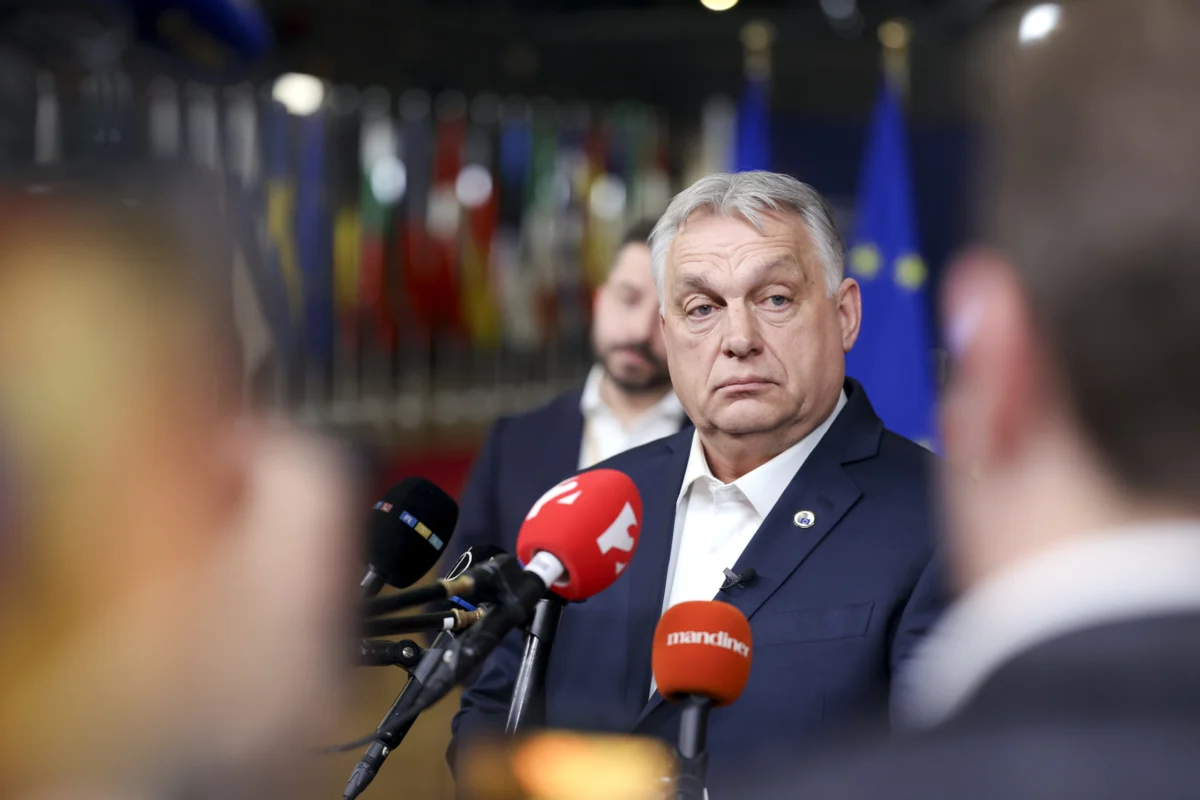
Budapest, Hungary – As the Hungarian electorate prepares to head to the polls on April 12, 2026, the nation finds itself at a historic inflection point. After 16 consecutive years of governance under Prime Minister Viktor Orbán and his Fidesz party, the upcoming parliamentary elections represent the most significant challenge to the status quo in over a decade. While the political survival of the current administration remains a primary focus, the election is simultaneously a referendum on Hungary’s trajectory within the European Union, specifically regarding its energy policy, climate commitments, and its role as a strategic hub for the global electric vehicle (EV) supply chain.
With the closure of registration for a recent industry briefing hosted by Clean Energy Wire (CLEW), it is evident that international media attention is peaking. As observers watch to see if Pèter Magyar’s conservative Tisza movement can bridge the gap against the Fidesz political machine, the energy sector—a pillar of Hungary’s industrial strategy—awaits a verdict that could redefine its relationship with Brussels and its reliance on external energy partners.
I. Main Facts: The Election Landscape
The 2026 Hungarian general election is characterized by a stark binary choice. Current polling data suggests a consolidation of the political landscape, with only two major entities—Fidesz and the Tisza movement—poised to clear the parliamentary threshold. This potential marginalization of smaller parties could lead to a highly polarized legislative body, where the legislative agenda is dictated entirely by the victors.
- Date: April 12, 2026.
- The Contenders: Viktor Orbán (Fidesz) vs. Pèter Magyar (Tisza).
- The Stakes: A potential end to the longest-serving premiership in modern Hungarian history and a fundamental shift in foreign and environmental policy.
- Energy Policy Focus: The debate centers on nuclear expansion (Paks II), the feasibility of the "battery superpower" industrial strategy, and Hungary’s history of obstructing EU-wide climate legislation.
II. Chronology: The Road to the 2026 Ballot
The road to this election has been paved by years of friction between Budapest and the European Commission, as well as shifting domestic economic realities.
- 2010–2014: The "System of National Cooperation" is established, consolidating Fidesz’s grip on power and initiating a shift toward "Eastern Opening" policies, focusing on cooperation with Russia and China.
- 2014–2020: Hungary commits to the Paks II nuclear power plant project, financed largely through Russian loans, cementing its energy dependence on Rosatom.
- 2021–2023: Hungary begins aggressively positioning itself as a central node in the European EV battery supply chain, courting massive investments from Chinese firms like CATL.
- 2024: Internal dissent grows within the Hungarian political sphere. Pèter Magyar emerges as a credible challenger, galvanizing voters disillusioned with the current economic stagnation and governance style.
- Early 2026: Pre-election polling confirms a two-horse race, with analysts noting that the outcome will likely hinge on the turnout of undecided voters and the efficiency of the "get-out-the-vote" machinery of both campaigns.
III. Supporting Data: The Energy Dilemma
Hungary’s energy policy is a tapestry of contradictions. On one hand, the government promotes a "green transition" via the electrification of the automotive sector. On the other, it remains one of the most vocal skeptics of EU climate initiatives, frequently wielding its veto power to protect its industrial base and traditional energy partnerships.
The Nuclear Gamble
The Paks II expansion remains the centerpiece of Hungarian energy security strategy. While proponents argue that nuclear power is essential for base-load stability and reaching carbon-neutrality goals, critics point to the project’s opacity, its reliance on Russian technology, and the massive fiscal burden it places on the national budget.
The Battery Strategy
Hungary has successfully marketed itself as the "battery factory of Europe." By attracting billions in Foreign Direct Investment (FDI) for EV battery production, the government argues it is securing the future of the Hungarian automotive industry. However, environmental groups and local communities have raised concerns regarding water usage, hazardous waste, and the long-term sustainability of an industry that is heavily dependent on Chinese supply chains and global market fluctuations.
Climate Obstructionism
Data from the European Council suggests that Hungary has been the primary holdout on several "Fit for 55" proposals. By leveraging its influence to delay or dilute green legislation, the Orbán administration has sought to shield the domestic economy from the perceived "harshness" of the green transition, prioritizing short-term affordability over long-term environmental alignment with the European Green Deal.
IV. Official Responses: The Parties’ Stances
The debate is not merely about policy, but about identity.
Fidesz (The Incumbent)
The Fidesz platform centers on "sovereign energy policy." The party argues that Hungary must protect its strategic autonomy by maintaining diverse energy sources—including Russian gas and nuclear power—while simultaneously transitioning to an EV-based industrial model. They view EU climate mandates as an infringement on national sovereignty that threatens to deindustrialize Central Europe.
The Tisza Movement (The Challenger)
Pèter Magyar’s movement has campaigned on a platform of transparency, modernization, and a return to European norms. Regarding energy, Tisza has been critical of the "crony capitalism" surrounding the Paks II project and has signaled a desire to pivot toward a more balanced energy mix that includes greater investment in decentralized renewable energy, such as wind and solar, which have been historically stifled by restrictive local regulations.
V. Implications: The Post-Election Horizon
The result of the April 12 election will have ripple effects far beyond the Hungarian border.
Impact on the European Union
If Fidesz retains power, the EU can expect a continuation of the "veto-politics" that have characterized the last decade. Brussels will likely remain in a state of diplomatic deadlock with Budapest, particularly as it relates to the bloc’s collective climate goals and security alignment. Conversely, a victory for the Tisza movement would signal a rapprochement, likely leading to a more cooperative stance on EU energy initiatives and a potential renegotiation of major energy infrastructure deals.
Impact on Global Investors
For international investors, the election outcome defines the "risk premium" associated with the Hungarian market. An administration that pivots toward alignment with European climate mandates would likely receive a warmer reception from institutional investors focused on ESG (Environmental, Social, and Governance) criteria. However, the existing infrastructure commitments—especially regarding Chinese battery giants—are deep-rooted and unlikely to be abandoned overnight by any administration.
The Social Contract
Ultimately, the election is about the social contract between the state and its citizens. As energy prices fluctuate and the cost of the green transition becomes more tangible, voters are asking fundamental questions about who benefits from current industrial policies. Is the "battery superpower" model truly serving the Hungarian worker, or is it a top-down project that leaves the citizenry vulnerable to environmental degradation and external political shifts?
Conclusion
The election on April 12, 2026, is a watershed moment for Central Europe. While the rhetoric often focuses on personalities—Orbán versus Magyar—the underlying issues are systemic. The next government will inherit an energy sector at a crossroads, balancing the legacy of a heavy-industry past with the mandates of a carbon-neutral future. Whether Hungary chooses to double down on its current path or recalibrate its alignment with the European project, the decisions made in the days following April 12 will echo through the halls of Brussels and the boardrooms of the global energy sector for years to come.
As the international community watches, the primary lesson remains clear: energy policy is no longer just a technical issue of grid management and supply; it is the frontline of the modern political struggle. For journalists and analysts alike, the Hungarian case study provides a sobering look at how national interests, environmental necessity, and political survival collide in the 21st century.
This report was prepared with the support of Journalismfund Europe, as part of an ongoing series exploring the geopolitical and environmental challenges facing the Central European region.
