





By Ryan Kushner
Published: July 28, 2026
A seismic shift in how the federal government manages civil rights enforcement in the housing sector has triggered a high-stakes legal confrontation. On July 23, 2026, the National Fair Housing Alliance (NFHA) and the Massachusetts Fair Housing Center—represented by the civil rights law firm Relman Colfax—filed a federal lawsuit challenging a sweeping revision to the Department of Housing and Urban Development’s (HUD) funding structure. At the heart of the dispute is the future of the Fair Housing Initiatives Program (FHIP), a cornerstone of American housing equity for nearly four decades.
The lawsuit alleges that HUD’s latest funding maneuvers, if allowed to proceed, will effectively dismantle the financial lifeline for more than 100 nonprofit organizations across the United States. These groups are responsible for investigating, documenting, and litigating the vast majority of housing discrimination complaints filed annually.
The Core Dispute: A Paradigm Shift in Funding
For nearly 40 years, the Fair Housing Initiatives Program has functioned as a competitive grant mechanism designed to bolster the enforcement of the Fair Housing Act. Traditionally, the program distributed funding among dozens of local, community-based nonprofits that provide direct assistance to victims of housing discrimination.
However, under the current administration, HUD has signaled a dramatic departure from this model. The fiscal year 2025 notice of funding opportunity (NOFO) reveals a plan to consolidate $46 million of the $56 million in approved funding into just five massive grants. This represents a radical reduction in the number of grant recipients, moving from over 100 individual organizations to a handful of entities. Most controversially, the complaint highlights that $25 million of this total is earmarked for a single, unnamed law school.
According to the NFHA, the fiscal year 2026 funding guidelines effectively lock out local, nonprofit fair housing organizations, leaving the grassroots infrastructure that has served as the "boots on the ground" for the Fair Housing Act with no viable path to federal support.
Chronology of a Policy Transformation
The current legal standoff is the culmination of a broader, years-long effort by the administration to fundamentally reorient HUD’s regulatory philosophy.
- Early 2025: Following a series of internal policy reviews, the administration begins public rhetoric regarding the need to "realign" HUD with a strict interpretation of the Fair Housing Act.
- Late 2025: Whistleblowers within the agency’s Office of Fair Housing and Equal Opportunity (FHEO) go public, alleging that the administration has implemented a "verbal gag order" on career staff. Reports emerge that the department has seen its specialized workforce reduced by nearly 70% since January 2025.
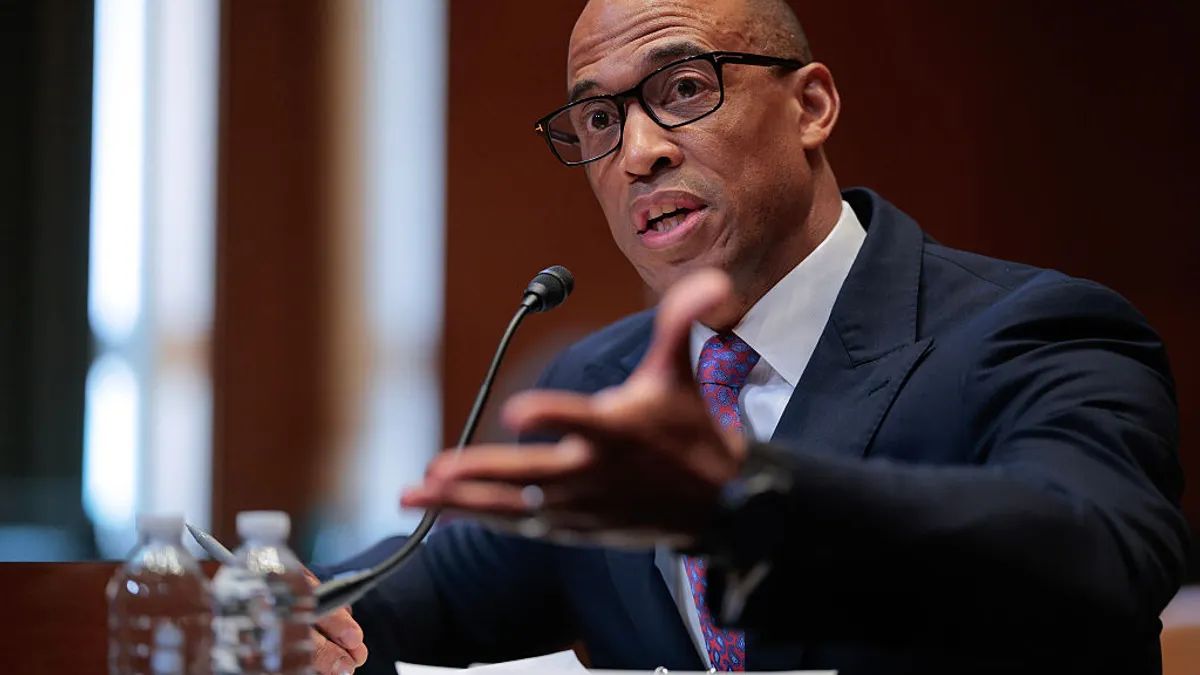
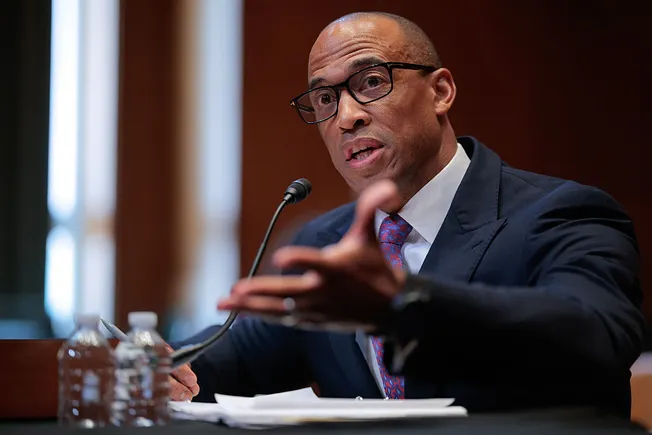
- May 14, 2026: During a Senate Appropriations Subcommittee hearing, HUD Secretary Scott Turner articulates the administration’s stance, stating, "We will continue to enforce the law as written, and nothing else. Fair housing is about equal rights, not extra rights."
- July 2026: HUD issues the new NOFO, triggering the immediate legal challenge from the NFHA and the Massachusetts Fair Housing Center.
Supporting Data and The Impact on Enforcement
The reliance of the American housing market on these nonprofit organizations cannot be overstated. According to the NFHA, its member organizations currently handle approximately three out of every four housing discrimination complaints in the United States. While HUD manages a portion of these cases, the vast majority of intake, investigation, and initial resolution happens at the local level.
Nikitra Bailey, Executive Vice President of the NFHA, emphasized the dire stakes in a recent statement. "Virtually all these community-based organizations depend on FHIP’s critical funding to operate," Bailey noted. "Many will not survive without it. Those that do survive will have to reduce services considerably."
The reduction in services would likely lead to a "justice gap" in major metropolitan areas. Local fair housing centers act as the primary interface for tenants who have been denied housing, evicted, or faced harassment based on race, disability, familial status, or national origin. If these organizations shutter their doors, the burden of seeking justice shifts entirely to a severely depleted federal office, likely leading to longer wait times, fewer investigations, and an overall decline in civil rights oversight.
Official Responses and Administrative Justification
The administration has remained defiant in the face of the litigation. HUD officials characterize the previous administration’s fair housing efforts as "activist" in nature, arguing that they often coerced housing providers and municipalities into adopting measures that exceeded the statutory requirements of the Fair Housing Act.
In response to the lawsuit, a HUD spokesperson told The New York Times that the agency remains committed to "enforcing the law as written, protecting the civil rights of Americans, and responsibly stewarding taxpayer resources." The spokesperson further added, "Activist opposition will not deter the Department."

Secretary Turner’s position, frequently echoed in agency press releases, is that the government’s role is limited to the literal text of the law. By cutting ties with the extensive network of nonprofits, the agency argues it is streamlining the process and ensuring that federal dollars are not being used to advance what it deems as extraneous social engineering.
Implications for the Housing Sector
The implications of this policy shift extend far beyond the nonprofit sector; they signal a fundamental change in how the United States approaches the concept of equal opportunity in housing.
1. The Death of Local Enforcement
If the funding is consolidated as planned, the primary deterrent to housing discrimination—the threat of being caught by a local testing organization—will be significantly weakened. Fair housing "testing," where undercover agents pose as prospective tenants to uncover bias, is a specialized skill set held by these local nonprofits. Losing this capacity means that systemic discrimination in rental and mortgage markets will be significantly harder to document.
2. Legal Precedent and Constitutional Standing
The outcome of this lawsuit will likely set a major precedent regarding how much discretion a federal agency has in altering the distribution of congressionally appropriated funds. The plaintiffs argue that by effectively excluding the intended recipients of the FHIP program, HUD is violating the spirit and intent of the legislation passed in 1987.
3. The "Law School" Controversy
The inclusion of a $25 million grant for a "single favored law school" has raised eyebrows in legal and academic circles. Critics argue this represents an unprecedented politicization of federal grants, suggesting that the administration is attempting to shift the responsibility of civil rights monitoring from community advocates to institutional, perhaps more compliant, academic settings.
4. A Chilled Environment for Civil Rights
The combined effect of the workforce reductions at HUD and the defunding of the NFHA network creates a "chilled environment" for civil rights advocacy. Potential whistleblowers or victims of discrimination may feel that there is no longer a functioning mechanism to report abuse, leading to a massive underreporting of housing discrimination cases in the coming years.

Conclusion: A Turning Point
As the case moves through the court system, the national housing community is bracing for impact. For now, the future of the fair housing infrastructure remains in limbo. The administration’s vision of a "minimalist" enforcement regime is on a direct collision course with a civil rights legal framework that has relied on a robust, decentralized network of advocates for decades.
For the families and individuals who rely on these fair housing centers to secure a roof over their heads, the stakes could not be higher. As the courtroom doors open in Washington, the question remains: Can a federal agency unilaterally dismantle a program designed by Congress to protect vulnerable citizens, or will the courts intervene to protect the integrity of the Fair Housing Act?
The answer will determine the landscape of American housing for a generation to come.
