





By Investigative Desk
BEIRUT — Volker Türk, the United Nations High Commissioner for Human Rights, concluded a two-day mission to Lebanon this week with a harrowing assessment of the ongoing conflict, warning that the widespread destruction of civilian infrastructure and the mass displacement of the Lebanese population may amount to international crimes. Following extensive field visits and consultations with those caught in the crossfire, Türk’s remarks have sharpened the global focus on the legality of the military campaign currently being waged in the Levant.
The Core Findings: A Crisis of Humanitarian Law
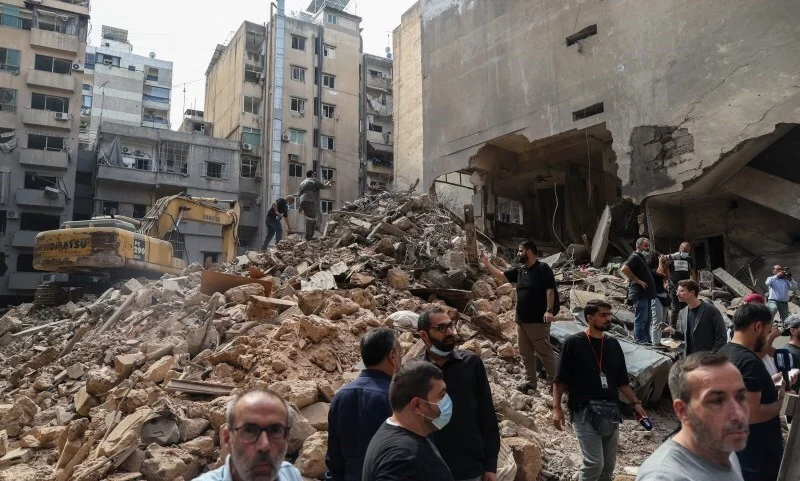
During a concluding press conference in Beirut, Türk described the devastation as "palpable," noting that the structural damage to Lebanon—ranging from residential blocks and schools to critical water and electrical grids—suggests a systematic failure to adhere to the fundamental tenets of International Humanitarian Law (IHL).
"I am struck by the widespread damage and compounded suffering that I have seen," Türk stated. "The trauma, frustration, and despair are palpable—but so too is the demand for justice which I heard resoundingly."
The High Commissioner emphasized that the conduct of the Israeli military forces appears to violate the core IHL principles of distinction, proportionality, and precaution. These pillars of international law mandate that combatants must distinguish between military objectives and civilians, ensure that attacks do not cause incidental loss of civilian life that is excessive in relation to the concrete military advantage, and take all feasible precautions to avoid civilian harm. Türk’s report specifically highlighted the deployment of white phosphorus munitions in populated areas—a tactic repeatedly condemned by human rights watchdogs—as a primary driver of the humanitarian catastrophe.
Chronology of the Escalation: From Ceasefire to Conflagration
The current hostilities in Lebanon are not an isolated event but rather the latest chapter in a decades-long cycle of violence between Israel and the Iranian-backed militia, Hezbollah.
- Historical Context: For nearly two decades, the border region has been defined by sporadic skirmishes and heightened surveillance, stabilized periodically by fragile UN-brokered agreements.
- The 2024 Respite: Following a period of intense diplomatic efforts, a ceasefire agreement brought a measure of stability to the region in 2024, allowing for limited economic recovery and the return of displaced border communities.
- The March 2026 Turning Point: The fragile peace shattered in March 2026. A high-profile, US-Israeli coordinated airstrike successfully targeted and killed Iranian Supreme Leader Ayatollah Ali Khamenei. The assassination served as a catalyst for a massive, unprecedented escalation.
- The Current Phase: In the months following the March strikes, the conflict has spiraled into an all-out war. The death toll has surged past 4,300 civilians, and the Lebanese government has been effectively paralyzed by an economic collapse and the inability to hold national elections amidst the security vacuum.
Supporting Data: The Human Cost of Conflict
The impact of the conflict on the Lebanese populace is catastrophic, according to data provided by UN agencies and local humanitarian partners.
Displacement and Demographic Vulnerability
Hundreds of thousands of Lebanese citizens have been forced to abandon their homes. Rights groups have sounded the alarm regarding the disproportionate impact of this displacement on the most vulnerable members of society. Elderly individuals and persons with disabilities face a "dire predicament," as many are physically unable to relocate or lack access to evacuation orders due to sensory impairments or limited communication infrastructure.
Systematic Destruction
The infrastructure degradation is extensive. Reports indicate:
- Healthcare Collapse: Numerous hospitals and clinics have been damaged or rendered non-functional, stripping the population of life-saving care during a period of peak medical need.
- Agricultural Ruin: Targeted strikes on agricultural lands have destroyed local food security, threatening a long-term famine or extreme reliance on international aid.
- Essential Utilities: The systematic destruction of electricity and water infrastructure has led to a collapse in sanitation, heightening the risk of disease outbreaks in overcrowded displacement camps.
The Legal Implications: Accountability and the ICC
The potential classification of these acts as "war crimes" places the situation under the potential jurisdiction of the International Criminal Court (ICC). The ICC is mandated to prosecute the most serious crimes of concern to the international community, including willful killing, the intentional directing of attacks against civilian objects, and the forced displacement of populations.
Legal experts note that the ICC has previously handled cases involving large-scale displacement as a component of war crimes. Türk’s visit serves as a formal signal that the UN is documenting these events with an eye toward future accountability. By framing the actions as potential violations of the Rome Statute, the High Commissioner is placing significant diplomatic and legal pressure on the international community to intervene or support investigative mechanisms.
Official Responses and Strategic Objectives
Israel maintains that its military campaign is a necessary measure to ensure national security. The stated strategic objectives of the current escalation include:
- Dismantling Infrastructure: The complete destruction of Hezbollah’s military capabilities and weapons storage sites.
- Border Security: Pushing Hezbollah fighters away from the northern border to facilitate the safe return of Israeli civilians who were evacuated from their homes at the start of the conflict.
- Buffer Zone Creation: The establishment of a demilitarized buffer zone within southern Lebanon to prevent future incursions.
Conversely, the Lebanese government has called for an immediate cessation of hostilities, emphasizing that the destruction of national infrastructure is disproportionate to the stated security goals of the Israeli government.
The Path Forward: Diplomacy in Rome
As the humanitarian situation reaches a breaking point, the international community is attempting to pivot back toward diplomacy. A delegation of Lebanese leaders is scheduled to meet with Israeli counterparts in Rome next week. This meeting, brokered by the United States, aims to implement a preliminary framework for a ceasefire and a long-term peace plan drafted in June.
The success of the Rome summit remains uncertain, given the deep-seated grievances and the current intensity of the combat. However, Türk has made it clear that his office will maintain a robust presence on the ground.
"We remain ready to support Lebanon in the promotion and protection of human rights for all," Türk concluded. "Justice is not merely a legal requirement; it is a prerequisite for any durable peace in this region."
As the world watches the Rome talks, the findings of the UN Human Rights Chief serve as a grim reminder that until the principles of international law are restored to the battlefield, the suffering of the Lebanese people will continue to be the primary currency of this conflict. The international community now faces a critical choice: to prioritize the immediate cessation of violence or to allow the ongoing, documented destruction to proceed, further eroding the norms that govern modern warfare.
