
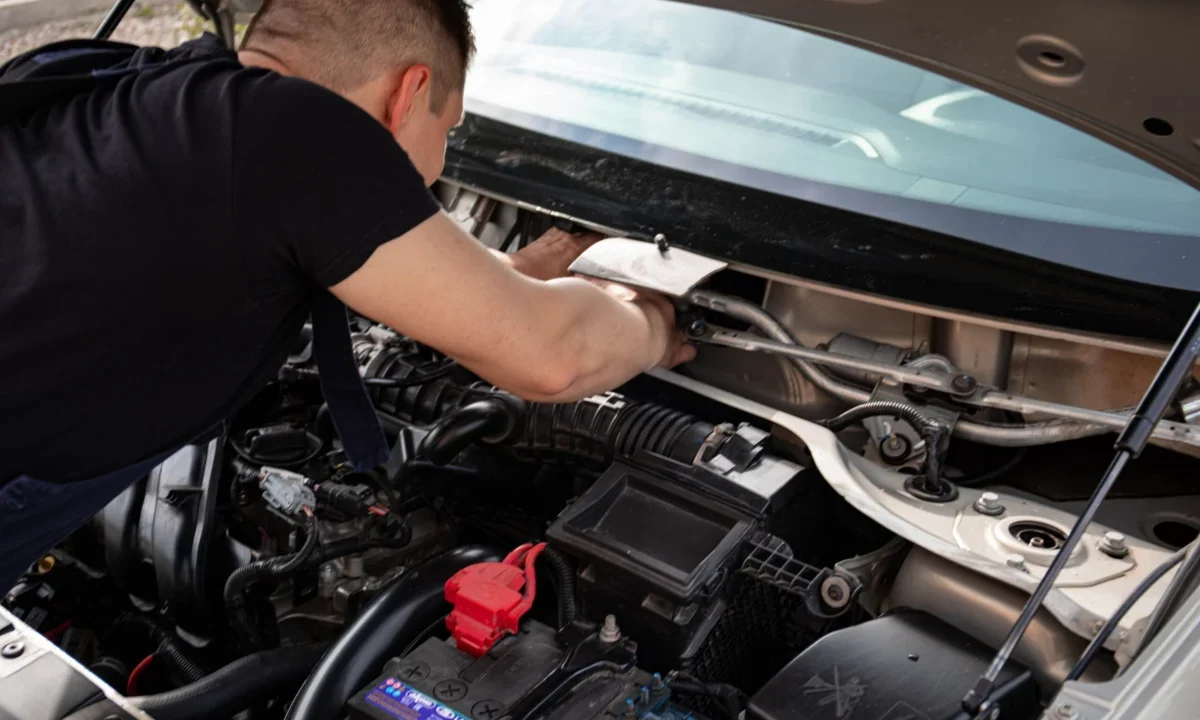



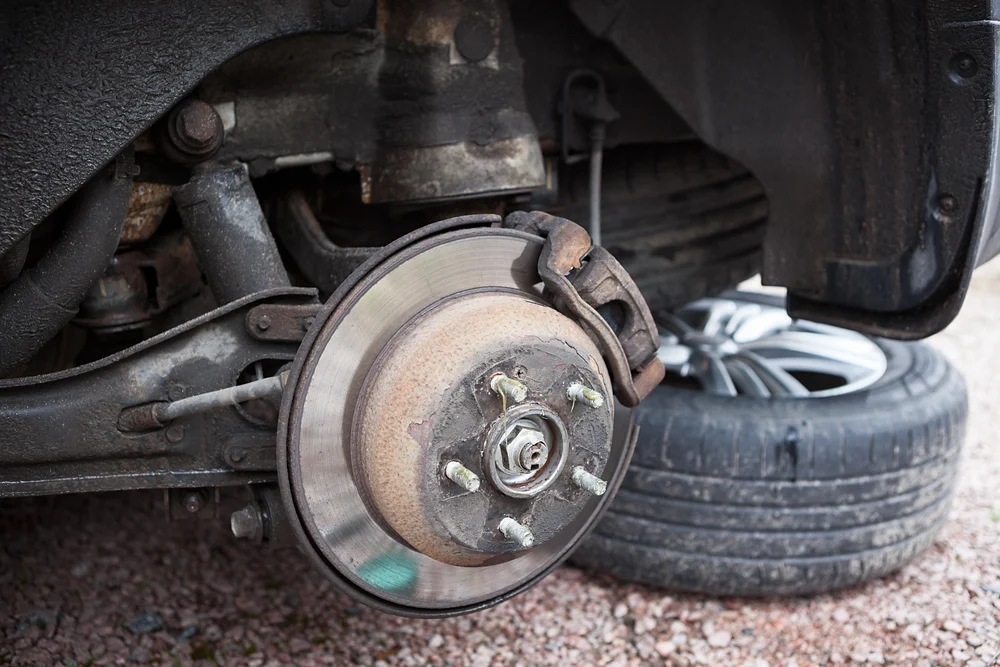
The global automotive landscape is undergoing a profound structural shift. As economic headwinds—characterized by persistent inflation, elevated interest rates, and cooling consumer confidence—continue to squeeze household budgets, one sector has emerged as a beacon of stability: the automotive aftermarket.
While discretionary spending on luxury goods and travel has faced significant volatility, the necessity of vehicle maintenance has proven to be an economic constant. New insights presented at the recent Auto Care Connect conference in Atlanta suggest that the aftermarket industry is not merely surviving the current economic climate; it is benefiting from a "perfect storm" of favorable long-term trends, primarily driven by an aging vehicle fleet and the diminishing affordability of new car ownership.
Main Facts: The Pillars of Aftermarket Growth
The core thesis for the industry’s current performance is straightforward: cars require more maintenance as they age, and today’s vehicle population is older than at any point in modern history.
Michael Chung, senior director of market intelligence at the Auto Care Association, provided a comprehensive analysis during his presentation, Why Consumer Behavior and Market Shifts Matter Now. According to Chung, the industry is anchored by three primary pillars:
- The Aging Fleet: The average age of vehicles on the road is at a historic high and continues to climb.
- Diminishing New Vehicle Replacement: High sticker prices and restrictive financing costs have effectively priced many consumers out of the new car market, forcing them to hold onto existing assets longer.
- Resilience of Necessity: Unlike discretionary retail, vehicle repair is non-negotiable for the vast majority of the population, providing a consistent baseline for demand.
These factors have created a scenario where the "repair or replace" calculation is tilting decisively toward repair. As vehicles exit their factory warranty periods, the financial burden of maintenance shifts from the manufacturer to the aftermarket service sector, creating a sustained tailwind for mechanics, parts retailers, and component manufacturers.
Chronology: The Shift Toward Longevity
To understand the current state of the aftermarket, one must look at the progression of the last decade.
2020–2021: The Supply Chain Disruption
The catalyst for the current trend began during the global pandemic. Supply chain bottlenecks crippled the production of new vehicles, creating a historic shortage. With inventory levels plummeting, prices for both new and used vehicles skyrocketed. This forced consumers to keep their older vehicles, initiating a "maintenance-first" mindset.
2022–2023: The Inflationary Squeeze
As the world emerged from the pandemic, consumers were met with record-high inflation. The cost of living increased, and borrowing costs rose as central banks hiked interest rates. For the average consumer, the prospect of taking on a new auto loan at 7% or 8% interest became untenable. Consequently, the "replacement cycle"—the period after which a consumer traditionally buys a new car—stretched significantly.
2024–2025: The "New Normal"
Today, the industry is operating in a state of sustained maturity. The fleet has aged to the point where mechanical failures are not just possibilities but probabilities. The industry is no longer waiting for a "return to normal"; it is embracing a new reality where the average age of a vehicle is expected to climb steadily throughout the remainder of the decade.
Supporting Data: Why the Numbers Favor Aftermarket Providers
The data supporting the growth of the aftermarket is compelling. When analyzing the relationship between vehicle age and maintenance expenditure, the correlation is linear.
- Out-of-Warranty Prevalence: A significant majority of the current vehicle fleet has surpassed the typical three-to-five-year factory warranty. Once a vehicle crosses this threshold, the responsibility for all mechanical failures—from transmission issues to suspension fatigue—falls squarely on the owner.
- Stable Driving Habits: Despite the rise of hybrid work models, total vehicle miles traveled (VMT) have remained remarkably stable. People are still driving their vehicles to work, school, and for leisure. This consistent usage ensures that components such as brakes, tires, fluids, and filters reach their wear-and-tear thresholds with predictable frequency.
- The Cost-to-Repair Gap: The widening gap between the cost of a new vehicle and the cost of an average annual repair bill remains the industry’s strongest sales pitch. For most consumers, spending $1,500 to $3,000 annually to keep an older car running is significantly more palatable than committing to a $700-per-month car payment for the next six years.
Official Responses: Insights from Industry Leadership
During his keynote at Auto Care Connect, Michael Chung emphasized that the industry is in a unique position of stability.
"The longer people keep their cars, it necessitates service and repair," Chung explained. "The vehicle age keeps incrementally increasing, and I would expect that to continue increasing, not just for 2025 but for the next several years. That is my expectation."
Chung’s commentary highlights a shift in industry psychology. Historically, aftermarket leaders feared economic downturns. However, the current data suggests that the sector acts as a defensive play within the broader economy.
"The longer people keep their cars, it’s further out of warranty," Chung noted. "It necessitates service and repair, and that’s good for our industry."
This perspective from the Auto Care Association reflects a broader consensus among market analysts: the aftermarket is effectively insulated from the volatility that plagues the new vehicle market. While new vehicle sales are sensitive to consumer confidence and interest rate fluctuations, the need to keep an existing vehicle functional is tied to the utility of the vehicle itself. As long as the car remains a primary mode of transportation, the aftermarket will continue to thrive.
Implications: A Strategic Outlook for the Future
The current trends carry significant implications for various stakeholders in the automotive ecosystem.
For Independent Repair Shops
The demand for high-quality, reliable independent repair is set to grow. As vehicles age, they require more sophisticated diagnostic work. Shops that invest in modern diagnostic equipment and training for technicians to handle aging electronic systems will likely capture a larger market share.
For Parts Retailers and Distributors
Inventory management is becoming increasingly complex. With a wider variety of vehicle makes, models, and model years on the road, retailers must ensure they have access to a broader range of parts—including those for vehicles that are 10, 15, or even 20 years old. The ability to source hard-to-find components will be a competitive differentiator.
For the Consumer
The "repair-over-replace" trend is a double-edged sword. While it saves consumers from the burden of high-interest auto loans, it requires more proactive financial planning for vehicle maintenance. Consumers are becoming more selective, often delaying non-critical cosmetic repairs while prioritizing safety-critical items like tires and braking systems.
For the Macroeconomy
The automotive aftermarket serves as a stabilizer for the national economy. By extending the life of the existing vehicle fleet, the industry helps maintain labor mobility and personal productivity during times of fiscal constraint. As Chung summarized, the industry is witnessing a "steady increase in vehicles, steady increase in mileage, and a steady increase in spend."
Conclusion: The Road Ahead
As we look toward 2025 and beyond, the automotive aftermarket appears remarkably well-positioned. The combination of an aging vehicle population, persistent usage, and the high financial barriers to new vehicle ownership creates a robust environment for growth.
While the broader economy may continue to fluctuate, the fundamentals of the aftermarket remain tethered to the physical reality of millions of vehicles on the road that require, at a minimum, routine care. For the aftermarket sector, the message is clear: the road ahead is long, and it is paved with opportunity. The industry is not just reacting to a trend; it is benefiting from a structural transformation in how society manages its transportation assets. As long as vehicles remain an essential component of modern life, the business of keeping them running will remain a cornerstone of the global economy.
