





Main Facts: A Strategic Expansion in Alberta
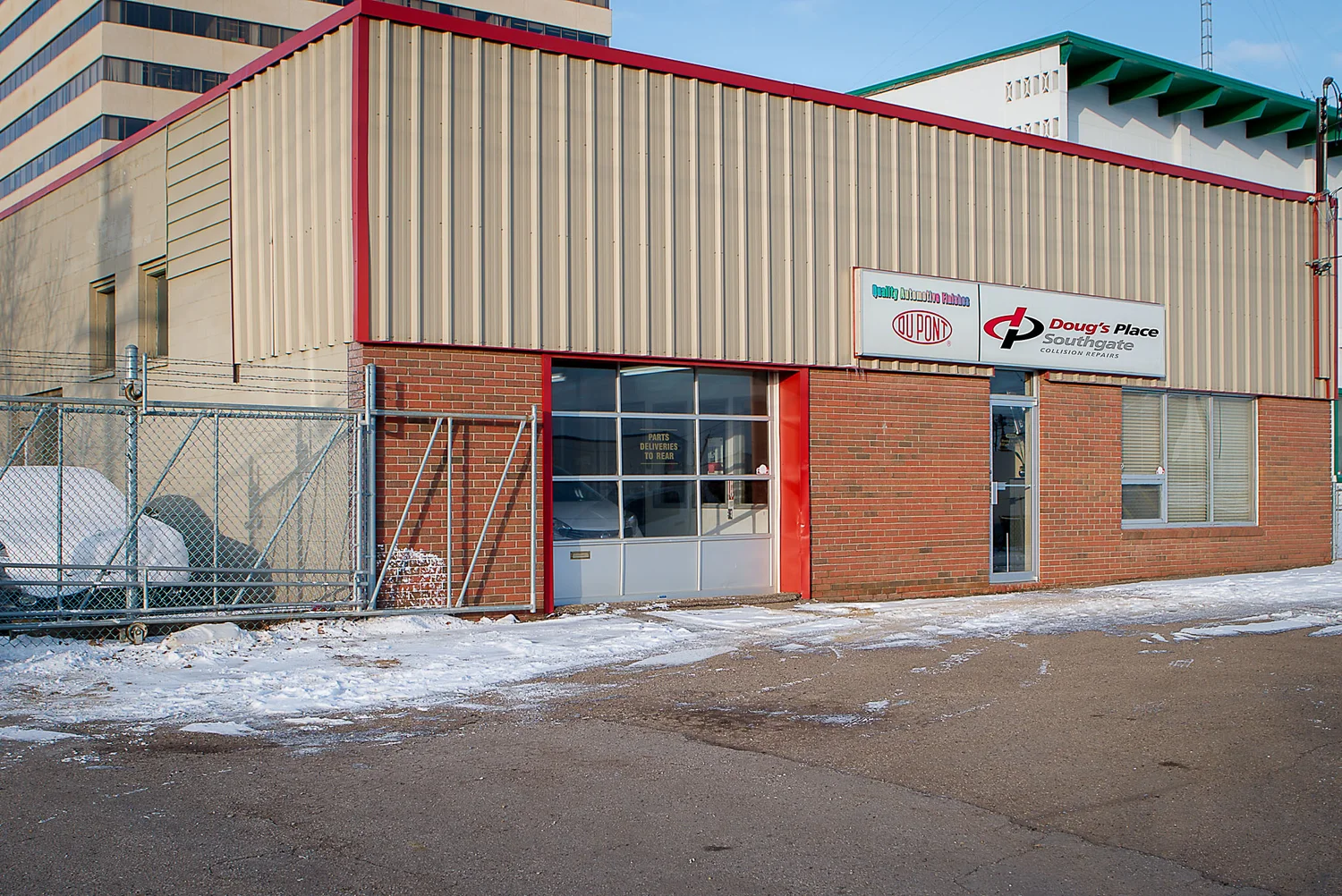
In a move designed to consolidate its regional dominance and optimize operational efficiency, AutoCanada Inc. (TSX: ACQ) has officially announced the acquisition of Doug’s Place Southgate, a prominent collision repair facility in Edmonton, Alberta. This acquisition represents more than just a real estate transaction; it is a calculated effort to increase the company’s physical footprint and technical capabilities in one of its most critical markets.
The Southgate facility, which spans approximately 7,540 square feet, brings a robust portfolio of certifications and established insurer relationships into the AutoCanada fold. By integrating this site into its existing network, AutoCanada is positioning itself to handle a higher volume of non-luxury repair work while simultaneously deepening its alignment with major original equipment manufacturers (OEMs). The move underscores the company’s ongoing transition from a pure-play dealership group to a comprehensive automotive services ecosystem, where collision repair serves as a high-margin pillar of growth.
Chronology: The Path to Acquisition
The acquisition of Doug’s Place Southgate did not occur in a vacuum; it is the latest development in a multi-year strategy by AutoCanada to vertically integrate its service offerings.
- Pre-Acquisition Phase: For years, Doug’s Place Southgate operated as a well-regarded independent player in the Edmonton market. Its reputation for high-quality technical work and its ability to secure major OEM certifications made it a prime target for consolidation.
- The Negotiation Period: AutoCanada’s management identified the Southgate facility as a "strategic fit" due to its physical proximity to the company’s existing Edmonton-based franchised dealerships. Negotiations focused on aligning the facility’s existing workflows with AutoCanada’s national standardized operational model.
- Formal Announcement: Following the successful closure of the deal, AutoCanada made the expansion public, signaling to shareholders that the company is actively deploying capital toward assets that offer immediate synergies.
- Current Status: As of this week, the facility has officially transitioned to the AutoCanada platform. The existing team has been retained to ensure continuity in customer service and technical expertise, with the company beginning the process of integrating the facility into its centralized supply chain and procurement systems.
Supporting Data: The Value Proposition of Southgate
To understand why AutoCanada prioritized this specific acquisition, one must look at the data driving the decision. The Southgate location is not merely an empty shell; it is a "turn-key" operation with deep technical moats.
OEM Certifications
The facility holds active certifications across 10 major OEM brands. This is a critical differentiator in an era where vehicle complexity—involving advanced driver-assistance systems (ADAS), sensors, and specialized alloys—requires strict adherence to manufacturer repair protocols. The certified brands include:
- Japanese Leaders: Honda, Acura, Toyota, Nissan, and Kia.
- Domestic and Global: Ford and Stellantis (including Chrysler, Dodge, Jeep, and Ram).
These certifications ensure that AutoCanada can perform "certified repairs" that maintain the integrity and safety of the vehicle, a requirement increasingly demanded by both insurers and consumers.
Direct Repair Programs (DRPs)
Perhaps most vital to the facility’s financial health are its existing Direct Repair Programs. These partnerships essentially act as a pipeline for business, as insurance companies refer their policyholders directly to the shop. The Southgate location maintains active DRPs with:
- TD Insurance
- Intact Financial Corporation
- Co-operators
- Definity Financial
- Alberta Motor Association (AMA)
These relationships provide a predictable flow of revenue, insulating the business from the volatility of individual retail customer acquisition.
Operational Footprint
The 7,540-square-foot facility is strategically located to serve the high-density urban corridors of Edmonton. By placing this facility near six of its existing franchised dealerships, AutoCanada has effectively closed the "convenience gap." Dealerships can now offer a seamless transition from the sales floor to the collision center, capturing referral volume that might have otherwise migrated to independent competitors.
Official Responses: The Leadership Perspective
The acquisition reflects a broader shift in AutoCanada’s executive philosophy. Samuel Cochrane, Chief Executive Officer of AutoCanada, emphasized that the decision was driven by the need for efficiency and the pursuit of competitive advantage.
"The addition of Doug’s Place Southgate is an excellent strategic fit that enhances the efficiency of our overall Edmonton platform by adding much-needed capacity in close proximity to our existing footprint," Cochrane stated in the official press release.
He further elaborated on the company’s capital allocation strategy, noting, "The acquisition advances our strategic focus on the collision business and directs additional capital toward assets where we have a demonstrated advantage and clear opportunities to create value."
Industry analysts interpret these comments as a signal that AutoCanada is moving away from aggressive dealership acquisitions and toward "bolt-on" acquisitions that improve the margins of its existing service network. By leveraging the company’s national scale, the Southgate location is expected to benefit from reduced procurement costs for parts, improved software integration, and a more robust training pipeline for its technicians.
Implications: The Future of AutoCanada’s Service Model
The acquisition of Doug’s Place Southgate holds significant implications for the Canadian automotive landscape.
1. The "One-Stop-Shop" Evolution
AutoCanada is aggressively pursuing a model where the consumer rarely needs to leave the dealership ecosystem. By integrating collision repair into the ownership experience, the company increases "customer lifetime value." A customer who buys a car from an AutoCanada dealership, services it there, and repairs it there is statistically less likely to churn to a third-party repair shop.
2. The Collision Consolidation Trend
The collision repair industry in North America remains highly fragmented, with thousands of independent shops still dominating the market. However, as the cost of equipment—such as frame racks, 3D measuring systems, and sophisticated diagnostic tools—rises, smaller shops are finding it harder to compete. AutoCanada’s move is part of a larger trend of consolidation, where scale allows for the significant capital expenditure required to keep pace with modern vehicle technology.
3. Regional Dominance and Market Power
By controlling a significant portion of the collision capacity in Edmonton, AutoCanada increases its leverage in negotiations with insurance companies. Larger networks are often better positioned to negotiate favorable rates and terms with insurers, as they offer the scale and reliability that insurance companies require to process claims efficiently.
4. Navigating the Tech-Heavy Future
Modern vehicles are essentially computers on wheels. Repairing a modern collision requires not just mechanical skill, but software expertise. By acquiring a facility that already holds 10 OEM certifications, AutoCanada has effectively purchased "human capital" and "intellectual property" in the form of trained technicians and established compliance workflows. This allows the company to hit the ground running without the multi-year process of securing such certifications from scratch.
5. Economic Resilience
Collision repair is inherently counter-cyclical. Regardless of the economic climate, accidents occur, and repairs are necessary. During economic downturns, consumers are more likely to repair their existing vehicles than purchase new ones, which often leads to increased demand for high-quality collision repair services. This acquisition provides AutoCanada with a reliable hedge against potential slowdowns in new vehicle sales.
Conclusion: A Measured Step Toward Long-Term Growth
The acquisition of Doug’s Place Southgate is a textbook example of a synergistic growth strategy. By identifying a facility that is geographically aligned with its existing dealership footprint, holds prestigious OEM certifications, and possesses deep-rooted relationships with major insurance providers, AutoCanada has strengthened its market position in Edmonton.
As the automotive industry faces the challenges of electrification and increasing vehicle complexity, the ability to provide reliable, certified, and efficient collision repair will become a cornerstone of success. With this latest move, AutoCanada has demonstrated that it is not merely reacting to market changes, but proactively building an infrastructure designed to thrive in a more complex and technology-driven future. For investors and industry observers alike, the integration of Southgate will be a key metric to watch as AutoCanada continues its evolution into a premier automotive services powerhouse.
