





By Phil Neuffer
Published July 30, 2026
General Motors is executing a sweeping transformation of its supply chain, characterized by a dual-track strategy: a massive push toward domestic U.S. manufacturing and the long-term securing of critical semiconductor and memory components. As the automotive industry grapples with the lingering effects of global logistics disruptions, rising commodity costs, and shifting trade policies, GM’s leadership is betting that regionalizing its footprint and deepening direct supplier partnerships will provide the stability necessary to dominate the next era of software-defined vehicles.
The Core Strategy: Resiliency Through Regionalization
For decades, the global automotive supply chain functioned on a "just-in-time" model, prioritizing efficiency and lean inventory over geographical proximity. However, the turbulence of the mid-2020s—defined by geopolitical instability and unpredictable logistics costs—has forced General Motors to pivot toward a "just-in-case" philosophy.
At the heart of this shift is an aggressive capital expenditure program focused on U.S. manufacturing. During the company’s July 21 earnings call, executives revealed that GM plans to deploy up to $1.5 billion into U.S. production facilities throughout the upcoming year. This investment is not merely about capacity; it is about insulation. By shortening the distance between the factory floor and the end consumer, GM aims to mitigate the volatility inherent in trans-oceanic shipping and regional geopolitical tensions.
A Chronology of Strategic Shifts
The current push for domestic investment is the culmination of a multi-year effort that began in early 2025. Key milestones include:
- Early 2025: GM accelerates its "Onshore-First" initiative, identifying high-risk components that should be transitioned to North American suppliers.
- January 2026: In a significant move to decouple from complex international supply lines, GM announces the transition of Buick Envision production from China to the United States, effective 2028.
- April 2026: The automaker solidifies its commitment to domestic manufacturing with a broad announcement detailing a $6 billion investment plan across various U.S. sites.
- July 2026: GM confirms a $275 million investment specifically for its Spring Hill Manufacturing Plant in Tennessee. This facility will serve as a hub for both traditional full-size trucks and upcoming Cadillac models, signaling a commitment to high-margin, high-demand vehicle segments.
- July 2026: Concurrent with facility updates, GM finalizes a critical supply agreement with Micron Technology to ensure a steady pipeline of advanced memory components.
The Semiconductor and Memory Imperative
While manufacturing facilities form the physical backbone of GM’s strategy, the "brain" of the modern vehicle is increasingly dependent on advanced memory and semiconductors. The automotive industry’s past struggles with chip shortages—most notably in the early 2020s—served as a stark wake-up call.
To prevent a recurrence, GM has moved beyond traditional transactional relationships with chipmakers. Instead, the company is building "technology roadmaps" with key partners. A primary example is the company’s expanded partnership with Micron Technology. Under the terms of the agreement signed this month, Micron will supply GM with specialized low-power double-data-rate (LPDDR) memory, along with NOR and universal flash storage NAND products.
These components are essential for the next generation of GM vehicles, which will feature advanced driver-assistance systems (ADAS), complex infotainment interfaces, and, by 2028, a new proprietary computing architecture. By locking in these agreements now, GM is effectively "buying" insurance against future market scarcity.
Official Perspectives: The C-Suite Outlook
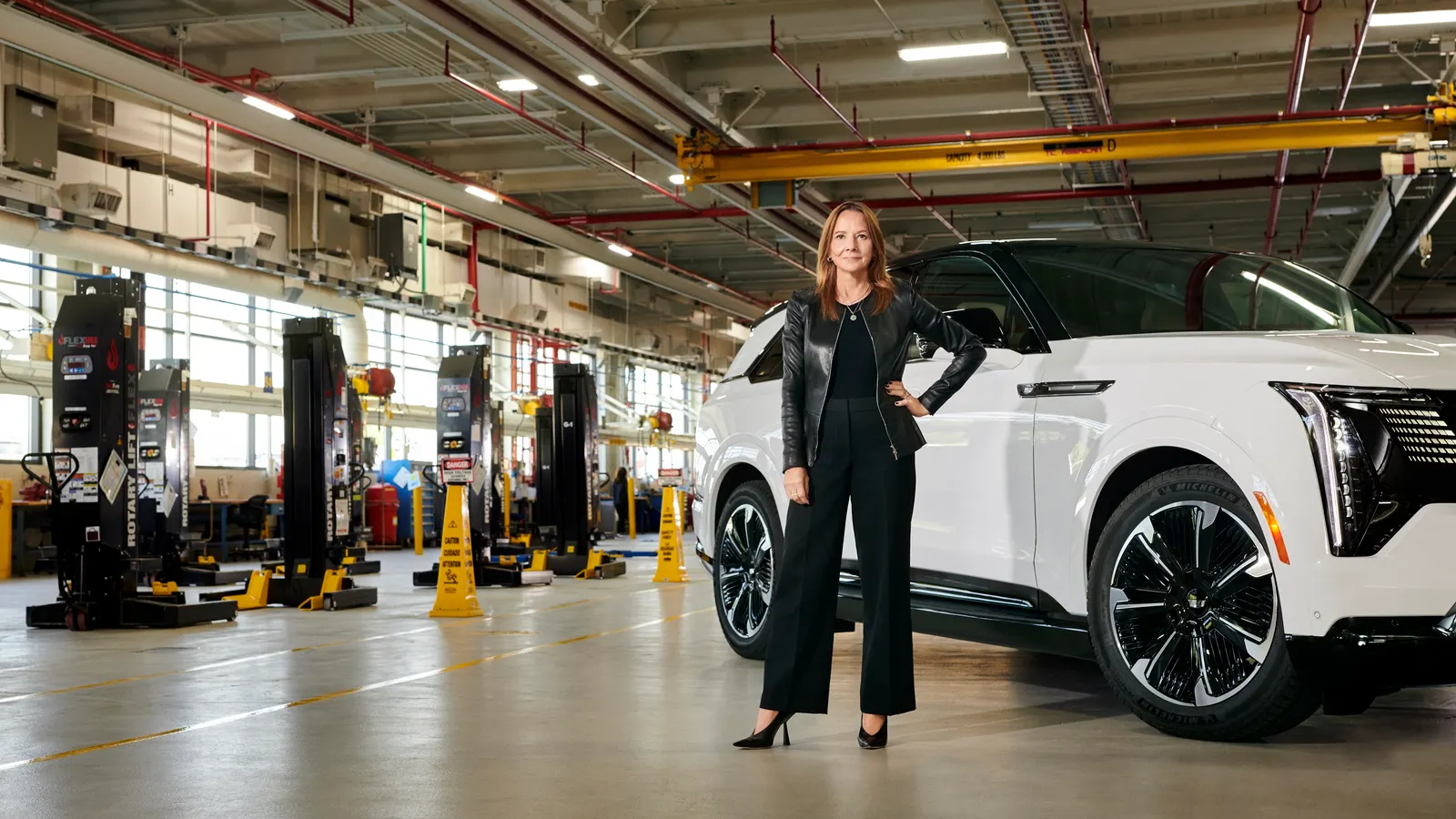
General Motors Chair and CEO Mary Barra has been vocal about the necessity of these partnerships. On the July 21 earnings call, she emphasized that the relationship with suppliers like Micron and Samsung—both of which date back to 2022—has matured into a collaborative engineering effort rather than a simple buy-sell arrangement.
"We haven’t disclosed specific pricing, but I think we’ve got a good relationship with both suppliers," Barra noted. "We’re going to continue to work with them and align on next-generation memory technology, so we can have a jointly developed technology roadmap that I think will enable us to not only enable future product innovation but also performance improvement as we go forward."

CFO Paul Jacobson provided the financial context for this strategy, acknowledging that while commodity and logistics costs remain a headwind, the long-term benefits of onshoring are expected to manifest in the company’s bottom line by 2027. "The investments we are making to onshore production, launch key vehicles, and expand full-size SUV capacity will give us more flexibility," Jacobson stated. "It positions us to grow revenue, gain market share, and improve profitability."
Supporting Data: Navigating the Cost Hurdle
The economic reality facing GM is one of persistent cost pressure. Inflationary forces have hit raw materials—such as steel, aluminum, and the rare earth metals required for EV batteries—as well as the shipping industry.
By increasing domestic production, GM intends to lower its "landed cost"—the total price of a product once it has arrived at the buyer’s door. This includes duties, freight, insurance, and the costs associated with inventory management. Shifting production of the Buick Envision, for example, removes the reliance on volatile trans-Pacific shipping routes and shields the model from potential future tariffs, which have become a significant risk factor in U.S.-China trade relations.
Furthermore, the focus on "full-size and midsize trucks" at the Spring Hill facility is a calculated move to prioritize the most profitable segments of the American market. By concentrating capital where the margins are highest, GM creates the financial headroom necessary to fund the R&D required for its 2028 computing architecture launch.
Implications for the Future of Automotive Manufacturing
The broader implication of GM’s current strategy is a fundamental restructuring of the automotive supply chain. The industry is moving toward a model where "resiliency is the new efficiency."

1. The Era of the Software-Defined Vehicle
As GM prepares for its 2028 computing architecture, the demand for high-end memory and processing power will only increase. By aligning with tech giants like Samsung and Micron today, GM is securing its position in the software-defined vehicle race, where the ability to push over-the-air updates and integrate AI-driven features will be the primary differentiator for consumers.
2. The Shift in Trade Relations
GM’s decision to move production back to the U.S. is a reflection of a global trend toward economic nationalism. Companies that rely on long, fragile global chains are finding themselves at a disadvantage compared to those that can control their production environment. This "onshoring" trend is likely to continue as long as global logistics remain unpredictable.
3. Supplier Integration
The shift away from purely transactional relationships toward "jointly developed technology roadmaps" suggests that the automaker of the future will look more like a technology company. For suppliers, this means being integrated into the R&D process years before a vehicle hits the showroom floor.
Conclusion
General Motors is playing a long game. By simultaneously fortifying its physical manufacturing infrastructure through U.S. investments and securing the digital foundations of its future vehicles through strategic memory partnerships, the company is attempting to insulate itself from the volatility that has plagued the automotive sector for the past half-decade.
While the costs of these initiatives are significant, the management team’s message is clear: the price of inaction is higher. As the company marches toward 2027 and 2028, these strategic moves will be tested against the backdrop of an evolving global economy. For now, GM appears to have the roadmap, the partnerships, and the capital to navigate the challenges ahead.
