
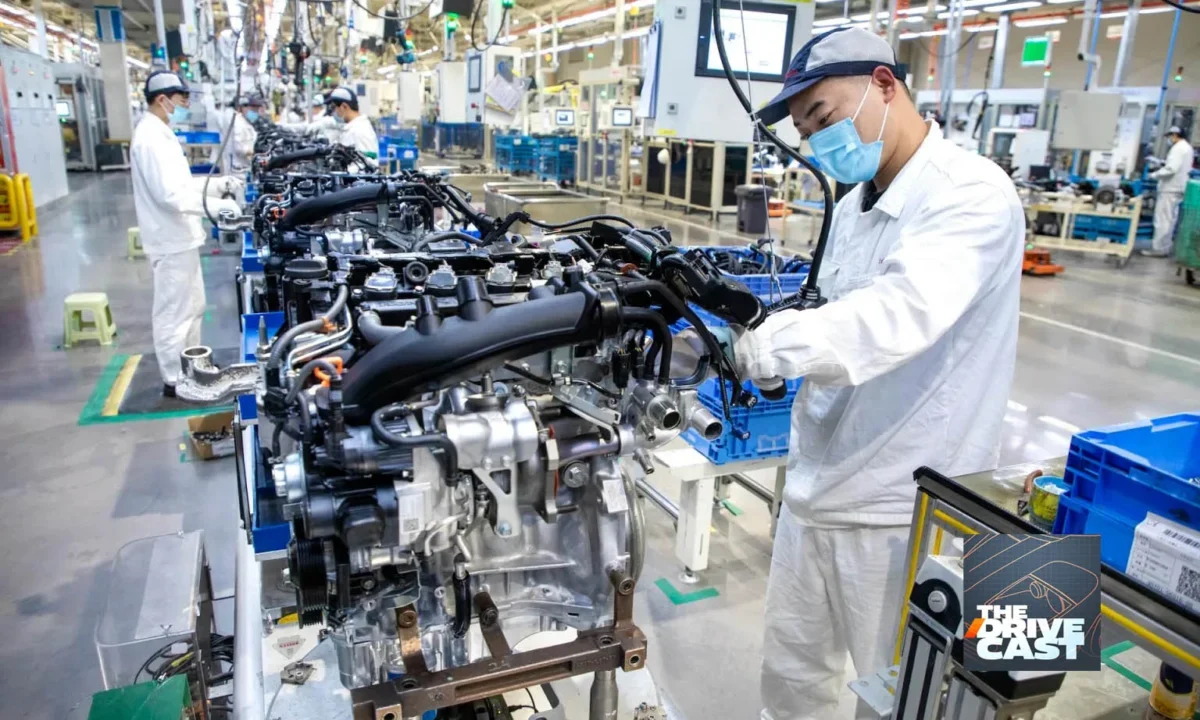




In a sweeping move to refine its operational footprint and bolster long-term profitability, pharmaceutical giant Johnson & Johnson (J&J) has officially launched a comprehensive restructuring of its global supply chain. Focused primarily on its innovative medicine segment—the company’s primary growth engine—the initiative marks a significant pivot toward operational efficiency, cost optimization, and geographic consolidation.
As detailed in the company’s second-quarter 2026 earnings release published on July 15, the project is a multi-year endeavor that will involve the systematic exit of specific manufacturing locations. While the company maintains a robust global presence, this restructuring signals a strategic departure from legacy infrastructure, aiming to create a leaner, more agile manufacturing network capable of navigating the complexities of modern biopharmaceutical production.
Chronology of the Restructuring Initiative
The transition, which officially commenced during the second fiscal quarter of 2026, is part of a broader corporate strategy to streamline operations. The timeline for this transformation is extensive, with J&J projecting a completion date by the end of the 2029 fiscal year.
The Fiscal Q2 2026 Kickoff
The initiation of the plan was marked by immediate financial recognition in the Q2 results. J&J reported $200 million in restructuring expenses during this period. The company clarified that the bulk of these initial costs were attributed to asset impairments, reflecting the early-stage decommissioning of specific sites and the write-down of equipment no longer aligned with the company’s long-term manufacturing roadmap.
The Four-Year Horizon (2026–2029)
The project is structured as a phased exit. Over the next three and a half years, J&J will methodically wind down operations at selected facilities. This process involves more than just closing doors; it encompasses complex logistical transfers, regulatory approvals for new manufacturing sites to pick up the slack, and the delicate management of supplier relationships that may no longer fit the company’s refined procurement strategy.
Supporting Data and Financial Implications
The financial scope of this restructuring is significant, underscoring the magnitude of the changes J&J is undertaking.
Cost Projections and Capital Allocation
Johnson & Johnson estimates that the total cost of this supply chain overhaul will reach up to $750 million by the time the project concludes in 2029. These costs are categorized under several key drivers:
- Site Exits: Costs associated with the termination of leases, site remediation, and the physical closure of plants.
- Supplier Exits: Financial penalties or transition costs associated with renegotiating or terminating contracts with third-party manufacturers and suppliers.
- Decommissioning: The specialized labor and technical processes required to safely shut down complex biopharmaceutical manufacturing equipment.
- Asset Impairments: The accounting adjustments necessitated by the devaluation of machinery and infrastructure that will no longer be utilized.
While the $750 million price tag is substantial, management views it as a necessary investment to ensure the company’s innovative medicine segment remains competitive. By eliminating redundant capacity and consolidating production into high-efficiency centers, J&J expects to see improved margins and faster product turnaround times in the latter half of the decade.
The Dual Strategy: Divestment and Domestic Investment
A critical nuance of the current J&J strategy is the juxtaposition of its manufacturing consolidation with massive capital investment in the United States. While the company is exiting select international or legacy facilities, it is simultaneously doubling down on high-tech, domestic manufacturing capabilities.
Expanding the Footprint in Florida
In a move that highlights the company’s commitment to its vision-care division, J&J announced last month a $1 billion investment to construct a state-of-the-art contact lens manufacturing plant in Jacksonville, Florida. This facility, slated for development over the next two years, is designed to utilize advanced automation and robotics, reflecting a move toward Industry 4.0 standards.
The $55 Billion Domestic Manufacturing Push
The Jacksonville investment is a microcosm of a much larger trend. In January 2026, J&J unveiled an ambitious $55 billion plan to bolster its U.S. production infrastructure. This multi-year capital expenditure program includes:
- Cell Therapy Manufacturing (Pennsylvania): A cutting-edge site dedicated to the production of next-generation oncology therapies, focusing on personalized medicine.
- Drug Manufacturing Facility (North Carolina): A large-scale plant designed to handle the complex manufacturing requirements of innovative medicine, ensuring domestic supply chain security for high-demand pharmaceuticals.
These investments are not merely about increasing volume; they are about technological advancement. By investing in the U.S., J&J is positioning itself to better manage geopolitical supply chain risks and ensure that its most critical innovative medicines remain close to its primary research and development hubs.
Official Responses and Corporate Transparency
In response to inquiries regarding which specific facilities are slated for closure, Johnson & Johnson has remained tight-lipped. The company declined to provide an itemized list of sites, citing competitive sensitivities and the ongoing nature of negotiations with employees, unions, and local authorities.
In its official earnings communication, management emphasized that the restructuring is "essential to ensuring that our innovative medicine segment remains at the forefront of medical advancement." By pruning the operational tree, the company believes it can redirect capital toward R&D and high-growth therapeutic areas, rather than maintaining aging infrastructure that no longer meets the stringent quality and efficiency standards required for modern medicine production.
Industry analysts have noted that the lack of specific detail is common for a restructuring of this scale. "They are playing their cards close to the chest," said one supply chain consultant. "In the pharmaceutical industry, announcing site closures too early can lead to loss of talent and disruptions in product supply. They are likely managing this with extreme caution to ensure a seamless transition for patients who rely on these medicines."
Implications for the Healthcare Sector
The ramifications of J&J’s supply chain restructuring extend far beyond the balance sheet.
Impact on Global Supply Chain Resilience
The transition from a fragmented, legacy-based supply chain to a concentrated, tech-heavy network reflects a wider industry shift toward "reshoring" and "near-shoring." As supply chains have become increasingly vulnerable to global disruptions, J&J’s move to consolidate production in the U.S. serves as a hedge against future geopolitical or logistical instability.
Implications for the Workforce
The restructuring will inevitably result in a realignment of the company’s labor force. While the company has not yet detailed the number of positions impacted, the exit of manufacturing sites typically involves workforce reductions or relocation. Conversely, the massive investments in Pennsylvania, North Carolina, and Florida indicate that J&J will be a significant recruiter of high-skill labor in the STEM and manufacturing sectors over the coming years.
The Future of Innovative Medicine
For the innovative medicine segment, this restructuring is a strategic imperative. The cost of bringing new therapies to market continues to rise, and pharmaceutical companies are under increasing pressure to lower manufacturing costs without compromising on safety or quality. By modernizing its manufacturing footprint, J&J is effectively lowering its long-term cost-of-goods-sold (COGS), which in turn provides more flexibility in pricing and higher reinvestment capacity into the drug development pipeline.
Conclusion
Johnson & Johnson’s 2026–2029 restructuring program represents a bold, high-stakes transformation. By shedding the weight of legacy operations and simultaneously investing heavily in advanced, U.S.-based manufacturing hubs, the company is attempting to redefine its role in the global healthcare ecosystem.
As the company progresses through the next four years, the success of this initiative will be measured not just by the $750 million it spends to execute the transition, but by the operational efficiency and supply chain resilience it achieves by 2029. For investors, employees, and patients alike, the shift signifies a move toward a more sustainable, high-tech, and domestically secure future for one of the world’s most influential healthcare manufacturers. The path forward is complex, but the company’s aggressive capital allocation suggests a firm belief that these changes are necessary to sustain its leadership in an increasingly competitive global market.
