




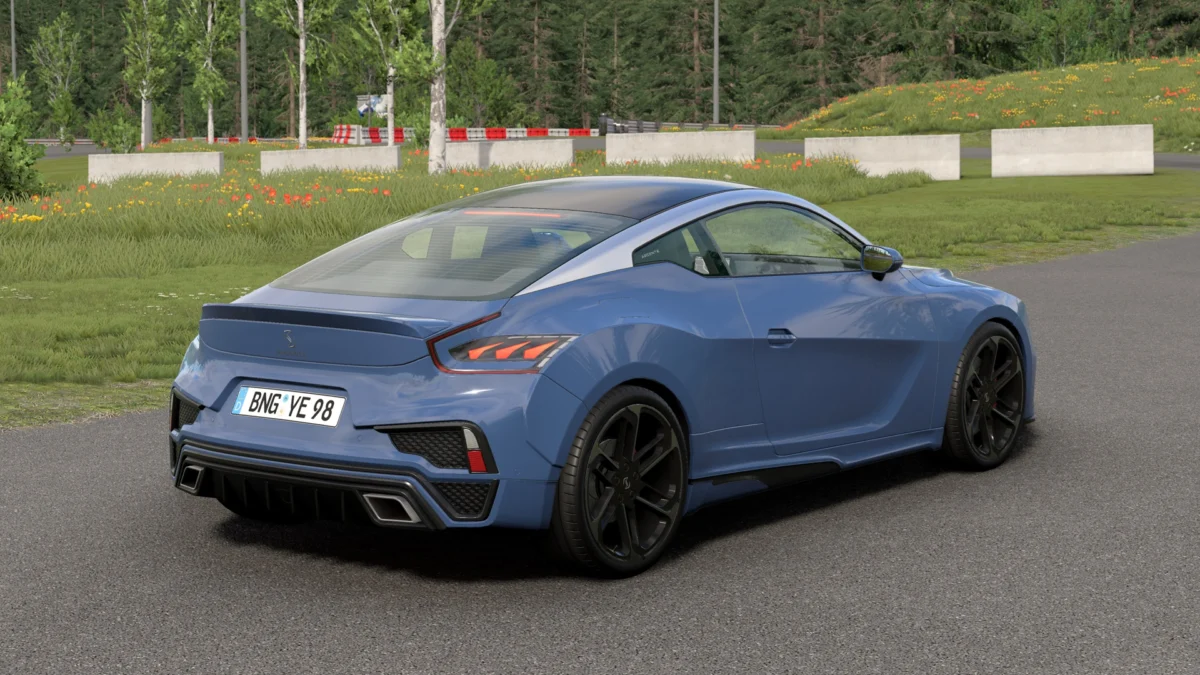
In the high-octane world of digital automotive entertainment, the landscape is shifting. For years, the industry hierarchy has been dictated by massive budgets, aggressive marketing cycles, and the "live service" model that prioritizes daily engagement over player agency. However, a quiet revolution is taking place on Steam, where the venerable, physics-obsessed sandbox BeamNG.drive is closing the gap on the genre’s heavyweight champion, Forza Horizon 6.
While Forza Horizon 6 debuted to immense fanfare this past May—peaking at over 300,000 concurrent players on Steam alone—the inevitable post-launch decline has been stark. By last month, those figures had dwindled to roughly 29,000 active users. Simultaneously, BeamNG.drive, a title that has been in early access for over a decade, is experiencing a surge, averaging over 20,600 concurrent players in July. This is more than a mere statistical curiosity; it is a signal that a segment of the gaming audience is turning its back on the rigid, FOMO-driven (fear of missing out) structures of modern AAA racing games in favor of authentic, physics-based freedom.
The Chronology of a Quiet Ascent
The trajectory of BeamNG.drive is a case study in long-term community cultivation. Unlike the explosive "hype-and-drop" model of major studios, BeamNG has spent the last ten years steadily building its engine.
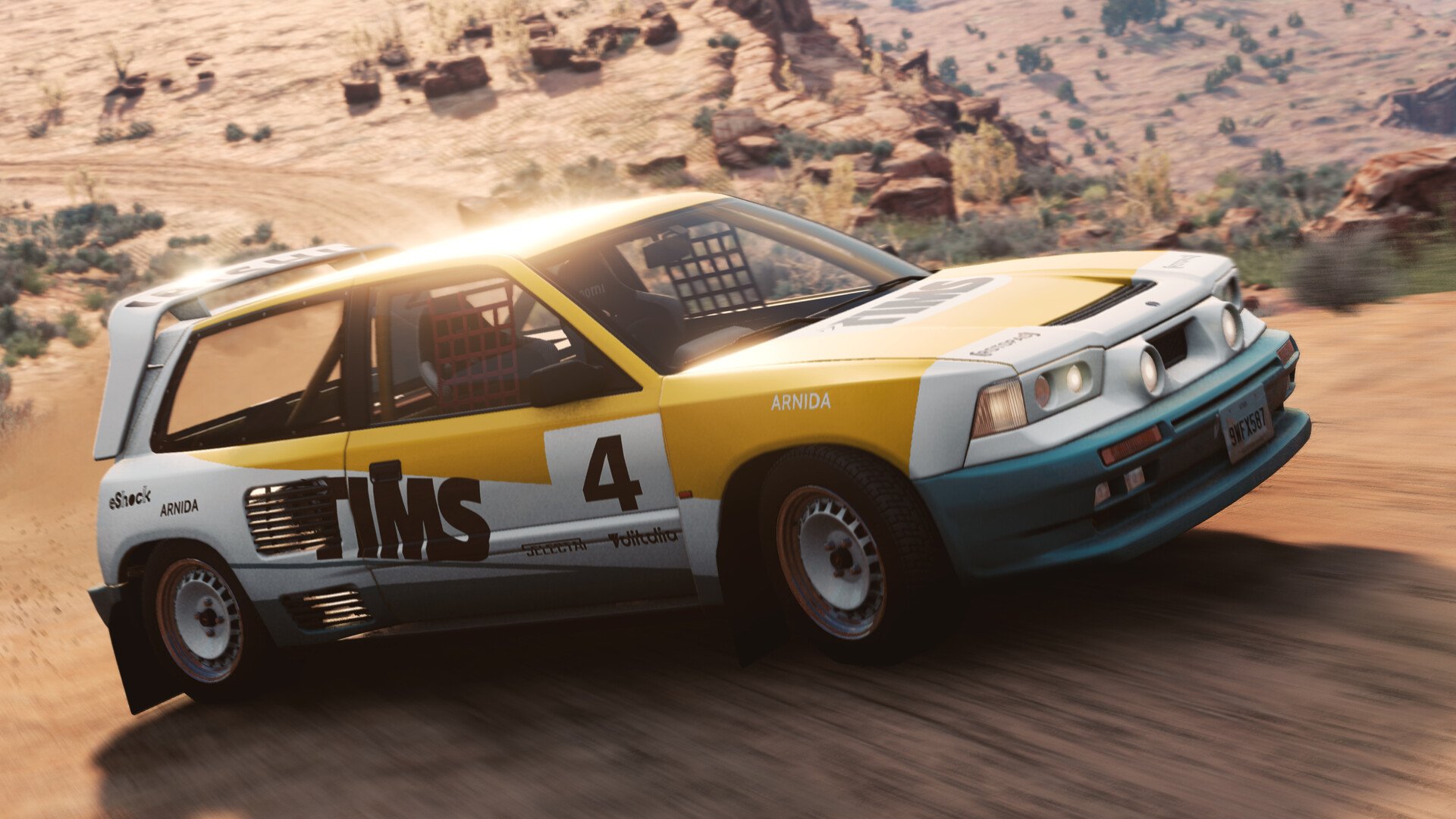
- 2013–2015: The Foundation: BeamNG.drive arrived as a technical curiosity, primarily celebrated for its "soft-body" physics engine. It wasn’t a "game" in the traditional sense, but a sandbox where users could test the limits of structural integrity.
- 2020–2021: The Pandemic Pivot: As global lockdowns kept millions at home, the game saw a massive influx of interest. The rise of short-form video content—specifically on platforms like TikTok and YouTube—showcased the game’s chaotic potential. Watching a car disintegrate under extreme G-forces became viral entertainment.
- 2026: The Modern Peak: Following its most significant update to date—v0.39, which integrated open-source tone-mapping technology akin to Gran Turismo—the game hit an all-time peak of 47,424 concurrent users.
This sustained growth trajectory stands in stark contrast to the standard product lifecycle of a title like Forza Horizon 6, which relies on massive day-one momentum followed by a steady drift toward obscurity as the novelty of its "open world" wears thin.
Supporting Data: A Tale of Two Philosophies
The divergence between these two titles is rooted in their fundamental design philosophies. Data from SteamDB underscores that BeamNG.drive is not just retaining players; it is actively growing. An 8.45% increase in average player count during a summer month is statistically significant for a title that is already ten years old.
The contrast with Forza Horizon 6 is telling. Horizon represents the "frictionless" experience: beautiful graphics, forgiving handling, and a constant barrage of rewards designed to keep the player on a digital treadmill. BeamNG.drive, conversely, is "in-the-weeds" simulation. It does not hold the player’s hand. There are no map markers guiding you to a checklist of collectibles; instead, there is a world of mechanical possibility.
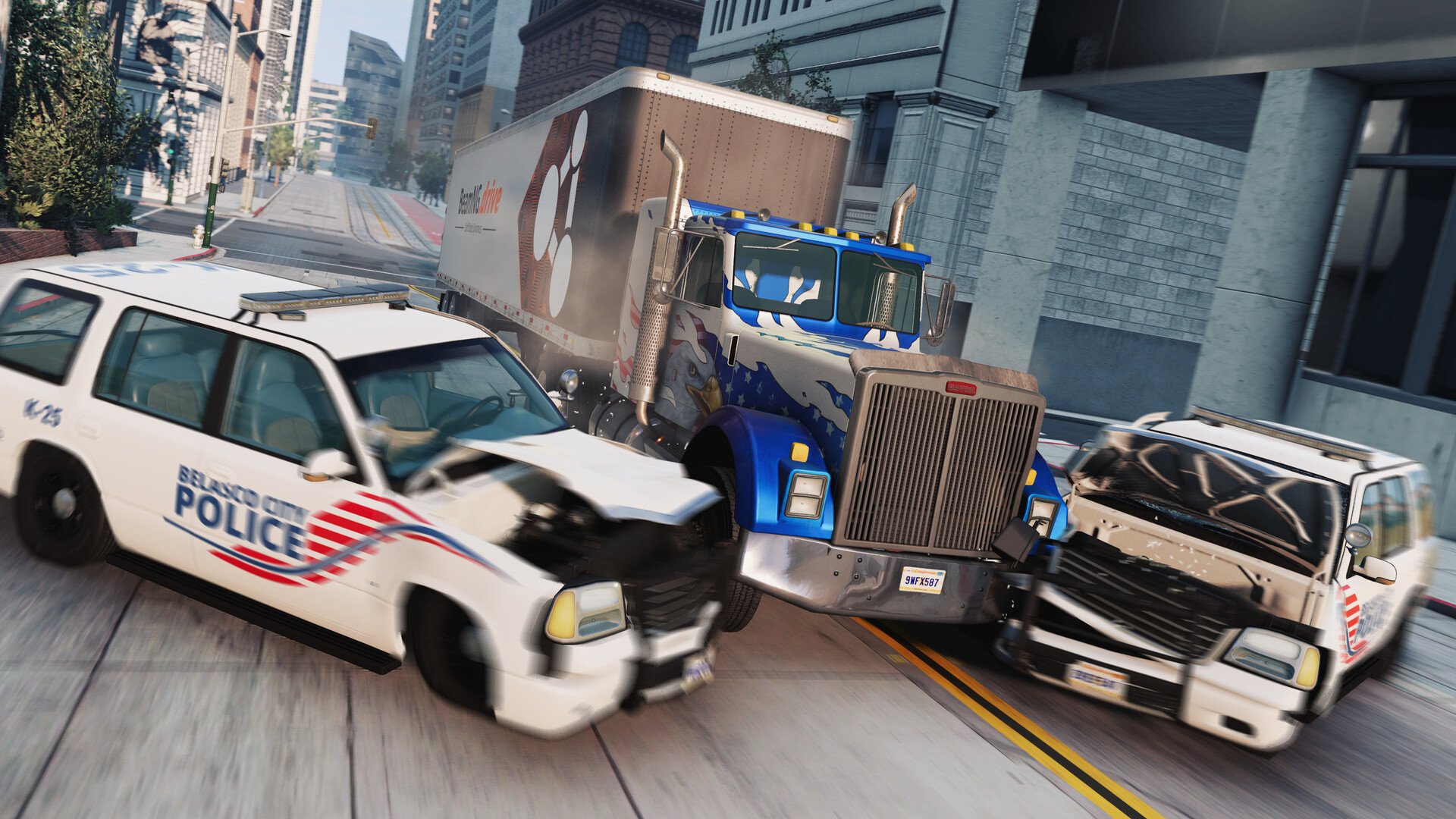
Industry analysts have noted that the "cost-to-fun" ratio is favoring independent titles. While a player might spend $80 to $120 on a premium Forza experience, BeamNG.drive offers a vastly different value proposition at a significantly lower entry price point ($25). This pricing model, combined with the game’s open-ended nature, creates a sense of ownership and creative freedom that modern, high-budget sequels often lack.
The Cost of the "Ultimate Edition" Culture
The shift in player behavior is also a reaction to the increasing monetization of the racing genre. As triple-A games push the boundaries of pricing—with many standard editions starting at $80 and "Ultimate" versions climbing toward $120—consumers are becoming increasingly critical of what they receive for their money.
The upcoming release of Grand Theft Auto VI has already drawn ire for its tiered pricing model, which essentially locks core features like vehicle and character customization behind an expensive paywall. When a player pays $80 for a game, they expect the full experience. When that expectation is met with a "pay-to-access" wall for features that were once standard, the result is a disillusioned player base looking for alternatives.
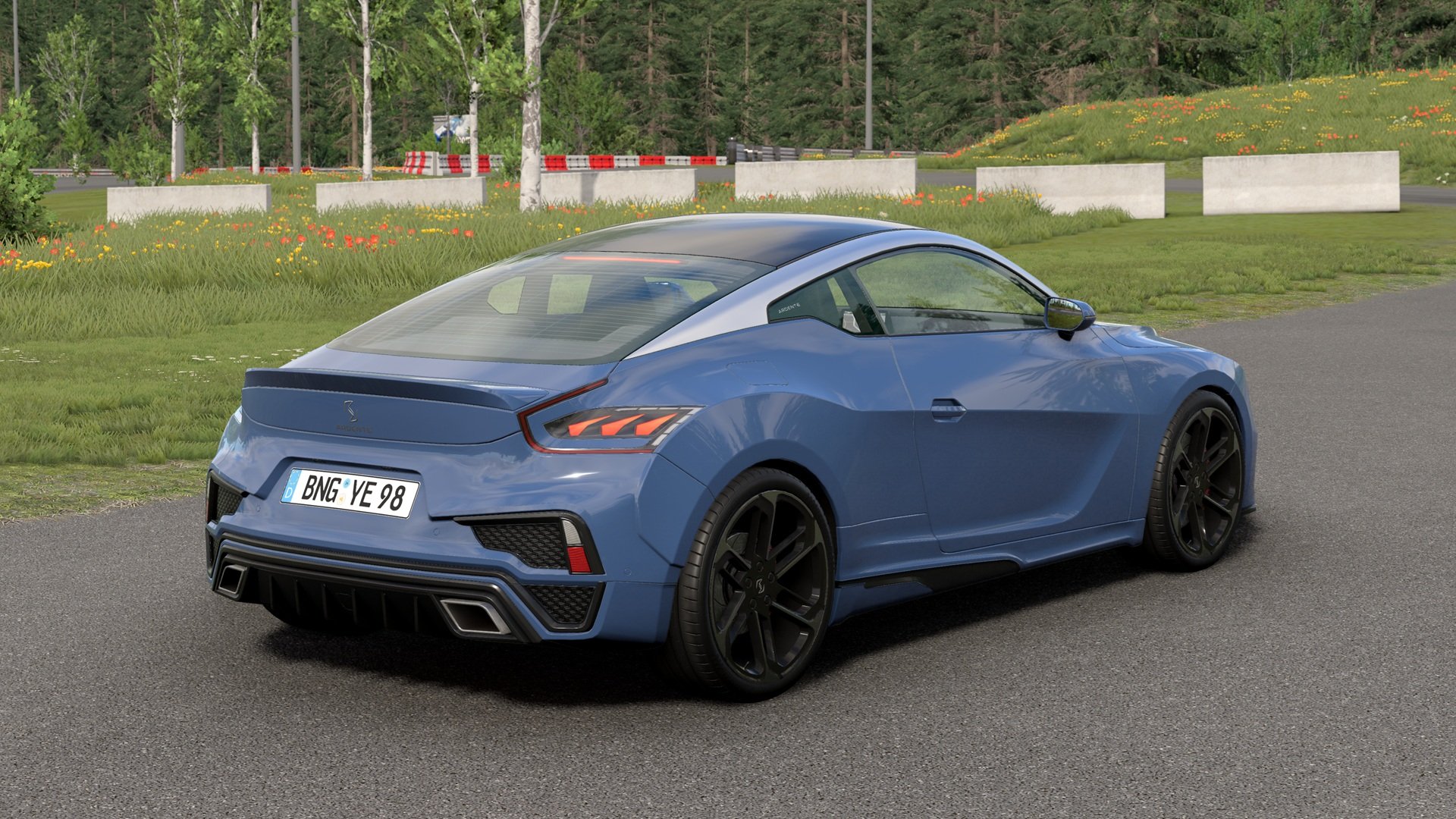
BeamNG.drive offers an antidote to this. It is a sandbox where every vehicle is yours to modify, break, and rebuild without an "Ultimate Edition" upgrade. For many, this represents a return to the roots of gaming: the joy of discovery and experimentation rather than the obligation of meeting daily challenges to unlock a temporary reward.
Official Responses and Developer Perspectives
The team behind BeamNG.drive consists of approximately 70 people distributed across the globe. This "modestly sized" team has achieved what major publishers with thousands of employees have struggled to do: create a community that feels genuinely involved in the product’s development.
While Microsoft and other major publishers have recently been criticized for closing studios and cutting staff to appease shareholders, the BeamNG team has doubled down on technical excellence. By integrating advanced lighting systems and refining their physics engine, they have proven that a small, focused team can outperform the technical standards of massive corporations. They have not released a public statement mocking their competitors, but their silence speaks volumes; they have let their concurrent player counts do the talking.
Implications: A Warning to the Titans
What does this mean for the future of racing games? The data suggests a market correction is underway. Players are no longer satisfied with "pretty" games that lack depth. They want systems that they can engage with, break, and explore.
- The End of "FOMO" Reliance: The success of BeamNG.drive proves that a game does not need a "limited-time event" loop to maintain a healthy player base. If the core gameplay loop is sufficiently deep and rewarding, players will return on their own terms.
- The Power of Modding: BeamNG’s thriving modding community is its greatest asset. By allowing players to add their own vehicles, maps, and physics tweaks, the developers have effectively outsourced content creation to the most passionate members of their audience.
- Technical Transparency: The integration of open-source technologies, such as the Gran Turismo tone-mapping system, demonstrates a commitment to quality that transcends proprietary gatekeeping.
As we look toward the next generation of racing titles, publishers must reconcile with a changing reality. The era of the $100 "live service" racer, characterized by a thin layer of content stretched over a massive, un-interactable map, is facing stiff competition from lean, community-driven projects.
If Forza Horizon and similar franchises want to maintain their dominance, they may need to look at the "sandbox" approach of BeamNG.drive. Players are signaling that they would rather spend $25 on a game that lets them fling a truck off a cliff in 30x gravity than spend $100 on a game that forces them to grind for a digital sticker. The "in-the-weeds" simulation is no longer a niche hobby; it is a major contender for the throne of the racing genre.
