





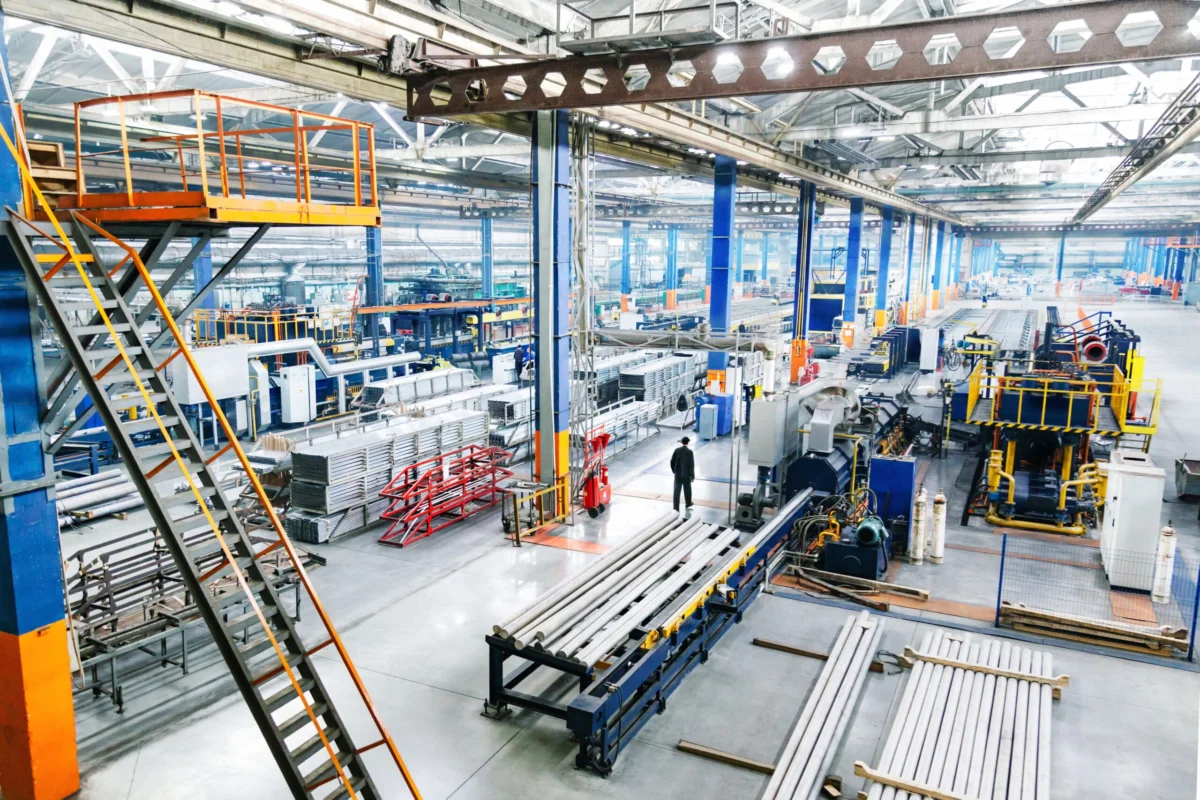
In an era defined by geopolitical volatility, fragile supply chains, and the persistent challenge of stagnant growth in developed economies, policymakers are under immense pressure to foster resilience. While much of the fiscal conversation focuses on headline corporate tax rates, a more technical—yet arguably more impactful—lever remains frequently overlooked: capital cost recovery.
As nations scramble to stimulate private investment, the mechanics of how businesses write off their capital expenditures have become the silent arbiter of economic competitiveness. When tax systems fail to allow businesses to fully deduct the cost of machinery, buildings, and technology in real terms, they effectively tax "phantom profits." This practice raises the cost of capital, stifles innovation, and ultimately suppresses worker productivity and wage growth.
Main Facts: The Anatomy of Capital Recovery
Capital cost recovery refers to the tax treatment of investment expenditures. In an ideal tax system, businesses would be permitted to deduct the full cost of an investment in the year it occurs—a concept known as "full expensing." However, in practice, most jurisdictions force companies to spread these deductions over many years through depreciation schedules.
The central issue is the "time value of money." Because a dollar today is worth more than a dollar ten years from now, stretching a deduction over a decade means the business recovers significantly less than the original cost in "real" terms, especially when accounting for inflation and the required return on investment.
Data from the OECD reveals a striking disparity in how these costs are treated. As of 2025, the average OECD country allows businesses to recover only 70.1 percent of their capital investment costs in real terms. This ranges from the 100 percent recovery offered by the cash-flow tax models in Estonia and Latvia to the significantly lower allowances found in countries like Chile (48.4 percent) and New Zealand (49.1 percent).
A Chronological Perspective: From Decline to Rebound
The evolution of capital allowances since the turn of the millennium tells a story of shifting fiscal priorities.
- 2000–2017 (The Era of Erosion): For nearly two decades, the average capital cost recovery rate in the OECD followed a downward trend, sliding from 71.2 percent in 2000 to 67.2 percent by 2014. During this period, many governments prioritized lowering statutory corporate tax rates while simultaneously broadening the tax base by tightening depreciation schedules.
- 2018–2022 (The Pandemic Pivot): Recognizing the need to keep businesses afloat, many nations introduced temporary accelerated depreciation measures in response to COVID-19. By 2022, the OECD average had rebounded to 71.2 percent.
- 2023–2024 (The Policy Whiplash): As temporary stimulus measures began to expire, capital allowances faced a period of uncertainty, with the OECD average dipping to 68.8 percent in 2024.
- 2025 (The New Normal): The landscape shifted again in 2025. With the United States and Canada reinstating or making permanent their full expensing provisions for machinery, and Germany and New Zealand enhancing their capital allowances, the average OECD recovery rate climbed back to 70.1 percent.
Supporting Data: Asset-Specific Disparities
Not all investments are treated equally. The OECD data highlights a clear hierarchy of tax treatment based on asset class:
- Machinery: The most favored asset, with an average recovery rate of 86 percent. This reflects a global consensus that manufacturing and equipment are the primary drivers of productivity.
- Intangibles: Recovering 78.2 percent on average, these assets—such as software and patents—are increasingly vital in the digital economy, yet remain subject to varied and often restrictive depreciation rules.
- Industrial Buildings: With an average recovery rate of only 50.3 percent, buildings represent the most penalized category. The long lifespans assigned to these assets make them particularly vulnerable to the erosive effects of inflation and interest rates.
These figures are not merely academic. Research shows that a one-percentage-point increase in inflation can reduce optimal investment levels by roughly 0.42 percent in standard tax scenarios. When inflation is high, the "real" value of a depreciation deduction—fixed in nominal terms—evaporates, creating a hidden tax on capital-intensive sectors.
Official Responses and Strategic Shifts
Governments are increasingly viewing capital allowances as a tool for "strategic tax competition."
- The United States: The adoption of permanent full expensing for machinery in 2025 is a landmark shift. Studies suggest this move could increase long-run GDP by 0.6 percent and expand the capital stock by 1 percent. The US has moved to 3rd place in the OECD rankings for capital cost recovery, positioning itself as a top destination for capital-intensive industry.
- The United Kingdom: After a period of "whiplash" policy, where a 130 percent "super-deduction" was followed by a shift to full expensing, the UK has signaled that permanent, predictable tax treatment is its new strategy. The government’s decision to make full expensing a permanent feature reflects an understanding that business certainty is as important as the tax rate itself.
- Estonia and Latvia: By utilizing a cash-flow tax system, these nations have effectively eliminated the complexity of depreciation schedules. By taxing only distributed profits, they ensure that reinvested capital is never subject to the drag of depreciation timing, creating one of the most pro-growth tax environments in the developed world.
Implications: The Path to Future Prosperity
The implications for policymakers are clear: the focus on statutory corporate rates is incomplete. A country can have a competitive corporate tax rate, but if its capital allowance rules are punitive, it will continue to suffer from capital flight and slow productivity growth.
The Case for Permanency
The most significant finding is that temporary measures are a "sugar high" for the economy. While they may pull some investment forward, they fail to raise the long-term level of capital stock. Investors, particularly those involved in large-scale infrastructure or multi-year manufacturing projects, require the stability of permanent policy to justify capital outlays.
The Inflation Factor
With global economies still grappling with the lingering effects of inflationary pressures, the current reliance on long, rigid depreciation schedules is a recipe for stagnation. Policymakers should consider the model used by countries like Mexico and Israel, which allow for inflation-adjusted depreciation. This ensures that the tax system remains neutral, regardless of whether inflation is 2 percent or 5 percent.
The Productivity Imperative
Ultimately, the link between capital cost recovery and worker prosperity is direct. Capital investment provides workers with better tools, newer technology, and more efficient facilities. This increase in the "capital-labor ratio" is the primary driver of labor productivity, which in turn is the only sustainable source of wage growth.
Conclusion: A Call for Reform
As global economies compete to define the industrial landscape of the next decade, the "hidden" tax policy of capital allowances will take center stage. The evidence is overwhelming: restrictive cost recovery policies serve as a brake on economic potential.
To break the cycle of slow growth, policymakers should look beyond headline rates and embrace the modernization of the tax base. By prioritizing permanent, neutral, or full cost recovery for all asset classes, nations can foster an environment where businesses are encouraged to invest, innovate, and grow. In the modern global economy, the country that best treats its capital investment will be the country that leads the next generation of economic prosperity.
For those interested in staying at the forefront of these fiscal developments, the Tax Foundation continues to provide the data and analysis necessary to navigate the complex world of international tax policy. Subscribe to our updates to receive the latest research on how tax code changes affect the global economy.
