
As the continent enters a pivotal year, the intersection of political volatility and industrial transformation poses an unprecedented challenge to Europe’s green ambitions.
Main Facts
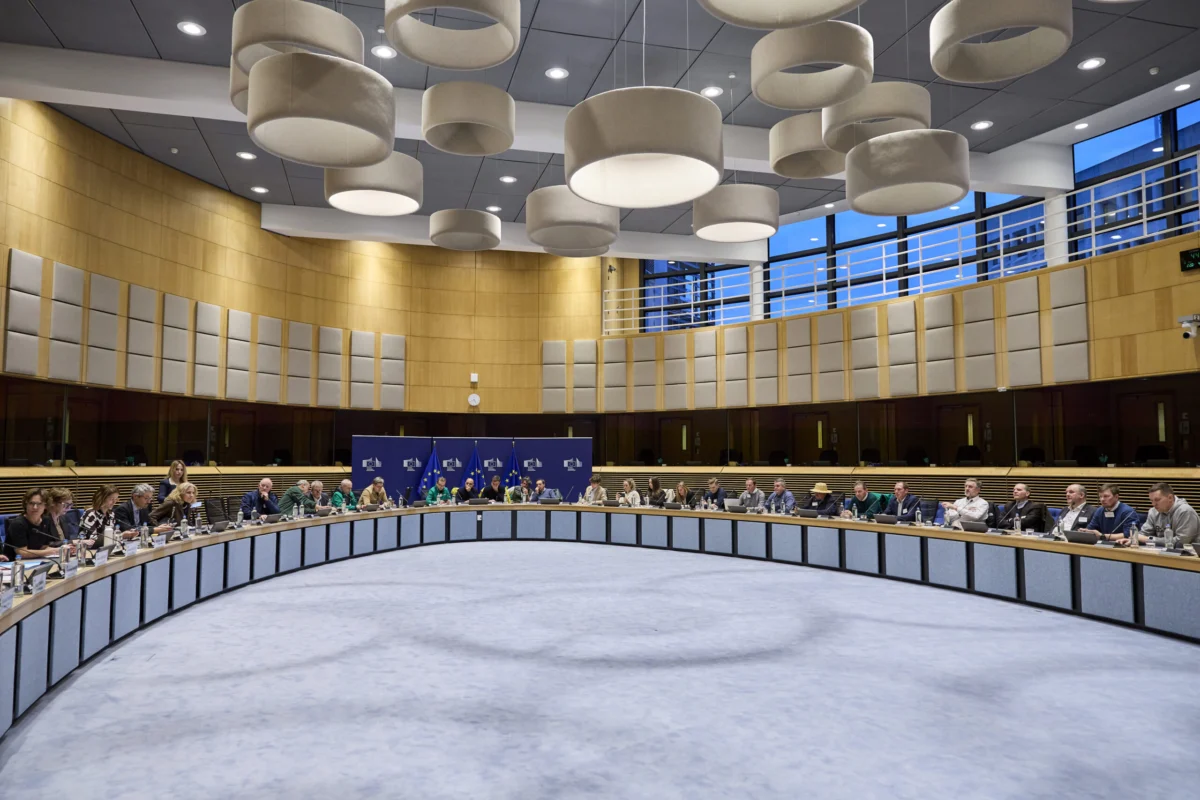
The year 2026 has arrived as a definitive "make or break" period for the European Union’s climate and energy agenda. With Germany—the continent’s industrial powerhouse—navigating a complex transition, the stakes could not be higher. On January 28, 2026, experts and stakeholders gathered (virtually) to assess the trajectory of the bloc’s climate policy.
The core challenge centers on the goal of climate neutrality by 2045. This objective requires a fundamental restructuring of electricity markets, the total decarbonization of industrial processes, and a massive overhaul of the transport and building sectors. However, this technical transition is currently colliding with a shifting political landscape. Far-right populist movements, increasingly emboldened by regional electoral successes, are actively obstructing local climate projects, creating a "bottleneck effect" that threatens to stall national progress. Simultaneously, at the Brussels level, the EU is embroiled in critical negotiations regarding the post-2030 climate framework, the multi-year budget, and the evolution of the Emissions Trading System (ETS).
Chronology: The Path to the 2026 Inflection Point
To understand the urgency of the current moment, one must look at the sequence of events that have defined this decade:
- 2021–2023: The Legislative Sprint: Following the adoption of the European Green Deal, the EU passed the "Fit for 55" package, setting the legal groundwork for a 55% reduction in greenhouse gas emissions by 2030.
- 2024: The Energy Security Pivot: Following geopolitical instability, Germany and the EU accelerated the integration of renewables, shifting the focus from mere environmentalism to energy sovereignty.
- 2025: Regional Realignment: A series of regional elections across Germany saw a marked rise in populist rhetoric, specifically targeting wind farm expansion, heat pump mandates, and EV infrastructure.
- January 2026: The Strategic Assessment: The current moment serves as a check-point. Policymakers are evaluating whether the aggressive targets set in the early 2020s are still technically and politically viable.
- Mid-2026 and Beyond: The EU is slated to finalize its "Post-2030 Framework," which will dictate the speed and intensity of decarbonization for the 2030–2040 period.
Supporting Data: The Magnitude of the Transition
The transition required by 2045 is not incremental; it is structural. According to current projections, Germany must sustain a pace of renewable energy deployment nearly three times higher than the average seen between 2010 and 2020.
Industrial Energy Demand
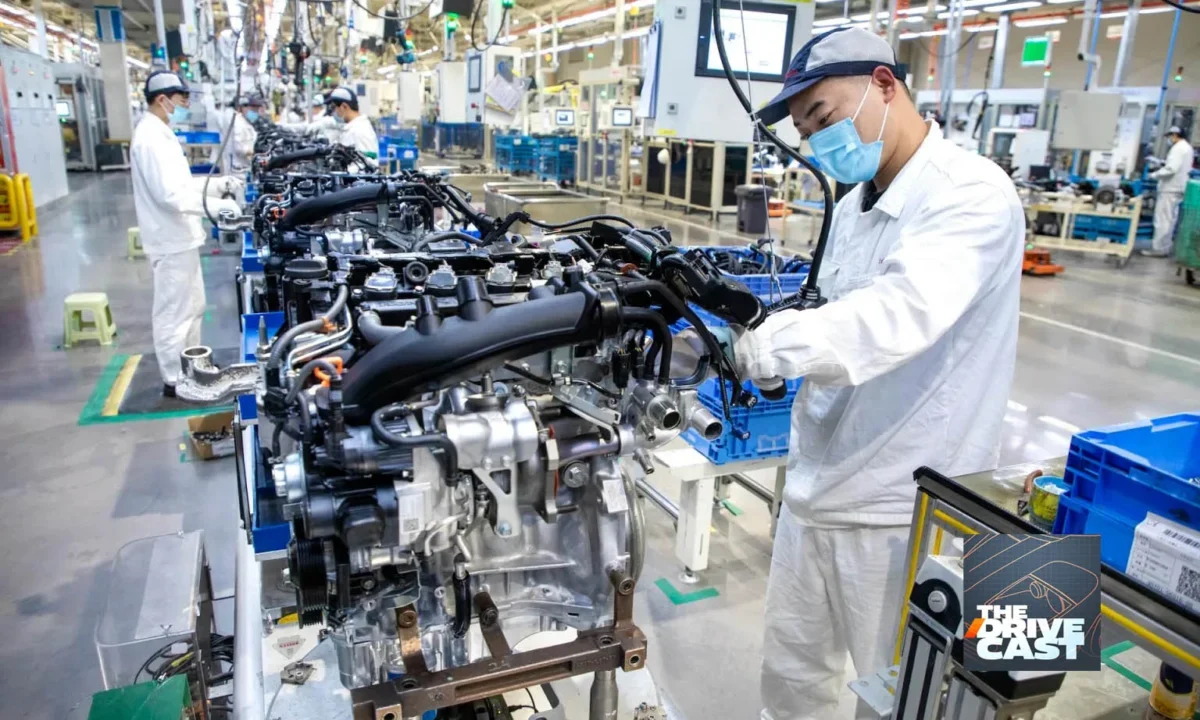
German industry currently accounts for approximately 30% of the country’s total energy consumption. Transitioning this sector—specifically steel, chemicals, and cement—to green hydrogen and electrification requires an estimated investment of €1.5 trillion by 2045. As of early 2026, capital expenditure in these sectors remains roughly 20% below the necessary trajectory to meet intermediate targets.
The Populist "Friction" Factor
Data from regional planning authorities indicate a concerning trend: the "permit time" for onshore wind energy projects in certain populist-leaning districts has increased by 18 months since 2024. This administrative inertia, often fueled by local political resistance, acts as a hidden tax on the green transition, raising costs and delaying the injection of clean energy into the grid.
Official Responses and Political Dynamics
The atmosphere in Brussels and Berlin is one of tense negotiation. Supporters of the current path argue that the "Green Deal" is not merely an environmental policy but an industrial survival strategy.
"We are not choosing between the economy and the climate," a spokesperson for the European Commission noted during recent budget debates. "We are choosing between a modernized, competitive European industry and one that is left behind by global competitors who have already committed to the energy transition."
Conversely, the growing opposition argues that the pace of change is creating "social alienation." Critics point to the rising cost of living and the burden placed on homeowners regarding building retrofits. The political narrative has shifted from "Climate Action" to "Climate Burden," a framing that has proven potent in recent ballot boxes.
Within the German Bundestag, the debate is equally fractured. While the coalition government remains committed to the 2045 target, the opposition is calling for a "pragmatic pause"—a stance that proponents of climate action warn is a euphemism for abandoning the bloc’s international commitments under the Paris Agreement.
Implications: A Future in the Balance
The implications of the decisions made in 2026 will reverberate for decades. The outcome hinges on three specific areas:
1. The Electricity Market Reform
The EU’s effort to decouple electricity prices from volatile natural gas costs is essential. If successful, it will provide the price stability necessary for heavy industry to invest in electrification. If it fails, Europe risks "deindustrialization," where companies move operations to regions with lower energy costs and fewer regulatory constraints.
2. The Post-2030 Climate Framework
The framework currently under discussion in Brussels will determine the stringency of emission caps for the next generation. A weak framework could provide temporary political relief but will ultimately lead to a "climate shock" in the 2030s, when the gap between reality and the 2045 goal becomes too wide to bridge through gradual measures.
3. The Resilience of Democracy
Perhaps the most significant implication is the relationship between democratic stability and climate policy. If governments cannot deliver a transition that is perceived as fair, the resulting political volatility could lead to a wholesale reversal of climate legislation. The "populist pivot" observed in 2025 and 2026 suggests that the green transition is now a test of the European democratic model itself.
Conclusion
As the world watches, 2026 stands as the year where the abstract promises of the European Green Deal meet the hard realities of political, economic, and social friction. The challenge is no longer just about the technological feasibility of wind turbines or heat pumps; it is about the political will to sustain a trajectory that is as necessary for the climate as it is difficult for the voter. Whether Europe stays the course or retreats will define the industrial and environmental landscape of the mid-21st century. The window for consensus is closing, and the stakes for Germany—and by extension, the entire European project—have never been higher.
