




By [Author Name]
Published: August 24, 2026
As the back-to-school shopping season hits its critical crescendo, retail giant Target is signaling that its long-term supply chain transformation is moving from theory to execution. In a recent briefing, Chief Operating Officer Lisa Roath outlined a multifaceted strategy designed to solve one of the retailer’s most persistent historical pain points: inventory reliability. By leveraging advanced digital simulations and aggressive logistics planning, the company aims to ensure that when a customer walks into a store, the products they seek are on the shelves.
The Strategic Imperative: Mastering Inventory Availability
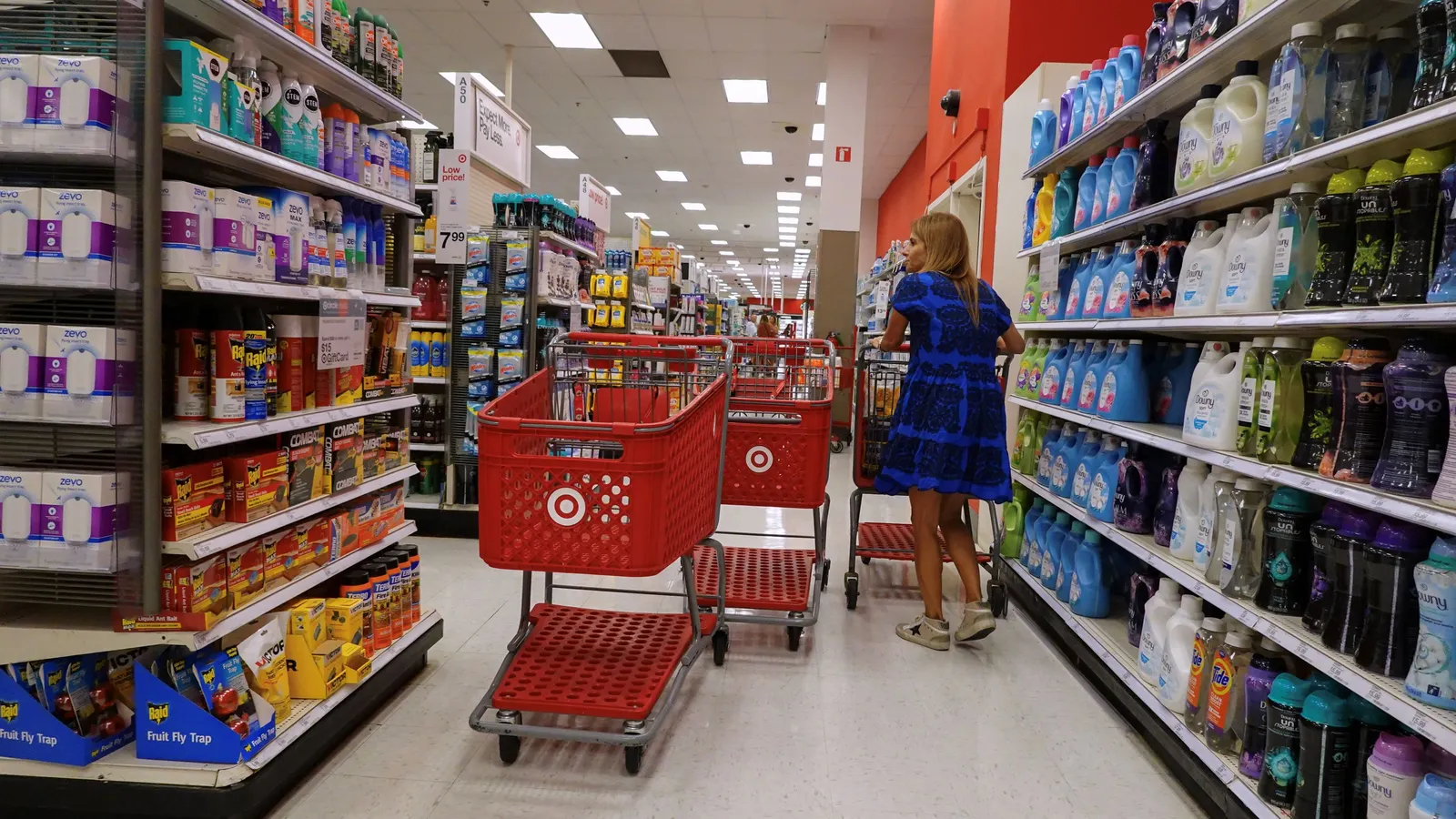
For years, Target has grappled with the "in-stock" challenge—a high-stakes balancing act of having enough inventory to meet demand without over-investing in stock that sits idle. Recent efforts by the retailer indicate a pivot toward precision. According to Roath, the company has implemented a rigorous strategy of "prepositioning" inventory. By moving goods closer to consumer hubs ahead of the school-year rush and securing dedicated trailer capacity, Target is insulating itself against the volatility that often characterizes peak retail seasons.
This move is not merely a seasonal tactic but a core component of Target’s broader turnaround strategy. After experiencing periods where inventory inconsistency hampered customer loyalty, the retailer is now making availability a primary metric of success. The goal is simple yet daunting: ensuring that every shopper completes their trip with every item they intended to purchase. As Roath noted, this consistency is the foundation of building long-term brand trust.
Chronology of a Turnaround: From Logistics Overhaul to Tech Integration
Target’s current logistical posture is the result of a deliberate, multi-year progression. The path to this point can be traced through several key milestones:
- Early 2025: Identifying the Gap. Following lukewarm sales performance, leadership identified supply chain friction as a primary contributor to lost revenue. Internal audits revealed that while the company’s omnichannel offerings (like Drive Up and Order Pickup) were popular, in-store shelf availability remained a point of friction.
- May 2026: Executive Leadership Shift. In a move that signaled a shift in priority, Target appointed former Walmart executive Jeff England as the Executive Vice President and Chief Global Supply Chain and Logistics Officer. England’s mandate was clear: harmonize global sourcing with last-mile efficiency.
- August 13, 2026: The "Proxima" Launch. Target unveiled "Proxima," a cutting-edge digital twin of its middle-mile inventory system. By simulating supply chain decisions before they are implemented, the company has gained a predictive advantage in managing the flow of goods between distribution centers and store shelves.
- Late August 2026: Execution of the Back-to-School Blitz. With the school season in full swing, the combination of prepositioned inventory and the Proxima platform is being put to its first major real-world test.
Data-Driven Logistics: The Role of "Proxima"
At the heart of Target’s operational evolution is the integration of high-fidelity technology. The digital twin, Proxima, represents a significant shift in how retail inventory is managed. Historically, supply chain decisions were often reactive, based on historical sales data that failed to account for real-time market shifts.
Proxima changes this dynamic by providing a virtual sandbox. When logistics managers consider a change in distribution routes or stock levels, they can now run the scenario through the digital twin to see the "downstream impacts." This capability allows for:
- Risk Mitigation: Identifying potential bottlenecks in the supply chain before they manifest.
- Agility: Adjusting product flows in response to regional demand spikes, such as unexpected shifts in school supplies shopping habits.
- Confidence-Based Decision Making: Teams are empowered to make faster, more informed decisions, knowing that the data supports the projected outcome.
"Proxima helps us more efficiently evaluate inventory processes between our buildings and stores," Roath stated. "It gives our teams a way to quickly understand potential downstream impacts, learn faster, and make inventory decisions with greater confidence."
Official Responses and Strategic Vision
During her briefing, COO Lisa Roath emphasized that while the company is encouraged by recent progress, the work is far from finished. Target’s leadership team has adopted a "continuous improvement" philosophy, acknowledging that the retail environment is increasingly unforgiving.
"We are pursuing stronger inventory reliability," Roath said, "with the end goal being greater consistency across all stores and all categories."

While Roath refrained from disclosing proprietary data regarding current in-stock percentages, she noted that internal metrics show a positive trend in customer satisfaction. By removing the "frustration factor" of empty shelves, Target believes it can convert occasional shoppers into loyalists.
Furthermore, the company is looking beyond the physical store to the digital experience. The integration of Shipt for same-day and next-day delivery remains a cornerstone of the strategy. In the second quarter of 2026, Target reported a 30% increase in the fulfillment of same-day and next-day units compared to the previous year. This growth is evidence that the supply chain is not just supporting the store, but effectively fueling the company’s e-commerce ambitions as well.
Implications for the Retail Sector
Target’s aggressive investments in logistics technology and infrastructure carry significant implications for the broader retail landscape:
1. The Rise of the Digital Twin in Retail
Target is setting a benchmark for the use of digital twins in retail. As competitors observe the success of the Proxima platform, it is likely that the industry will see a surge in demand for similar predictive simulation tools. The ability to model the "middle-mile" is becoming a competitive necessity rather than a luxury.
2. The Talent War
The recruitment of Jeff England from Walmart highlights a broader trend: retailers are poaching top-tier supply chain talent to navigate a complex, post-pandemic global economy. Expertise in large-scale logistics, particularly from competitors, is becoming the most sought-after asset in the C-suite.

3. Customer Trust as a Supply Chain KPI
Target is explicitly linking supply chain reliability to customer trust. This suggests a shift in retail marketing: instead of focusing solely on price or variety, retailers are increasingly marketing their logistical capability as a value proposition. The promise to the customer is no longer just "we have the best products," but "we have the products when you need them."
4. Balancing Speed and Consistency
While Target is pushing for faster delivery speeds, the emphasis on "consistency" is equally important. The challenge for Target—and the rest of the industry—is to maintain high-velocity delivery without sacrificing the accuracy of inventory levels. If a retailer promises next-day delivery but fails to have the item in stock, the speed of the service becomes irrelevant.
Conclusion: Looking Toward the Future
As the 2026 back-to-school season draws to a close, Target’s performance will serve as a bellwether for the effectiveness of its supply chain overhaul. The retailer is clearly betting that the intersection of human expertise and machine-learning-driven simulations—exemplified by the Proxima platform—will provide the stability needed to navigate an unpredictable retail future.
With the holiday season looming, the lessons learned from this year’s back-to-school push will be vital. Target’s ability to maintain its trajectory of improvement will likely define its market position for the coming year. For now, the strategy is clear: focus on the fundamentals, utilize the best technology available, and treat the supply chain as the primary engine of customer experience. As Roath and her team continue to refine their approach, the retail industry will be watching closely to see if Target can finally solve the age-old puzzle of perfect inventory alignment.
