





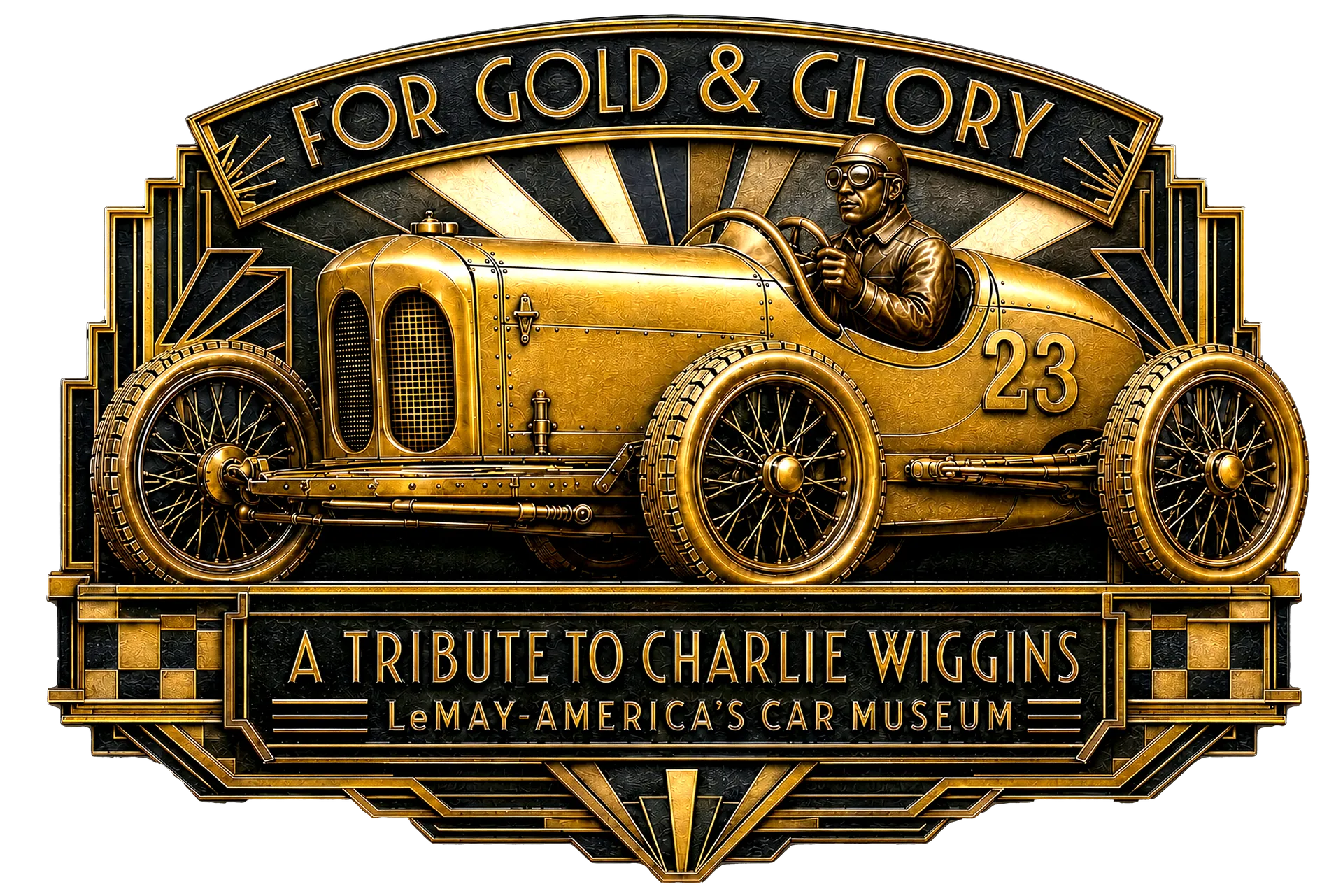
For decades, the annals of American motorsports have been incomplete, characterized by glaring omissions and systemic silences. While the names of racing icons from the early 20th century are frequently immortalized in the halls of fame, the contributions of Black pioneers were systematically scrubbed from the mainstream record. On September 19, LeMay – America’s Car Museum in Tacoma, Washington, will take a monumental step toward correcting this historical oversight with the opening of a groundbreaking exhibition: For Gold & Glory.
The exhibition serves as a long-overdue spotlight on the life, genius, and indomitable spirit of Charlie Wiggins—a man who defied the segregationist barriers of his era to become one of the most formidable forces in early American racing.
The Core Narrative: Reclaiming a Forgotten Champion
At the heart of For Gold & Glory lies more than just an exhibition of vintage artifacts; it is a restorative act of historical justice. Charlie Wiggins, a brilliant mechanic and driver, dominated the Colored Speedway Association’s racing circuit, securing four victories in the prestigious Gold & Glory Sweepstakes. Despite his technical mastery—he was known for his ability to build and tune high-performance engines from salvaged parts—his name was largely relegated to the margins of history, obscured by the racial prejudices that defined the mid-century American sporting landscape.
The centerpiece of the exhibition is the legendary "Wiggins Special." This one-of-a-kind race car, built by Wiggins’ own hands, was the vehicle that propelled him to his quartet of championships. For over 90 years, the car was considered lost to time, a ghost of the track that existed only in faded photographs and oral histories. Its recent recovery and restoration represent a significant archaeological find for the automotive world, providing a tangible connection to a man who, until now, lived only in the memories of a few.
A Chronology of Perseverance: The Life of Charlie Wiggins
To understand the weight of the For Gold & Glory exhibition, one must look at the timeline of Wiggins’ career against the backdrop of a segregated nation.
The Early Years and Technical Ingenuity
Born in 1897, Wiggins moved to Indianapolis—the epicenter of American auto racing—at a time when Black mechanics were often barred from mainstream garages. He began his career by sweeping floors and observing the work of white mechanics. Through sheer intellect and observation, he mastered the internal combustion engine. By the 1920s, he had opened his own shop, becoming the "go-to" mechanic for many prominent white racers who recognized his talent, even if they could not acknowledge him publicly.
The Rise of the Gold & Glory Sweepstakes
As the Indianapolis 500 remained closed to Black drivers, Wiggins and his contemporaries created their own competitive infrastructure. The Gold & Glory Sweepstakes became the premier event for Black racers. Wiggins did not just participate; he engineered a level of performance that set him apart. His four wins in the event cemented his status as a titan of the track.
The Lost Decades
Following the height of his career, Wiggins’ story began to fade. The combination of the Great Depression, the dissolution of independent Black racing circuits, and the systemic exclusion of Black history from American media ensured that Wiggins became a footnote. The "Wiggins Special" disappeared into private collections and warehouses, its provenance hidden, until recent investigative efforts by historians and automotive enthusiasts led to its miraculous recovery.
Supporting Data: The Anatomy of an Innovator
The exhibition does not merely rely on the car itself; it utilizes archival research to provide context to the barriers Wiggins faced. By documenting the "Jim Crow" era of American racing, the museum illustrates the physical, financial, and social obstacles Wiggins navigated.
- Engineering Excellence: The Wiggins Special is a masterclass in ingenuity. The exhibition will feature technical breakdowns of how Wiggins repurposed parts, modified chassis, and optimized aerodynamics.
- The Regulatory Barrier: Visitors will learn about the restrictive bylaws of the American Automobile Association (AAA) and other sanctioning bodies that systematically barred Black drivers from major races like the Indianapolis 500.
- The Economic Context: The exhibition highlights the cost of racing in the 1920s and 30s. Without corporate sponsorships or wealthy patrons, Wiggins’ ability to compete was entirely self-funded, making his four championships a feat of immense financial and personal sacrifice.
Official Responses: A Vision for Historical Equity
The realization of this exhibition has been a labor of love for its curators, who view this project as a vital component of the museum’s mission to preserve the entirety of the American automotive experience.
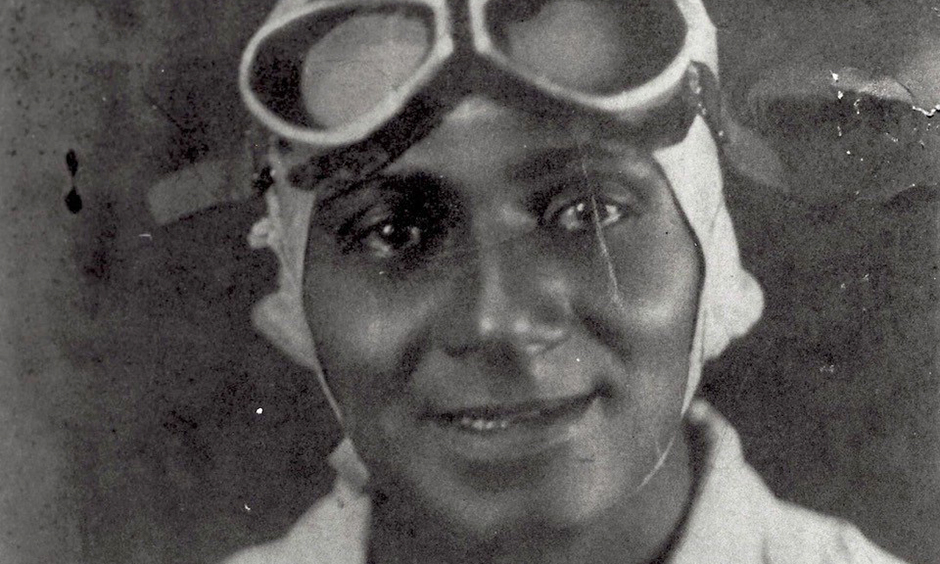
Bruce Patton, Curator at LeMay – America’s Car Museum
"Charlie Wiggins’ story represents exactly why museums like ours exist," says Bruce Patton. "Automotive history is not only about the cars that were built or the races that were won, but about the people whose ingenuity, determination, and courage shaped the culture around them. For Gold & Glory gives us an extraordinary opportunity to bring Charlie’s achievements to a much wider audience and help restore his rightful place in American motorsports history. We are incredibly proud to work alongside Ed Welburn to tell this story with the depth, respect, and ambition it deserves."
Ed Welburn, Guest Curator
Ed Welburn, the former Vice President of Global Design at General Motors, has been the driving force behind this project. His involvement adds a layer of professional gravity to the exhibition, as he has spent years championing the inclusion of diverse voices in automotive history.
"Charlie Wiggins was so much more than just a great race car driver," Welburn noted in a recent statement. "He was a brilliant mechanic, an innovator, a craftsman, and a champion who achieved extraordinary accomplishments despite barriers that should never have been placed in his way. I have carried Charlie’s story with me for many years, and seeing it come to life through For Gold & Glory is deeply personal. My hope is that people walk into this exhibition not knowing his name and leave inspired by his story and unbelievable perseverance."
Implications: Why This Story Matters Today
The opening of For Gold & Glory is more than just a retrospective; it is a call to action for the preservation of cultural history. The implications of this exhibition extend far beyond the automotive community.
1. Broadening the Scope of American History
The exclusion of Black innovators from the historical record has created a skewed understanding of American progress. By centering Wiggins, the exhibition challenges the narrative that innovation in early 20th-century America was a homogeneous pursuit. It reminds us that Black excellence was present, thriving, and contributing to the advancement of technology despite being forced to work in the shadows.
2. The Responsibility of Museums
LeMay – America’s Car Museum is setting a precedent for other cultural institutions. The move to dedicate significant resources to a figure previously left out of the mainstream narrative forces a reckoning with how museums decide which stories are "worthy" of preservation. It signals a shift toward a more inclusive, accurate, and ethical approach to curation.
3. Inspiration for Future Generations
By humanizing the struggle of Charlie Wiggins, the exhibition provides a roadmap for resilience. For young engineers, aspiring racers, and students of history, Wiggins stands as a testament to the idea that talent—when paired with tenacity—can transcend even the most rigid societal structures.
4. A Foundation for Future Research
The recovery of the Wiggins Special is likely only the beginning. With the heightened interest generated by this exhibition, it is expected that more historical documents, oral histories, and artifacts related to the Black racing circuit will emerge. For Gold & Glory provides the necessary scaffolding for future scholars to continue this vital work.
Conclusion: A Legacy Reclaimed
As the doors open on September 19, visitors to LeMay – America’s Car Museum will encounter more than a display of metal and rubber. They will stand in the presence of a legacy that was nearly lost to time. Through the meticulous efforts of Ed Welburn, Bruce Patton, and the entire museum team, Charlie Wiggins is being pulled from the fringes of history and placed back where he belongs: at the center of the story.
The "Wiggins Special," silent for nearly a century, now acts as a loud, resonant voice—a mechanical witness to the courage of a man who refused to be defined by the limitations imposed upon him. For Gold & Glory is a reminder that the race for equality is a long one, and that recognizing those who ran it first—often without recognition or reward—is the only way to ensure the track remains clear for those who follow.
