



The automotive aftermarket landscape is currently undergoing a period of rapid technological evolution, defined by the integration of sophisticated vehicle diagnostics, advanced materials, and a shift toward digital-first supply chain management. Nowhere was this transition more evident than at the Worldpac Supplier and Training Expo (STX), which concluded its five-day run on August 23, 2026.
The biennial event, widely considered one of the premier gatherings for the automotive aftermarket sector, transformed the convention landscape into a massive hub of professional development and commercial collaboration. Drawing more than 2,500 industry professionals—ranging from independent shop owners to corporate supply chain executives—the expo underscored a singular, industry-wide commitment: the pursuit of technical mastery and operational excellence.
Main Facts: A Convergence of Expertise
The 2026 iteration of STX was defined by scale and intensity. Over the course of the five-day event, attendees engaged in a rigorous curriculum that resulted in a staggering 43,200 collective hours of specialized training. This figure represents more than just a metric; it highlights a workforce aggressively upskilling to meet the demands of modern vehicle maintenance, including hybrid-electric powertrains and complex driver-assistance systems (ADAS).
Beyond the classroom, the expo floor served as a theater of innovation. More than 100 international parts manufacturers showcased the latest in automotive technology. From high-performance filtration systems to next-generation braking components, the exhibits provided a comprehensive look at the hardware currently driving the global aftermarket.
The event also served as a stage for formal recognition, as Worldpac honored nine strategic supplier partners. These awards were not merely ceremonial; they acknowledged the critical role that robust supply chains play in the current economic climate, particularly as automotive businesses face ongoing pressures related to lead times, logistics, and quality assurance.
A Chronological Breakdown of the STX Experience
The schedule for STX 2026 was meticulously designed to balance technical education with high-level professional inspiration.
August 19: Opening and Foundation
The event kicked off with a focus on industry connectivity. The initial day served as a bridge between manufacturers and service professionals, establishing the baseline for the networking opportunities that would define the week. Early sessions focused on the shifting regulatory landscape and the digital tools now essential for shop management.
August 20: The Peak of Technical Instruction
As the expo hit its stride, the focus shifted firmly to the classroom. Concurrent sessions ran throughout the day, covering everything from electronic diagnostic theory to the nuances of vehicle systems integration. By the close of the second day, thousands of hours of training had already been logged, setting the stage for a productive week.
August 21: Leadership and Inspiration
Mid-week featured the keynote appearances that anchored the event’s broader theme of "Excellence." The appearance of four-time Super Bowl champion Terry Bradshaw provided a unique narrative on leadership, while the Women’s Luncheon—featuring world-champion triathlete Siri Lindley—offered a masterclass in psychological resilience.
August 22: The Exhibition Floor
Thursday was dedicated to the commercial side of the industry. With the training modules largely complete, attendees spent the day navigating the 100+ manufacturer booths, conducting direct procurement meetings, and assessing the latest product releases.
August 23: Reflection and Future Outlook
The final day focused on the long-term implications of the information shared throughout the week. As the event concluded, Worldpac officially set the horizon for the next gathering, announcing that the STX series would return in 2028, solidifying its place as a cornerstone of the biennial automotive calendar.
Supporting Data: The Quantitative Impact of STX
The success of STX 2026 can be measured through several key indicators that demonstrate the health of the aftermarket sector:
- Human Capital Investment: With 43,200 training hours, the average attendee engaged in approximately 17 hours of intensive coursework. This level of professional development is unprecedented in a five-day format, suggesting a high level of engagement with complex, modern automotive systems.
- Manufacturer Participation: The presence of over 100 international manufacturers indicates that the aftermarket supply chain is globalizing at a rapid pace. This international presence allows domestic shops to access high-end parts that were previously difficult to source, narrowing the gap between dealer-level parts and aftermarket alternatives.
- Attendee Demographics: The diversity of the 2,500+ attendees—spanning technicians, service advisors, business owners, and logistics managers—highlights the multi-disciplinary nature of the modern automotive repair facility.
Official Responses and Keynote Insights
The keynote sessions provided the philosophical backbone for the week, moving beyond mechanical repair to address the character required to excel in a high-pressure industry.
The Bradshaw Perspective
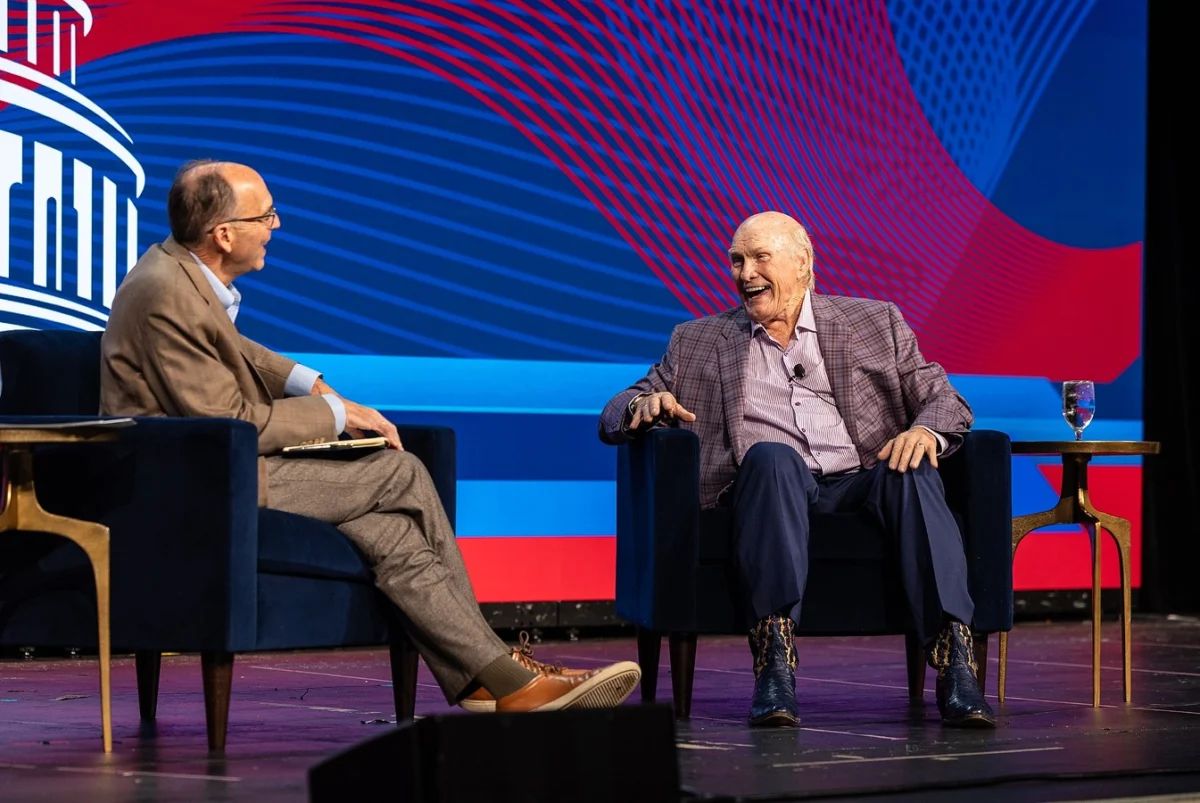
Worldpac President and CEO John Hamilton moderated a session with NFL Hall of Famer Terry Bradshaw. The discussion was wide-ranging, touching on Bradshaw’s well-known passion for automotive mechanics and his journey through the high-stakes environment of professional football. Bradshaw emphasized that "excellence is not a destination, but a daily habit." He drew direct parallels between the discipline required to win championships and the precision required to maintain a vehicle. "When you’re under the hood, or on the field, the level of preparation determines the outcome," Bradshaw noted during the Q&A.
The Lindley Mandate
Siri Lindley’s address during the Women’s Luncheon was perhaps the most emotionally resonant moment of the expo. As a two-time world champion triathlete, Lindley spoke candidly about the "mental barriers" that prevent professionals from reaching their full potential. She challenged the audience to reconsider the boundaries of their own capabilities.
"How can you ever know what you’re truly capable of if you’re not trying to do what you don’t think you can every single day?" Lindley asked. Her message served as a rallying cry for attendees, many of whom are navigating the transition from traditional mechanical repair to the highly technical world of computer-controlled vehicle systems.
Implications for the Aftermarket Sector
The 2026 STX was more than a trade show; it was a signal of where the industry is heading. Several implications can be drawn from the event’s success:
1. The Death of the "Generalist"
The sheer volume of training provided at STX suggests that the era of the generalist technician is ending. As vehicles become "computers on wheels," the demand for specialized, highly trained professionals has become absolute. The 43,200 hours logged during the event are a direct response to this necessity.
2. Supply Chain Integration
The interaction between 100+ manufacturers and thousands of service providers indicates a shift toward a more transparent supply chain. By bringing these parties together, Worldpac is facilitating a "short-circuit" in the procurement process, allowing shops to gain better access to technical support directly from the manufacturers, rather than relying solely on secondary distributors.
3. A Focus on Workforce Retention
By investing in high-level training and providing inspirational keynote speakers, Worldpac is implicitly addressing the industry-wide struggle for talent retention. When employees are given the tools to excel and the inspiration to grow, they are more likely to remain in the trade. STX acts as a retention tool, elevating the status of automotive professionals to that of high-level technicians and business leaders.
4. Preparation for 2028
The early announcement of the 2028 expo serves as a strategic marker. It suggests that Worldpac is already planning for the next phase of the industry’s evolution, likely centered around autonomous driving technology, V2X (Vehicle-to-Everything) communication, and the continued expansion of the electric vehicle market.
Conclusion: Setting the Pace for the Future
The 2026 Worldpac Supplier and Training Expo was a testament to the resilience and ambition of the automotive aftermarket. In a world of rapid disruption, the professionals who gathered in August demonstrated that the path forward is paved with knowledge, partnership, and a relentless pursuit of improvement.
As the industry looks toward the next two years, the lessons learned at STX—both technical and professional—will undoubtedly filter down into the millions of repair jobs performed across the country. With the roadmap for 2028 already being drafted, the aftermarket sector has confirmed its trajectory: it is moving toward a future that is more integrated, more technical, and more professional than ever before. For the 2,500 attendees who left the expo with new skills and new connections, the work of the future has already begun.
