





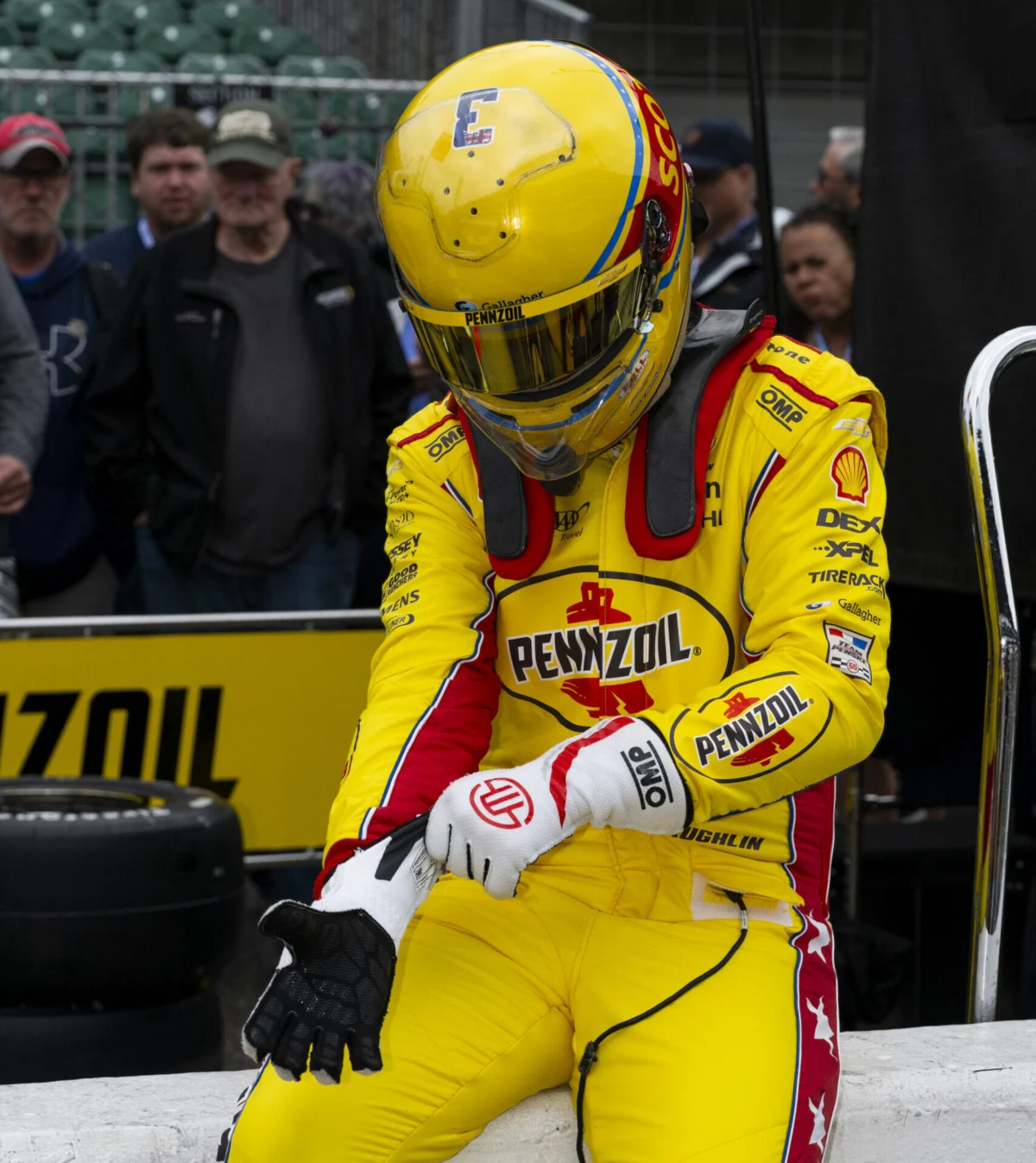
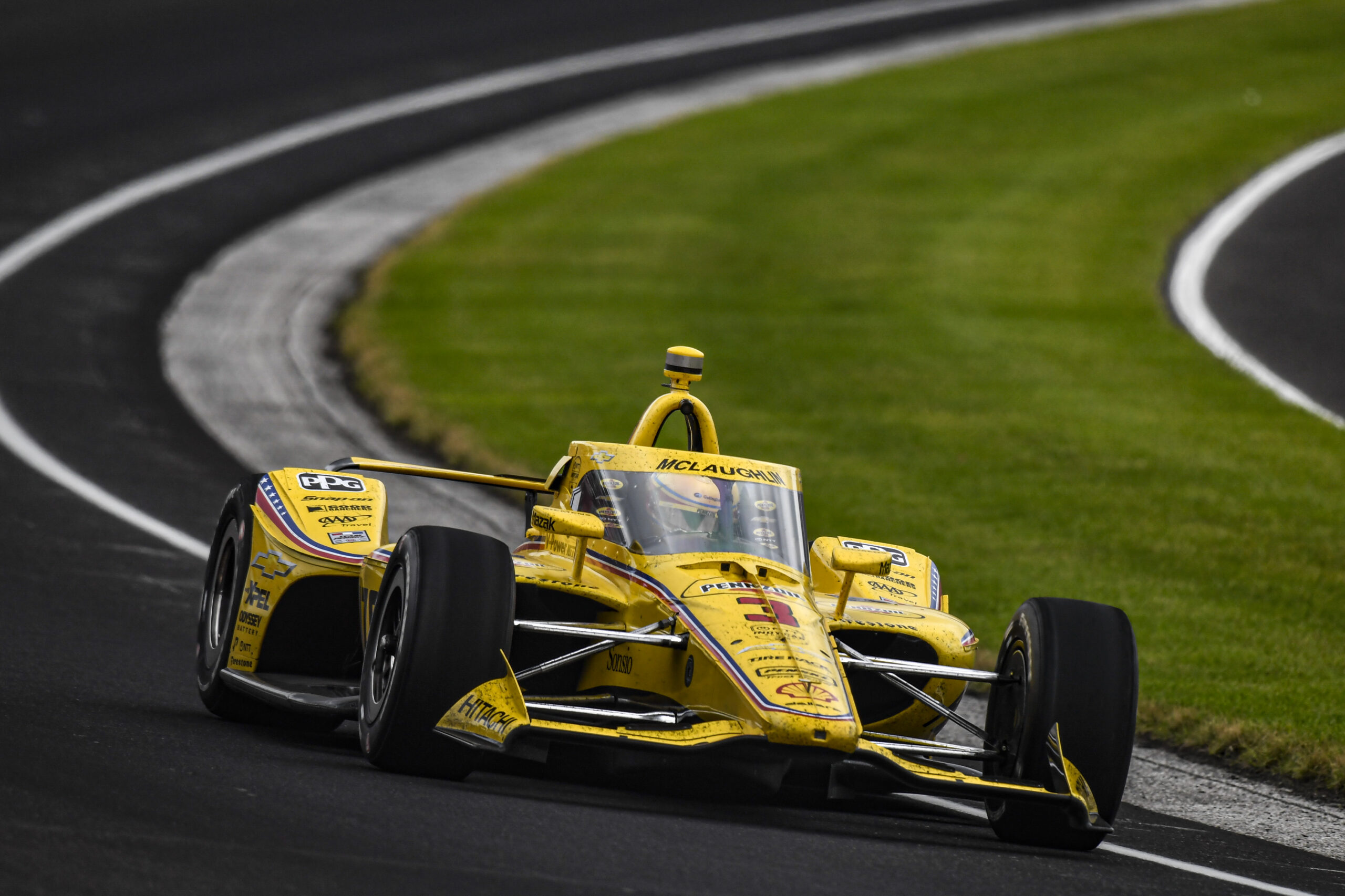
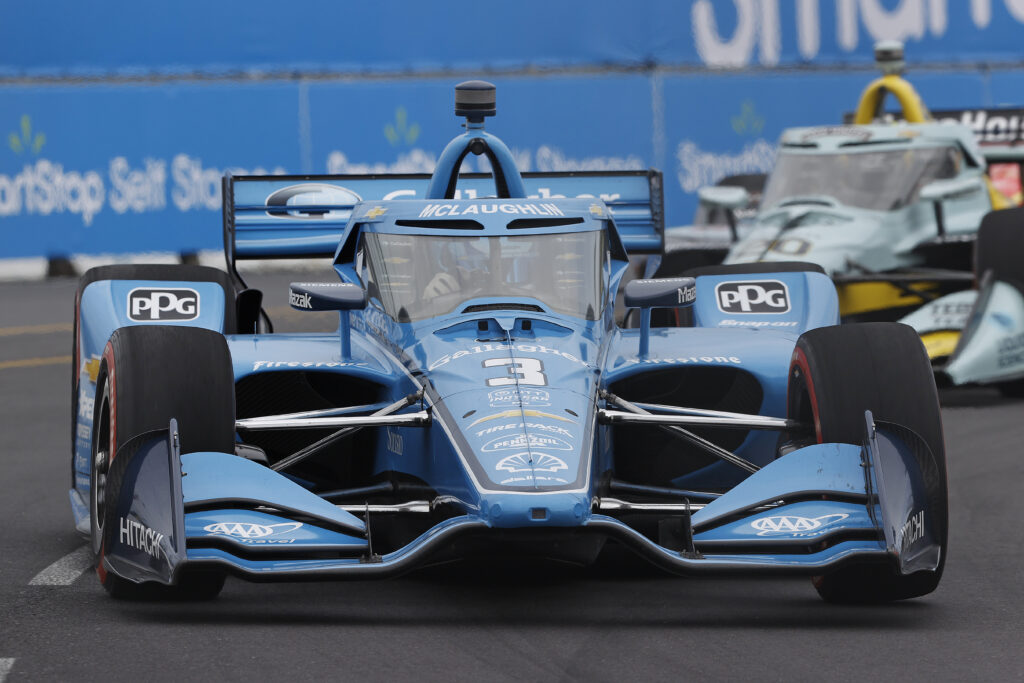
In the high-stakes theater of the NTT IndyCar Series, victory is measured in milliseconds. While fans focus on the daring overtakes of drivers like Team Penske’s Scott McLaughlin, a quiet, high-tech battle is being waged deep within the engine blocks of the 2.2-litre twin-turbo V6 powerplants. Here, lubricants are pushed to their absolute physical limits—enduring sustained temperatures, extreme pressures, and mechanical stresses that far exceed the conditions of any consumer highway commute.
For partners like Pennzoil, IndyCar is not merely a marketing platform; it is a high-speed laboratory. By analyzing how lubricants behave under the brutal reality of 12,000-plus RPM and constant, full-throttle operation, engineers are gaining critical insights that eventually trickle down to the motor oil found in everyday passenger vehicles.
The Crucible of Competition: Main Facts
IndyCar racing provides a unique environment for material science. Unlike traditional consumer vehicles, which operate within a predictable envelope, IndyCar engines are designed to maximize output, often at the expense of longevity.
At the core of the partnership between Pennzoil and Team Penske is a shared objective: to study the chemical and physical response of oil to extreme heat, load, and wear. These lubricants must maintain their structural integrity while being subjected to:
- Intense Thermal Stress: Temperatures that threaten to thin the oil and induce oxidative breakdown.
- Mechanical Friction: High-speed interaction between metal components that requires a robust, unbroken protective film.
- Variable Load Spikes: Sudden changes in engine demand that can compromise lubrication stability.
This data-driven approach allows Pennzoil scientists to refine the additive chemistry and base oil technologies that protect engines, whether they are powering a championship-contending Chevrolet or a family sedan navigating urban traffic.
A Legacy of Innovation: The Chronological Perspective
The collaboration between Shell-Pennzoil and the racing world is deeply rooted in a history of technical evolution. For Dr. Jung Fang, associate technology manager for North American motorsports at Shell-Pennzoil, the relationship between the company and Canadian race circuits holds a special significance.
Reflecting on his career, Dr. Fang recalls the early days of IndyCar exhibition races in Canada. “I remember my very first IndyCar race was in the exhibition place in Canada. So I know it’s no longer there. We moved to Markham, but Canada and the IndyCar race have always had a special place in my heart,” he noted.
This long-standing connection has evolved from simple sponsorship into a sophisticated engineering feedback loop. As the series has moved and expanded, so too has the complexity of the data collected. Each race weekend, from the streets of Markham to the iconic ovals of the United States, serves as a new milestone in a multi-decade effort to perfect lubricant performance. By analyzing the oil post-race, engineers can trace the history of every component’s stress, creating a chronological map of how modern chemistry holds up against the relentless march of horsepower.
The Physics of Failure: Supporting Data and Technical Metrics
To understand the necessity of this research, one must understand the engine’s demand. The 2.2-litre twin-turbo V6 engines are marvels of efficiency, yet they operate in a state of constant fragility.
Viscosity and the Balancing Act
Andrew Miller, an IndyCar development engineer at Team Penske, emphasizes that the primary challenge is the relationship between temperature and viscosity. "You can’t get too low viscosity that you start producing your oil film between those metallic components," Miller explains. "That’s when you start to have a lot more metallic wear into the oil."
As temperature increases, oil naturally thins. While lower viscosity can reduce internal drag and increase efficiency, it risks losing the "film strength" required to separate metal parts. If the film fails, the result is instantaneous metallic wear, detectable in the oil’s chemistry later.
The Dangers of Aeration
Dr. Fang highlights another silent killer of engine performance: foam. When oil temperatures spike, the oil’s density decreases, making it prone to aeration. "If the oil temperature becomes too high, that probably means it will reduce the density of the oil and can create undesirable foam," Fang explains.
Foam is disastrous for an engine because it replaces the incompressible liquid lubricant with air bubbles. Air does not provide the same protective film as oil, nor does it conduct heat away from the engine block effectively. This leads to localized "hot spots" and increased mechanical wear, creating a feedback loop of degradation that can ultimately lead to total engine failure.
Official Perspectives: The Engineering Dialogue
The collaboration between Team Penske and Pennzoil relies on a rigorous exchange of telemetry and laboratory analysis. Both Miller and Fang stress that they operate in an environment of constant monitoring.
Telemetry as a Shield
During a race, engineers do not wait for the car to return to the paddock to check the oil. They monitor live telemetry, tracking primary pressures and temperatures. If a sensor indicates a temperature drift, the team can adjust the car’s cooling configuration in real-time.
"We have a lot of sensors on the car," Miller says. "In terms of lubricants, it’s looking at primary pressures and temperatures throughout the event. Sometimes we’ll also monitor fluid levels… those are the primary metrics that we’re using, as well as just looking at overall powertrain performance."
Post-Race Forensic Analysis
Once the checkered flag falls, the true investigative work begins. Engineers take oil samples and subject them to "wear-metal analysis." By using laboratory instruments to measure the concentrations of iron, aluminum, and copper, they can pinpoint exactly which part of the engine is experiencing the most stress.
"If we see elevated wear metal, that probably means the oil needs to be reviewed for the volume, and if a different base oil technology or additive needs to be updated to further improve," Dr. Fang explains. This forensic approach ensures that every race builds upon the knowledge of the last.
Broader Implications: From Track to Consumer
While the average driver will never subject their vehicle to the extreme thermal cycling of a 12,000-RPM IndyCar engine, the implications of this research are profound for the automotive industry at large.
The Transfer of Knowledge
The "extreme testing" performed on the track acts as a filter for future chemistry. When a new additive or base oil survives the crucible of an IndyCar season, it earns its place in the commercial pipeline. The lessons learned about oxidative stability—the oil’s ability to resist chemical changes under heat—are directly applicable to the stop-and-go driving patterns that define the average consumer’s life.
Stop-and-go traffic, frequent cold starts, and short trips can be just as damaging to oil as high-speed racing, albeit in different ways. By mastering the ability to prevent oxidation and maintain viscosity in the most volatile environment on earth, Pennzoil is better equipped to protect the engines of millions of daily commuters.
A Commitment to Durability
Ultimately, the partnership between Pennzoil and IndyCar is a testament to the pursuit of reliability. Whether it is a professional driver fighting for a podium finish or a parent driving their children to school, the underlying goal remains the same: ensuring that the engine remains protected.
"Those extreme testing conditions help us gain insights that ultimately benefit everyday consumers," Dr. Fang concludes.
As automotive engineering continues to push the boundaries of efficiency and power, the synergy between the racetrack and the research laboratory will remain vital. IndyCar serves as the ultimate proving ground, ensuring that when the light turns green, the chemistry inside the engine is ready to perform—not just for the sake of a trophy, but for the longevity and health of every engine on the road.
