




Introduction: A Political Watershed
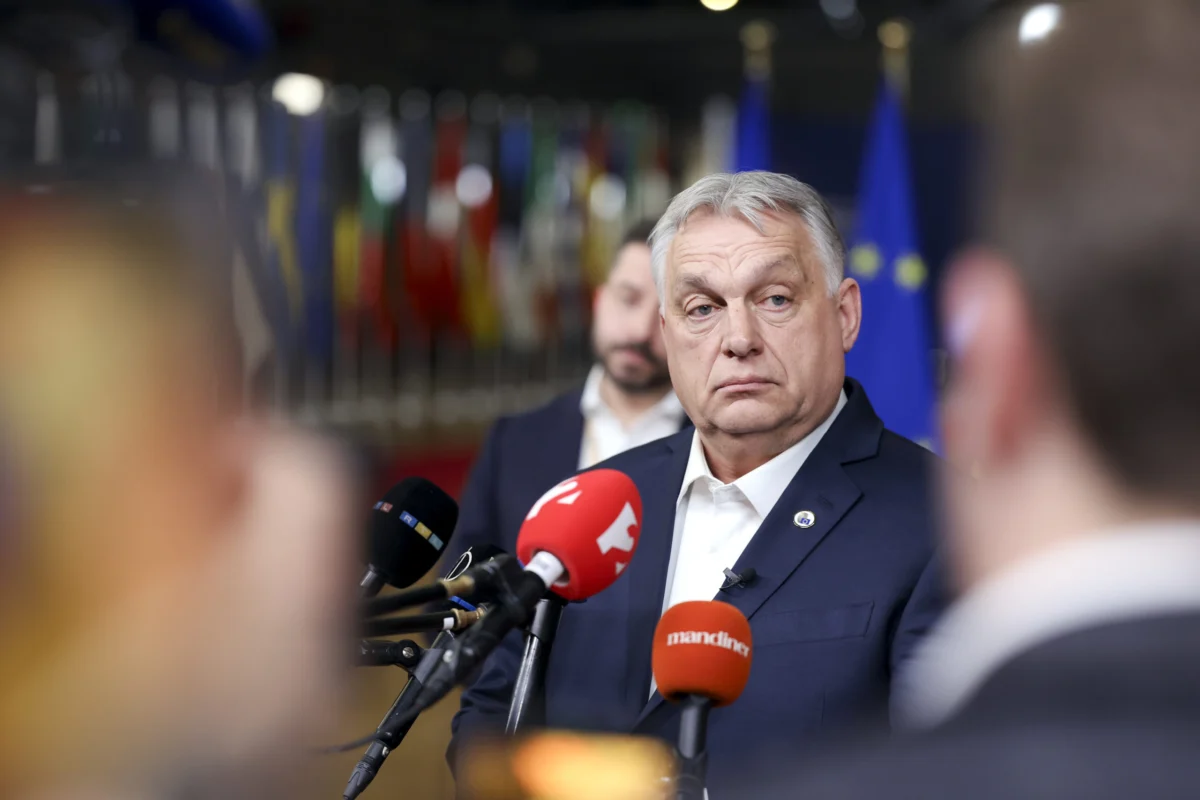
On April 12, 2026, Hungary will hold a general election that carries profound implications not only for its domestic governance but for the future trajectory of the European Union’s energy and climate policy. After 16 consecutive years under the premiership of Viktor Orbán, the nation faces a stark binary choice. Recent polling suggests a political consolidation, with only two forces—Orbán’s Fidesz party and Péter Magyar’s conservative Tisza movement—poised to clear the parliamentary threshold. This consolidation threatens to leave the remainder of the political spectrum without representation, effectively creating a high-stakes, two-horse race that could dismantle the status quo.
As the nation prepares to head to the polls, Clean Energy Wire (CLEW) is hosting a critical briefing for journalists to unpack the energy and climate policies underpinning this contest. With the support of Journalismfund Europe, this initiative seeks to move beyond the headline-grabbing political rhetoric to examine the technical, environmental, and economic policies that will define Hungary’s role in the European energy transition.
Main Facts: The Electoral Landscape
The 2026 election arrives at a moment of significant economic and geopolitical tension. The fundamental tension of this election lies in the contrast between the incumbent government’s "sovereigntist" approach to energy—characterized by an emphasis on nuclear power and a skepticism of centralized EU climate directives—and the emerging challenge from the Tisza movement, which has galvanized a significant segment of the electorate dissatisfied with the current administration.
The Key Contenders
- Fidesz (Orbán’s Platform): Fidesz has built its energy policy around the Paks II nuclear expansion project. The government argues that nuclear energy is the only pathway to ensuring both "energy sovereignty" and affordable electricity prices for Hungarian industry and households.
- Tisza Movement (Péter Magyar’s Platform): Emerging as the primary opposition, Tisza has challenged the government on issues of corruption, media control, and economic stagnation. On energy, the party has signaled a need for a more modernized, diversified approach, though its specific climate policy remains a focal point for debate among international observers.
Critical Policy Junctions
- The Battery Hub Ambition: Hungary has aggressively pursued a strategy of becoming a global powerhouse in electric vehicle (EV) battery production. This has attracted massive foreign direct investment, particularly from Chinese firms. However, it raises environmental concerns regarding water usage, local pollution, and the country’s reliance on carbon-intensive energy to power these manufacturing facilities.
- EU Relations: Hungary has repeatedly blocked or delayed EU climate initiatives, citing the need to protect its national industrial interests. The incoming administration will determine whether Hungary continues this path of obstruction or seeks to reintegrate into the mainstream of the European Green Deal.
Chronology: The Road to the 2026 Polls
To understand the gravity of the April 12 vote, one must look at the recent historical context of Hungary’s energy trajectory:
- 2010–2014: The early years of the Orbán administration saw a shift toward centralized control of energy prices and the initiation of the Paks II nuclear agreement with Russia’s Rosatom.
- 2018–2022: Hungary solidified its position as a regional hub for the automotive sector. During this period, the government pivoted toward becoming a critical link in the global EV supply chain.
- 2022–2023: The global energy crisis, triggered by the invasion of Ukraine, forced a re-evaluation of Hungary’s energy imports. While the government maintained its ties to Russian gas, it also accelerated discussions on renewable energy integration to stabilize the grid.
- 2024–2025: The rise of Péter Magyar and the Tisza movement fundamentally altered the polling landscape, transforming what was expected to be a routine victory for Fidesz into a competitive contest.
- April 8, 2026: CLEW hosts the pre-election webinar for journalists to discuss the implications of the imminent vote.
- April 12, 2026: Election Day. The results will signal either the continuation of the "Orbán era" or a seismic shift toward a new political and environmental order.
Supporting Data: Energy and Environmental Metrics
Hungary’s energy profile is a paradox. On one hand, it possesses a high level of technical expertise in nuclear power. On the other, its reliance on fossil fuels remains stubbornly high compared to its EU neighbors.
Current Energy Mix
According to recent data from the Hungarian Central Statistical Office and the European Environment Agency:
- Nuclear: Historically accounts for approximately 40–50% of domestic electricity production.
- Fossil Fuels: Natural gas continues to play a primary role in heating and industrial processes, with a heavy reliance on imports.
- Renewables: Solar energy has seen a massive surge in recent years, though the grid infrastructure often struggles to accommodate the rapid influx of decentralized energy, leading to periodic curtailment.
The Economic Impact of the Battery Industry
Hungary is currently one of the world’s largest exporters of EV batteries. While this has bolstered GDP, it has created a "carbon footprint dilemma." The energy required to manufacture these batteries is significant; if the national grid remains reliant on a mix of fossil fuels and imported electricity, the "green" credentials of the EVs produced in Hungary are subject to scrutiny under the EU’s evolving carbon border adjustment mechanisms.
Official Responses and Political Stances
The political discourse leading up to the election has been dominated by the debate over "energy security."
The Fidesz Position
The government maintains that its policy of "pragmatism" is the only way to shield Hungarian citizens from the volatility of international energy markets. In recent parliamentary sessions, representatives have argued that premature abandonment of fossil fuels and an over-reliance on intermittent renewables (like wind) would jeopardize the nation’s industrial competitiveness. Their push for Paks II is framed as a matter of national security, ensuring that Hungary generates its own base-load power for the next 60 years.
The Tisza Movement Position
Péter Magyar’s movement has focused its energy critique on the lack of transparency in large-scale state projects and the environmental impact of the battery plants. The movement argues that the current government is trading long-term environmental health for short-term political gains. They advocate for a more transparent procurement process for energy projects and a greater focus on energy efficiency and modern grid management—areas where they claim the current administration has failed.
Implications: A New Era for Central Europe?
The result of the April 12 election will have far-reaching implications for the European Union.
For the EU Green Deal
Should Fidesz maintain its grip on power, the EU can expect continued friction regarding the "Fit for 55" package and other climate-related legislative dossiers. Hungary’s veto power, when exercised in conjunction with other like-minded nations, remains a significant obstacle to EU climate integration.
Conversely, a win for the Tisza movement would likely signal a pivot toward Brussels. While no major political party in Hungary is calling for a radical departure from nuclear power, a change in government would almost certainly lead to a more cooperative approach toward EU-wide renewable energy targets and grid interconnection projects.
The Economic Transformation
The incoming administration will also inherit the massive industrial complex built around the EV sector. This sector is the crown jewel of Hungary’s modern economy, but it is vulnerable to global market fluctuations and changes in EU environmental regulations. The challenge for the next government will be to balance the economic benefits of this industry with the necessity of decarbonizing the energy that powers it.
Societal and Democratic Trends
Beyond the technicalities of energy, the election is a barometer for the health of Hungary’s democratic institutions. The narrowing of the field to two primary forces suggests a deeply polarized society. The ability of the winner to govern effectively—and to manage the competing interests of a public concerned with both rising energy costs and the looming climate crisis—will be the defining challenge of the next four years.
Conclusion: The Role of the Media
As journalists prepare to cover the final days of this campaign, the focus must remain on the intersection of policy and practice. The upcoming CLEW webinar serves as a vital platform for clarifying the complexities of the Hungarian energy market and ensuring that the electorate—and the international community—understand the gravity of the choice on April 12.
Whether the vote leads to the continuation of the Orbán era or the rise of the Tisza movement, one thing is certain: Hungary’s energy future is inextricably linked to the broader European project. The decisions made in the coming weeks will reverberate through the halls of Brussels and the boardrooms of global energy firms for years to come.
Event Details for Journalists:
- Webinar Date: 8 April 2026
- Time: 16.00-17.30 CEST
- Format: Online
- Registration: Note that sign-ups are currently closed. For inquiries regarding late accreditation, please contact the Clean Energy Wire (CLEW) press office directly.
This article is supported by Journalismfund Europe, which is committed to fostering high-quality, independent reporting on climate and energy issues across the continent.
