





By [Your Name/Editorial Staff]
As Hungary approaches its pivotal parliamentary elections on April 12, 2026, the nation stands at a critical crossroads. While election cycles typically focus on domestic issues—inflation, constitutional reform, and social policy—the 2026 campaign is fundamentally shaped by a different force: the battle for energy sovereignty. Hungary has become a primary theater for a high-stakes geopolitical tug-of-war, with China, Russia, and the United States vying for influence over the country’s energy infrastructure.
To help journalists navigate this complex landscape, Clean Energy Wire (CLEW) is hosting an expert-led webinar on 9 April 2026, from 16:00 to 17:30 CEST. Supported by Journalismfund Europe, this session aims to provide the background, context, and analytical framework necessary for covering the intersection of Hungarian climate policy, energy dependency, and European security.
Main Facts: A Nation Caught in the Crossfire
Hungary’s energy profile is unique within the European Union. Historically dependent on Russian fossil fuels, the nation has sought to diversify its energy mix through aggressive investments in nuclear power and, more recently, a massive pivot toward Chinese-backed battery manufacturing and electric vehicle (EV) supply chains.
However, these strategic choices have placed Budapest in the direct line of sight of competing global superpowers. The core of the current energy debate centers on the Paks II nuclear power plant—a project financed and built with significant Russian cooperation—and the burgeoning industrial hubs in eastern Hungary, which have become central nodes in China’s European "Belt and Road" expansion.
Simultaneously, the European Union has intensified its efforts to curb outside interference in critical infrastructure. As Brussels pushes for the "de-risking" of supply chains and a transition toward a green, decarbonized economy, Hungary’s reliance on non-EU technology and capital presents a direct challenge to the bloc’s collective energy security strategy.
Chronology: The Road to the 2026 Polls
The path to the 2026 elections has been paved by a series of strategic energy decisions that have defined the current administration’s tenure:
- 2014–2017: The formalization of the Paks II project. Despite skepticism from EU regulators regarding competition laws and transparency, the Hungarian government solidifies its reliance on Rosatom, the Russian state-owned nuclear energy corporation.
- 2020–2022: As the European Green Deal gains momentum, Hungary balances its climate commitments with an industrial policy heavily weighted toward internal combustion engine production.
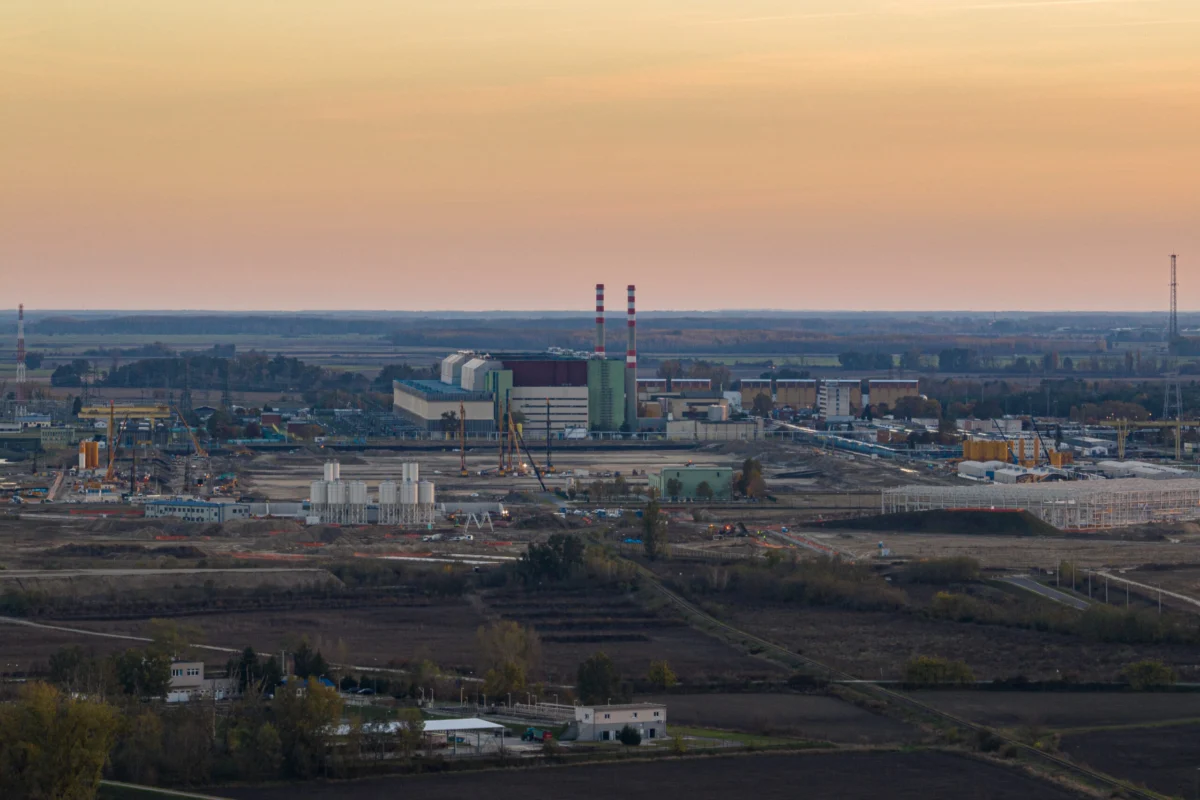
- 2023: The construction of Paks II reaches critical milestones, even as the war in Ukraine isolates Russia from the broader European energy market. Photos from the site highlight the physical manifestation of this ongoing dependency.
- 2024–2025: A massive influx of Chinese Foreign Direct Investment (FDI) transforms the Hungarian landscape. Multi-billion-euro investments in battery gigafactories are announced, intended to secure Hungary’s place in the global EV market.
- January 2026: The official campaign period begins. Opposition parties cite energy prices and the lack of transparency in foreign-backed energy projects as central pillars of their platform.
- 9 April 2026: CLEW hosts the preparatory webinar for international journalists to contextualize the energy-geopolitical nexus.
- 12 April 2026: Parliamentary elections.
Supporting Data: The Infrastructure of Dependency
To understand the stakes, one must look at the numbers. Hungary’s energy dependency is not merely theoretical; it is a structural reality.
- Nuclear Reliance: The Paks nuclear power plant currently provides roughly 40% of Hungary’s electricity. The Paks II expansion is designed to double this capacity. The reliance on Russian fuel rods and specialized technical support keeps Hungary in a long-term technical embrace with Moscow, even as other EU nations decouple.
- The Chinese Industrial Pivot: Hungary has positioned itself as the "gateway" for Chinese battery production in Europe. Companies like CATL have committed billions to building Europe’s largest battery plants on Hungarian soil. While this creates thousands of jobs, it links Hungary’s economic health directly to Chinese industrial policy.
- The American Factor: The United States has frequently expressed concern over the "security vulnerabilities" created by these partnerships. Washington has pushed for increased energy imports from North America (specifically LNG) and has warned of the risks of Chinese state-owned firms gaining control over critical data and supply chains within the NATO alliance.
The synthesis of these data points reveals a country attempting to play all sides. The government argues this is "pragmatic neutrality," while critics describe it as a dangerous erosion of national sovereignty that leaves Hungary vulnerable to external political pressure.
Official Responses and Political Narratives
The Hungarian government, led by Prime Minister Viktor Orbán, frames these energy partnerships as essential for keeping utility costs low for Hungarian households. "We do not choose between East and West; we choose what is in the best interest of the Hungarian people," remains the standard government line. Officials argue that Western sanctions on Russian energy have failed, and that turning away from reliable, albeit controversial, energy partners would lead to economic collapse.
Conversely, the opposition has begun to focus on the "hidden costs" of these projects. They argue that the lack of public tenders for massive infrastructure projects—specifically those involving Russian and Chinese state firms—masks systemic corruption and debt traps.
The European Commission, meanwhile, has adopted a more cautious, legalistic approach. Through the lens of the EU’s "strategic autonomy," Brussels has launched several investigations into whether these infrastructure deals violate EU competition rules or environmental regulations. These legal challenges have become a flashpoint in the pre-election period, with the government accusing the EU of "political bullying."
Implications: A Continent-Wide Challenge
The implications of the 12 April elections extend far beyond Hungary’s borders.
1. The Future of the European Energy Union
If the election leads to a continuation of current policies, Hungary will likely remain a significant obstacle to EU-wide energy sanctions and collective bargaining. This creates a "weak link" in the Union’s security architecture, allowing outside powers to lobby within the bloc’s decision-making circles.
2. The Decarbonization Dilemma
Hungary is struggling to meet its 2030 climate targets. The reliance on legacy fossil fuel infrastructure and the slow adoption of renewable energy—often attributed to grid bottlenecks and administrative hurdles—puts the nation at odds with the EU’s "Fit for 55" package. Journalists should monitor how the next government addresses the gap between its industrial energy demand and its climate promises.
3. The Geopolitical "Sandbox"
Hungary is currently a testing ground for how a mid-sized European nation can navigate a multipolar world. The success or failure of its energy policy will serve as a precedent for other nations in Central and Eastern Europe. If the model of "balancing" Russia, China, and the US succeeds, it could embolden other states to pursue similar paths. If it fails—leading to economic volatility or political isolation—it may serve as a cautionary tale for the limits of mid-power diplomacy.
Join the Discussion: Preparing for the Coverage
For journalists covering the 2026 elections, the complexity of the energy landscape is both a challenge and a necessity. The Clean Energy Wire webinar on 9 April 2026 is designed to cut through the rhetoric and provide actionable intelligence.
Webinar Details:
- Date: 9 April 2026
- Time: 16.00-17.30 CEST
- Format: Online
- Registration: [Visit the CLEW website for registration details]
We invite journalists from across the globe to bring their questions regarding the specific contractual obligations of the Paks II project, the labor and environmental standards of the new battery gigafactories, and the broader diplomatic tension between Budapest and Brussels. By fostering a deeper understanding of these energy dynamics, we can ensure that election coverage goes beyond superficial political tropes and addresses the material reality that will shape Hungary—and Europe—for decades to come.
This webinar is made possible by the support of Journalismfund Europe, an organization committed to promoting independent, cross-border investigative journalism. We look forward to your participation as we decode one of the most consequential energy stories of the decade.
