




As Los Angeles prepares to host the 2028 Summer Olympics, the city faces a complex intersection of climate vulnerability, urban transformation, and the global pressure to redefine the sustainability of mega-sporting events. A forthcoming webinar, part of London Climate Action Week, will dissect whether the Games can act as a catalyst for resilience or if they represent a fragile gamble against an uncertain climate future.
Introduction: A Global Stage Under Fire
When the Olympic flame is lit in Los Angeles in 2028, an estimated five billion people—more than half the global population—are expected to watch. The Games are traditionally a celebration of human potential and international unity. However, the 2028 iteration carries an unprecedented subtext: the host city is currently navigating the aftermath of devastating wildfires and chronic climate instability.
The tension is palpable. How does a metropolis, still healing from environmental catastrophe, prepare to host one of the most resource-intensive events in history? This question is the focus of a pivotal webinar scheduled for June 23, 2026, which aims to move beyond the polished veneer of Olympic marketing to explore the genuine intersection of urban policy, climate resilience, and sustainable sporting infrastructure.
Main Facts: The Vision for a "New" Olympics
The organizers of the LA 2028 Games have made a bold commitment: to break the cycle of "white elephant" infrastructure projects that have plagued previous host cities. Their pledge hinges on three core pillars:
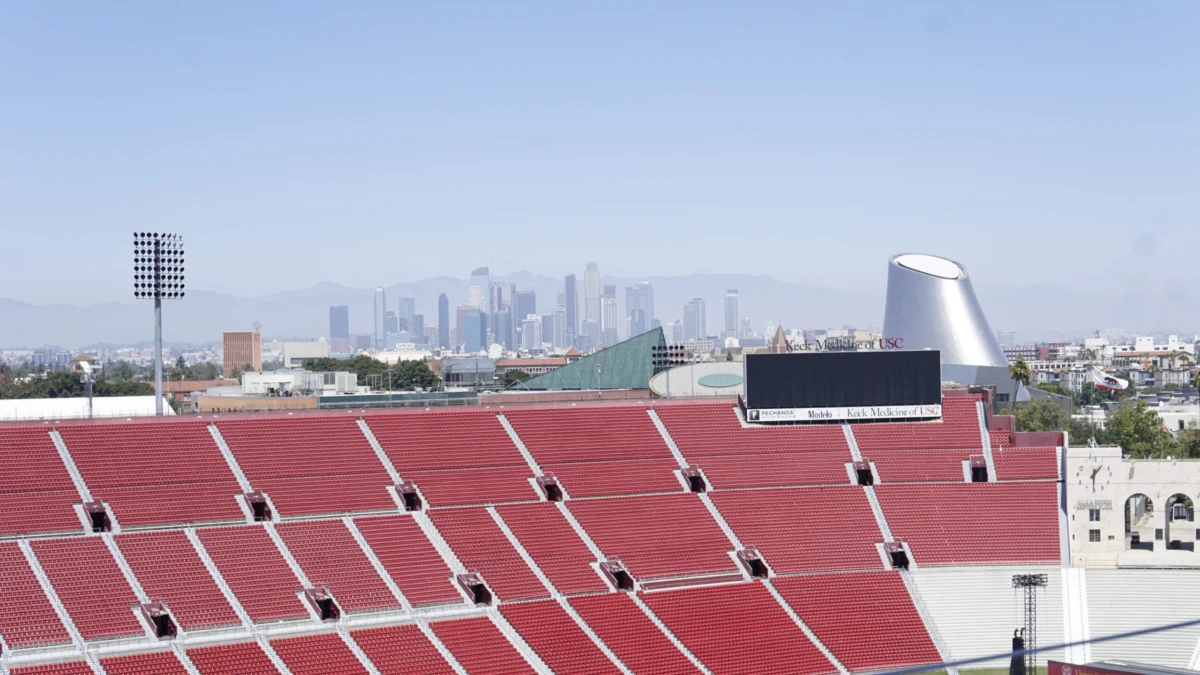
- Exclusively Existing or Temporary Venues: Unlike past Games that mandated the construction of massive, purpose-built stadiums that often fall into disuse, LA 2028 plans to utilize the city’s existing architectural landscape, including iconic sites like the Los Angeles Memorial Coliseum and SoFi Stadium.
- Minimized Car Dependency: In a city famously defined by its sprawling freeway culture, organizers have pledged to implement radical mobility shifts, prioritizing public transit and active transport to reduce the carbon footprint of spectator travel.
- Climate-Positive Legacy: The goal is to transform the Games into a blueprint for sustainability, proving that mega-events can shrink their environmental footprint while simultaneously accelerating municipal climate resilience projects.
However, the efficacy of these plans remains a subject of intense scrutiny. As the 2026 webinar will highlight, there is a yawning gap between the idealistic rhetoric of organizational committees and the physical realities of a city increasingly besieged by drought, heatwaves, and fire.
Chronology: The Road to 2028
The timeline of the LA 2028 bid and its subsequent preparations reflects a rapidly shifting global awareness of climate change:
- 2017: The International Olympic Committee (IOC) awards the 2028 Games to Los Angeles, noting the city’s promise to use 100% existing venues.
- 2020–2023: The Southern California region experiences record-breaking wildfire seasons and extreme heat events, forcing local policymakers to re-evaluate infrastructure vulnerability.
- 2025: The "LA 2028 Sustainability Roadmap" is published, outlining aggressive targets for carbon neutrality and water conservation.
- June 23, 2026: A critical London Climate Action Week webinar will convene experts to address the "Resilience Gap" in the current Olympic planning.
- 2027: Final stress tests for transit infrastructure and disaster response protocols are scheduled.
- July 2028: The Opening Ceremony.
Supporting Data: The Environmental Stakes
To understand why the 2028 Games are being viewed as a "litmus test," one must look at the data. Los Angeles sits in a Mediterranean climate zone that is becoming increasingly arid. According to local climate impact assessments:
- Urban Heat Island Effect: Much of the planned Olympic footprint lies within "heat islands," where concrete-heavy infrastructure raises local temperatures by as much as 10–15°F compared to surrounding areas.
- Wildfire Proximity: The wildland-urban interface (WUI) has expanded significantly. Even if Olympic venues are in the city center, the regional supply chain, power grid, and air quality are constantly threatened by peripheral wildfires.
- Water Scarcity: Southern California continues to struggle with chronic drought. Hosting millions of visitors during the height of the summer—when water consumption typically spikes—places immense pressure on municipal water security.
The webinar will analyze whether the "temporary venue" strategy effectively mitigates these risks or merely shifts the burden to the city’s already strained utility infrastructure.
Official Responses and Strategic Shifts
In response to growing public concern, the LA 2028 Organizing Committee has emphasized that the Games are being designed "by the city, for the city."
"Our goal is not just to host a successful event, but to leave a legacy of a more resilient, better-connected Los Angeles," stated a representative for the planning committee. They argue that the focus on "mobility patterns" is not just for the athletes, but for the long-term benefit of LA residents who currently spend hundreds of hours per year in traffic.
Critics, however, point out that even "sustainable" mega-events generate immense amounts of waste and carbon. Environmental NGOs are calling for more transparent reporting on "Scope 3" emissions—those generated by global travel to and from the event—which are often excluded from official sustainability reports. The webinar aims to bridge this divide by inviting policy experts to weigh in on whether "net-zero" goals are truly achievable in the context of global tourism.
Implications: The Future of Global Sporting Events
The 2028 Olympics serve as a crucible for the future of international sports. If Los Angeles fails to reconcile the demands of a global stage with the necessities of climate resilience, the model of the mega-sporting event may face an existential threat.
H3: Redefining Urban Policy
The Games are forcing city planners to accelerate transit projects that might otherwise have taken decades. By compressing these timelines, LA is engaging in a massive, high-stakes urban experiment. The implication is clear: if an event of this scale can successfully reorganize the mobility patterns of the most car-dependent city in the world, it could provide a roadmap for other cities struggling with urban congestion and emissions.
H3: The Social Contract of Resilience
There is a profound ethical dimension to these preparations. As the city recovers from recent wildfires, the allocation of public funds to Olympic security and beautification versus climate adaptation and disaster recovery remains a point of contention. The "Climate Action Week" discussion will focus on the "Social Contract"—the idea that the Games should not be a luxury distraction, but a public utility that protects the most vulnerable citizens from the next climate disaster.
H3: Athletic Prowess in a Warming World
Finally, we must consider the athletes. High-performance sports are increasingly affected by heat-related illness. The 2028 Games will likely feature new protocols for event timing, cooling technology, and athlete welfare. This shift may permanently alter the way we experience Olympic sports, potentially shifting events to cooler times of day or requiring more advanced climate-controlled environments.
Conclusion: A Moment of Truth
The upcoming webinar on June 23, 2026, is more than a technical briefing; it is a diagnostic session for the future of global gathering. By examining the LA 2028 Games through the lens of climate science and urban planning, the panelists hope to provide a candid look at the challenges ahead.
Can Los Angeles host a standout global show without compromising its long-term viability? Can it reconcile the need for global connectivity with the urgent requirement for local stability? The world will be watching, not just for the gold medals, but for the answer to these fundamental questions. As the clock ticks toward 2028, the Games represent a critical juncture: a choice between business as usual or a fundamental reimagining of what it means to be a global host in the age of the climate crisis.
For those interested in participating, the webinar will take place on June 23, 2026, at 16.00-17.00 CEST (15.00-16.00 BST). This event is a featured component of London Climate Action Week and is open to the public.
