


For millions of Americans, the daily commute has taken a turn for the perilous. It is not just heavy traffic or aggressive driving that is making the roads feel more hostile; it is the very illumination meant to guide us. If you have found yourself squinting into the abyss of an oncoming SUV’s high-intensity discharge (HID) or LED headlights, wondering why they seem brighter than the sun, you are not alone.
A recent study by Overnight Glasses has quantified what most drivers have long suspected: headlight glare has reached a crisis point, and the vehicles causing the most disruption are often the ones sitting highest off the pavement. As current federal regulations fail to keep pace with rapid advancements in automotive lighting technology, drivers are increasingly forced to navigate a "blinded" landscape where safety standards appear to be lagging decades behind reality.
The Magnitude of the Problem: A Crisis of Glare
The statistics are staggering. According to a landmark study by the American Automobile Association (AAA), six out of every 10 U.S. drivers report that headlight glare is a significant issue during their nightly travels. Perhaps more concerning is the perception of progression: nearly 75% of those surveyed believe the problem has intensified over the last decade.
The issue is not merely one of discomfort; it is a fundamental safety concern. Glare creates a temporary loss of vision, forcing drivers to divert their eyes or struggle with reduced depth perception. In a high-speed highway environment, a split-second of visual impairment can be the difference between a safe arrival and a catastrophic collision. Despite this, many vehicles on the road today meet all current federal safety requirements, highlighting a widening gap between legal compliance and actual road safety.
A Data-Driven Breakdown: The Methodology
To better understand the scale of this phenomenon, Overnight Glasses conducted an extensive analysis of 257 vehicle models. By cross-referencing headlight-testing data provided by the Insurance Institute for Highway Safety (IIHS) with vehicle height statistics, the researchers developed a "Nighttime Headlight Glare Index."
The logic is straightforward: as vehicles grow taller—a trend dominated by the surge in full-size pickup trucks and SUVs—the light source of the headlamps moves closer to the direct line of sight of oncoming drivers. When high-intensity, poorly aimed, or excessively bright headlights are mounted on these elevated platforms, the result is a direct beam of light hitting the retinas of other motorists rather than the road ahead.
The Prime Offenders: Nissan Titan and the Luxury Elite
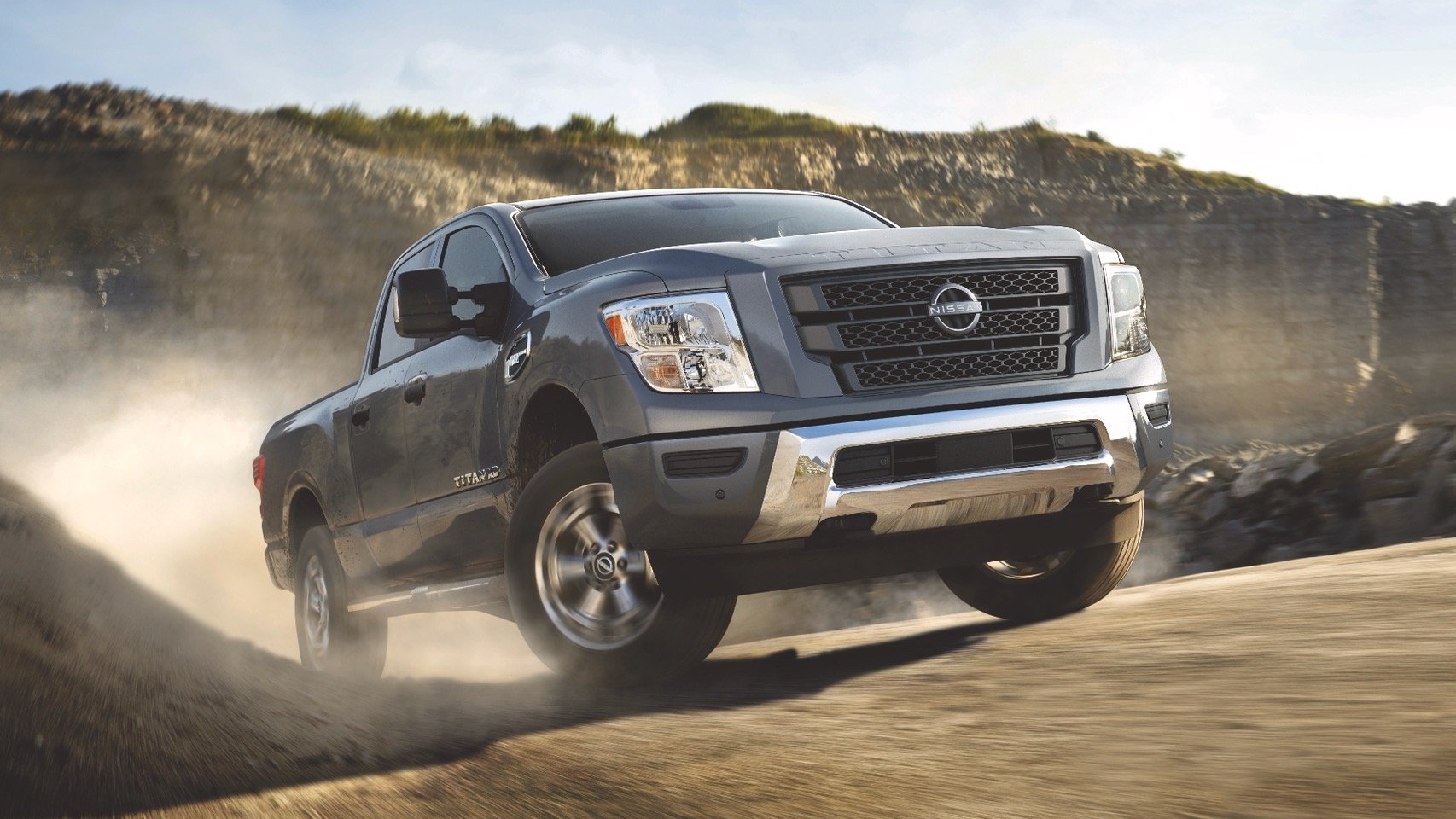
The study identified the second-generation Nissan Titan (2017–2024) as the worst offender for overall headlight glare. While testing 16 different headlight configurations for the model, researchers found that the Titan produced glare 615.1% above what the IIHS considers a safe limit.
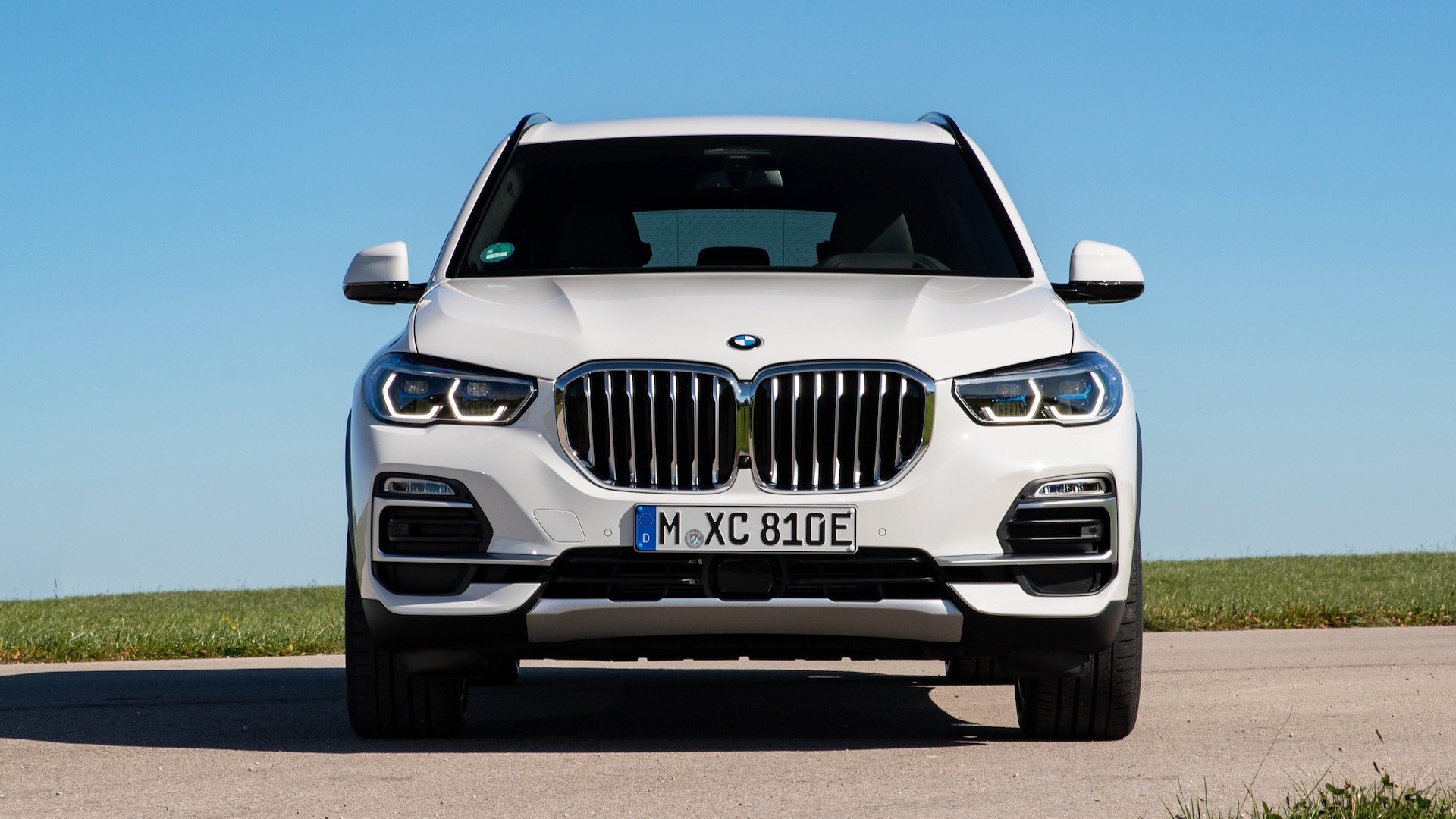
Interestingly, the BMW X5 holds the title for the highest raw glare intensity—measuring 677.8% above the safe limit—yet it technically ranks behind the Titan in the overall index due to its lower ride height. The disparity in these scores (100 for the Titan versus 95.6 for the X5) underscores the critical role that vehicle stature plays in the physics of blinding other drivers.
Ranking the Glare
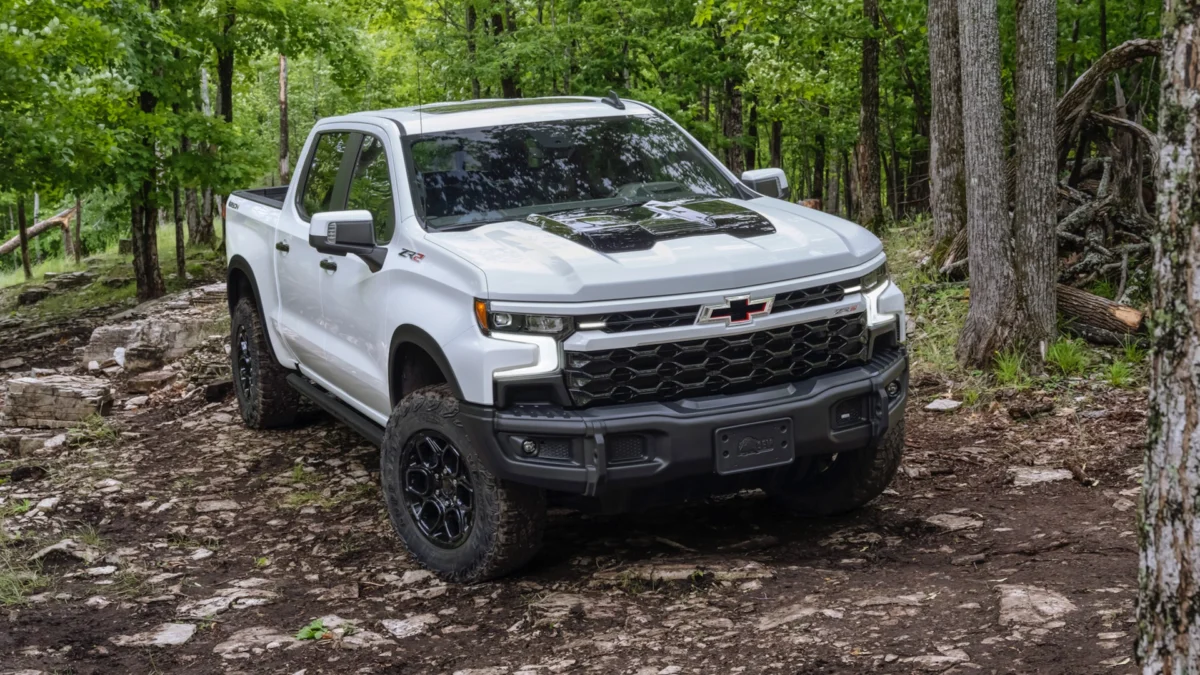
The findings reveal a landscape dominated by the "Big Three" American truck manufacturers, with the Chevrolet Silverado 1500 and the Ram 1500 securing the second and third spots, respectively. The GMC Sierra 1500 followed in fifth. Perhaps most surprising was the inclusion of the Ford F-150 in the 10th position, proving that even market-leading work trucks are contributing significantly to the problem. It is worth noting that vehicles like the Kia Sedona and the Lincoln Nautilus also appeared on the high-glare list, indicating that the issue is not exclusive to the heavy-duty truck segment.
The Chronology of Compliance vs. Safety
To understand how we arrived at this point, we must look at the evolution of automotive lighting. For decades, halogen bulbs were the standard. They were reliable, inexpensive, and produced a soft, warm light that was relatively easy on the eyes. However, the push for better fuel economy and enhanced aesthetics led to the widespread adoption of HID and, more recently, high-intensity LED and matrix-LED systems.
- The Early 2000s: HID headlights began appearing on luxury vehicles, offering superior brightness and a "cool" blue tint that quickly became a status symbol.
- The 2010s: LED technology matured, allowing manufacturers to pack more lumens into smaller, more versatile housing units. During this period, the rise of the "oversized" truck trend took hold, placing these powerful lights at the eye level of sedan and compact car drivers.
- The 2020s: With the proliferation of advanced lighting, the IIHS began tightening its testing criteria, consistently highlighting that many vehicles were failing to provide adequate road illumination while simultaneously causing excessive glare for others.
- Current Day: Federal regulators are currently reviewing outdated standards, but the legislative process remains sluggish. Meanwhile, automakers continue to market "visibility" as a premium feature, often prioritizing raw output over beam pattern precision.
The Regulatory Gap: Why the Feds Are Behind
The most unsettling realization from this data is that every vehicle mentioned in the study is 100% legal. They passed the National Highway Traffic Safety Administration (NHTSA) standards required for sale in the United States.
The issue is that current federal regulations are, in the words of many safety advocates, "woefully inadequate." The existing rules were drafted at a time when technology was vastly different. They do not sufficiently account for the rapid onset of high-intensity LED light, nor do they strictly regulate the beam height in a way that protects drivers of smaller vehicles.
Furthermore, automakers have historically faced little pressure to innovate on "anti-glare" technology. In many cases, they have resisted changes, arguing that their lights provide the necessary safety for their own customers. The industry is currently locked in a "lumen war," where more light is marketed as better light, regardless of the impact on the surrounding traffic.
Official Responses and Industry Pushback
The automotive industry’s stance on this issue has been largely defensive. When pressed, manufacturers often point to their compliance with federal law as proof that their vehicles are safe. There is a prevailing sentiment among some industry leaders that they should not be held responsible for the subjective experience of other drivers, provided they meet the regulatory thresholds set by the government.
However, change is on the horizon. The recent legalization of "matrix" or "adaptive" headlight technology in the U.S. (technology that has been available in Europe for years) represents a potential turning point. These systems can selectively dim parts of the headlight beam to illuminate the road while actively shielding oncoming drivers from glare. Audi and other manufacturers have already begun the process of bringing these systems to the American market, signaling that the industry is finally acknowledging that the current "brute force" approach to lighting is no longer sustainable.
The Implications: A Future of Safer Roads?
What does this mean for the average consumer? In the short term, drivers should be aware that when purchasing a new vehicle, the IIHS headlight ratings are an essential metric to check. A high-scoring headlight system on the IIHS scale is usually a better indicator of actual safety than the flashy, high-lumen marketing materials provided by a dealership.
For the long term, the implications are clear: the automotive industry requires a modernized regulatory framework. We need standards that mandate not only how much light a vehicle puts out, but how that light is managed in real-world scenarios. We need stricter enforcement of headlight alignment and a move toward intelligent lighting systems that adjust in real-time.
Until then, drivers are left to fend for themselves. The prevalence of high-glare vehicles on our roads is a reminder that in the automotive world, the "bigger is better" philosophy has real-world consequences that extend beyond fuel consumption or parking convenience. As we move toward a future of increasingly automated and electrified transport, the basic task of seeing the road at night should not be a gamble—yet, for now, that is exactly what it remains.
As technology continues to evolve, the hope is that automakers will shift their focus from the sheer power of their lights to the comfort and safety of the entire driving community. Until that shift occurs, the blinding glare of the modern commute will continue to serve as a stark reminder of the distance between engineering capability and public safety.
