





In a bold move that signals a paradigm shift in cyber-defense, Sydney-born cybersecurity startup Apate.AI has secured US$8.15 million (A$11.4 million) in a seed funding round. The company, which specializes in deploying AI-driven "scammer-baiting" bots, is now setting its sights on global domination, relocating its corporate headquarters to the United States to spearhead an international offensive against fraud syndicates.
The funding round, led by Silicon Valley-based venture capital firm Lobby Capital, represents a significant vote of confidence in the startup’s unique "offensive defense" strategy. With participation from OIF Ventures, Investible, Concept Ventures, and Baobab Ventures, the injection of capital provides Apate.AI with the runway necessary to scale its operations across North America, Europe, and emerging markets.
The Core Innovation: Weaponizing Engagement
At the heart of Apate.AI’s technology is a sophisticated AI platform designed not merely to block fraudulent calls, but to actively engage them. While traditional cybersecurity solutions focus on firewalls, filters, and blacklists, Apate.AI takes a page from the playbook of human vigilantes—but scales it with the relentless, unflagging nature of machine learning.
The platform creates hyper-realistic AI agents that mirror human speech patterns, hesitation, and behavioral traits. When a scammer initiates contact, the bot steps in, feigning vulnerability or interest. This "baiting" process keeps the fraudster on the line, wasting their time and resources while simultaneously collecting critical intelligence about their tactics, infrastructure, and psychological levers.
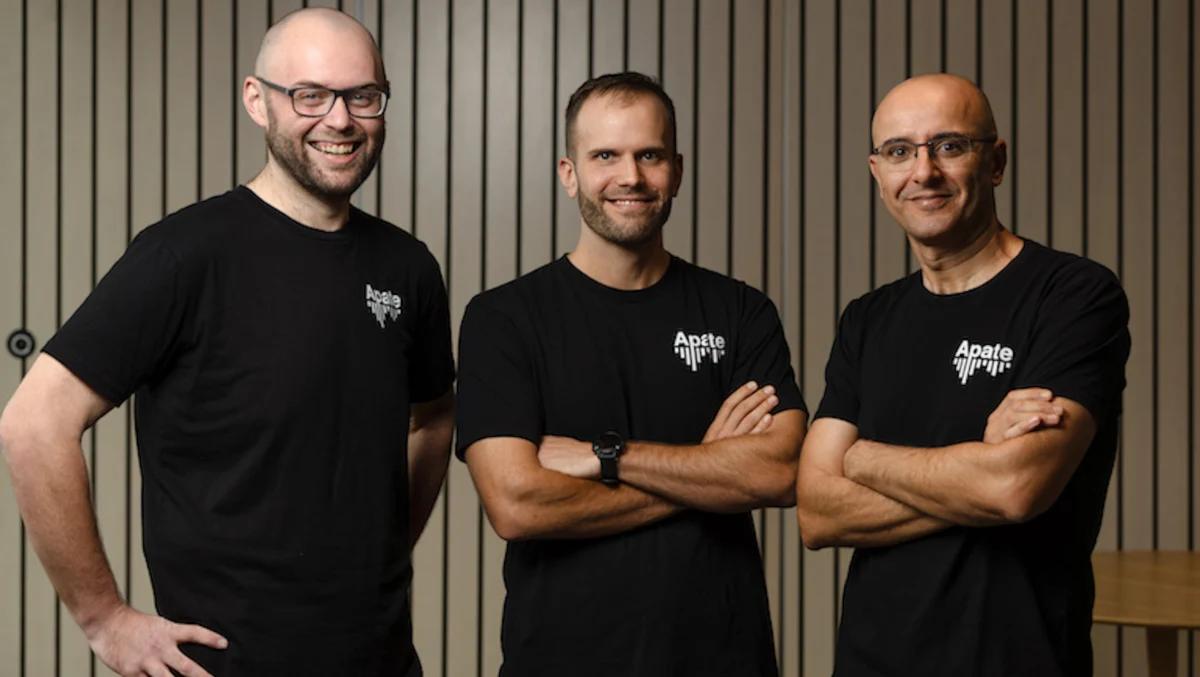
"We are moving from a defensive posture to an intelligence-gathering posture," said the company’s leadership team, consisting of co-founders Peter Eckermann, Brad Joffe, and Professor Dali Kaafar. "By turning fraudsters into intel, we are stripping them of their most valuable asset: anonymity."
Chronology: A Rapid Rise from Concept to Global Player
The trajectory of Apate.AI is a testament to the urgency of the global scam epidemic.
- Foundation and R&D: Born from the research labs of Data61/CSIRO and Macquarie University, the technology was developed under the guidance of Professor Dali Kaafar, an expert in cybersecurity and privacy. The team focused on the intersection of natural language processing (NLP) and behavioral psychology.
- The Commonwealth Bank Partnership: Apate.AI gained early, high-profile validation when it began a strategic partnership with the Commonwealth Bank of Australia (CBA). By integrating the bots into the bank’s defensive framework, CBA was able to gain unprecedented visibility into the workflows of sophisticated scam call centers.
- The Initial Seed Round: In mid-2025, the company secured an initial $2.5 million round led by OIF Ventures. This capital allowed them to refine their LLM (Large Language Model) agents and move from prototype to production-ready software.
- Expansion Phase: Throughout 2025 and 2026, the company expanded its footprint, establishing operational nodes in Europe, Asia, and Africa.
- The $11.4M Milestone: With the new US$8.15 million round, the company has officially re-incorporated as a Delaware-based entity, signaling its pivot toward the lucrative and high-stakes North American cybersecurity market.
Supporting Data: The Scammer Economy
The necessity of Apate.AI’s technology is underscored by the staggering economic toll of fraud. Global losses to scam and phishing operations are estimated to be in the hundreds of billions of dollars annually.
According to recent industry reports:
- Economic Impact: Financial institutions are reporting a 30% year-over-year increase in attempted voice-based fraud (vishing).
- The "Time Tax": For every minute an Apate.AI bot keeps a scammer on the phone, the fraudster is unable to target a real, vulnerable consumer. In essence, the startup is creating a "denial of service" attack against criminal enterprises.
- Intelligence Gains: The data harvested by the bots—ranging from VoIP provider details to social engineering scripts—is being shared with law enforcement and financial regulators to facilitate the systematic dismantling of call centers.
Official Responses and Strategic Vision
The decision to relocate to the U.S. is not merely symbolic; it is a tactical necessity. Silicon Valley provides proximity to the world’s largest tech talent pool and the primary financial institutions that are currently the most aggressive targets for high-level cyber-fraud.
Lobby Capital’s decision to lead the round highlights the VC’s interest in "asymmetric warfare" technologies. A spokesperson for the firm noted, "We aren’t just investing in a software company; we are investing in a company that is fundamentally changing the economics of the scam industry. If it costs a fraudster more to operate than they can possibly steal, the business model collapses. That is what Apate is achieving."
The startup is not stopping at call centers. Plans are already in motion to expand their AI agents into other communication channels, including SMS-based phishing (smishing) and encrypted messaging platforms, which have become the primary vector for modern romance and investment scams.
Implications: The New Frontier of Cybersecurity
1. Shifting the Burden of Proof
For years, the burden of cybersecurity has fallen on the consumer—reminding them not to click links or share passwords. Apate.AI’s success suggests a future where the financial and telecommunications sectors take the fight directly to the criminals. By automating the "interrogation" of scammers, institutions can preemptively identify new attack vectors before they hit their customer base.
2. Legal and Ethical Considerations
The "baiting" of scammers does not come without legal complexity. As the company expands into Europe and the U.S., they will have to navigate varying regulatory environments regarding AI-generated communication and data privacy. However, proponents argue that because the bots are targeting non-consensual criminal actors, the ethical framework is robustly in favor of the defense.
3. The Arms Race of AI
The use of AI by criminals is the next great threat to global stability. From deepfake voice synthesis to AI-generated phishing emails, the "bad guys" are already using advanced tools. Apate.AI’s success proves that the only effective counter to a malicious AI is a defensive AI that is smarter, faster, and more patient.
4. Global Market Potential
With the upcoming opening of a London office, Apate.AI is positioning itself to be the primary intelligence partner for European financial institutions facing the EU’s tightening regulations on bank fraud liability. As banks become increasingly responsible for reimbursing victims of authorized push payment (APP) fraud, the demand for Apate.AI’s preventative technology is expected to skyrocket.
Looking Ahead: A Call to Arms
As Apate.AI transitions into this new chapter, the focus will remain on refining the linguistic sophistication of its bots. The goal is to make the bots indistinguishable from humans to even the most seasoned scammer.
"We are entering an era where the phone line is no longer a safe harbor for criminals," says Peter Eckermann. "With this new funding, we are going to ensure that every scammer thinks twice before they dial. We’re not just blocking them; we’re learning from them, and we’re beating them at their own game."
For the victims of global fraud, Apate.AI represents a long-awaited shift: a proactive, aggressive, and highly intelligent shield that finally gives the advantage back to those they are trying to protect. As the company settles into its new U.S. headquarters, the global cyber-underground may find that its most profitable days are officially numbered.
