



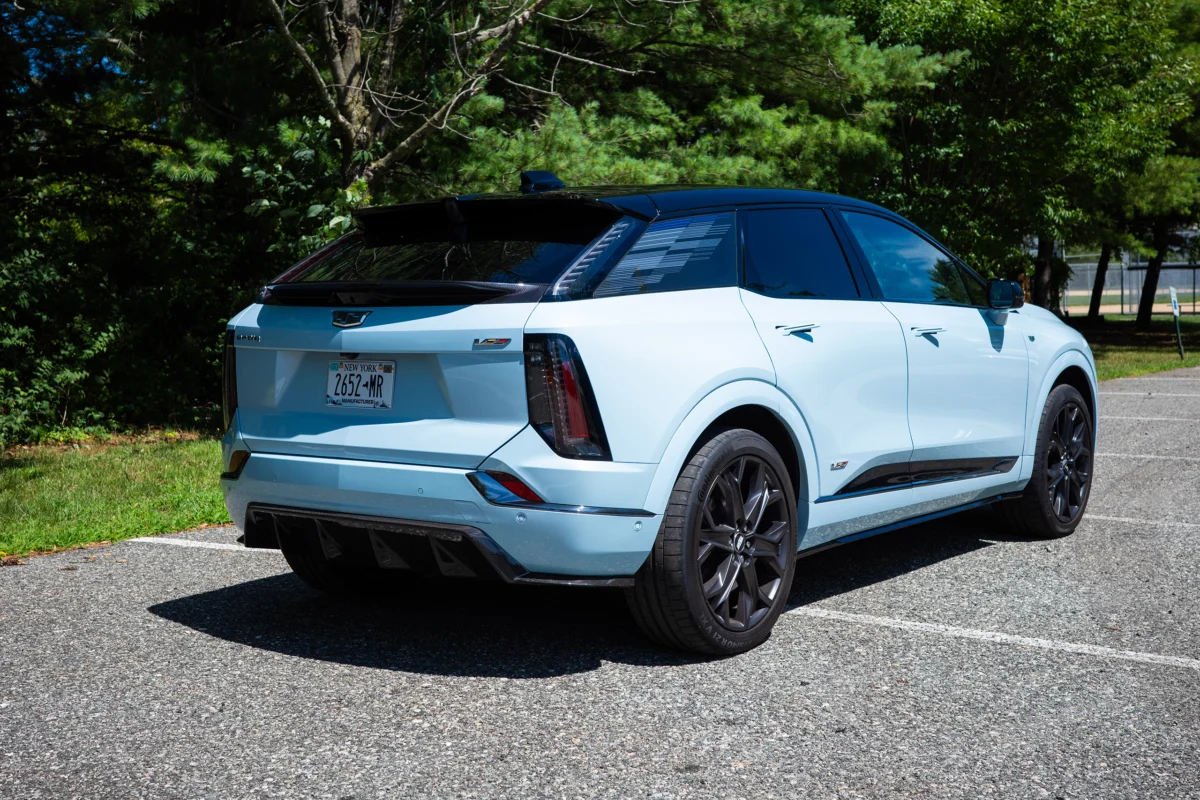
In the world of high-end automotive design, the difference between a forgettable vehicle and an iconic one often lies in the details—those subtle, deliberate flourishes that reward the observant eye. For Cadillac, the luxury division of General Motors, the ongoing electrification of its lineup has provided a canvas to experiment with heritage and modernity. One of the most distinctive features introduced in recent years has been the Mondrian-inspired etching gracing the rear-quarter glass of its latest electric SUVs. However, with the arrival of the 2027 model year, Cadillac has signaled a shift in strategy, opting to phase out this design element on the upcoming Vistiq.
This decision has sparked curiosity among enthusiasts and industry observers alike, prompting a deeper look into the role of brand identity, the feedback loops between manufacturers and their customers, and the future of Cadillac’s visual language.
The Genesis of the Mondrian Pattern
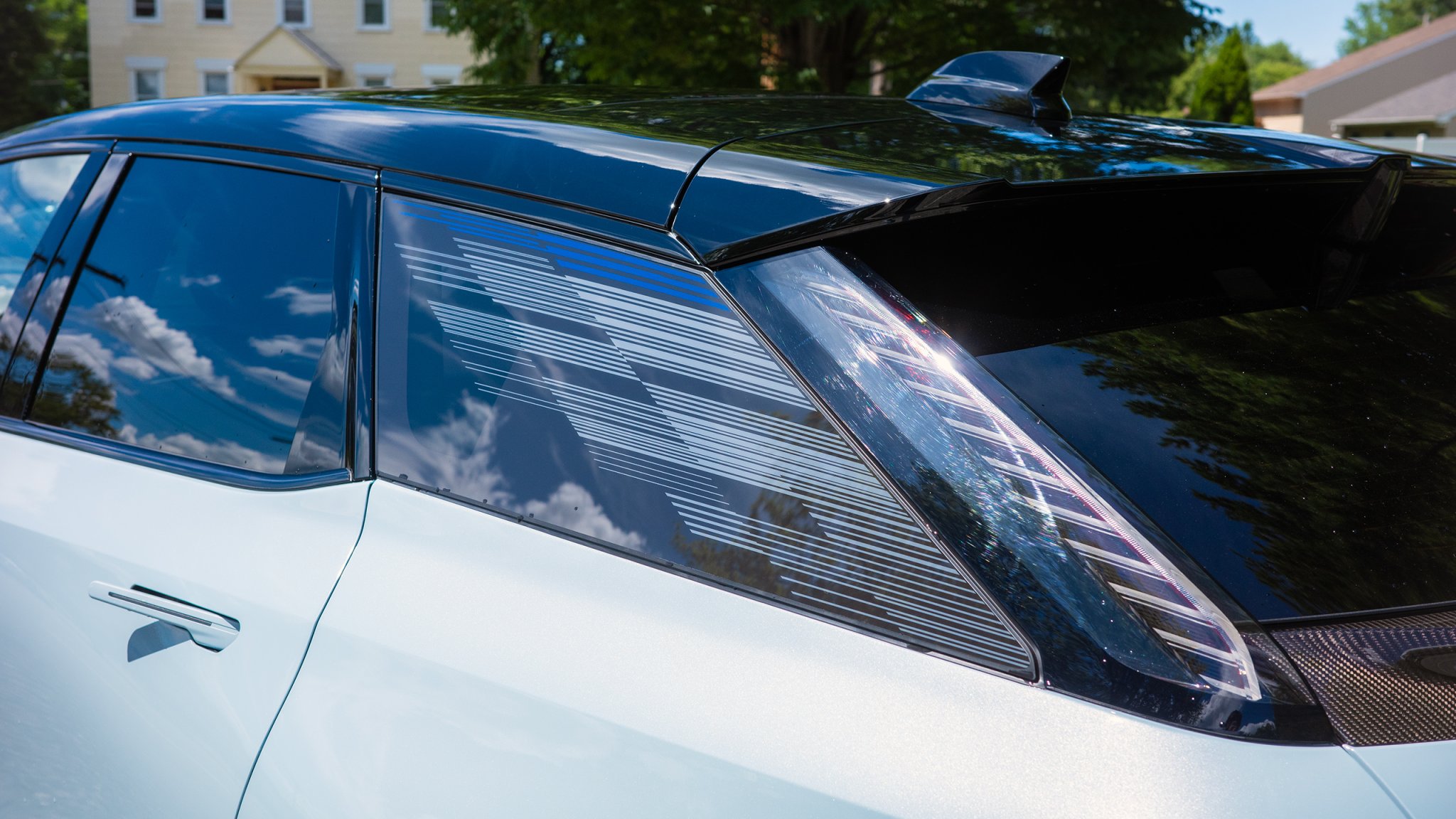
The pattern in question is more than a mere aesthetic choice; it is a nod to Cadillac’s rich corporate heritage. The "Mondrian" motif—a geometric arrangement of squares and rectangles—has long been associated with the Cadillac crest, symbolizing the brand’s commitment to precision and artistic engineering. By transitioning this legacy graphic from the physical emblem to the structural glass of the vehicle, Cadillac aimed to provide a cohesive, premium identity for its new electric portfolio, including the Optiq and the Vistiq.
Unlike a decal, which is applied to the surface and prone to wear, the etching process involves treating the glass itself. This creates a translucent, permanent straked pattern that, while visible from the outside, remains unobtrusive from within the cabin. For many, it served as a "signature" that elevated the vehicle’s profile, distinguishing a Cadillac EV from the sea of generic, aero-focused electric crossovers currently hitting the market.
Chronology: From Innovation to Revision
The implementation of the etched glass began as a bold statement of identity as Cadillac accelerated its EV transition. Early models, particularly the Optiq, showcased the pattern as a standard design hallmark.
- Initial Launch Phase: As Cadillac rolled out its dedicated EV platforms, the etched rear-quarter glass was touted as a hallmark of "The Standard of the World" in the electric age. It was intended to break up the vast expanse of metal and glass common in SUV designs, providing a visual focal point near the D-pillar.
- The Vistiq Introduction: When the Vistiq was unveiled, it inherited this design language. However, as the vehicle moved from the prototype stage to production readiness for the 2027 model year, the design team encountered a shift in market sentiment.
- Feedback Integration: During the pre-production and initial customer-preview phases, both dealership feedback and early consumer input suggested that the etching on the larger Vistiq was either polarizing or unnecessary for the vehicle’s intended aesthetic.
- The 2027 Pivot: Cadillac officially confirmed that the 2027 Vistiq would forgo the etched pattern, marking a clear divergence in the design trajectory of its SUV lineup. Simultaneously, the brand clarified that the Optiq would retain the feature, albeit with nuanced variations based on the specific trim level.
Supporting Data: Why Small Details Carry Big Weight
In the automotive industry, design is rarely a matter of individual taste; it is a calculated effort to align with market expectations. When Cadillac’s design team analyzed the reception of the Vistiq, they were likely weighing the "brand signature" value against the "visual clean-slate" preference of the luxury SUV demographic.
Data from recent luxury market surveys suggest that while younger buyers often gravitate toward aggressive, stylized "easter eggs" like the Mondrian etching, the traditional luxury SUV buyer—who constitutes a significant portion of the Vistiq’s target demographic—often prefers a more restrained, architectural profile. The Vistiq, being a larger, family-oriented SUV, occupies a different space in the market than the smaller, sportier Optiq. By removing the etching, Cadillac is tailoring the Vistiq’s design to prioritize a more understated, timeless look that aligns with its larger physical footprint.
Furthermore, the complexity of the manufacturing process for such etchings cannot be ignored. While technically impressive, maintaining consistent quality control on custom-etched glass across high-volume production runs introduces variables that can complicate supply chains. Choosing to simplify the Vistiq’s rear glass may also be a pragmatic move to streamline assembly while maintaining the design integrity of the brand’s more performance-oriented offerings.
Official Response: Cadillac Clarifies the Strategy
To address the rumors regarding the potential end of the Mondrian graphic across the entire Cadillac brand, we reached out to official channels. The response was unequivocal: this is a surgical adjustment, not a retreat from the design language.
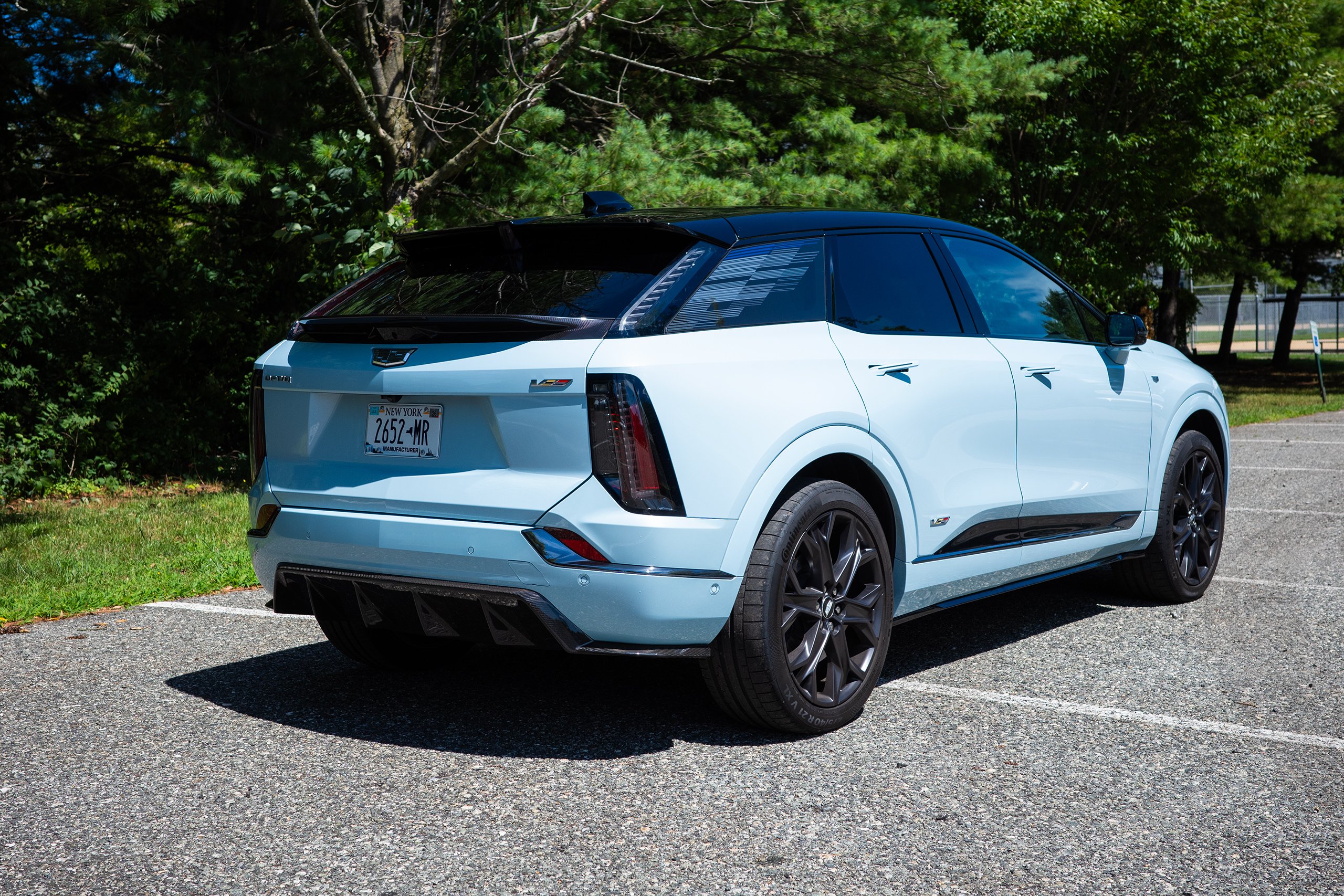
"Cadillac updated the rear quarter-panel etched pattern on the VISTIQ in response to feedback from customers and dealers," a company spokesperson told The Drive. "This change does not represent a broader removal of the design treatment across the lineup."
The statement further clarified the roadmap for the Optiq, ensuring that the brand’s entry-level EV retains its distinct character. "On the 2027 model-year Cadillac OPTIQ, the etched pattern will remain, with a subtle tint introduced as a mid-model-year update on all trims except the V-Series. The OPTIQ-V will retain the current untinted pattern to preserve clear differentiation for the V-Series model."
This clarification confirms that Cadillac is leveraging the etching as a tool for product differentiation. By keeping the pattern "raw" on the high-performance V-Series models and introducing tints on the standard trims, Cadillac is creating a hierarchy of visual cues that tell the consumer exactly what kind of machine they are looking at from a distance.
Implications for Future Design
The decision to keep the etching on the Optiq while stripping it from the Vistiq offers a window into how Cadillac views its diverse lineup. It suggests that the brand is moving away from a "one-size-fits-all" approach to design flourishes. Instead, the brand is adopting a tiered strategy:
- Performance Identity: The V-Series models will retain the most "authentic" versions of these design elements, serving as the high-water mark for the brand’s aesthetic.
- Model-Specific Personality: Smaller, youthful vehicles like the Optiq will continue to utilize bold, expressive graphics to maintain a competitive edge in a crowded, entry-level luxury market.
- Refined Sophistication: Larger, premium-tier vehicles like the Vistiq will trend toward cleaner lines and more subtle branding, appealing to a buyer who values presence over overt decoration.
This modular approach to design allows Cadillac to remain agile. If a particular detail resonates with one demographic but alienates another, the brand can pivot without tearing down its entire design identity. It is a sign of a mature, confident design house that knows when to lean into its history and when to let the vehicle’s form speak for itself.
The Bottom Line
Is the removal of an etched pattern on a D-pillar enough to change the fate of a vehicle? Of course not. A car’s success is determined by its powertrain, its interior ergonomics, its technology, and its price point. However, these small details are the "fingerprints" of a brand. They represent the care and thought that goes into every stage of development.
When I recently had the opportunity to spend time with the Optiq-V, the etched glass felt like a meaningful touch—a reminder that I wasn’t just in an electric appliance, but in a Cadillac. It provided a sense of continuity, bridging the gap between the brand’s past and its electrified future. While the Vistiq may be moving in a different direction, the fact that the pattern remains on the Optiq suggests that Cadillac is not ready to abandon its artistic roots entirely.
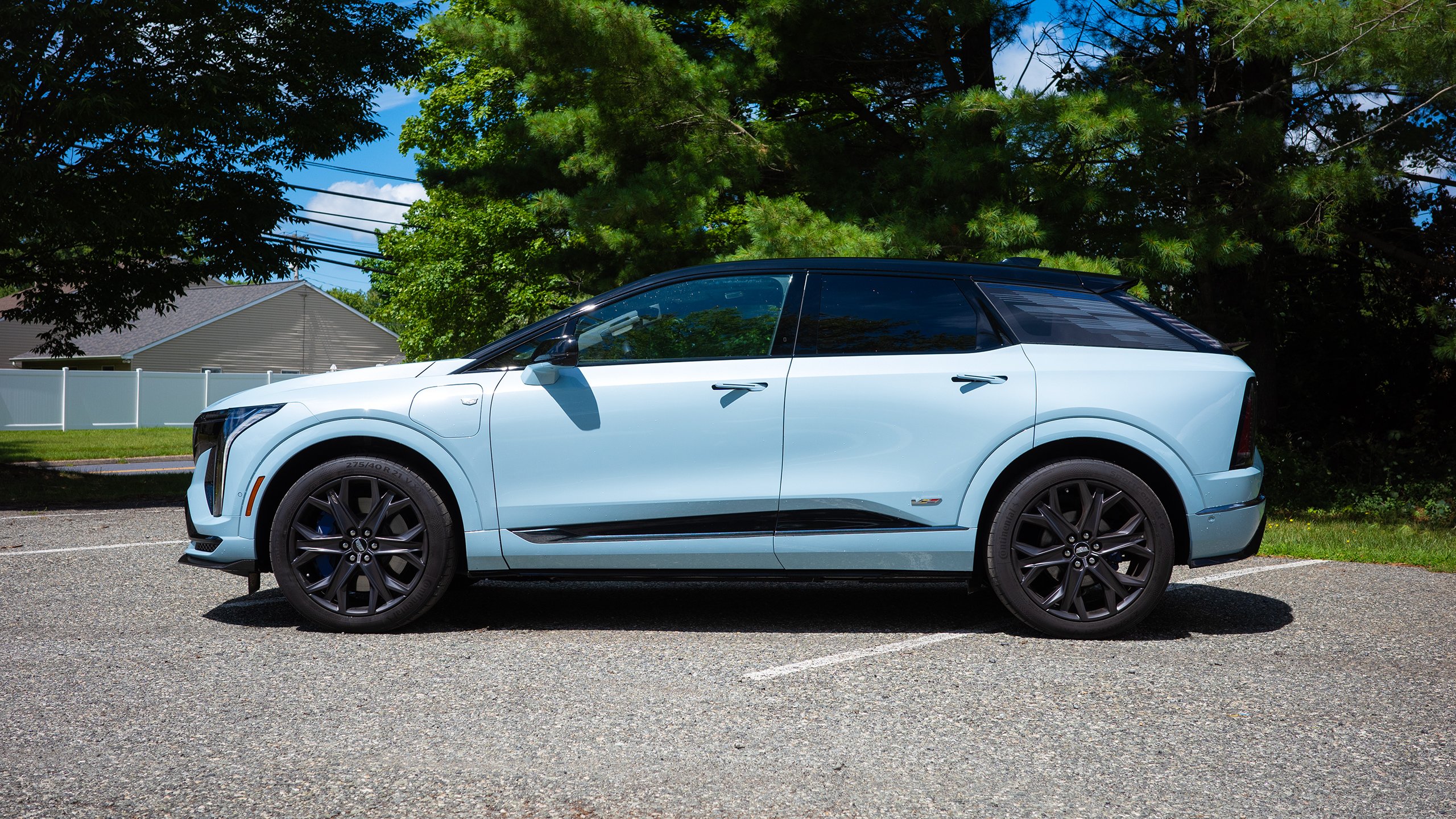
As the automotive landscape continues to shift toward a battery-electric future, the battle for brand soul will be fought in these minute details. For now, the Mondrian pattern survives, serving as a reminder that even in an era of software-defined vehicles, the physical art of car design still matters. Cadillac, for its part, seems to be finding the right balance between honoring its heritage and listening to the evolving tastes of the modern driver. Whether this evolution will lead to more or fewer such flourishes in the future remains to be seen, but for now, the brand’s commitment to its unique aesthetic identity remains firmly in place.
