



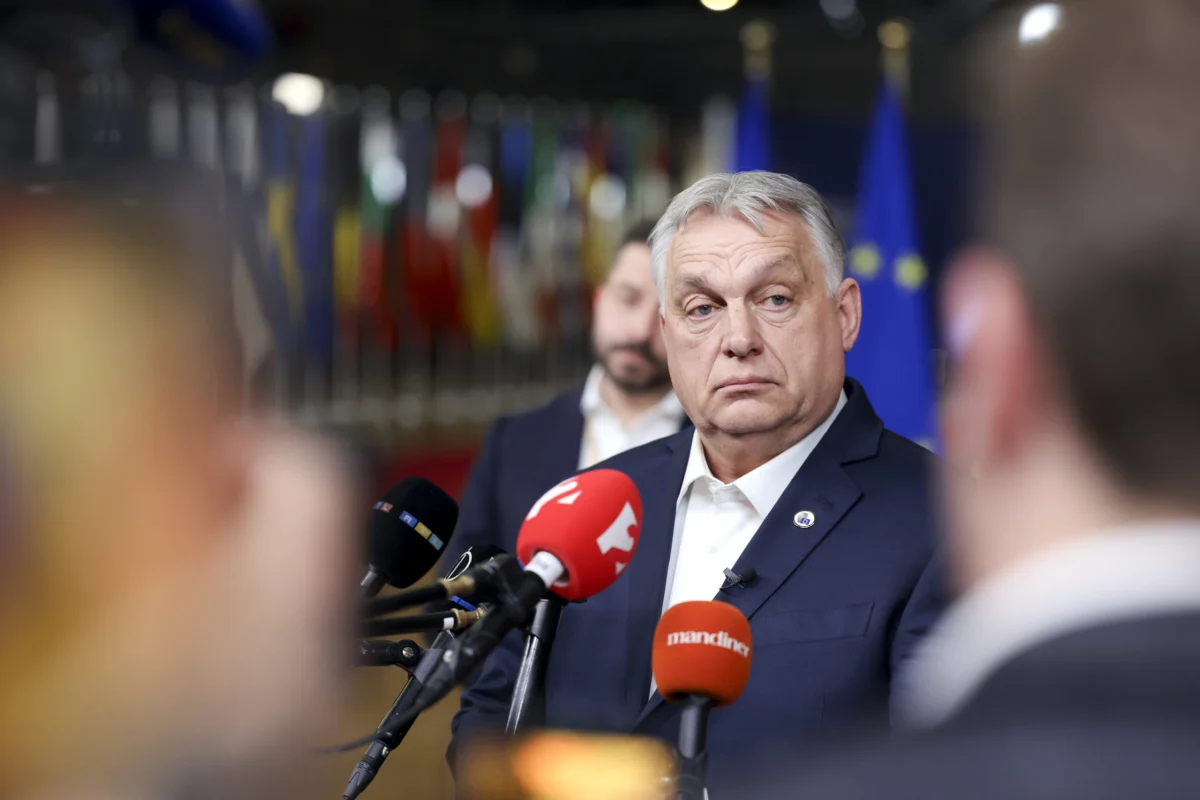
As Hungary approaches a pivotal general election on April 12, 2026, the nation stands on the precipice of a political transformation that could redraw its internal policies and its relationship with the European Union. With Prime Minister Viktor Orbán facing the most significant challenge to his 16-year tenure, the electoral battle has distilled into a high-stakes duel between his entrenched Fidesz party and the rapidly rising conservative Tisza movement, led by Péter Magyar.
Beyond the immediate political power struggle, the election carries profound implications for Hungary’s trajectory in the energy transition. As the country balances its role as a burgeoning hub for electric vehicle (EV) battery production against its history of stalling EU climate initiatives and reliance on nuclear power, the international community and energy analysts are watching closely.
Main Facts: The Electoral Landscape
The upcoming vote on April 12 is widely viewed as a referendum on the "Orbán era." Current polling data suggests a political consolidation that is rare in European parliamentary systems. Analysts indicate that only two major forces—Fidesz and the Tisza movement—are projected to clear the parliamentary threshold. Should this projection hold, the Hungarian legislature will undergo a radical simplification, potentially leaving smaller opposition parties without a voice and creating a binary political environment.
The stakes for the energy sector are equally binary:
- The Fidesz Platform: Continued focus on large-scale state-led energy infrastructure, specifically the Paks II nuclear expansion, and an aggressive industrial policy prioritizing the domestic production of EV batteries to integrate Hungary into the global automotive supply chain.
- The Tisza Movement’s Position: A push for a more transparent, market-oriented energy transition that emphasizes diversification and calls into question the long-term economic viability of the current administration’s reliance on autocratic-aligned energy partnerships.
Chronology: The Road to the Ballot Box
The path to the April 12 election has been marked by a decade and a half of political dominance followed by a sudden, sharp shift in public sentiment.
- 2010–2025: The Orbán Hegemony. Following his return to power in 2010, Prime Minister Viktor Orbán steered Hungary toward a policy of "illiberal democracy." During this time, the government solidified control over energy infrastructure, often clashing with Brussels over the "Green Deal" and renewable energy mandates.
- Early 2024: The Rise of Péter Magyar. Amidst mounting economic fatigue and allegations of institutional corruption, Péter Magyar emerged as a charismatic challenger. His Tisza movement capitalized on the discontent of the urban and suburban middle class, transforming from a fringe critique into a formidable political challenger.
- Late 2025: Heightened EU Tensions. Throughout the final year of the legislative term, Hungary faced intensified scrutiny from the European Commission regarding its climate policy, specifically its repeated blocking of EU-wide decarbonization measures, which Budapest argued would harm the competitiveness of Hungarian industry.
- April 8, 2026: The Pre-Election Expert Briefing. Clean Energy Wire (CLEW), with the support of Journalismfund Europe, convened an expert webinar for journalists to dissect the technical and geopolitical ramifications of the election, marking the final international briefing before citizens cast their votes.
- April 12, 2026: Election Day. Hungarian citizens head to the polls to decide whether to maintain the current trajectory or transition to a new political paradigm.
Supporting Data: Energy Transition and Industrial Policy
Hungary’s energy landscape is a complex tapestry of legacy dependence and modern industrial ambition. Understanding the election requires looking at three core pillars of the Hungarian energy narrative:
1. The EV Battery Hub Ambition
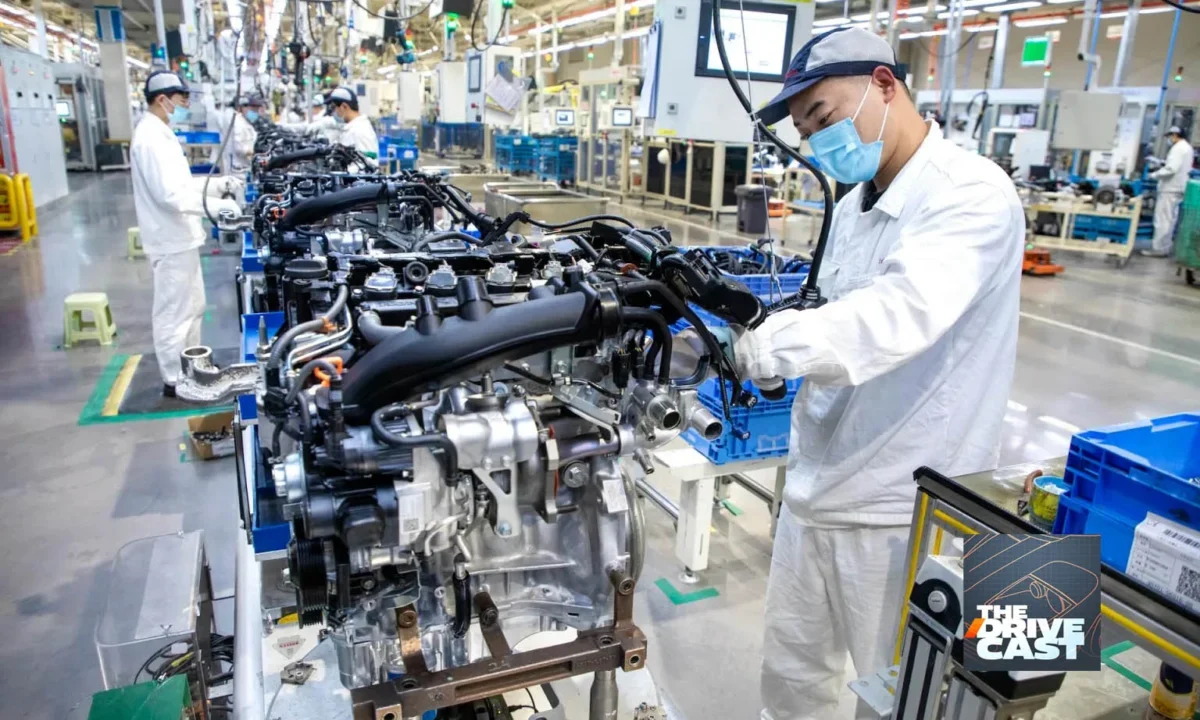
Hungary has positioned itself as the "battery powerhouse of Europe." By attracting massive foreign direct investment—most notably from Chinese manufacturers—the government aims to become a critical link in the European EV supply chain. Critics, however, argue that this strategy is environmentally fraught, as it relies on massive water consumption and creates an energy-intensive industrial base that is not yet powered by a sufficient share of renewables.
2. The Nuclear Question
Central to the Fidesz energy policy is the Paks II project, a multi-billion euro investment in new nuclear reactors. The project has been a lightning rod for controversy, criticized for its reliance on Russian technology and financing. It represents the government’s vision of "sovereign energy," yet opponents, including the Tisza movement, have questioned the long-term cost-benefit ratio and the potential for a "debt trap" regarding the financing terms.
3. EU Climate Blockades
Hungary’s track record in Brussels has been consistently adversarial regarding the European Green Deal. By frequently exercising its veto power, the current government has successfully stalled initiatives intended to accelerate the phase-out of fossil fuels. The election will determine if Hungary continues this role as an internal "spoiler" or moves toward a more collaborative alignment with the EU’s climate targets.
Official Responses and Political Discourse
The discourse surrounding the election has been starkly divided.
Government Perspective: Fidesz officials argue that their policy of "pragmatic energy realism" is the only way to protect the Hungarian working class from the high energy costs that have plagued Western Europe. They assert that the transition to EVs is a strategic masterstroke that secures the country’s economic future for the next generation. They dismiss criticisms regarding their climate vetoes as "Brussels overreach," framing their resistance as a defense of national sovereignty.
The Opposition’s View: The Tisza movement, led by Péter Magyar, characterizes the government’s energy policy as a "crony-capitalist scheme" that funnels public money into inefficient, opaque projects while ignoring the urgent need for a decentralized, renewable-led energy transition. Magyar has signaled a desire to mend ties with the European Commission, arguing that Hungary’s future prosperity is inextricably linked to the success of the EU’s unified climate goals.
Implications: A New Era for Central Europe
The outcome of the April 12 vote will have far-reaching implications for both Central Europe and the broader EU architecture.
Impact on European Unity
A victory for the opposition would likely lead to a seismic shift in the Visegrád Group (V4) dynamics. If Hungary pivots to align with the European Commission’s climate and energy directives, it would end a long-standing stalemate that has hindered EU policy progress. Conversely, a Fidesz victory would entrench the current status quo, potentially leading to further standoff measures between Budapest and the European Parliament.
The Economic Shift
For the business community, the election outcome dictates the future of the automotive sector in Hungary. Investors are currently in a "wait-and-see" mode. The sustainability of the EV battery hub model depends heavily on whether a future government can maintain the infrastructure commitments while managing the environmental concerns raised by local communities.
The Future of the "Green Transition"
Regardless of who wins, Hungary is at a crossroads where it must reconcile its massive industrial appetite with the realities of a warming planet. The election will serve as a bellwether for how Eastern European nations navigate the transition from fossil-fuel dependence—often inherited from the Soviet era—to a modern, decarbonized economy.
As the nation prepares for the polls, the international community recognizes that the Hungarian election is not merely a domestic administrative change. It is a fundamental decision on how a mid-sized European nation balances sovereignty, industrial strategy, and environmental responsibility in a world defined by the urgent need for energy security.
This report was synthesized from the insights provided during the Clean Energy Wire (CLEW) webinar, held on April 8, 2026, and is supported by Journalismfund Europe.
