




As Hungary heads to the polls on April 12, 2026, the nation’s energy landscape has morphed into a high-stakes geopolitical arena. With the European Union attempting to tighten its sovereignty, global powers—China, the United States, and Russia—are maneuvering for influence over the country’s critical infrastructure. Clean Energy Wire (CLEW) is convening a panel of experts to help journalists navigate this complex narrative.
The Upcoming Webinar: A Resource for Global Media
In the lead-up to the Hungarian parliamentary elections on April 12, 2026, the international press faces the challenge of contextualizing a complex web of energy policy, foreign investment, and democratic norms.
To support rigorous reporting, Clean Energy Wire (CLEW) is hosting an exclusive, expert-led webinar on April 9, 2026, from 16:00 to 17:30 CEST. The virtual event is designed to provide journalists with the analytical framework necessary to cover the intersection of Hungarian energy policy and broader European geopolitical security. Supported by Journalismfund Europe, the session will dissect how external power players are shaping the energy future of a central European state and what this signifies for the wider European Union’s decarbonization goals.
Main Facts: The Paks II Nexus and Beyond
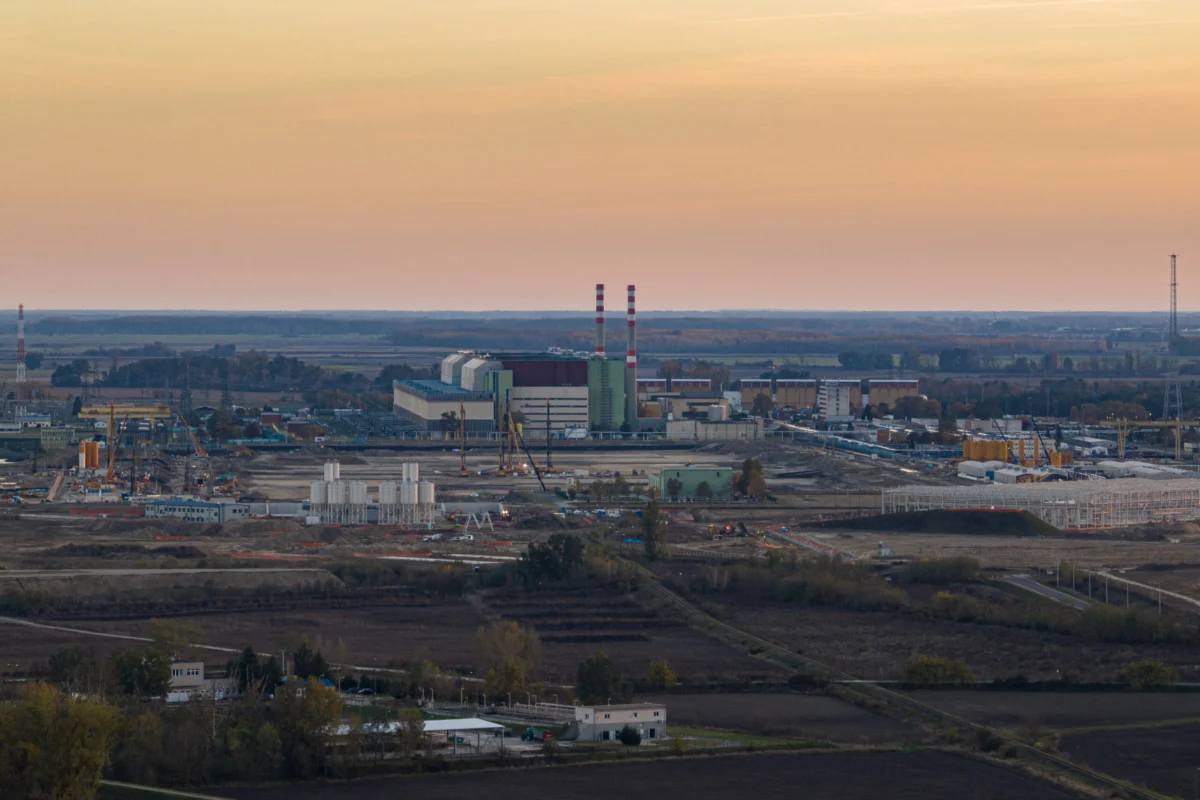
At the heart of the debate is the Paks II nuclear power plant project, a centerpiece of the Hungarian government’s energy strategy. The expansion of the existing facility has become a lightning rod for international concern.
- The Russian Connection: Rosatom, the Russian state nuclear corporation, remains the primary contractor for the Paks II expansion. This partnership has persisted despite the ongoing war in Ukraine and subsequent EU sanctions against Russia, highlighting the deep-seated dependency of the Hungarian energy sector on Moscow.
- The Chinese Pivot: In parallel, China has intensified its footprint in Hungary’s green transition. Massive investments in electric vehicle (EV) battery manufacturing—most notably by companies like CATL—have positioned Hungary as a crucial node in China’s European supply chain.
- The EU/US Stance: The United States and Brussels have expressed growing alarm over the extent of Hungary’s reliance on autocratic regimes for infrastructure that is critical to national security. The conflict centers on the "de-risking" agenda, which aims to shield the EU’s energy and industrial base from foreign coercion.
Chronology: The Path to the 2026 Elections
The current electoral environment is the culmination of a decade of strategic positioning:
- 2014: The Hungarian government signs the intergovernmental agreement with Russia for the Paks II expansion, signaling a commitment to nuclear power as the backbone of the national grid.
- 2020–2022: As the EU accelerates its "Green Deal" and the "REPowerEU" plan, Hungary begins aggressively seeking alternative industrial investments. The government shifts focus toward becoming a global hub for battery production.
- 2023: Significant milestones are reached at the Paks II construction site, including major soil stabilization efforts, signaling the move from planning to physical implementation.
- 2024–2025: Tensions escalate as the European Commission scrutinizes Hungary’s energy contracts, citing concerns over transparency and compliance with EU competition laws.
- April 9, 2026: CLEW webinar held for international journalists.
- April 12, 2026: Parliamentary elections take place, serving as a referendum on the government’s "Eastward Opening" economic policy.
Supporting Data: Energy Dependence and Infrastructure
To understand the gravity of the 2026 election, one must look at the data points that define Hungary’s energy profile:
1. Nuclear Dominance
Nuclear power currently accounts for roughly 45–50% of Hungary’s total electricity generation. The Paks II expansion aims to replace aging reactors with two 1.2-gigawatt units, effectively doubling the nuclear capacity. The dependency on Russian technology, fuel rods, and maintenance creates a "lock-in" effect that lasts decades.
2. The Battery Boom
Hungary has become the premier destination for Chinese battery manufacturing in Europe. Industry reports suggest that by 2027, Hungary could be the world’s second or third largest producer of EV batteries. While this aligns with the EU’s climate targets for transport, it creates a unique reliance on Chinese raw materials and capital, complicating the EU’s "strategic autonomy" goals.
3. Import Dependency
Despite attempts to diversify, Hungary remains heavily dependent on gas imports, primarily via the TurkStream pipeline. The intersection of this fossil fuel reliance with the high-stakes nuclear and battery projects creates a multi-layered dependence on non-EU actors.
Official Responses and Political Discourse
The Hungarian Government
The incumbent administration consistently defends its energy policy as "pragmatic." Government spokespeople argue that energy security is not a matter of ideology but of reliability and price. They maintain that the Paks II project is essential for keeping energy costs low for Hungarian households and that the Chinese investments are vital for the modernization of the Hungarian automotive sector.
The European Commission
Brussels has taken a more cautious, often confrontational approach. Officials have repeatedly reminded Budapest that infrastructure projects—particularly those involving Russian capital—must adhere to strict EU security and procurement standards. The Commission’s stance is that Hungary’s energy strategy risks creating "Trojan horses" within the European internal market, threatening the collective security of the bloc.
The United States
Washington has maintained a steady stream of diplomatic warnings. U.S. officials, particularly those focused on central and eastern European security, have cautioned that deep integration with Chinese technology and Russian nuclear systems poses a long-term risk to NATO interoperability and intelligence security.
Implications: A European Energy Policy in Crisis
The 2026 Hungarian elections will have profound implications for the European Union’s energy future.
Implications for the Green Transition
If Hungary continues its current path, it will host a hybrid energy system: highly decarbonized thanks to nuclear and battery tech, but geopolitically compromised due to the origin of those assets. This forces the EU into a difficult moral and strategic dilemma: should it sanction a member state’s infrastructure to achieve "de-risking," or should it accept the reality of a multi-polar dependency?
Implications for EU Unity
The election results will determine whether Hungary continues to leverage its energy infrastructure as a bargaining chip within the EU. If the government maintains its current course, we can expect continued friction in the European Council, particularly regarding energy sanctions and environmental regulations.
The Role of Investigative Journalism
As the election approaches, the role of the media is paramount. Journalists must move beyond surface-level political slogans and dig into the technical and financial realities of these energy projects.
- Who owns the data? In Chinese-invested battery plants, how much control does the Hungarian government retain?
- What are the hidden costs? Beyond the headline numbers, what are the long-term financial liabilities of the Paks II loan structure?
- The Security Aspect: To what extent are these energy systems integrated into a wider, surveillance-heavy digital infrastructure?
Conclusion: Preparing for the Narrative
The webinar hosted by CLEW on April 9 serves as a vital bridge between complex technical energy issues and the democratic process. As the world watches Hungary, the task for journalists is to provide the nuance that is often lost in the noise of electioneering.
The battle for Hungary’s energy future is a microcosm of a larger global shift. It is a story of how middle powers navigate the interests of competing superpowers, and how the concept of "energy independence" is being redefined in the 21st century. Journalists are encouraged to bring their toughest questions—not just about the election results, but about the structural forces that will shape Hungary’s, and by extension Europe’s, energy sovereignty for the next decade.
Registration for the webinar is open now. For those covering the intersection of climate, energy, and geopolitics, this event is an essential stop on the road to the April 12th polls.
Note: For further information on the event or to view the latest briefings on Hungarian energy infrastructure, visit the Clean Energy Wire (CLEW) portal.
