


As the continent enters a pivotal year for its industrial and environmental future, the intersection of political volatility and urgent decarbonization mandates threatens to redefine the European economic landscape.
Main Facts: A Decisive Year for the Green Transition
The year 2026 stands as a watershed moment for European climate and energy policy. With Germany—the continent’s industrial engine—aiming for climate neutrality by 2045, the policy decisions finalized in the coming twelve months will dictate the feasibility of these long-term targets. The agenda is dominated by three critical pillars: the structural reform of the European electricity market, the comprehensive decarbonization of the heavy industrial sector, and the systemic transition of the transport and building sectors.
While the technical roadmap for "Fit for 55" and the European Green Deal remains in place, the political climate has shifted significantly. Emerging populist movements, particularly those skeptical of the socioeconomic costs of the energy transition, are increasingly exerting influence at the municipal and regional levels. This "local resistance" is no longer a fringe phenomenon; it is becoming a structural hurdle to the deployment of renewable infrastructure and green technology integration.
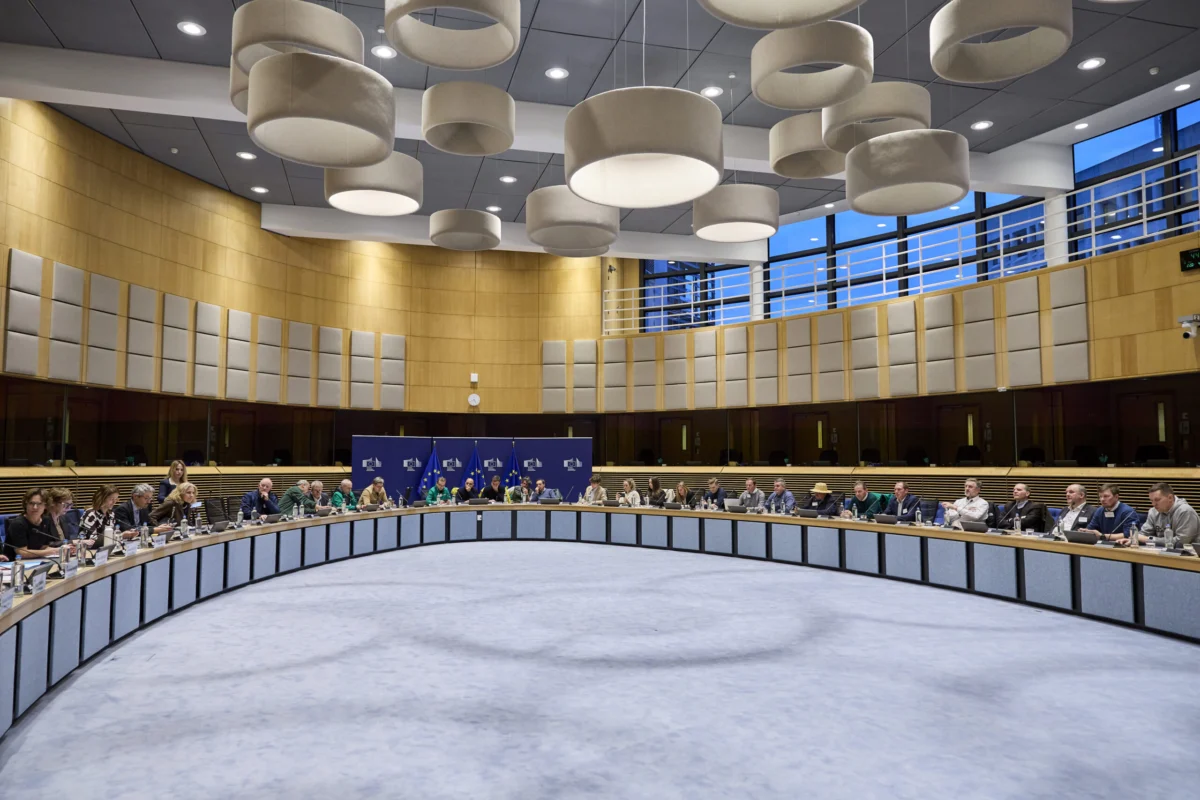
On January 28, 2026, experts and stakeholders convened to analyze these trends, noting that the window for meaningful course correction is narrowing. As Europe balances energy security with decarbonization, the decisions made in Brussels and Berlin will ripple through global supply chains and international climate commitments.
Chronology: The Road to 2026 and Beyond
To understand the urgency of the current moment, one must view 2026 as the culmination of a decade of intensive policy development.
- 2019–2021: The Framework Phase. The European Commission introduces the European Green Deal, setting the legislative baseline for a climate-neutral continent by 2050. Germany accelerates its own domestic goal to 2045.
- 2022–2024: The Crisis Management Phase. Triggered by the geopolitical energy crisis, Europe accelerates the deployment of renewables. However, inflation and supply chain bottlenecks create the first significant public backlash against high energy costs.
- 2025: The Political Pivot. Regional elections in Germany and shifting alliances within the European Parliament signal a hardening of political stances. Far-right populism gains ground, emphasizing the perceived "de-industrialization" risks of current climate policies.
- January 2026: The Strategic Assessment. As the year opens, policymakers acknowledge that the transition has reached a "complexity plateau." Regulatory frameworks must now transition from ambition to implementation.
- Mid-2026: The Budgetary Crossroads. Negotiations on the post-2030 climate policy framework and the allocation of the EU multiannual financial budget are scheduled to reach a fever pitch.
- Late 2026 and Beyond: The deadline for finalizing the legislative architecture that will govern Europe’s energy mix for the 2030–2040 period.
Supporting Data: The Scale of the Challenge
The transition is not merely a political project; it is a massive economic undertaking. To reach the 2045 neutrality target, Germany must sustain an unprecedented pace of infrastructure deployment.
The Energy Gap
According to current projections, Germany’s electricity demand is expected to surge by 30–40% by 2030, driven by the electrification of heating and transport. To meet this, the federal government must maintain a record-breaking rate of wind and solar installation. As of early 2026, while renewable penetration is high, the "base-load" stability provided by grid-scale storage and hydrogen-ready gas plants remains under-funded.
Industrial Vulnerability
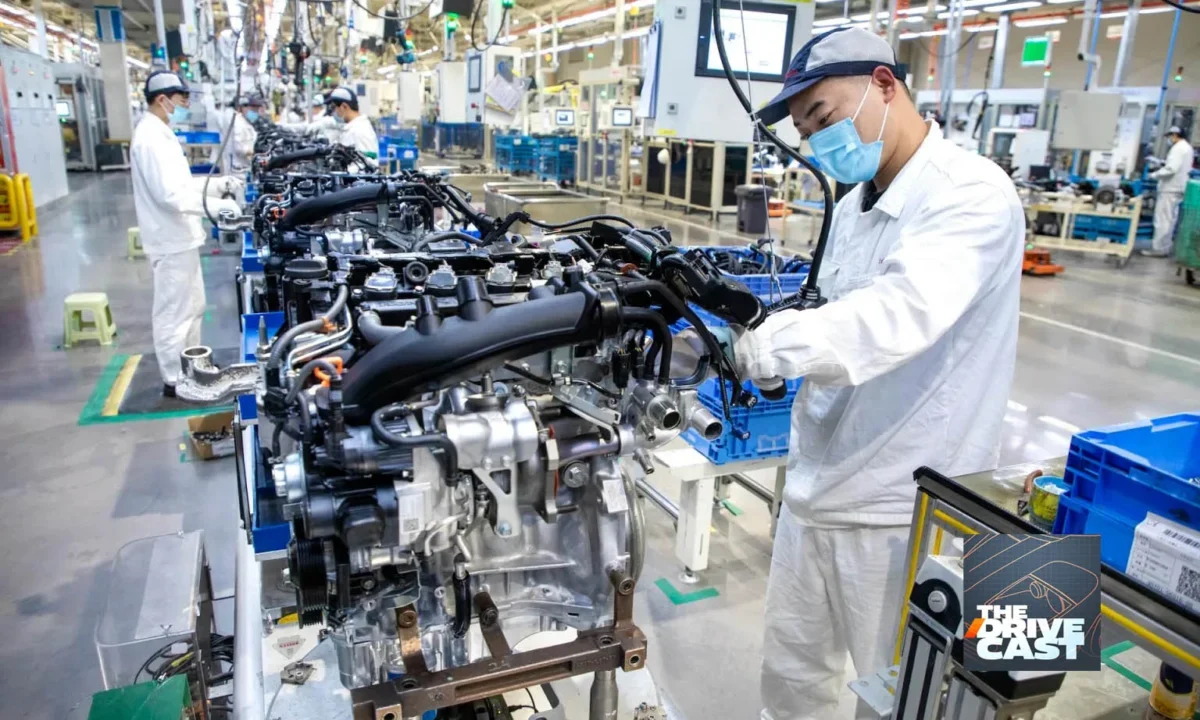
The German chemical and steel sectors, which historically benefited from cheap imported fossil fuels, are currently operating at a cost disadvantage compared to US and Chinese counterparts. Data indicates that industrial investment in Germany has stagnated, with a notable "wait-and-see" approach from major manufacturers who are waiting for clarity on energy prices and carbon contracts for difference (CCfDs).
The Populist Trend
Political analysis of recent regional elections suggests a 15–20% increase in voter sentiment favoring parties that advocate for the deceleration of the "Energiewende." This shift has resulted in a 12% increase in stalled local permitting processes for wind farms and transmission lines, as local governments cite public opposition and economic uncertainty.
Official Responses and Stakeholder Perspectives
The discourse surrounding the 2026 climate agenda is marked by a clear divide between industrial pragmatists and environmental idealists.
The European Commission’s Stance
Brussels continues to emphasize the "competitive advantage" of the transition. An official spokesperson recently noted, "The decarbonization of our industry is not an option; it is the only way to remain competitive in a world where the green economy is the new global standard. We are providing the financial tools—the Innovation Fund and the Just Transition Mechanism—to ensure no region is left behind."
The German Federal Government
The current coalition in Berlin is grappling with a delicate balancing act. While the Federal Ministry for Economic Affairs and Climate Action maintains that the 2045 target is non-negotiable, there is an increasing emphasis on "pragmatic implementation." This includes streamlining bureaucracy for grid expansion and offering temporary relief to energy-intensive industries to prevent "carbon leakage"—the migration of factories to regions with lower environmental standards.
Civil Society and Industry Groups
Industry leaders, such as the BDI (Federation of German Industries), have urged the government to prioritize "planning certainty." Their response to the 2026 outlook is one of cautious skepticism. They argue that without a clear, subsidized path for affordable green hydrogen and a robust electricity grid, the transition risks "hollowing out" Germany’s industrial core. Conversely, climate NGOs emphasize that the current political hesitation is a "dangerous luxury" that will only increase the long-term costs of climate disaster mitigation.
Implications: A Continent at a Crossroad
The implications of the 2026 policy cycle are profound, extending far beyond the borders of Germany or the EU.
1. The Survival of the Industrial Base
The most immediate risk is the de-industrialization of Europe’s core. If the energy transition is not handled with a focus on cost-competitiveness, the shift will lead to a permanent loss of manufacturing capacity. This would not only cripple the economy but would also destroy the political consensus required to sustain long-term climate action.
2. The Resilience of Democracy
Climate policy has become a proxy war for deeper societal frustrations regarding immigration, globalization, and economic inequality. If the green transition is perceived as an elite project that imposes costs on the working class without providing tangible benefits, the political backlash will likely intensify. The challenge for 2026 is to "socialize" the energy transition, ensuring that the benefits—such as lower long-term energy costs and new job creation—are felt at the household level.
3. Global Leadership and the "Brussels Effect"
The EU has long prided itself on the "Brussels Effect," where European regulations become global standards. If the EU fails to meet its own 2030/2045 targets due to internal political friction, the credibility of its global climate diplomacy will vanish. This would weaken the EU’s leverage in negotiating international trade agreements that hinge on carbon standards (such as the CBAM – Carbon Border Adjustment Mechanism).
4. The Technological Race
Finally, 2026 will determine whether Europe becomes a leader in green technology or a permanent importer of it. The continent is currently trailing behind China in solar manufacturing and battery technology. The decisions made this year regarding R&D investment and market protectionism will dictate whether the European energy system of 2040 is built on European-made technology or foreign-owned infrastructure.
Conclusion
As the data for 2026 confirms, the transition is no longer a matter of setting ambitious targets; it is a matter of managing the friction of reality. The path to 2045 is narrow, winding through the complexities of grid stability, industrial survival, and the shifting winds of electoral politics. Whether 2026 will be remembered as the year Europe faltered or the year it finally cemented its transition to a green superpower remains to be seen. The political and economic stakes could not be higher.
