





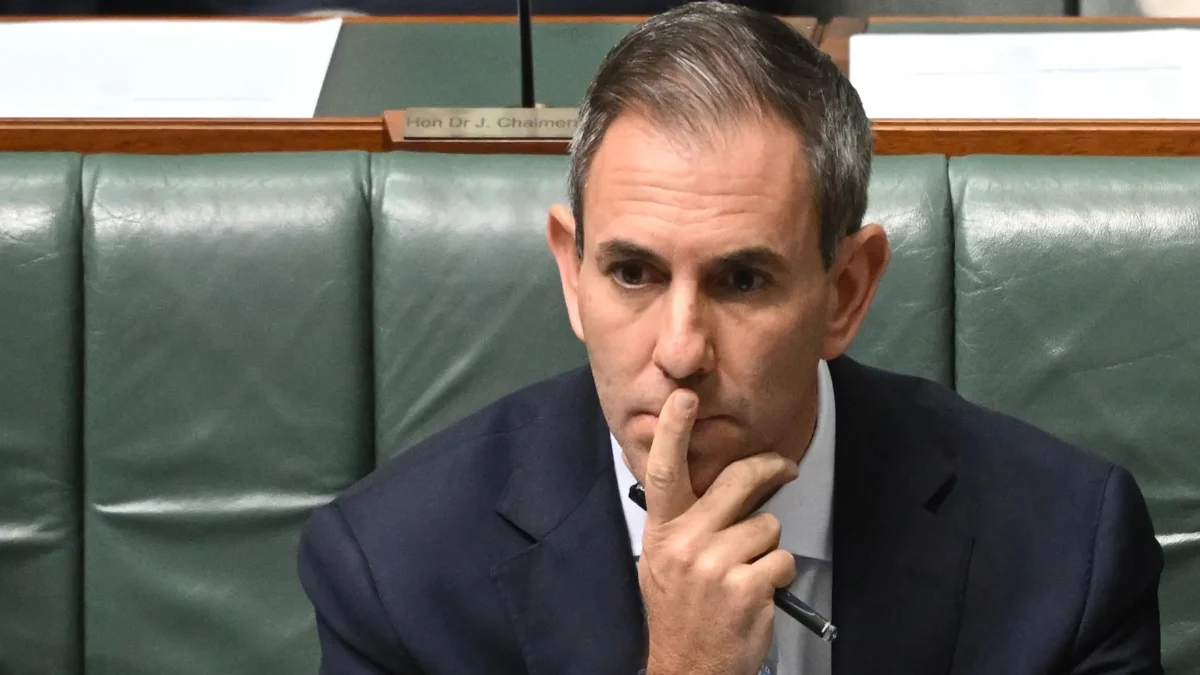
In a significant pivot for Australia’s innovation sector, Treasurer Jim Chalmers has released the exposure draft legislation for the Innovative Business CGT Concession (IBCC). Following months of intense lobbying from the startup and venture capital communities, the Albanese government has moved to soften the edges of its contentious capital gains tax (CGT) overhaul. By reducing holding requirements and scrapping a controversial lifetime cap, the government is attempting to strike a balance between fiscal reform and the survival of the nation’s burgeoning high-growth economy.
However, as the details of the draft emerge, experts warn that while the "hard edges" have been sanded down, significant "fine-print traps" remain, potentially complicating the investment landscape for early-stage companies.
The Main Facts: What Has Changed?
The exposure draft legislation represents a fundamental restructuring of how the government intends to treat startup equity under the new tax regime. The core objective of the IBCC is to provide a "safe harbor" for founders, early employees, and angel investors who would otherwise be disproportionately impacted by the broader CGT changes announced in the May Budget.
Key concessions in the draft include:
- Reduction of Holding Period: The mandatory minimum holding period for shares to qualify for the concession has been slashed from five years to three. This recognizes the reality of startup exit horizons, which often occur sooner than the long-term investment cycles of traditional blue-chip equities.
- Removal of the Lifetime Cap: Perhaps the most welcomed change is the removal of the proposed $10 million lifetime cap on gains. Startups are, by design, intended to reach significant valuations; a hard cap on gains was widely viewed by the industry as a deterrent to high-risk, high-reward investment.
- Extended Eligibility: The definition of an "eligible company" has been broadened, with the age of the business threshold extended from 10 to 15 years. This provides a more realistic runway for deep-tech and research-heavy startups that often take longer to achieve commercial viability.
Despite these changes, the fundamental shift in the broader tax landscape remains. Starting July 1, 2027, the existing 50% CGT discount for individuals, trusts, and partnerships will be replaced by a system of cost-base indexation and a 30% minimum tax on gains. The IBCC is intended to act as a buffer, but it only applies to specific, qualifying innovative businesses.
A Chronological Overview: From Budget Shock to Policy Shift
The journey toward the current draft has been one of high-stakes negotiation between Canberra and the tech sector.
- May 2026 (The Budget): Treasurer Jim Chalmers announces a sweeping overhaul of the capital gains tax system. The move to abolish the 50% CGT discount and shift to a 30% tax on gains is framed as a necessary measure for long-term fiscal stability. The announcement catches the startup ecosystem by surprise, with industry bodies immediately warning of a "brain drain" and a capital flight to friendlier jurisdictions.
- June–August 2026 (The Consultation Period): A wave of industry criticism ensues. Founders and investors argue that startups are not traditional investments; they are high-risk ventures that require favorable tax treatment to compensate for the high probability of failure. Startup Daily and other outlets report on the growing anxiety among angel investors, who fear their ability to fund early-stage innovation is being crippled.
- September 2026 (The Exposure Draft): Responding to sustained pressure, the Treasurer releases the IBCC exposure draft. The document signals a clear concessionary stance, addressing the three most frequently cited pain points: the time-lock, the cap, and the age limit.
- September 28, 2026 (Current Deadline): Treasury is currently conducting a formal consultation process. Stakeholders have until this date to provide feedback on the draft, a window the sector is using to scrutinize the technical definitions that will determine which startups qualify as "innovative."
Supporting Data and the Economic Context
To understand why these changes are so significant, one must look at the data governing startup investment. Australia’s venture capital market has matured significantly over the last decade, with funds under management reaching record highs. However, the ecosystem remains fragile.
According to industry analysis, early-stage angel investment is the "lifeblood" of the sector. Angel investors often commit capital when the risk is at its peak—the "pre-seed" or "seed" stage. These individuals are highly sensitive to tax policy. If the tax burden on a successful exit becomes too high, angel investors are mathematically incentivized to pivot their capital toward established real estate or dividend-yielding stocks.
The "Innovation Premium":
The government’s own Treasury papers acknowledge that innovation contributes to productivity growth. By providing a 15-year eligibility window, the government is tacitly admitting that companies developing IP—such as quantum computing, biotech, or clean energy—require a longer gestation period. By moving from a five-year to a three-year holding period, the government is aligning its policy with the "Series A to Exit" timeline that dominates the Australian tech scene.
Official Responses and Stakeholder Sentiment
The reaction from the startup community has been one of "cautious relief."
The Government’s Perspective:
Treasurer Jim Chalmers has positioned the IBCC as a "targeted support mechanism." In his public remarks accompanying the draft, he emphasized that the government remains committed to its fiscal reform agenda while acknowledging that "we must ensure that our tax system does not inadvertently penalize the entrepreneurs who are building the industries of tomorrow."
Industry Reaction:
Peak industry bodies have praised the removal of the $10 million cap, noting that it was the single biggest inhibitor to venture capital participation. However, the mood is not universally celebratory. Leading venture capitalists have pointed out that the definition of "Innovative Business" remains somewhat opaque.
"The devil is in the detail," one prominent Sydney-based VC partner noted. "While the thresholds are better, we are still waiting to see exactly how the ATO will audit the ‘innovation’ component. If the compliance burden is too high, or if the criteria for what constitutes an ‘innovative’ business are too restrictive, we could still see a chilling effect on investment."
Implications: The Lingering "Fine-Print Traps"
While the headlines focus on the concessions, tax experts are highlighting several areas that require close scrutiny before the legislation is finalized.
1. The Definition of "Innovative"
The draft relies on specific criteria to define which companies qualify for the IBCC. If these criteria are too narrow, the policy could inadvertently exclude entire verticals of the startup ecosystem. For example, if the criteria prioritize R&D expenditure but ignore software-as-a-service (SaaS) businesses that focus on rapid scaling over heavy, early-stage lab research, a significant portion of the tech sector will be left behind.
2. Compliance and Administrative Burdens
The transition to a new CGT regime is complex. Startups, which are often resource-constrained, will face increased accounting and legal fees to ensure they meet the IBCC requirements. The administrative burden of tracking shareholdings over a three-year period to prove eligibility for the concession is non-trivial, particularly for companies with high staff turnover or complex cap tables.
3. The "Grandfathering" Gap
There remains uncertainty regarding existing investments. Investors who entered into positions prior to the announcement are watching closely to see how the transition will be managed. If there is a perceived inequity between old and new investments, it could lead to a temporary freeze in liquidity as investors wait for the dust to settle.
4. Regulatory Divergence
As states and the federal government compete for investment, the potential for regulatory divergence is a concern. If the federal IBCC remains overly complex, state-level grants or tax incentives may become the primary driver of investment, creating a fragmented landscape that makes Australia less attractive to international capital.
Conclusion: A Work in Progress
The release of the IBCC exposure draft marks a pivotal moment in the Albanese government’s economic agenda. By walking back the most punitive aspects of its initial CGT proposal, the government has shown a willingness to listen to the startup community. The removal of the $10 million cap and the reduction of the holding period are clear signals that the Treasurer understands the unique needs of high-growth companies.
However, the path forward is not entirely clear. As the consultation period closes on September 28, the focus must shift from the headline numbers to the technical implementation. The success of this policy will not be judged by the concessions made in the draft, but by the practical ease with which founders and investors can utilize these provisions.
For the Australian startup ecosystem, the next few months will be a test of whether the government can deliver a tax framework that is as agile as the companies it intends to foster. If the fine-print traps are addressed effectively, the IBCC could become a cornerstone of Australia’s future economic growth. If not, it risks becoming another layer of complexity in an already challenging regulatory environment. Investors, founders, and policymakers alike will be watching closely as the final legislation takes shape in the coming months.
