




In the world of high-performance automotive engineering, tools are rarely just inanimate objects. For the technicians, tuners, and engineers at FuelTech USA, a piece of equipment is often a silent partner—a witness to the birth of world records and the heartbreak of catastrophic failures. This week, the team at FuelTech bid a bittersweet farewell to their workhorse, the Mainline ProHub 5000, a hub dyno that has served as the heartbeat of their shop for the better part of a decade.
After eight years of relentless service, over 5,000 recorded pulls, and a history of pushing the absolute limits of internal combustion, the ProHub 5000 is being retired. It marks the closing of a chapter that defined an era for the company, as they prepare to transition to the more robust, next-generation Mainline ProHub 6000.
A Legacy Forged in Horsepower
For those outside the specialized world of professional tuning, a hub dyno may appear to be little more than a heavy steel platform. In reality, it is the ultimate arbiter of power. Unlike chassis dynos, which rely on rollers that can suffer from tire slip at extreme outputs, a hub dyno bolts directly to a vehicle’s wheel hubs, providing an unshakeable connection that allows for the measurement of immense torque and horsepower figures with clinical precision.

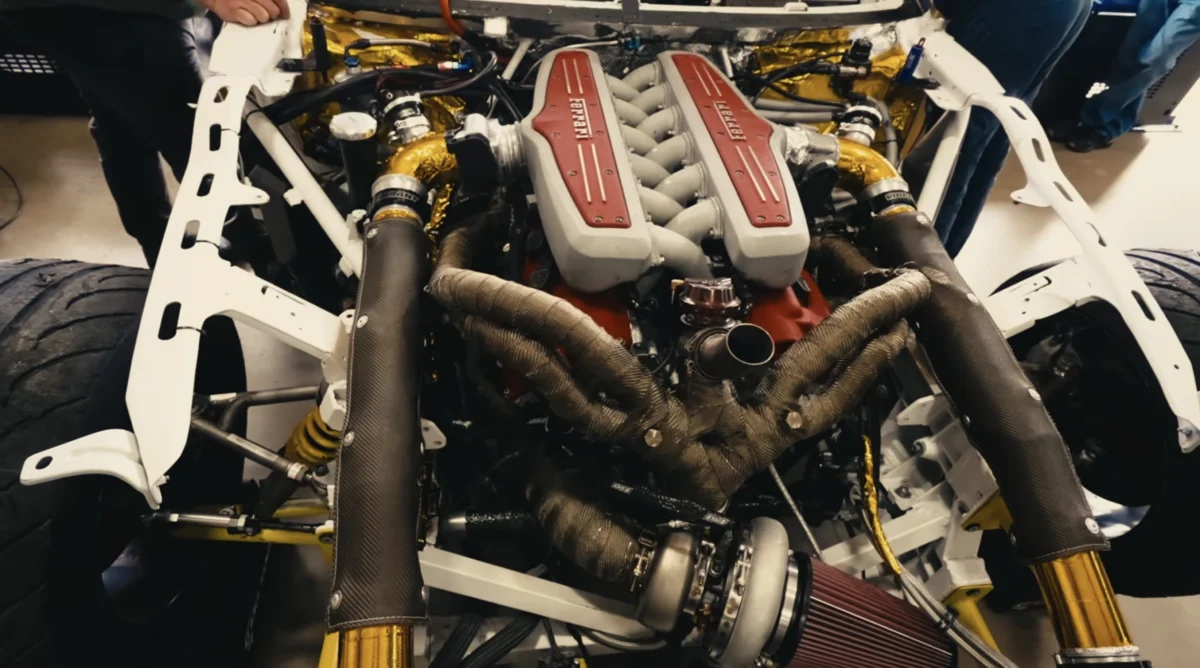
For the past eight years, the FuelTech ProHub 5000 has been the proving ground for some of the most radical builds on the planet. From professional-grade Formula Drift machines to wild, one-off projects featuring V12 Ferraris bolstered by nitrous and massive turbochargers, the machine has seen it all. Its resume includes everything from high-revving, record-setting four-cylinder engines to classic 1930s trucks retrofitted with modern, boosted overhead-valve inline-six powerplants.
The machine was more than just a diagnostic tool; it was a pilgrimage site. Performance gurus from as far away as Brazil traveled to the FuelTech facility, not just to witness the equipment, but to be part of the history being written on that very dyno cell floor.
Chronology of a Powerhouse
The journey of the ProHub 5000 began eight years ago, arriving at the FuelTech shop as a statement of intent. At the time, the automotive aftermarket was shifting; the era of "easy" power was ending, replaced by a sophisticated arms race where every fraction of a percentage point in fuel mapping and ignition timing could mean the difference between a podium finish and a melted piston.
The Milestone Years
- The Early Days: Upon installation, the dyno immediately saw a steady stream of local drag and drift projects. It quickly established itself as the "gold standard" for the shop’s R&D efforts.
- The 5,000-Pull Threshold: Over the course of nearly a decade, the machine performed over 5,000 individual runs. This volume of testing is equivalent to a lifetime of service for many commercial shops.
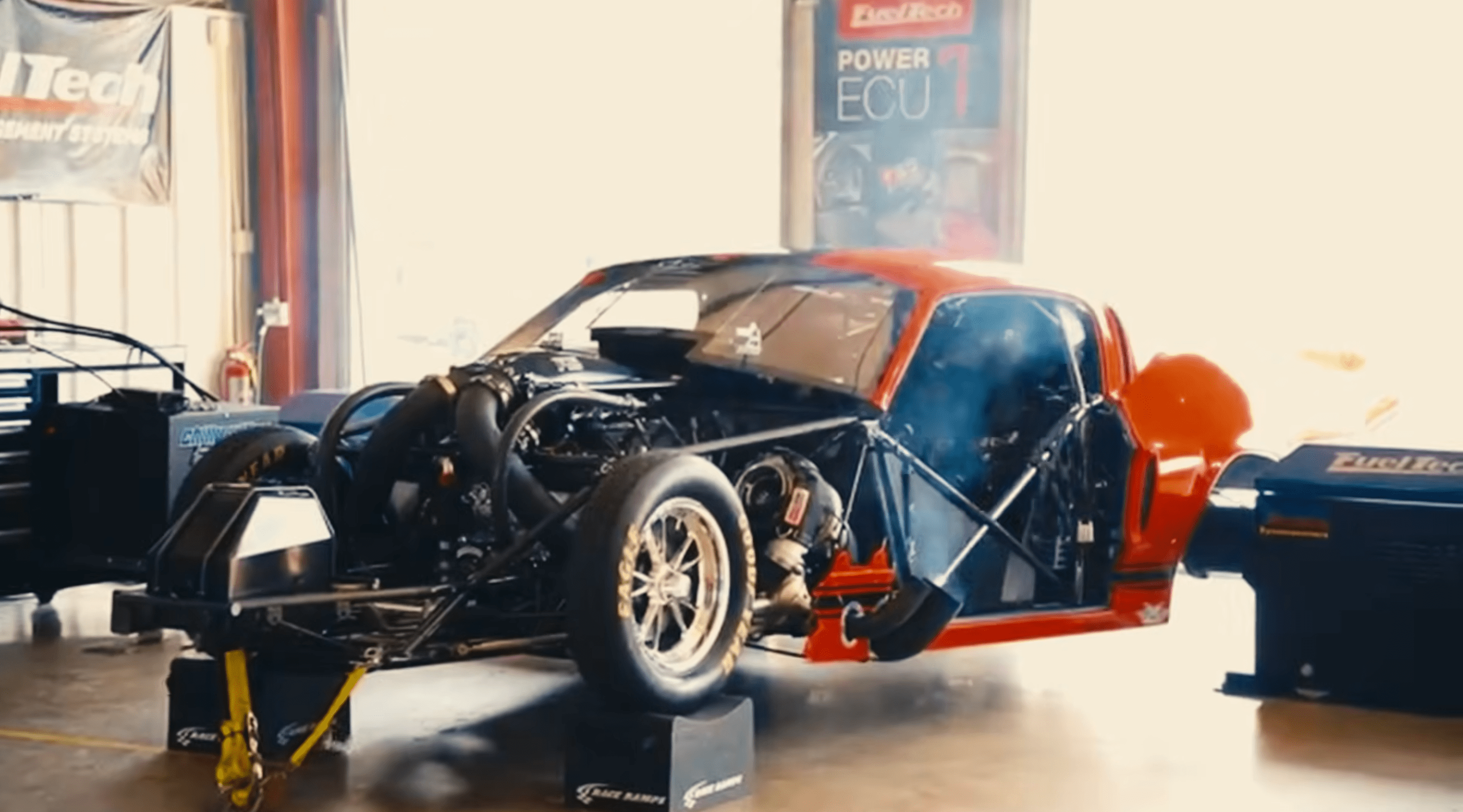
- The World Record Era: Perhaps the most significant moment in the machine’s tenure occurred during the testing of Szabolics Marchese’s twin-turbo Pro Mod Camaro. The car hammered the dyno, producing a staggering 5,395 horsepower. To this day, that run stands as a benchmark in the industry, having survived numerous attempts by other teams to eclipse the figure on similar equipment.
- The Retirement: With the recent arrival of the ProHub 6000, the 5000 model was finally decommissioned. The transition serves as a reminder that in the world of extreme performance, technology must constantly evolve to keep pace with the engines it is meant to measure.
Supporting Data: By the Numbers
The sheer capacity of the ProHub 5000 is best understood through its ability to handle "extreme duty" scenarios. While many shop-grade dynos are rated for street cars or mild track builds, the ProHub 5000 was subjected to conditions that would have shredded lesser equipment.
FuelTech reported that the machine successfully handled four distinct vehicles capable of producing over 5,000 horsepower. This data point is particularly impressive when one considers the physical stresses involved in such testing. A 5,000-hp pull exerts massive rotational force on the hub adapters, the load cells, and the deceleration hardware.
Furthermore, the diversity of the engines tested—ranging from tiny, high-boost displacement motors to massive, fire-breathing V8s—demonstrates the versatility required of a premier testing facility. While a triple-turbo pulling tractor recently bypassed the 6,000-hp mark, the ProHub 5000’s record of 5,395 hp remains a testament to its design and the quality of the tuning environment provided by FuelTech.

Official Perspectives: The Human Connection
In a poignant tribute released on YouTube, FuelTech’s Chief Operating Officer, Luis de Leon, spent nearly an hour reflecting on the machine’s history. The video, which felt more like a eulogy for a long-time colleague than a technical equipment update, provided a rare glimpse into the emotional side of engineering.
De Leon spoke at length about the "personality" of the dyno. He shared anecdotes about the various personalities that visited the shop, the long nights spent troubleshooting minor gremlins, and the sheer tension that fills the room during a high-horsepower pull.
"When you work with a piece of equipment for eight years, you learn its nuances," de Leon noted. "You know exactly when a pull is going to be clean and when the engine is struggling. You develop a trust that is hard to replace."

One of the more humorous reflections involved the early days of the machine’s installation. De Leon admitted that the team learned the hard way—through trial and error—the absolute necessity of securing the dyno to the floor with heavy-duty anchors. The sheer torque generated by modern race engines is enough to shift, or even tip, a dyno that isn’t properly braced. It was a lesson in physics that the team never forgot, ensuring that every subsequent run was conducted with the highest safety standards.
Implications for the Future
The retirement of the ProHub 5000 is not just a symbolic end; it is a tactical upgrade. As modern racing engines reach power levels previously thought impossible for non-top-fuel vehicles, the demand on diagnostic equipment has shifted. The Mainline ProHub 6000 promises increased thermal management, enhanced load-cell sensitivity, and a more robust interface to handle the next wave of high-horsepower records.
However, the departure of the 5000 leaves a vacuum in the shop’s culture. In professional motorsports, there is a superstitious respect for "lucky" tools. The ProHub 5000 was the "lucky" tool—the machine that saw the team through countless victories, failed prototypes, and the refinement of the FuelTech brand itself.

For the staff, the transition to the 6000 will be a period of calibration and learning. They must now teach themselves the quirks and capabilities of their new partner, hoping it develops the same reliability and "character" as the one they are leaving behind.
Final Thoughts
As the ProHub 5000 is unbolted and moved out of the primary test cell, it leaves behind a legacy of innovation. It proved that with the right tuning software and a reliable hub-based testing platform, builders could safely explore the limits of performance.
The story of FuelTech’s dyno is a reminder that behind every record-breaking pass on the drag strip or every blistering drift entry, there is a facility, a team, and a collection of tools that worked in harmony to make it possible. While the ProHub 5000 has seen its final pull, the records it helped set will endure, serving as a benchmark for years to come. The shop may be louder and the numbers on the screen may climb higher with the new 6000, but the team at FuelTech will always remember the machine that helped build their reputation, one pull at a time.
