





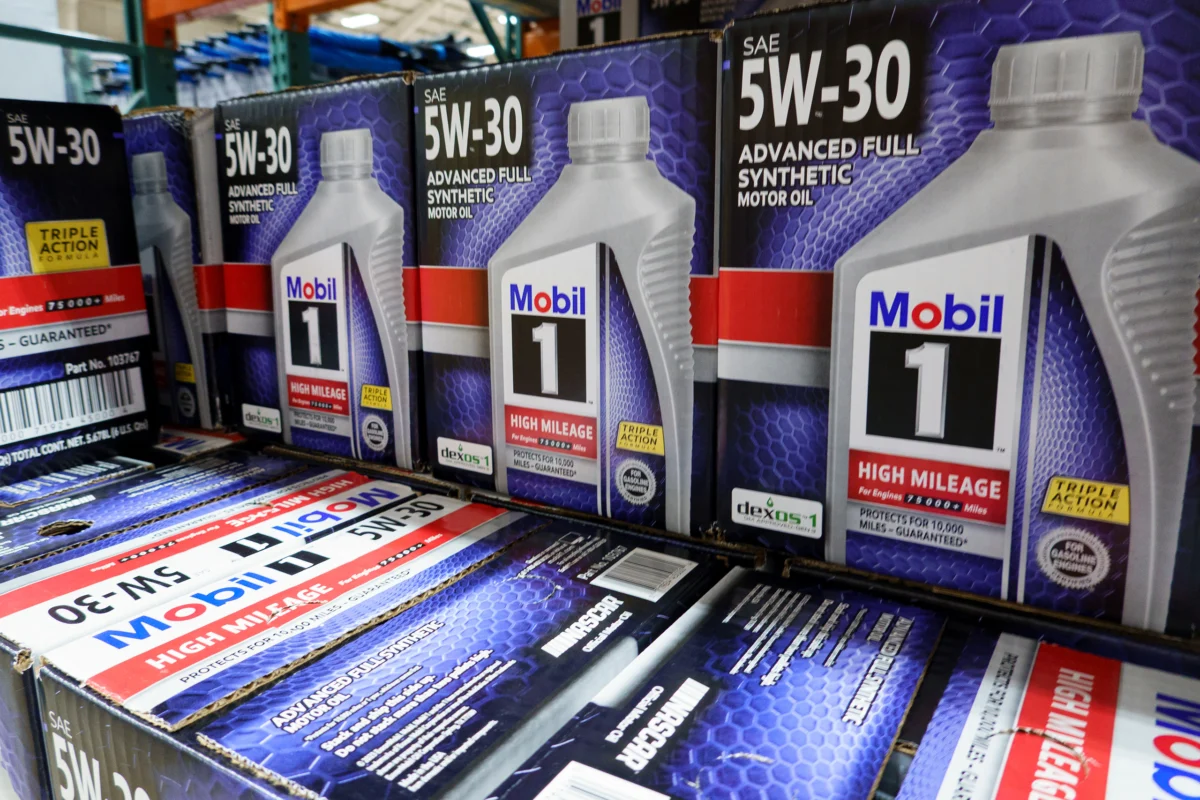
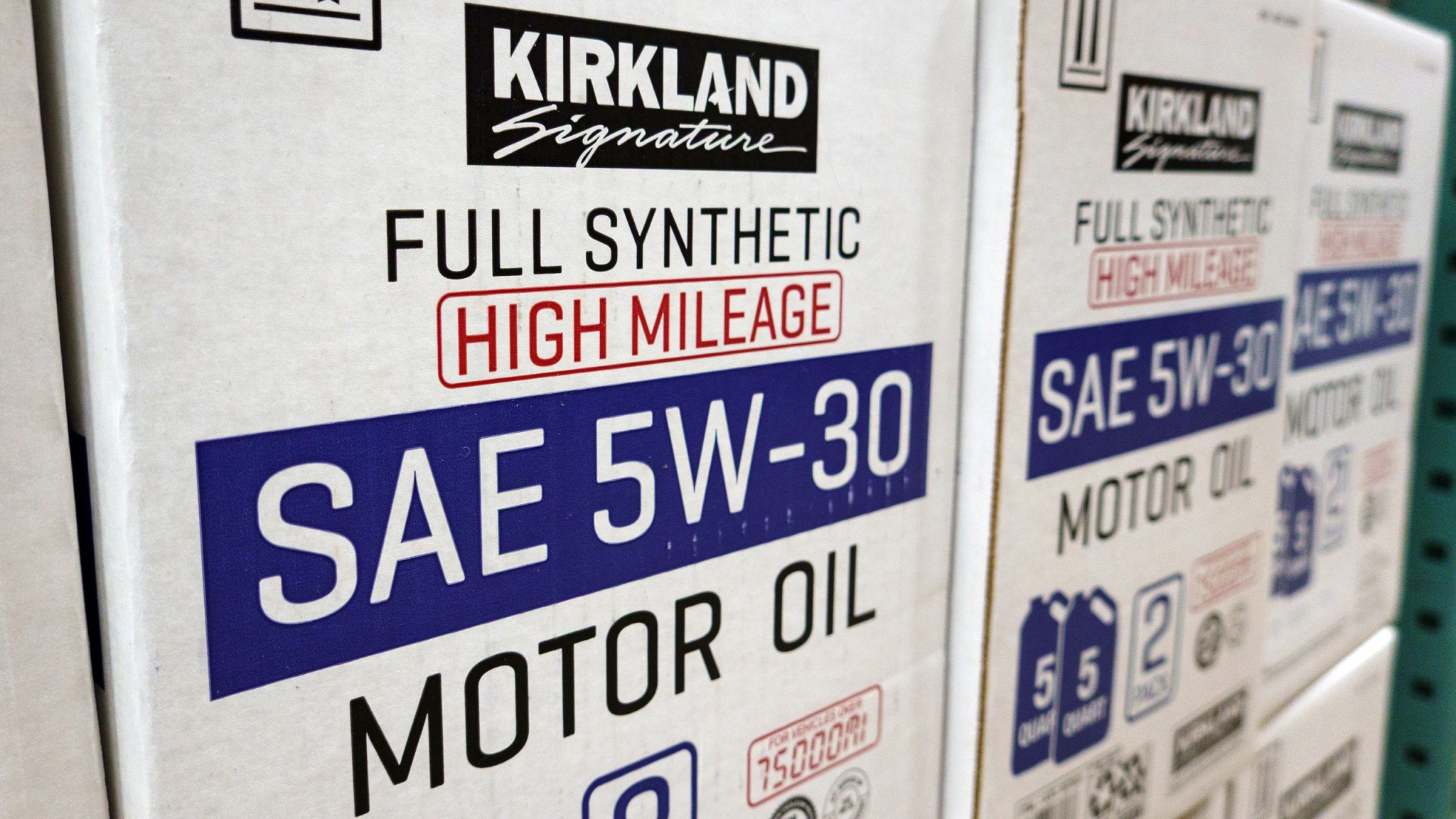
In the landscape of 2026, the retail experience is undergoing a seismic shift. For years, the American consumer has viewed the local Costco warehouse as a sanctuary from the creeping tide of inflation—a place where bulk quantities and "Kirkland Signature" reliability provided a hedge against an unpredictable economy. However, that sanctuary has been breached. The warehouse giant, long celebrated for its generous return policies and rock-bottom prices, has recently implemented significant price hikes and restrictive purchasing limits on its house-brand motor oil.
The transition from a bargain-bin staple to a rationed commodity is not merely a localized inventory error; it is a manifestation of a complex, global crisis in the petrochemical sector. As motorists face a $58 price tag for a 10-quart pack of full-synthetic Kirkland oil—a steep climb from the $30 price point seen in the recent past—the automotive community is left to grapple with a new reality: the days of cheap, abundant engine protection are, for the moment, behind us.
The Anatomy of the Shortage: Supply Chain and Global Instability
The primary driver behind this volatility is a fundamental disruption in the supply chain. Motor oil is not a product manufactured in a vacuum; it is a downstream derivative of the same crude oil refining process that yields gasoline and diesel.
In 2026, the global geopolitical climate remains precarious. Ongoing instability in the Middle East has created a "triple-threat" environment for refineries: reduced crude supply, shifting logistics, and a desperate market demand for transportation fuels. When global oil markets tighten, refineries prioritize the production of high-volume, high-margin products—specifically gasoline and diesel—to meet immediate fuel demands.
Because motor oil is a specialized product requiring specific additives and precise blending, it often sits lower on the refinery’s priority list during periods of feedstock scarcity. Consequently, retailers are finding themselves at the end of a very thin supply line. As noted by industry analysts, refineries are currently squeezing more profit out of every barrel by focusing on fuel, leaving less room for the base stocks required for high-quality synthetic lubricants.
A Chronological Breakdown of the Price Surge
The rapid escalation of prices and the subsequent implementation of purchase limits did not occur overnight. The following timeline outlines the progression of this crisis:
- Early 2026: Initial signs of supply tightening began to appear as regional tensions escalated. Costco maintained its $30-per-pack pricing, absorbing the early costs to maintain its reputation for low prices.
- May 2026: Reports surfaced from various automotive forums indicating intermittent "Out of Stock" signs at major warehouse locations, particularly in coastal regions.
- July 2026: Major oil manufacturers began signaling to retailers that wholesale costs would be increasing due to rising additive costs and crude scarcity.
- August 2026: Costco officially adjusted the retail price of its 10-quart Kirkland Signature full-synthetic pack to $58. Simultaneously, the first "two-per-customer" limits appeared in stores.
- September 2026: The limit policy became standardized across most major metropolitan hubs. Retailers began reporting that even premium competitors, such as Mobil 1, were seeing price adjustments and inventory caps (now set at five per member).
The Evolution of Oil Chemistry: Why Prices Can’t Just "Go Back"
While supply chain issues provide the immediate cause for price hikes, there is a secondary, structural factor at play: the increasing complexity of engine technology. Modern engines are smaller, more efficient, and often rely on turbocharging or supercharging to achieve the power outputs of larger, naturally aspirated predecessors.
This "downsizing" trend requires engine oil that can withstand significantly higher temperatures and greater shear forces. The American Petroleum Institute (API) has, over the last several years, mandated increasingly rigorous testing standards to ensure that oils can protect these high-stress engines while meeting stringent environmental emissions requirements.
This evolution has effectively ended the era of "generic" oil. To meet current API standards, manufacturers must utilize sophisticated, expensive chemical additive packages. These additives, which prevent sludge, reduce friction, and maintain viscosity under extreme load, are subject to their own supply chain pressures. The result is a product that is objectively better than the oil of a decade ago, but significantly more expensive to produce.
The "Dexos" Tax and Manufacturer Influence
Adding another layer to the cost structure is the licensing landscape dominated by major automakers. General Motors, for instance, has long utilized the "Dexos" specification—a proprietary certification that is essentially a requirement for any vehicle under the GM umbrella.
The Dexos label is not merely a quality stamp; it is a financial instrument. Vendors—including the contract manufacturers that produce Kirkland Signature oil—must pay licensing fees to use the Dexos trademark. These fees are structured per product and per unit sold. As automakers tighten their control over what is considered "approved" maintenance, these licensing costs are passed down the line, ultimately appearing on the shelf at Costco.
While these programs have existed for over 15 years, they were originally designed for specialized, high-performance engines. Today, the "standard" engine requires these premium, licensed formulations. This creates a regulatory "floor" that prevents retailers from simply switching to cheaper, lower-spec alternatives to keep prices down.
Implications for the Consumer and the Automotive Aftermarket
The shift in pricing has profound implications for the average car owner. For the DIY mechanic, the economic incentive to perform one’s own oil changes is shrinking. When the cost of high-quality synthetic oil approaches $60 per change, the price gap between doing it yourself and visiting a quick-lube shop narrows.
Economic Impact
For households already struggling with the costs of living, the price of vehicle maintenance is a hidden tax on mobility. Commuters who rely on their vehicles to get to work are now finding that basic preventative maintenance has doubled in price. If these trends continue, there is a risk that owners may delay oil changes to save money, leading to a rise in long-term engine failures and a decrease in vehicle longevity across the national fleet.
The Retail Response
Costco’s decision to limit purchases is a classic risk-mitigation strategy. By restricting sales to two units per member, the warehouse is attempting to prevent "scalping"—where individuals purchase large quantities to resell at a markup on secondary markets—and to ensure that the limited stock is distributed equitably among their loyal member base. However, this also signals that the warehouse does not expect the supply situation to normalize in the near term.
Looking Ahead: Is Relief on the Horizon?
Industry experts remain cautious about a quick resolution. The stability of the motor oil market is tied to the stability of the global energy market. As long as refineries are incentivized to prioritize gasoline production due to geopolitical pressures, the base stock for lubricants will remain constrained.
Consumers should expect the current pricing and purchase limits to persist throughout the remainder of 2026. For those who rely on Kirkland Signature products, the best advice from industry insiders is to monitor local inventory levels via the Costco app and to treat oil changes as a planned, budgetary event rather than an impulse purchase.
As we navigate this period of "The Great Lubricant Squeeze," the automotive world is being reminded that the simple, routine acts of maintenance—once taken for granted—are as vulnerable to global instability as the fuel we burn to keep our engines running. Whether this leads to a permanent change in consumer habits or a eventual market correction remains to be seen, but for now, the price of engine health has clearly, and perhaps permanently, moved into a higher bracket.
