




In the rapidly evolving landscape of the Chinese automotive industry, headlines are frequently dominated by high-voltage battery breakthroughs, autonomous driving software, and radical aerodynamic silhouettes. However, Zeekr—the premium electric vehicle brand under the Geely umbrella—is shifting the spotlight toward a more tactile, often overlooked frontier: the microscopic engineering of interior comfort.
In a demonstration of confidence that borders on the theatrical, Zeekr recently put the proprietary seat foam of its flagship luxury MPV, the 009, through a gauntlet of physical abuse. By subjecting the material to the crushing weight of ten heavy electric vehicles and a 20-ton tractor-trailer, the manufacturer aimed to prove that true automotive luxury is built from the seat up.
The Anatomy of the Test: Main Facts
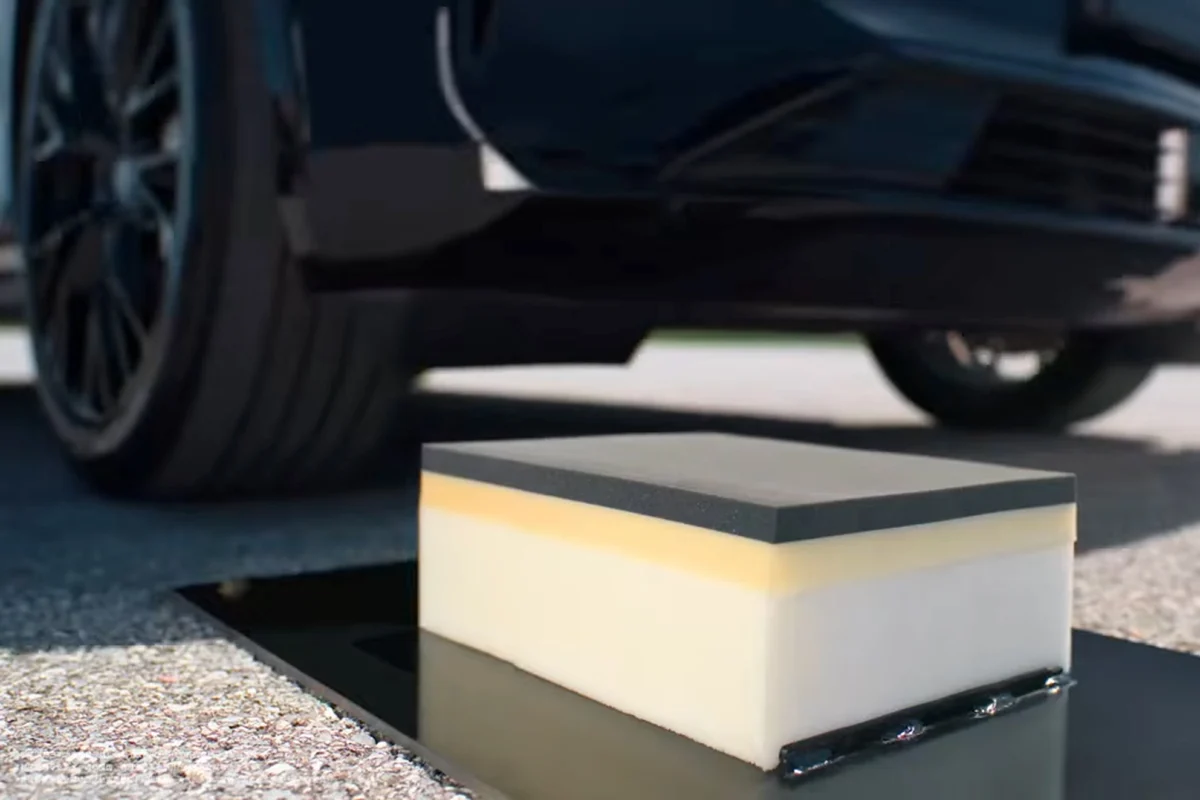
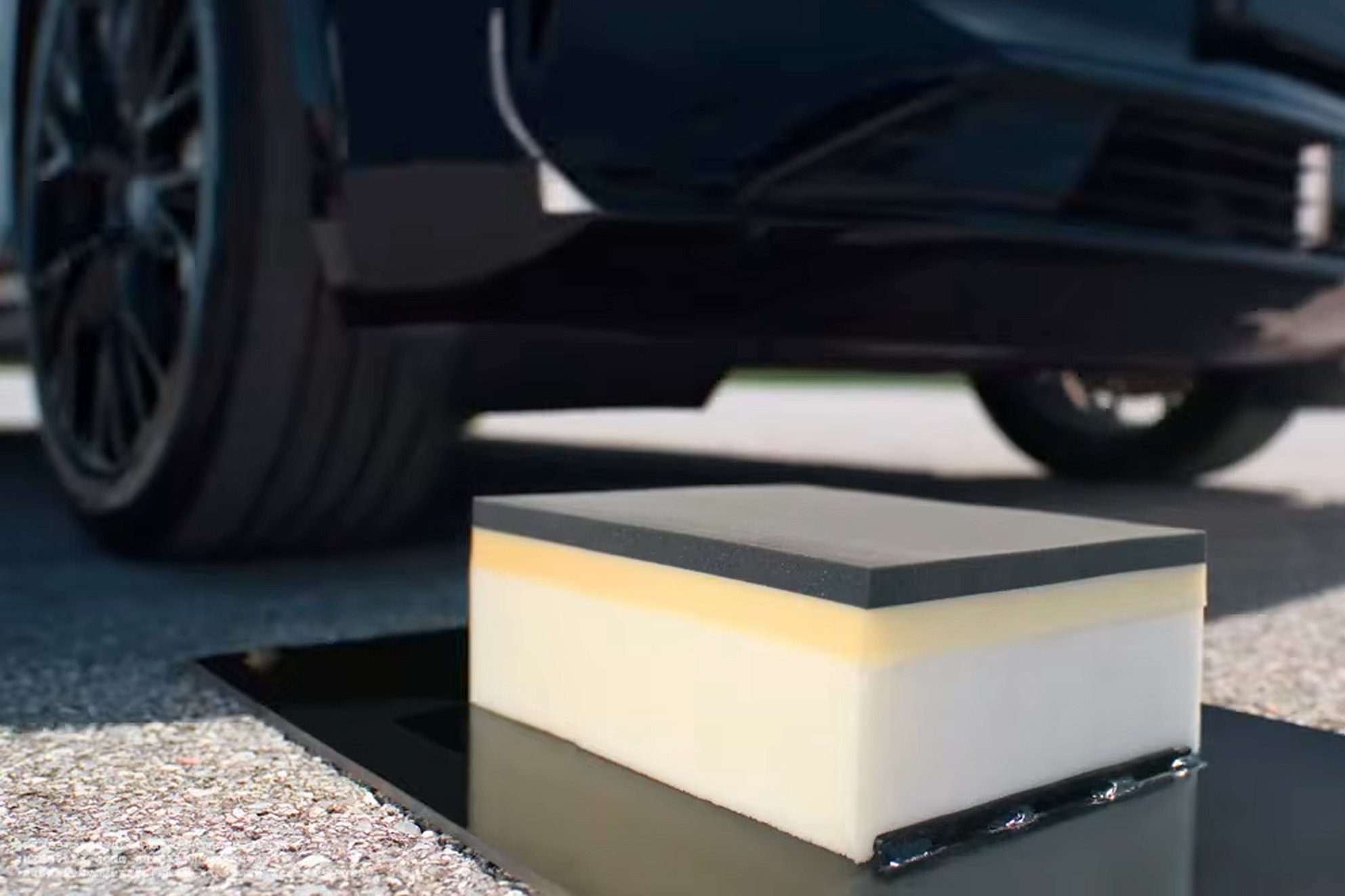
The experiment, documented in a viral video, involved a standardized block of the Zeekr 009’s multi-layered seat foam placed directly on a concrete surface. The testing protocol was designed to simulate years of mechanical stress and compression in a matter of minutes.
The "crushing" phase saw nine of Zeekr’s own battery-electric vehicles drive sequentially over the foam. Because electric vehicles possess significantly higher curb weights than their internal combustion counterparts—due to the dense lithium-ion battery packs embedded in their floors—the cumulative pressure exerted on the foam was substantial. The final and most rigorous stage of the test involved a 20-ton semi-truck rolling directly over the material, testing its structural recovery and elastic memory.
The results, according to the company, were definitive: despite being coated in road grime and tire debris, the foam block retained its structural integrity. To prove the point, Zeekr placed a glass of water on the foam after the ordeal, demonstrating that the material’s vibration-dampening properties remained intact, effectively stabilizing the glass even under vibration simulations.
Chronology of the Development and Testing
The path to this unconventional stress test began long before the cameras started rolling. Zeekr’s engineering team identified seat fatigue as a primary pain point for long-distance luxury commuters, leading to a multi-year development cycle for their seating material.
- Phase 1 (Design): Engineers moved away from traditional monolithic foam, opting instead for a composite structure. This process involved "mashing" three distinct foam densities: a top layer focused on immediate resilience, a middle layer designed for rapid energy absorption, and a dense base layer for long-term support.
- Phase 2 (Lab Validation): Before the public demonstration, the foam underwent standard industry fatigue testing, where machines compress the material hundreds of thousands of times to simulate a decade of passenger use.
- Phase 3 (Public Demonstration): On September 21, 2026, Zeekr released the footage of the "Road Test," moving the testing from the laboratory to the literal tarmac.
- Phase 4 (Post-Stress Verification): Following the truck crossing, the engineers performed a side-by-side comparison between the "crushed" sample and a fresh, unused sample to confirm that the dampening coefficient remained within original manufacturing specifications.
Supporting Data: The Science of "Cloud-Like" Support
While the spectacle of a 20-ton truck is designed to grab attention, the engineering behind the Zeekr 009’s seats is rooted in material science. Zeekr claims its triple-layer composition is 1.5 times more effective at dampening low-frequency vibrations—the kind that typically induces fatigue during long road trips—than standard industry-grade automotive foam.
The Tri-Layer Composition:
- Top Layer (Surface Compliance): Designed for immediate tactile comfort, this layer features high-porosity polymers that adapt to the user’s specific body shape instantly.
- Middle Layer (Dynamic Response): This is the "active" zone of the seat. It utilizes a higher density material that reacts quickly to sudden movements, preventing the "bottoming out" feeling common in cheaper seats.
- Base Layer (Structural Integrity): A high-density foundation that ensures the seat maintains its shape, preventing permanent deformation (commonly known as "sagging") over the life of the vehicle.
By integrating these three distinct materials, Zeekr has managed to create a seating environment that behaves like a high-end mattress, yet provides the firm support necessary for automotive safety and ergonomic posture during high-speed travel.
Official Perspectives and Industry Context
Zeekr’s push into interior luxury is not accidental. As a sister company to Volvo (both operate under the Geely holding group), Zeekr is under immense pressure to deliver a "premium" experience that differentiates its vehicles from the saturated Chinese EV market.
Industry analysts point out that Chinese automakers are increasingly looking to "hidden engineering" as a marketing tool. "When everyone has a 500-mile range and sub-four-second 0-60 times, the battleground shifts to the cabin," says a veteran automotive consultant. "Zeekr isn’t just selling a car; they are selling the durability of the experience."
While the company has not released the specific chemical patent for the foam, official representatives have emphasized that this focus on durability is part of a broader corporate commitment to "sustainable luxury." By creating materials that do not degrade, they argue, they are reducing the need for upholstery replacement and interior refurbishing, effectively lengthening the usable lifecycle of the vehicle.
Implications for the Future of Automotive Interior Design
The implications of this experiment extend beyond a clever marketing stunt. It signals a shift in consumer expectations and manufacturer accountability.
1. The Death of "Disposable" Interiors
For decades, seat foam has been a commodity item, often sourced from the cheapest available supplier. Zeekr’s insistence on "over-engineering" a seemingly simple component suggests that the next generation of premium EVs will be judged by the longevity of their cabin materials. As vehicle ownership cycles change, owners expect interiors that look and feel new long after the odometer hits six figures.
2. Vibration as a Key Metric
With the removal of the internal combustion engine’s noise and vibration, electric vehicles are eerily quiet. However, this silence makes other noises—such as road vibrations or seat squeaks—far more noticeable. Zeekr’s focus on vibration dampening is a direct response to the "sensory vacuum" created by EV platforms. If the seats themselves can absorb the micro-vibrations of the road, the perceived quality of the ride increases exponentially.
3. Marketing Through "Extreme Utility"
Zeekr is setting a new trend in viral automotive marketing. Rather than simply using computer-generated imagery (CGI) to claim comfort, the company is using tangible, "destructive" testing to prove a point. This builds a psychological bridge of trust with the consumer: If the seat can survive a tractor-trailer, it can certainly survive my morning commute.
4. A Standard for Luxury
As Chinese manufacturers move into European and North American markets, they face skepticism regarding quality. By highlighting the extreme durability of internal components, they are attempting to preemptively dismantle the narrative that "Chinese-made" equates to "fragile."
Conclusion
The Zeekr 009 seat-crushing test is, by any measure, an oddity. It is a spectacle of over-engineering that serves as a reminder that the automotive industry is currently in a state of hyper-competition. Yet, beneath the viral nature of the video lies a genuine engineering achievement.
In a world where software updates and battery range often dominate the conversation, Zeekr’s focus on the humble foam cushion is a refreshing reminder that the user experience is physical. Whether the car is driving itself or being piloted by a human, the fundamental interaction between the passenger and the seat remains unchanged. By ensuring that this interaction remains comfortable for the long haul, Zeekr is not just innovating for today—they are crafting the standard for what a luxury vehicle interior should look, feel, and endure like in the decades to come.
As the automotive industry pivots toward an era of autonomy and electrification, it is clear that the brands that succeed will be the ones that sweat the small stuff—even if that "small stuff" needs to be strong enough to hold up a 20-ton truck.
