



For decades, the Jeep 4.0-liter inline-six was the mechanical equivalent of a pair of rugged work boots: dependable, unpretentious, and built to survive environments that would leave more delicate machines in shambles. Produced from 1987 to 2006, the engine was never intended to be a high-revving performance icon. Instead, it became a legend for its legendary low-end torque and its ability to soldier on well past the 200,000-mile mark.
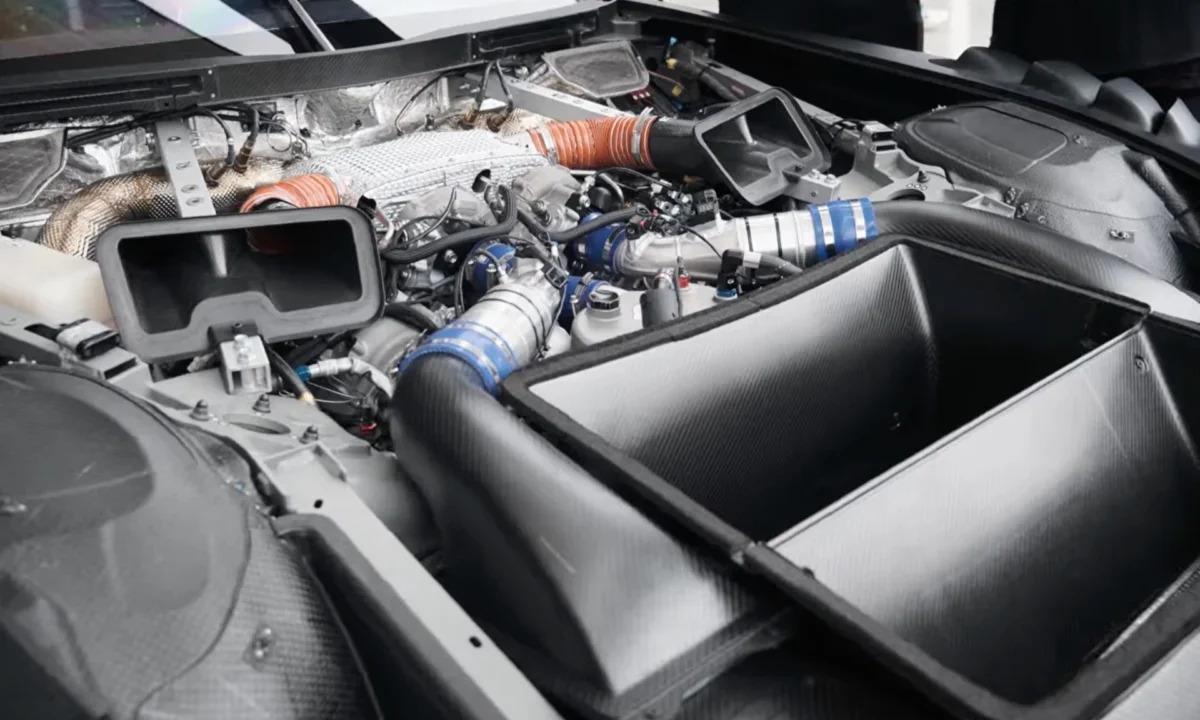
However, in the world of high-performance tuning, "good enough" is merely a starting point. While modern automotive engineers have moved toward the sophisticated, twin-turbocharged Hurricane inline-six to meet contemporary emissions and efficiency standards, North Carolina-based engine builder Newcomer Racing has looked back to the past to prove a point. By taking a classic Jeep 4.0-liter block and applying aggressive displacement increases and precision internal modifications, they have crafted a naturally aspirated (N/A) masterpiece that manages to outmuscle the standard-output version of Stellantis’ cutting-edge Hurricane engine.
The Core Facts: Defying Modern Complexity
The project, recently highlighted by EngineLabs, represents a masterclass in displacement-based performance. While many tuners have successfully utilized forced induction—strapping massive turbochargers to the 4.0-liter platform to push output past the 1,000-horsepower mark—Newcomer Racing opted for a more organic approach.
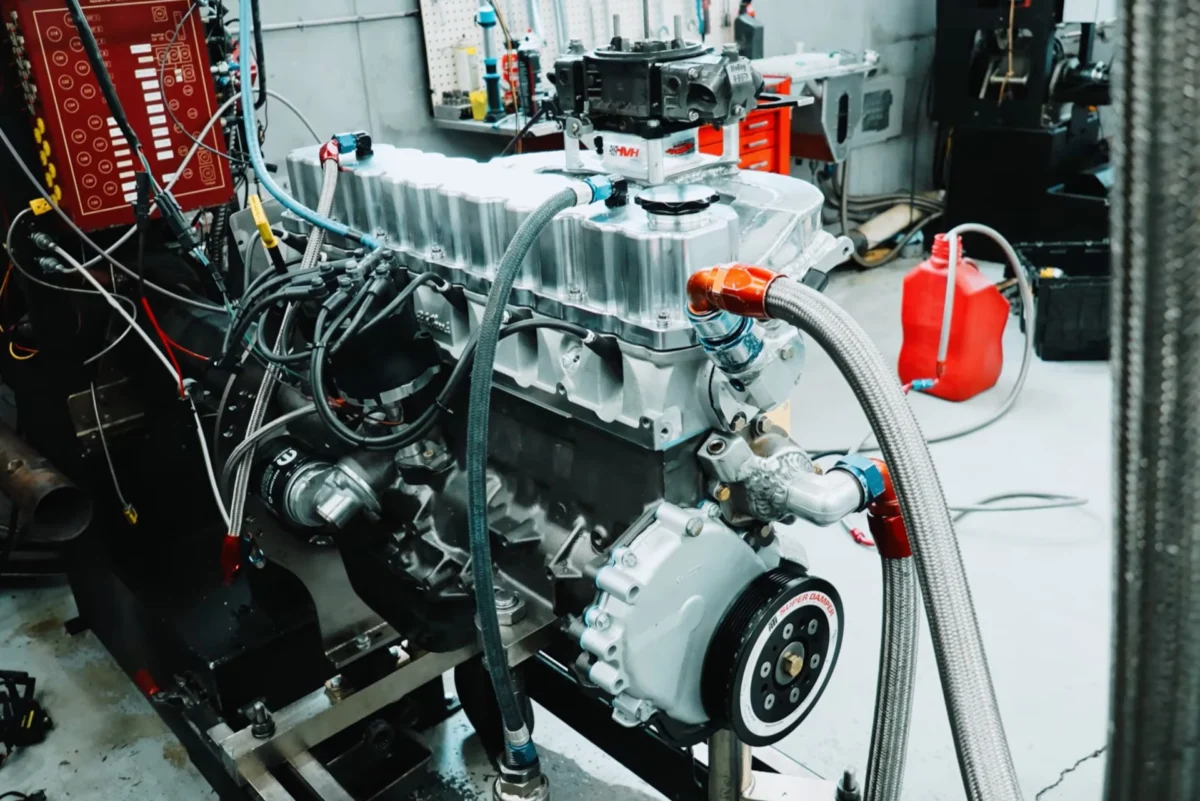
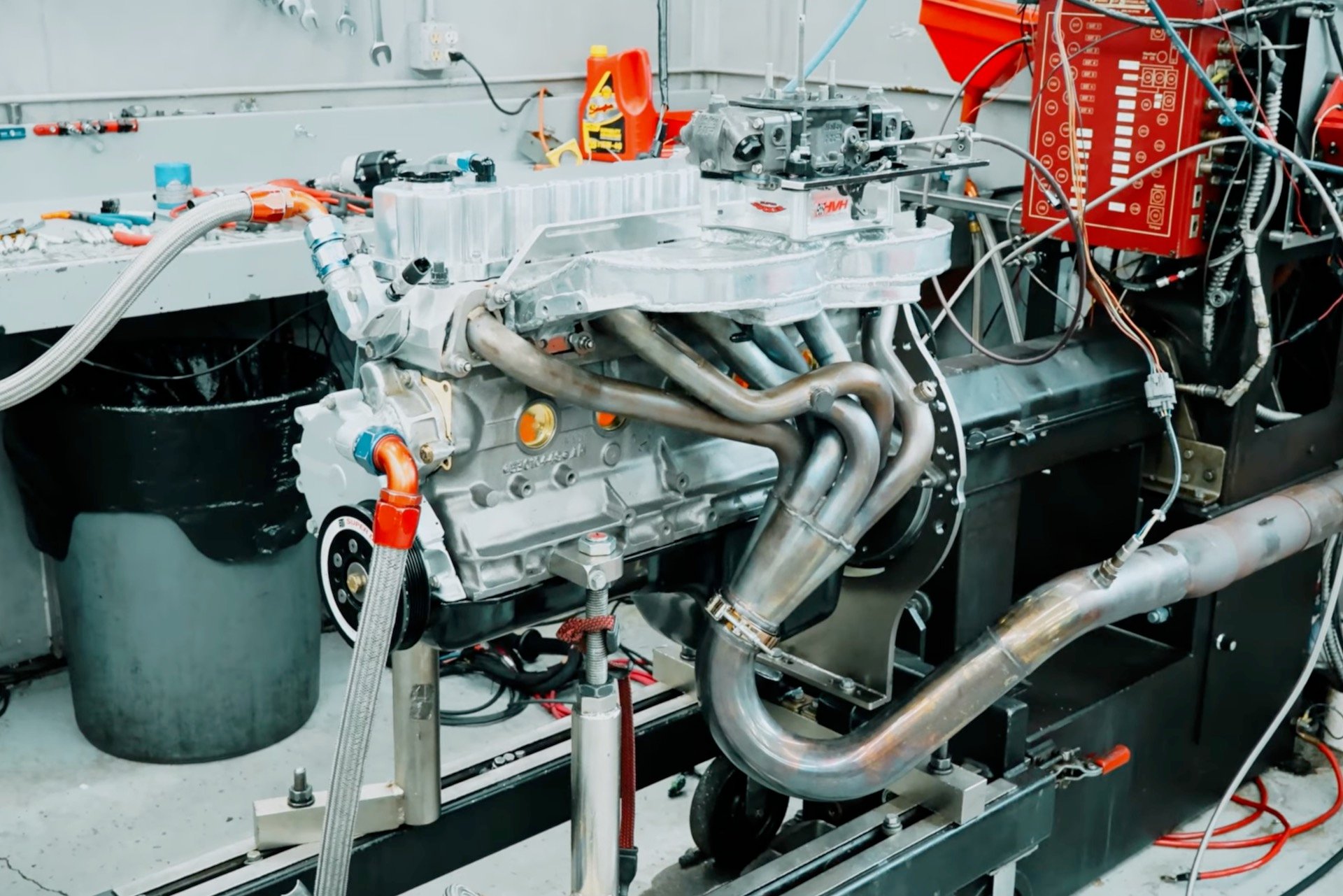
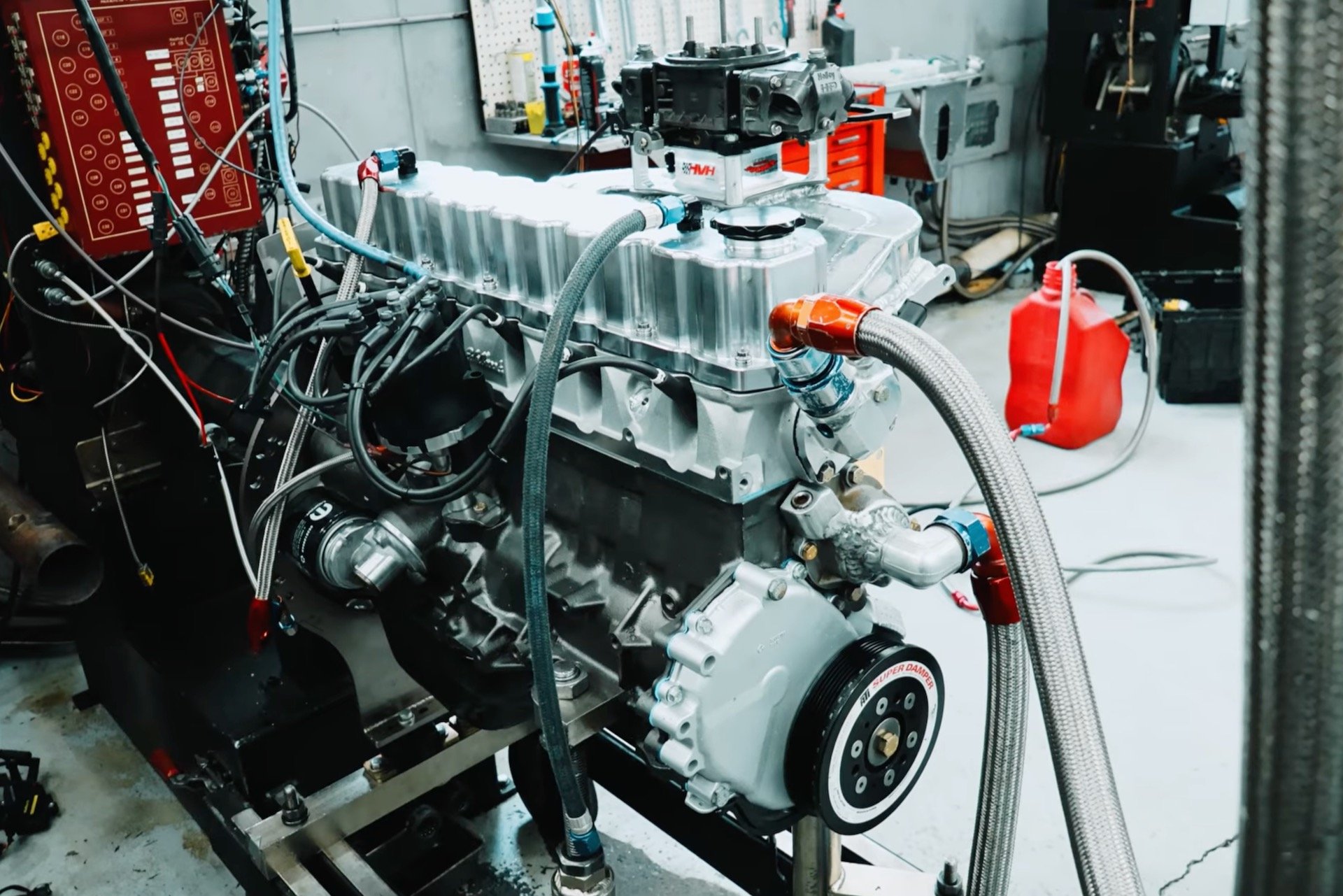
The build centers on a 5.0-liter stroker conversion. By significantly increasing the bore and stroke of the original block and pushing the compression ratio to a blistering 13:1, the shop extracted 434 horsepower. To put that in perspective, this output is 14 horsepower higher than the standard-output variant of the modern Hurricane engine currently found in the Jeep Grand Wagoneer. Crucially, this power is achieved without a single pound of boost, relying purely on atmospheric pressure and advanced combustion efficiency.
Chronology of a Legend: From the XJ to the Dyno
To understand the significance of this build, one must appreciate the engine’s history. Born from the AMC lineage, the 4.0-liter became the heart of the Jeep Cherokee (XJ), Wrangler, and Grand Cherokee throughout the 90s and early 2000s.
The Era of "Down-and-Dirty" Engineering
During its production run, the 4.0-liter was the definition of a "truck engine." It was never designed to win drag races; its mission was to provide consistent, reliable pull for off-roading and towing. In a stock 1996 XJ Cherokee, this engine produced roughly 190 horsepower—a figure that was respectable for the era but underwhelming by modern sports car standards.
The Newcomer Transformation
When the client approached Keith Newcomer, the goal was not a street-legal daily driver, but a purpose-built engine for "mud drag" competition in a classic 1996 Cherokee. The requirements were specific: a broad, usable power band that could maintain extreme wheel speed while churning through heavy, thick mud.
- Phase One: Development: The engine underwent a total overhaul, moving from its stock displacement to a full 5.0 liters.
- Phase Two: Induction Testing: Newcomer initially experimented with a carburetor and a custom intake manifold setup to establish a baseline for torque delivery.
- Phase Three: EFI Integration: To modernize the setup for reliability, the shop transitioned to Electronic Fuel Injection (EFI). During this phase, Newcomer meticulously stripped the vehicle’s wiring harness, removing redundant circuitry to shave weight and streamline the electrical system.
- Phase Four: Validation: The final dyno testing confirmed that the engine reached its 434-horsepower peak, proving that the EFI transition did not compromise the power gains achieved during the carbureted phase.
Supporting Data: The Mechanics of Power
The shift from 190 to 434 horsepower requires more than just a larger displacement; it requires a holistic approach to airflow and combustion management.
Compression and Breathing
The 13:1 compression ratio is the primary engine behind the high output. In a naturally aspirated build, high compression is the most effective way to squeeze every joule of energy out of each combustion cycle. However, this necessitates precise fuel mapping and high-octane requirements to prevent pre-detonation.
The EFI vs. Carburetor Debate
One of the most interesting aspects of the EngineLabs report is the comparison between the carbureted and EFI setups. While carburetors offer a mechanical simplicity that resonates with traditional off-roaders, the EFI system provides superior control over the air-fuel ratio throughout the entire RPM range. The fact that both systems yielded similar peak power is a testament to the quality of the cylinder head porting and the intake manifold design, which allowed the engine to breathe efficiently regardless of how the fuel was introduced.
Official Perspective and Client Requirements
According to Keith Newcomer, the build was heavily influenced by the specific needs of the off-road motorsport community. "Mud drag type stuff" requires a very specific power curve. Unlike a track car that might prioritize peak horsepower at high RPM, a mud drag vehicle needs "top-end grunt" to keep the tires spinning at high velocity. If the engine bogs down, the vehicle stops.
The client also prioritized the retention of the original chassis’ stock wiring harness. By stripping away everything except the essential engine management functions, Newcomer managed to preserve the "vintage" feel of the 1996 Cherokee while hiding a modern, high-performance heart beneath the hood. This build honors the history of the XJ platform while bringing its performance into the modern era.
Implications: The Future of the "Stroker" Culture
The success of the Newcomer Racing 5.0-liter build sends a clear message to the automotive community: the internal combustion engine—even one designed nearly 40 years ago—still has secrets to yield.
The Value of Sturdy Foundations
The 4.0-liter’s cast-iron block and robust internal architecture make it an ideal "foundation engine." In an age where engine blocks are increasingly made of lightweight aluminum and filled with complex sensors, there is a renewed interest in the "iron block" era. This build proves that if you start with a strong enough foundation, you can reach modern performance tiers without the mechanical complexity of forced induction.
A Counter-Narrative to Downsizing
While major manufacturers are shifting toward smaller-displacement engines supplemented by turbochargers (like the Hurricane inline-six), this project highlights an alternative philosophy. There is a distinct "character" to a naturally aspirated engine—a linear throttle response and a distinct acoustic profile—that many enthusiasts feel is lost in the transition to turbos.
By matching and exceeding the output of the standard Hurricane engine, Newcomer Racing has effectively "future-proofed" the classic Jeep 4.0-liter. It is no longer just a relic of the past; it is a viable platform for those who want to build something unique, powerful, and undeniably analog.
Conclusion
The 434-horsepower Jeep inline-six by Newcomer Racing is more than just a successful engine build; it is a tribute to the longevity of design. By respecting the mechanical limitations of the original block and methodically overcoming them with high-end engineering, the team has created a machine that bridges the gap between the utilitarian roots of the 1990s and the performance expectations of the 2020s.
As we look toward an electrified and turbocharged future, stories like this remind us why the automotive hobby thrives. It isn’t just about the numbers; it’s about the ingenuity required to make a legendary engine do things its creators never thought possible. For the owner of that 1996 Cherokee, the result is a one-of-a-kind machine that is ready to dominate the mud—and prove that the old guard still has plenty of fight left.
