




The automotive world is currently witnessing a paradigm shift in how high-performance machines are conceived. For decades, the industry standard for supercar development followed a predictable, linear path: engineers would build a high-performance road car, and then the racing department would strip it down, stiffen the chassis, add aerodynamic appendages, and cross their fingers that the platform was capable of sustained track performance.
Toyota, through its Gazoo Racing (GR) division, has officially upended this tradition. The upcoming Toyota GR GT road car is not a supercar that has been "raced-up." Instead, it is the commercial byproduct of a dedicated, uncompromising race car program. By designing the GR GT3 track weapon first and then distilling it into a road-legal variant, Toyota has signaled its intent to dominate the global endurance racing stage while offering enthusiasts a machine that is, for all intents and purposes, a competition car with license plates.
The Genesis: A Race-First Philosophy
The philosophy behind the GR GT is simple yet radical: "This entire vehicle was designed to be a race car first," explains Andrew Gilleland, Toyota’s Senior Vice President of Automotive Operations. In a recent technical breakdown for IMSA, Gilleland emphasized that the aggressive aerodynamic profile of the road-going GR GT is not merely aesthetic posturing. Every duct, splitter, and winglet serves a functional purpose honed in wind tunnels to satisfy the demands of GT3-class racing.
Unlike the iconic Lexus LFA, which served as a technological tour-de-force to prove Toyota could build a world-class supercar, the GR GT is a tactical instrument. It is built to win. By prioritizing the race car’s structural and aerodynamic requirements from day one, Toyota has avoided the "compromise trap" that often plagues road-to-race conversions, where chassis rigidity and cooling capabilities are limited by the constraints of a pre-existing consumer frame.
Chronology: From Concept to Competition
The journey of the GR GT3 began in the shadows of the Gazoo Racing skunkworks, emerging as a bold concept that caught the industry off-guard.
- 2022: Toyota shocks the Tokyo Auto Salon by unveiling the GR GT3 Concept. The long-hood, low-slung silhouette immediately suggests a dedicated track machine rather than a production-line sports car.
- 2023: Intensive track testing begins at Fuji Speedway. During this period, the car is tested alongside the current Lexus RC F GT3, revealing the massive performance gap between a production-based racer and a purpose-built prototype.
- 2024: Finalization of the "Hot-V" 4.0-liter twin-turbo V8 powertrain. Engineers focus on weight distribution, shifting the engine as far back into the chassis as possible to optimize the center of gravity.
- 2025: Road-car homologation testing commences. Toyota confirms that the production version will retain the core architecture of the race car, including the mounting points and aerodynamic flow paths.
- 2026: The official unveiling of the road-legal GR GT, accompanied by the announcement that the U.S. allocation is already fully committed to collectors.
Supporting Data: The 80% Commonality Benchmark
One of the most staggering revelations regarding the GR GT program is the level of shared DNA between the race car and the road car. In the world of GT3 racing, commonality is the holy grail. The more a race car shares with its road-going sibling, the more efficiently a manufacturer can troubleshoot, upgrade, and maintain the platform.
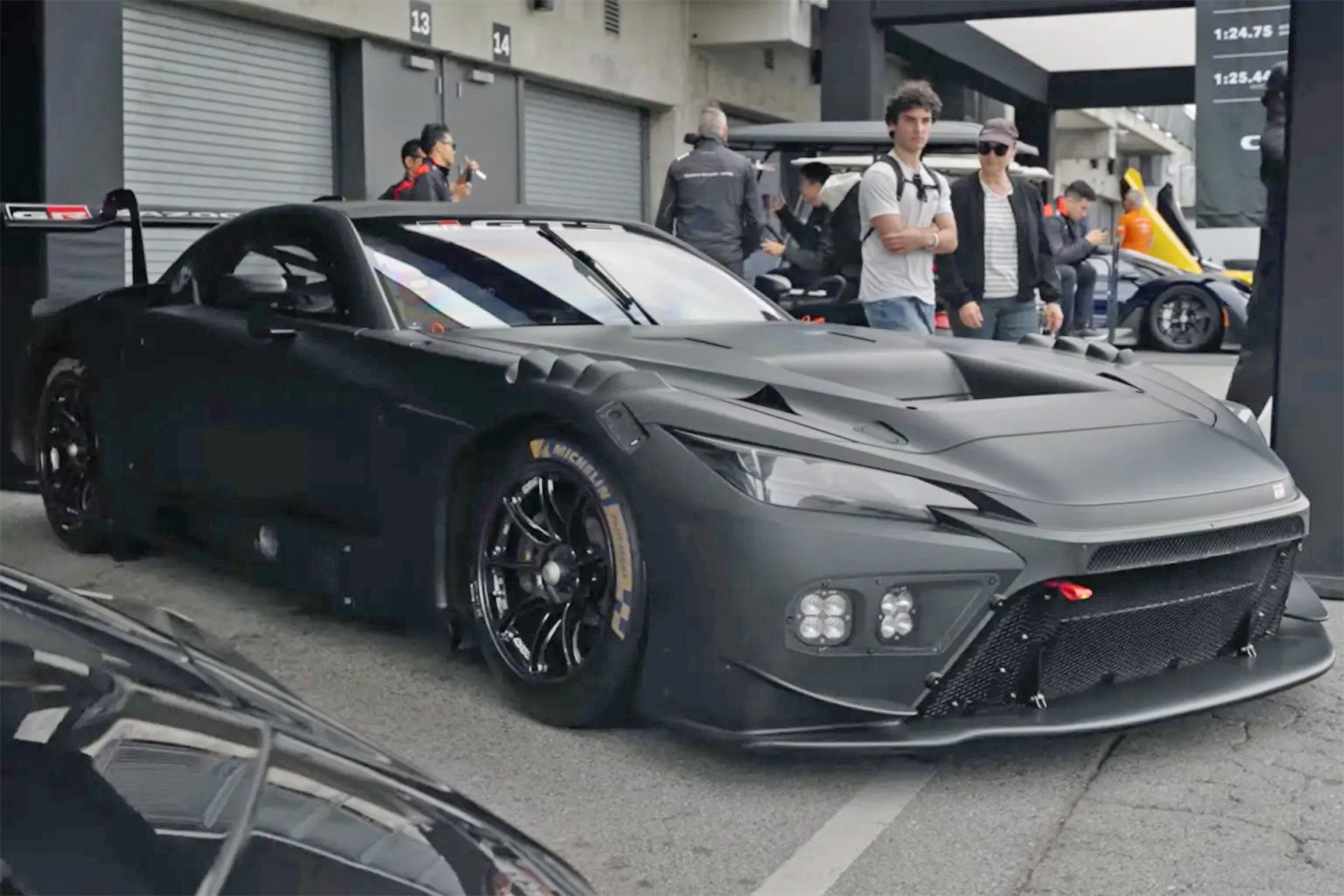
According to Gilleland, the GR GT3 shares over 80% of its components with the GR GT road car. To put that into perspective, consider the Lexus RC F GT3, a vehicle that has enjoyed significant success in IMSA competition. That car shares only about 25% of its components with the production Lexus RC F. By tripling the commonality, Toyota is not just building a car; they are building a modular ecosystem. This ensures that developments discovered on the track—whether in suspension geometry or thermal management—can be reflected in the road-going units, and vice versa.
Powertrain Specifications
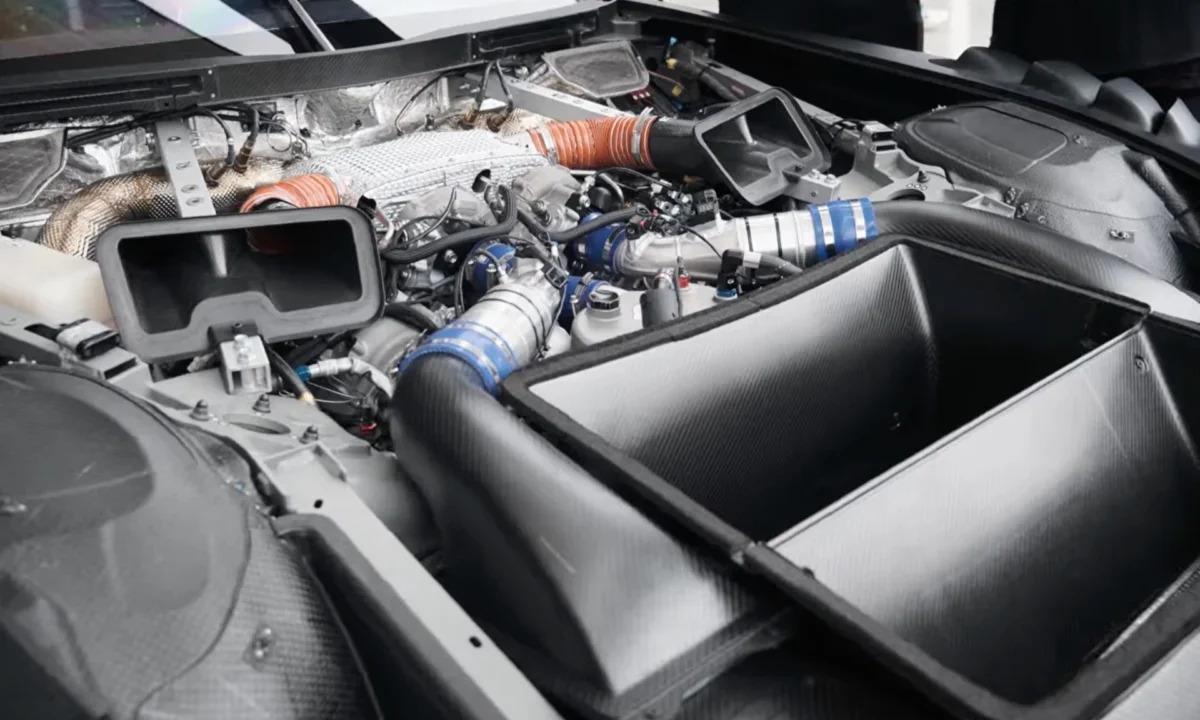
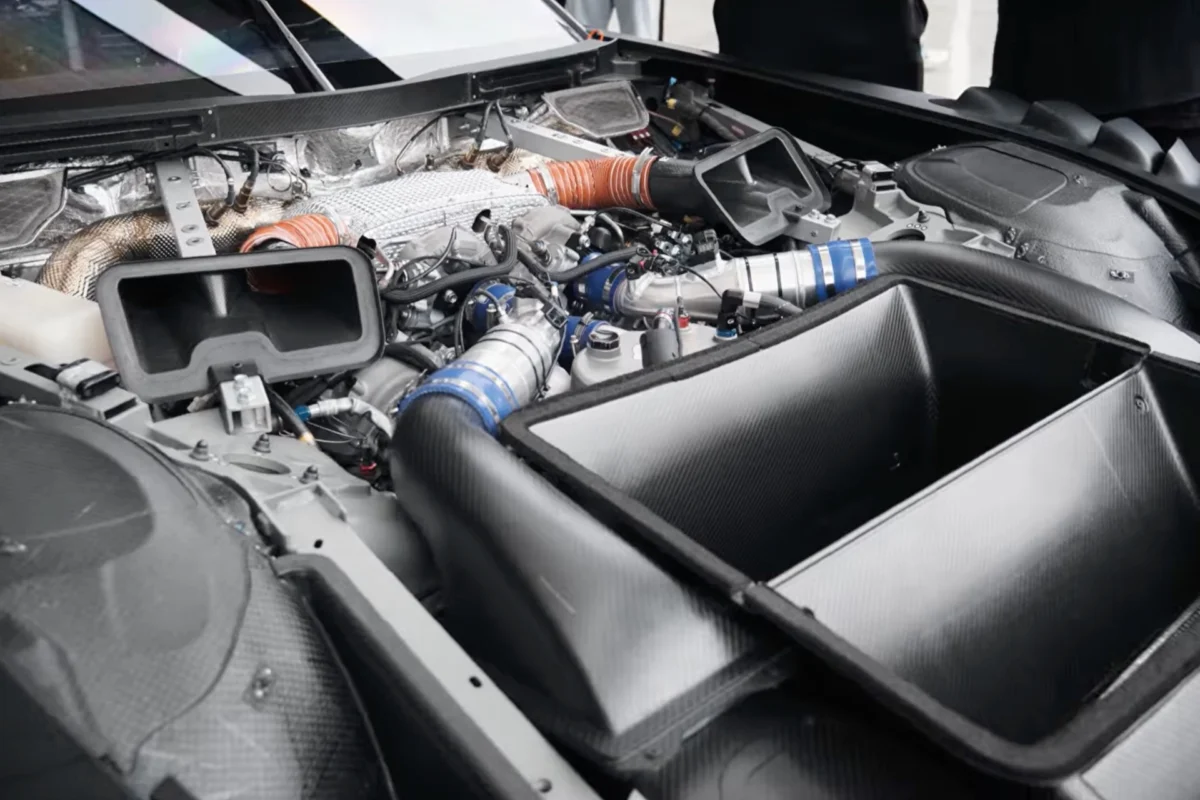
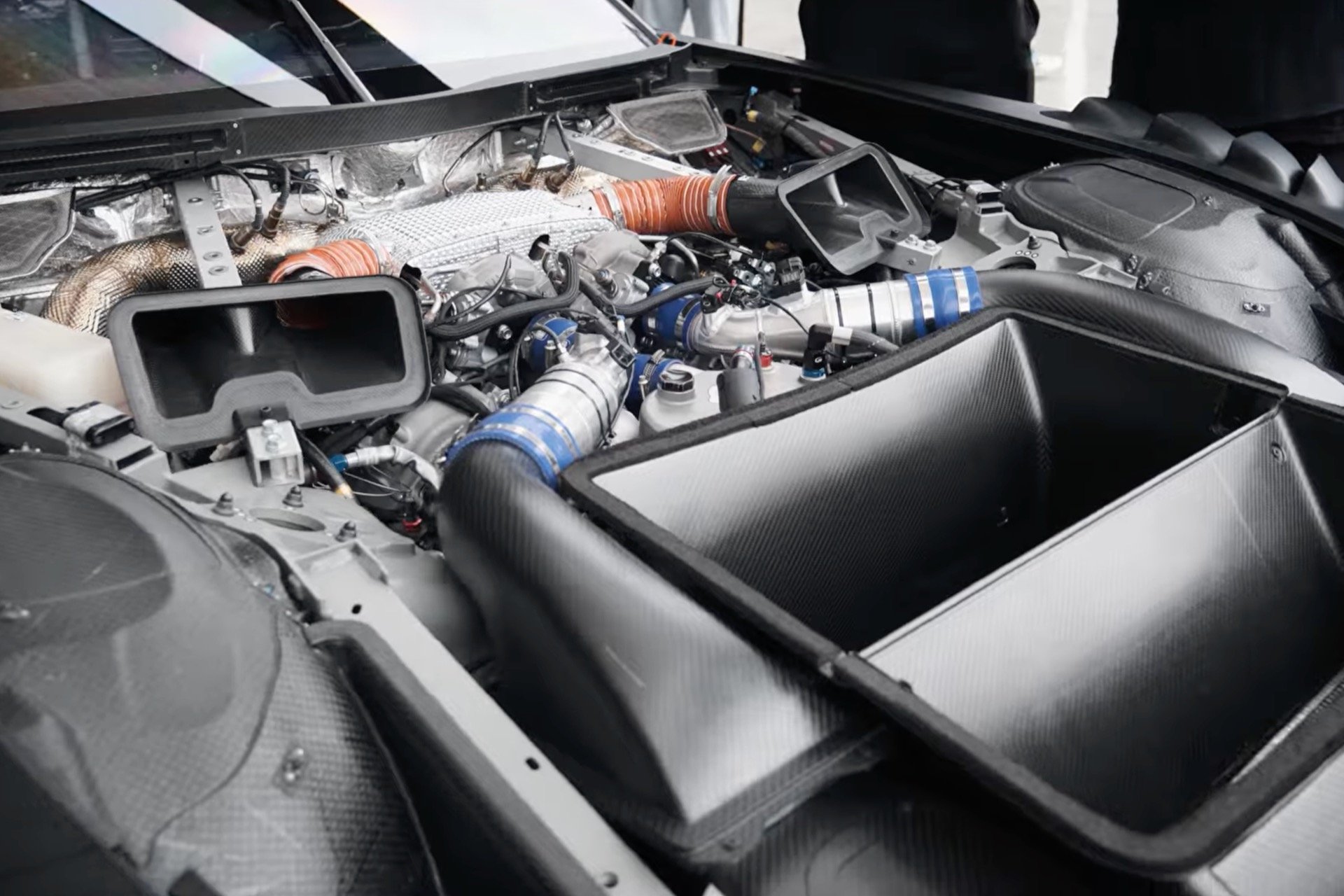
The heart of the beast is a bespoke 4.0-liter, twin-turbocharged V8.
- Configuration: 90-degree V8, "Hot-V" turbo placement (turbos located between the cylinder banks for shorter intake paths and improved throttle response).
- Road-Legal Output: Targeted at 641 horsepower and 627 pound-feet of torque.
- Transmission: A high-speed dual-clutch or sequential-style transmission designed for rapid-fire gear changes under high load.
- Hybrid Integration: The road car utilizes a hybrid assist system for low-end torque fill and emissions compliance, while the racing variant strips this system to save weight and simplify track-side maintenance.
Official Responses and Engineering Challenges
The transition from the drawing board to the grid was not without its hurdles. Engineers had to balance the extreme downforce requirements of the GT3 class with the pedestrian requirements of a road car.
"When you lift the hood of the GR GT, you don’t see a standard engine bay," notes industry expert Marshall Pruett. "You see a deep-set engine compartment designed for cooling efficiency and front-end stability." The "Hot-V" configuration is a testament to this, allowing for a more compact engine footprint that facilitates better airflow management around the front wheels and through the oversized vents mandated by racing regulations.
Toyota has been uncharacteristically transparent about the trade-offs. While the race car features a fixed, massive rear wing and specialized fender vents to manage high-speed tire pressure, the road car incorporates active aero elements that provide a similar downforce profile without requiring a permanent, massive appendage that might impede rearward visibility or road legality.
Competitive Landscape and Implications
Toyota’s entry into this space represents a direct challenge to the established titans of the GT3 world—namely Mercedes-AMG, Porsche, and Ferrari. The GR GT is essentially a "homologation special" in the vein of the legendary cars of the 1990s, but with 21st-century computational power behind it.
The Ford GT Comparison
The most obvious point of comparison is the Ford GT program that culminated in the 2016 Le Mans victory. While Ford’s effort was a "sprint" to a specific historical milestone—the 50th anniversary of the GT40’s win—Toyota’s approach is a "marathon." There is no sunset clause on the GR GT program; it is intended to be the backbone of Toyota’s sports car identity for the next decade.
Market Scarcity
For the average enthusiast, the GR GT will remain a ghost. Toyota has confirmed that the U.S. allocation is "sold out by design," targeting a highly exclusive group of collectors and racing teams. This scarcity is not just about exclusivity; it is a necessity of the homologation process. By limiting the production run, Toyota ensures that the car remains a specialized tool rather than a mass-produced consumer product, keeping its pedigree untarnished.
Conclusion: A Legacy Reclaimed
Toyota’s history in sports-car racing is deep, spanning from the Toyota 2000GT to the championship-winning efforts of Vasser Sullivan Racing with the Lexus RC F GT3. However, the GR GT feels different. It marks the moment Toyota ceased trying to "adapt" to racing and started defining it.
By placing the needs of the track above the whims of the showroom, Toyota has created a vehicle that is, by definition, honest. It does not pretend to be a grand tourer or a luxury cruiser. It is a track car that has been made street-legal, an apex predator that pays homage to the golden era of motorsports. As the automotive industry pivots toward electrification and software-defined vehicles, the GR GT stands as a defiant, roaring testament to the enduring power of mechanical engineering and the relentless pursuit of the checkered flag.
