



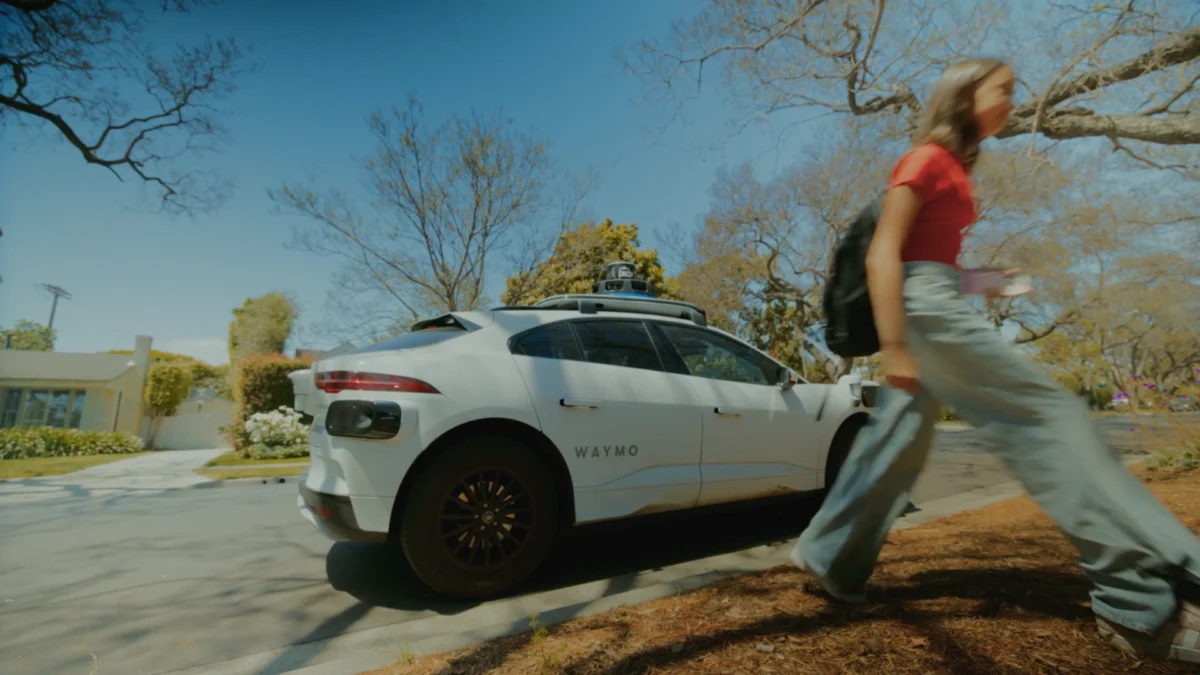
The landscape of urban transportation is undergoing a profound demographic shift. Waymo, the autonomous vehicle subsidiary of Alphabet Inc., has announced that it will begin allowing teenagers as young as 13 to utilize its fully driverless robotaxi service in Nashville, Tennessee. This strategic expansion marks a concerted effort by the self-driving pioneer to capture a younger, highly dependent demographic of riders, transitioning them from traditional yellow school buses and parental carpools into the backseats of autonomous vehicles.
Nashville represents the second metropolitan area to feature Waymo’s specialized teen accounts, following a pilot program initiated in Phoenix, Arizona, last year. According to the company, this rollout is merely the vanguard of a broader national strategy aimed at integrating driverless technology into the daily routines of American families.
Main Facts: How Waymo’s Teen Accounts Operate
Waymo’s introduction of teen accounts in Nashville is designed with a mixture of parental oversight and teenage autonomy. The service is restricted to minors aged 13 to 17, and the accounts carry several operational parameters to ensure safety and accountability:
- Parental Tethering: A teen account cannot exist in a vacuum; it must be directly linked to the active account of a parent or legal guardian. Parents retain the authority to approve the account’s activation, monitor trip histories, and track rides in real-time through the Waymo app.
- Ride Sharing with Peers: Once authorized, teenage passengers are not restricted to riding alone. Waymo allows teen account holders to invite up to three guests. However, these guests must also fall within the 13-to-17 age bracket.
- Service Boundaries: Teen riders in Nashville can hail autonomous rides anywhere within Waymo’s designated 50-square-mile operational territory.
- The Verification Question: While the guest policy is clear, Waymo has not publicly disclosed the specific mechanisms it will use to verify the ages of guest passengers. This has raised questions among industry observers regarding how the company will prevent older or younger unauthorized individuals from boarding.
By targeting the 13-to-17 demographic, Waymo is positioning itself to solve a perennial pain point for working parents: the daily logistical challenge of transporting children to school, sports practices, music lessons, and social gatherings.
Chronology of Waymo’s Expansion
Waymo’s journey from an experimental Google project to a commercial ride-hailing powerhouse has accelerated rapidly over the last several years. The timeline of its expansion highlights how quickly driverless technology has transitioned from a novelty into a mainstream transit option.
[May 2024] -------------------> [Late 2025] -------------> [April 2026] -----------> [Recent Months] --------> [Present]
Paid trips at 50k/week          Teen accounts pilot      Nashville service          Rapid expansion to       Teen accounts
                                launches in Phoenix      debuts (50 sq. miles)      Denver, Las Vegas, etc.  launches in Nashville
The Early Milestones (2024–2025)
- May 2024: Waymo establishes a stable commercial baseline, recording approximately 50,000 paid robotaxi trips per week across its early mature markets, primarily San Francisco and Phoenix.
- Late 2025: Seeking to diversify its user base, Waymo launches its inaugural "Teen Account" program in Phoenix, Arizona. The pilot serves as a testing ground for parental controls, safety protocols, and passenger behavior management inside driverless cabins.
The Nashville Rollout and Integration (2026)
- April 2026: Waymo officially launches its commercial robotaxi service in Nashville, covering a 50-square-mile service area encompassing the city’s dense urban core and surrounding neighborhoods.
- Mid-2026: Waymo’s ridership metrics experience exponential growth, surpassing half-a-million paid weekly trips globally—a tenfold increase from two years prior.
- Early Fall 2026: To lower the barrier to entry and increase fleet utilization, Waymo integrates its autonomous vehicles directly into the Lyft app in Nashville, allowing users to select a Waymo ride through a familiar third-party platform.
- Late Fall 2026: Waymo announces the expansion of its teen accounts to Nashville, characterizing it as the "first of many" such launches slated for the coming months.
Supporting Data: Explosive Growth and Market Penetration
The expansion of teen accounts is supported by unprecedented ridership data. Over the past two years, Waymo has transitioned from a cautious pilot phase into an aggressive scaling mode, driven by rapid market entry and increased consumer trust.
| Metric | May 2024 | Late 2026 / Early 2027 | Growth Factor |
|---|---|---|---|
| Weekly Paid Trips | ~50,000 | 500,000+ | 10x |
| Active Cities | Phoenix, San Francisco (Core) | Over 12 cities | >6x |
| Recent Market Launches | N/A | Denver, Las Vegas, San Diego, Tampa | Rapid scaling |
This tenfold increase in weekly rides demonstrates that public apprehension regarding autonomous vehicles is steadily giving way to utility-driven adoption. By launching in major metropolitan hubs like Denver, Las Vegas, San Diego, and Tampa within a single month-long window, Waymo has proven its ability to navigate diverse municipal regulatory frameworks and varied geographic terrains simultaneously.
In Nashville, the integration with Lyft has acted as a significant force multiplier. By leveraging Lyft’s existing customer base, Waymo has bypassed the costly hurdle of customer acquisition, exposing thousands of tourists and residents to driverless rides daily. The introduction of teen accounts represents the next logical step in maximizing fleet utilization during off-peak daytime hours, such as mid-afternoon school dismissal times.
Official Responses and Regulatory Landscapes
The rollout of autonomous vehicle services for minors requires a delicate balance of corporate assurance, regulatory compliance, and community trust. Waymo has emphasized that its expansion strategy is highly selective, focusing only on regions that meet stringent operational and legal criteria.
Waymo’s Corporate Stance
A Waymo spokesperson, speaking to TechCrunch, emphasized that the Nashville launch is the beginning of a nationwide initiative:
"The expansion to Nashville will be the first of many teen launches across multiple markets that use the Waymo app in the coming months. We will offer teen accounts in cities where our operations are mature and local regulations explicitly allow it."
This statement underscores a cautious but determined approach. Waymo is not deploying teen accounts in brand-new markets; instead, it waits until its autonomous fleet has mapped, driven, and acclimated to a city’s specific traffic patterns before inviting minors on board.
Local Leadership and Regulatory Support
Unlike some municipalities that have pushed back against the rapid deployment of autonomous vehicle fleets, Nashville’s local leadership has expressed support for Waymo’s technological integration. Municipal leaders view autonomous transit as a potential tool to ease traffic congestion and provide alternative transportation options in a city known for its rapid population growth and limited public transit infrastructure.
Tennessee’s state-level regulatory environment is also highly accommodative of autonomous vehicle testing and commercialization. State laws permit the operation of fully autonomous vehicles without a human safety driver, provided the vehicles comply with federal safety standards and are capable of achieving a minimal risk condition in the event of a system failure.
Implications: Safety, Society, and the Future of Mobility
The decision to allow groups of teenagers to ride unaccompanied in driverless vehicles carries profound sociological, economic, and safety implications. It challenges long-held cultural norms regarding adolescent independence and vehicular safety.
The Teen Safety Paradigm: AVs vs. Novice Drivers
According to data from the Centers for Disease Control and Prevention (CDC), motor vehicle crashes are the leading cause of death for U.S. teens. Teen drivers aged 16 to 19 are nearly three times more likely to be involved in a fatal crash per mile driven than drivers aged 20 and older. The primary culprits are distraction, peer pressure, speeding, and a lack of situational experience.
By substituting a novice teenage driver—or an unknown rideshare driver—with an autonomous system, Waymo offers a statistically compelling safety proposition.
- Zero Distraction: Waymo’s system of LiDAR, cameras, and radar does not look at a smartphone, fall prey to peer pressure, or suffer from fatigue.
- Predictable Behavior: The autonomous driver strictly adheres to speed limits, traffic signals, and defensive driving protocols.
- Parental Peace of Mind: For parents, the choice often comes down to letting their child ride with a newly licensed 16-year-old peer or placing them in a monitored, sensor-rich autonomous vehicle.
The "Chaos Factor" and Cabin Management
While the external safety profile of an autonomous vehicle is robust, the internal environment presents unique challenges. A driverless cabin occupied by four unsupervised teenagers could invite disruptive behavior.
Without a human driver to enforce basic behavioral norms, AV companies must rely on technology to manage the passenger cabin. Waymo vehicles are equipped with interior cameras and audio communication systems, allowing remote support agents to monitor the cabin and intervene if passengers violate the terms of service (such as tampering with vehicle controls, failing to wear seatbelts, or damaging the interior).
If a situation escalates, remote operators have the capability to pull the vehicle over safely and contact parents or local authorities. The threat of account suspension—and subsequent parental notification—serves as a primary deterrent against misbehavior.
Sociological Shifts: Redefining the "Rite of Passage"
For nearly a century, obtaining a driver’s license at age 16 has been a seminal rite of passage for American youth, symbolizing freedom, maturity, and independence. However, the rise of ubiquitous ride-hailing, combined with the high costs of vehicle ownership, insurance, and fuel, has already led to a decline in the percentage of teenagers holding driver’s licenses.
As autonomous vehicle fleets expand and introduce dedicated youth accounts, the necessity of learning to drive may diminish further. For the generation currently entering high school, mobility is increasingly viewed as a service rather than an asset. Waymo’s Nashville expansion could accelerate this trend, normalizing driverless transit for a generation that may never feel the need to own a car or sit behind a steering wheel.
