



BERLIN – Germany has officially unveiled its comprehensive roadmap to transition away from fossil fuels, setting a definitive course to achieve a climate-neutral economy by 2045. By formalizing this strategy, Germany joins France and the Netherlands as one of the few European nations to codify a long-term, national plan to phase out coal, oil, and gas. While the move has been hailed as a significant diplomatic signal to the international community, it has simultaneously ignited a fierce domestic debate over whether the government’s current legislative agenda is undermining the very transition it promises to lead.
Main Facts: The Path to 2045
The newly published roadmap outlines a structural transformation of the German industrial landscape, energy sector, and transport infrastructure. The primary objective is the total elimination of greenhouse gas emissions through a fundamental shift in energy consumption.
Key pillars of the strategy include:
- Total Decarbonization: A complete shift away from coal-fired power plants, oil-based heating, and gas-dependent industrial processes by 2045.
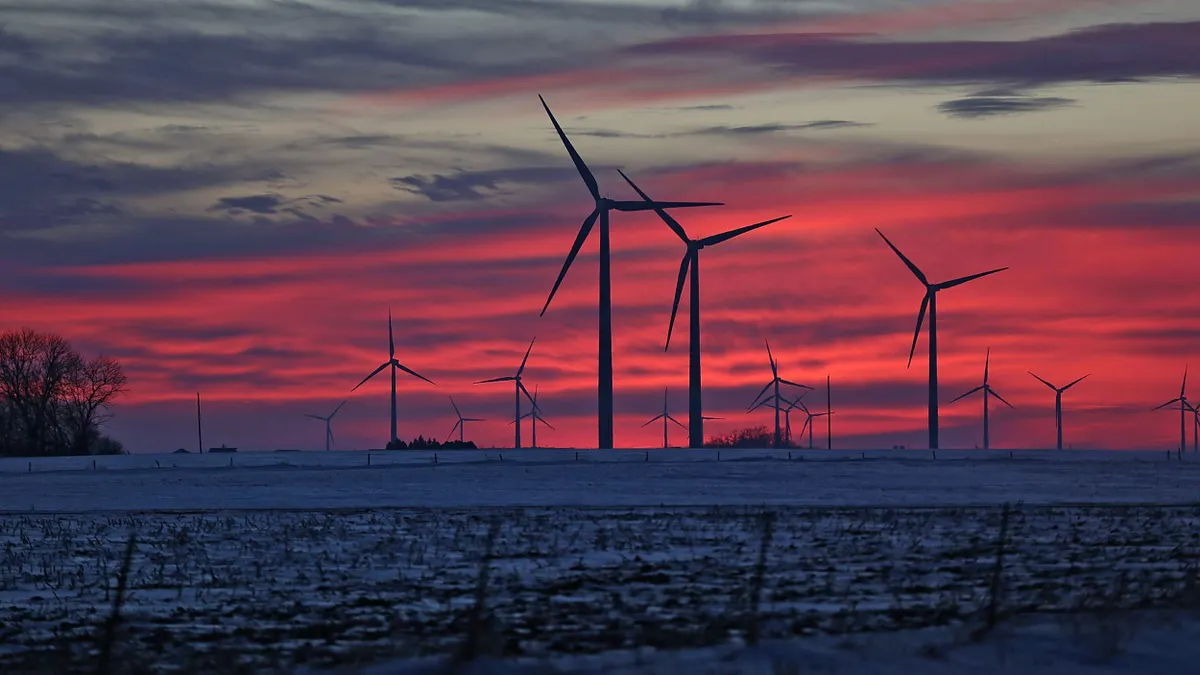
- Energy Sovereignty: A massive expansion of renewable energy capacity, specifically targeting wind and solar as the backbone of the grid.
- Sector Coupling: Integrating electricity, heat, and transport sectors to ensure that renewable energy is effectively distributed across all areas of the economy.
- The Hydrogen Economy: Investing heavily in green hydrogen infrastructure to serve as a fuel source for heavy industry that cannot be easily electrified.
The roadmap serves as a policy framework designed to provide long-term planning security for businesses and investors. By committing to this timeline, the German government aims to solidify its position as a global leader in green technology and climate policy, hoping to exert pressure on other G20 nations to accelerate their own decarbonization timelines.
Chronology of the Transition
To understand the weight of this announcement, one must view it through the lens of Germany’s evolving climate policy over the last decade:
- 2011 (Energiewende): Following the Fukushima disaster, Germany accelerated its nuclear phase-out, a move that critics argued created a temporary over-reliance on coal and gas.
- 2019-2021: The introduction of the Federal Climate Change Act, which legally mandated reaching climate neutrality by 2045, though specific sector-by-sector roadmaps remained underdeveloped.
- 2023: Significant legislative battles over the "Heating Law" (Building Energy Act), which exposed deep societal divisions regarding the cost and pace of the green transition.
- September 24, 2026: The official publication of the comprehensive 2045 roadmap, marking a move from legislative goal-setting to detailed operational implementation.
Supporting Data: The Reality of the "EV Gap"
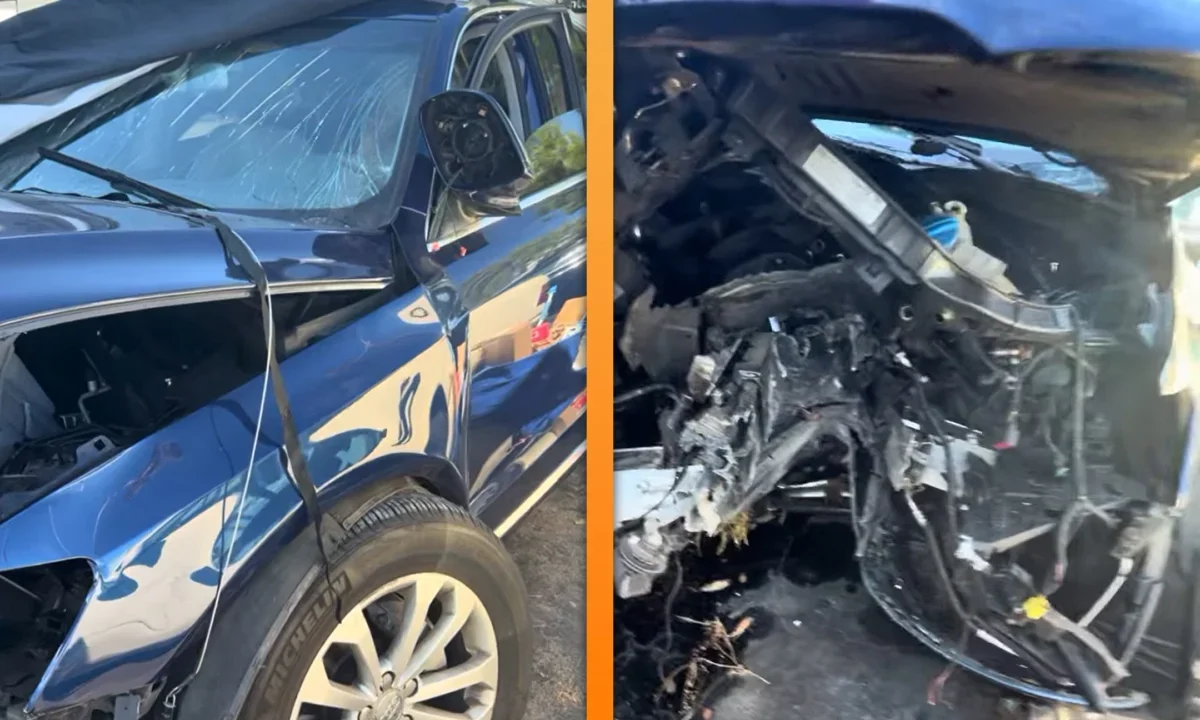
Despite the ambitious nature of the 2045 roadmap, government data indicates that Germany is currently struggling to meet its intermediate milestones. A point of significant concern is the sluggish uptake of Electric Vehicles (EVs).
According to recent monitoring, EV adoption in Germany has consistently fallen short of the targets set by both the current and previous administrations. Factors contributing to this lag include:
- Charging Infrastructure: While urban hubs are well-serviced, rural connectivity remains patchy, discouraging consumers who rely on long-distance travel.
- Price Sensitivity: Despite government incentives, the total cost of ownership for EVs—when accounting for electricity price volatility—has not provided the clear economic advantage required for mass adoption.
- Industrial Inertia: Germany’s traditional automotive sector, which remains the backbone of its economy, has faced significant challenges in pivoting from internal combustion engines to battery-electric platforms.
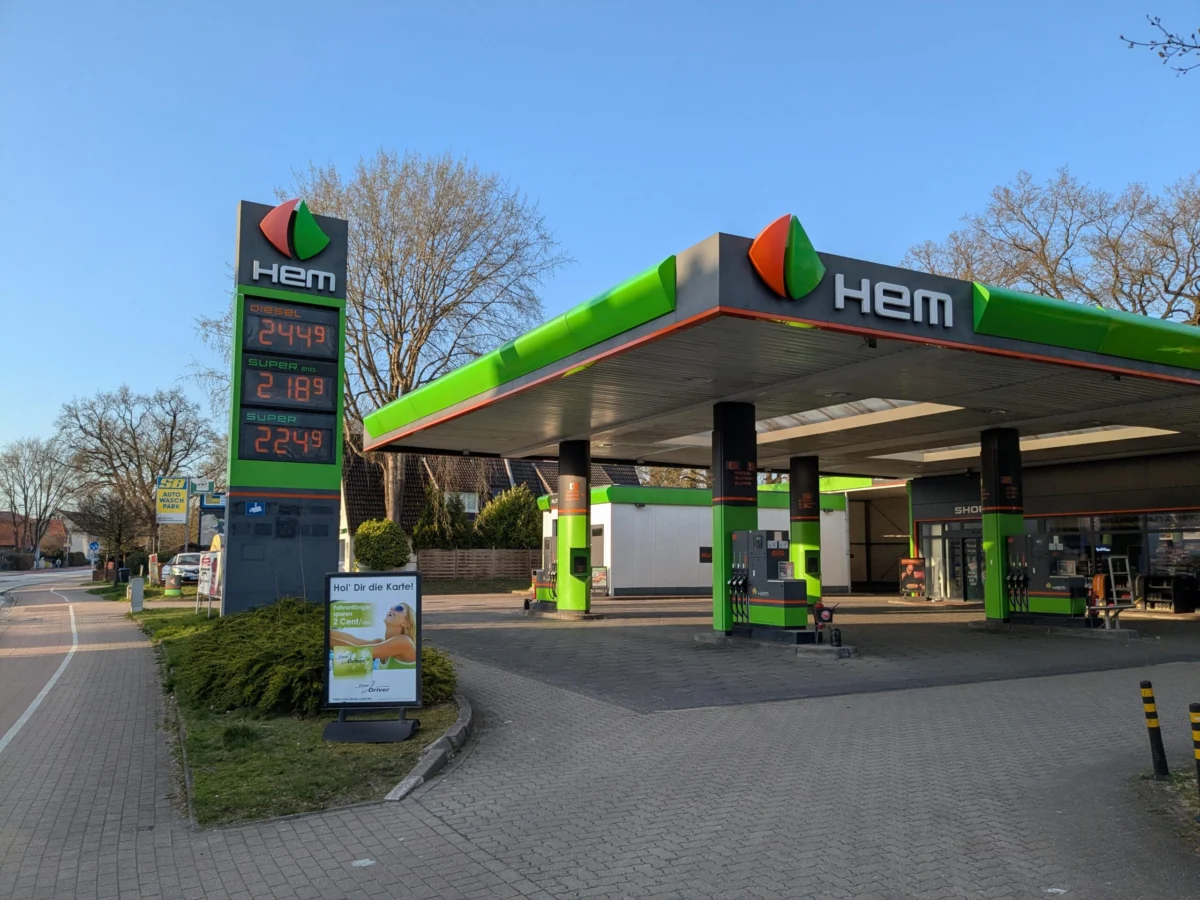
Furthermore, statistics show that despite the expansion of renewables, gas continues to play a "bridge" role that is proving difficult to abandon. As the country retires coal plants, the demand for natural gas as a dispatchable power source has remained higher than initial climate models anticipated, leading to an ongoing reliance on imports that complicate the geopolitical dimension of the transition.
Official Responses and Political Friction
The unveiling of the roadmap has received a polarized reception. Government officials have framed the document as a "necessary evolution" of German industrial policy.
"This is not just about environmental goals; it is about the future competitiveness of German industry," a spokesperson for the Federal Ministry for Economic Affairs and Climate Action stated. "By creating this roadmap, we are providing the certainty that our manufacturers need to transition to carbon-neutral production processes."
However, civil society groups and environmental NGOs have been highly critical of the government’s dual-track approach. Organizations like Germanwatch and BUND have highlighted a "glaring contradiction" between the government’s international climate rhetoric and its domestic policy decisions.
Contested Policies:
- Gas-Plant Subsidies: Environmental groups argue that providing state subsidies for new gas-fired power plants (designed to be "hydrogen-ready") risks creating "stranded assets" and locks the country into fossil fuel dependency for decades to come.
- Renewables Reform: Recent adjustments to the regulatory framework for renewable energy deployment have been criticized for introducing administrative hurdles. Critics argue that while the government talks of a "fast track" for wind and solar, the bureaucratic reality on the ground continues to favor entrenched interests.
"The government is holding a map for a green future in one hand, while handing out subsidies for fossil fuel infrastructure with the other," said a representative from a leading climate think tank. "This creates a credibility gap that weakens our standing in international climate negotiations."
Implications: The Road Ahead
The publication of the 2045 roadmap has profound implications for Germany and the European Union.
1. The Industrial Challenge
For Germany, the transition is an existential test. Can the nation maintain its status as an industrial powerhouse while fundamentally changing its energy inputs? If the roadmap succeeds, it will provide a blueprint for other manufacturing-heavy economies. If it fails, it could lead to "deindustrialization," a concern frequently voiced by industry lobbyists who fear that high energy costs and rigid regulations will drive production to the United States or China.
2. The European Context
As the EU’s largest economy, Germany’s transition dictates the pace of the European Green Deal. If Germany falters in its implementation, it provides political cover for other member states to delay their own commitments. Conversely, a successful, rapid transition in Germany could create a massive market for green technologies, driving down costs for the entire continent.
3. Societal Cohesion
The most significant hurdle remains social acceptance. The "Heating Law" controversy proved that climate policy in Germany is not just a technical issue—it is a social one. Future iterations of the roadmap will need to address the "just transition" aspect more effectively, ensuring that the costs of decarbonization do not fall disproportionately on low-income households.
Conclusion
Germany’s 2045 roadmap is a bold statement of intent. It moves the conversation beyond abstract goals and into the concrete territory of planning, infrastructure, and hard policy choices. However, the plan faces a dual threat: an economic environment that is currently struggling to keep pace with the desired speed of change, and a political climate that is increasingly wary of the costs associated with the transition.
The coming years will be decisive. For Germany to achieve its goal, the government must move past the current contradictions of subsidizing both the future and the past. Whether this roadmap becomes a transformative success or a missed opportunity will depend on the government’s ability to reconcile its international promises with the harsh, often messy realities of domestic policy implementation. As it stands, the world is watching, and for Germany, the stakes could not be higher.
