




As the global community enters 2026, the political and economic landscape of Europe finds itself at a pivotal juncture. For Germany, the continent’s largest economy and industrial powerhouse, the current year is not merely another tick on the calendar—it is a decisive moment that will dictate the trajectory of its climate neutrality goals for 2045. With a convergence of domestic political turbulence and high-stakes European Union legislative negotiations, the path toward a decarbonized future has never been more contested.
Main Facts: The Stakes of a Defining Year
The central challenge facing Germany in 2026 is the reconciliation of aggressive climate targets with the harsh realities of industrial competitiveness and political polarization. The federal government’s commitment to achieving climate neutrality by 2045 requires a radical overhaul of the nation’s energy, transport, and building sectors.
Key areas of focus include:
- Electricity Market Reform: Reforming the market design to integrate high shares of intermittent renewables while ensuring base-load reliability and affordable pricing for industry.
- Industrial Decarbonization: Transitioning energy-intensive sectors—steel, chemicals, and cement—away from fossil fuel dependency.
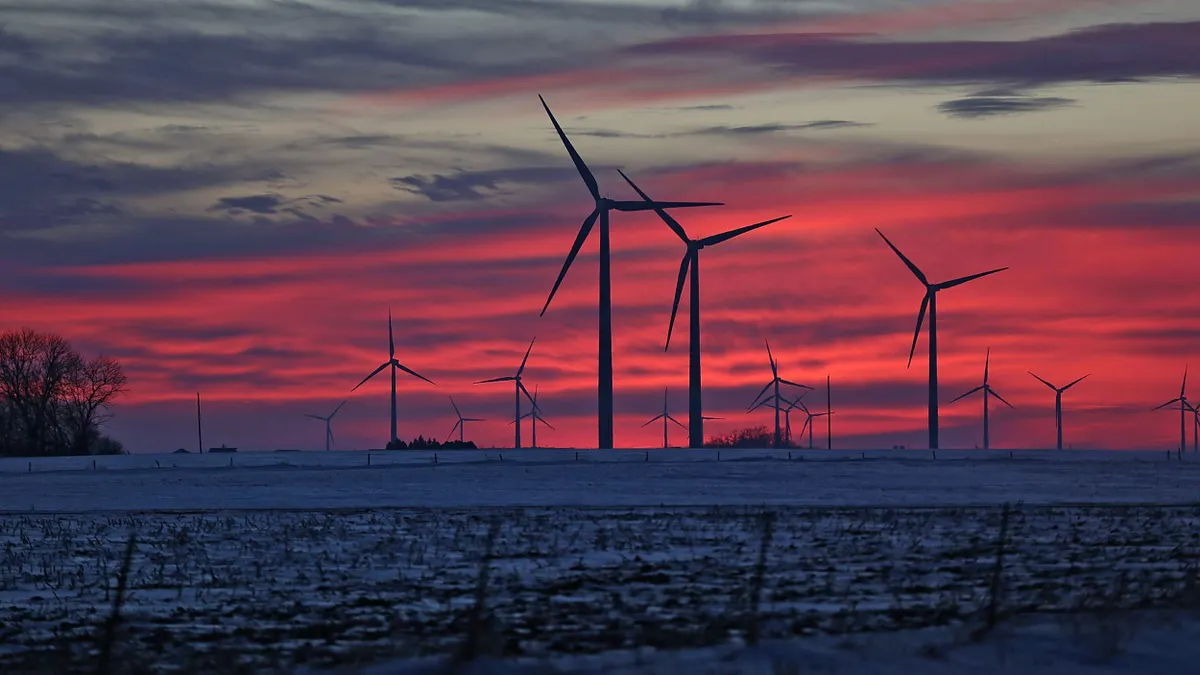
- Political Fragmentation: The rise of populist movements, which have increasingly utilized local-level governance to obstruct renewable energy projects, such as wind farms and transmission lines.
- EU Policy Frameworks: The alignment of national policy with the broader EU budget, the next phase of the Emissions Trading System (ETS), and the establishment of a robust post-2030 climate framework.
Chronology: A Calendar of Critical Transitions
The timeline for 2026 is dense, characterized by both domestic regional contests and long-term European policy cycles.
Q1: The Setting of the Stage
January 2026 has already seen the solidification of major policy agendas. The focus has shifted from the initial goal-setting of the early 2020s to the granular implementation of infrastructure projects. As evidenced by recent policy discussions held on January 28, 2026, the discourse is no longer "if" we decarbonize, but "how" to do so without triggering economic deindustrialization.
Q2–Q3: The Regional Stress Test
As the year progresses, regional elections will serve as a barometer for national climate policy. Historically, climate policy has enjoyed broad public support in Germany, but the "greenlash" observed in local municipalities suggests that as the cost of the transition—such as heat pump mandates or grid expansion—touches the domestic sphere, resistance mounts. These regional contests are expected to test the resolve of the governing coalition.
Q4: The EU Policy Pivot
The latter half of the year is dominated by the European Union’s legislative agenda. With the budget negotiations for the post-2030 framework looming, 2026 will be the year where the "fit for 55" policies are either strengthened or watered down by member states facing internal populist pressure.
Supporting Data: The Economic and Structural Landscape
The transition to a climate-neutral Germany is a massive undertaking, quantified by shifting energy demand and economic data.
The Industrial Energy Gap
German industry consumes roughly 40% of the nation’s electricity. As of early 2026, the reliance on imported natural gas has decreased, but the volatility of renewable energy pricing remains a significant barrier to the international competitiveness of German firms. Data suggests that without a stable, low-cost "green" electricity price, the risk of "carbon leakage"—where industry moves production to jurisdictions with laxer regulations—remains high.
The Populist Trend
Research into local planning permissions indicates that between 2024 and 2026, the rate of approval for new renewable infrastructure projects has slowed in regions where populist parties have gained administrative control. This "siloing" of energy policy represents a significant bottleneck. While federal law often mandates renewable expansion, the administrative power at the municipal level provides a "veto point" that can stall critical infrastructure for years.
Official Responses and Political Maneuvering
The reaction from policymakers has been a mix of cautious optimism and defensive maneuvering.
The Federal Government’s Stance
Berlin has maintained that the path to 2045 is non-negotiable. Government officials emphasize the importance of "technological openness"—a term often used to justify the inclusion of hydrogen, carbon capture, and storage (CCS) alongside traditional electrification. By diversifying the decarbonization toolkit, the government aims to keep the industrial sector on board.
The EU Commission’s Perspective
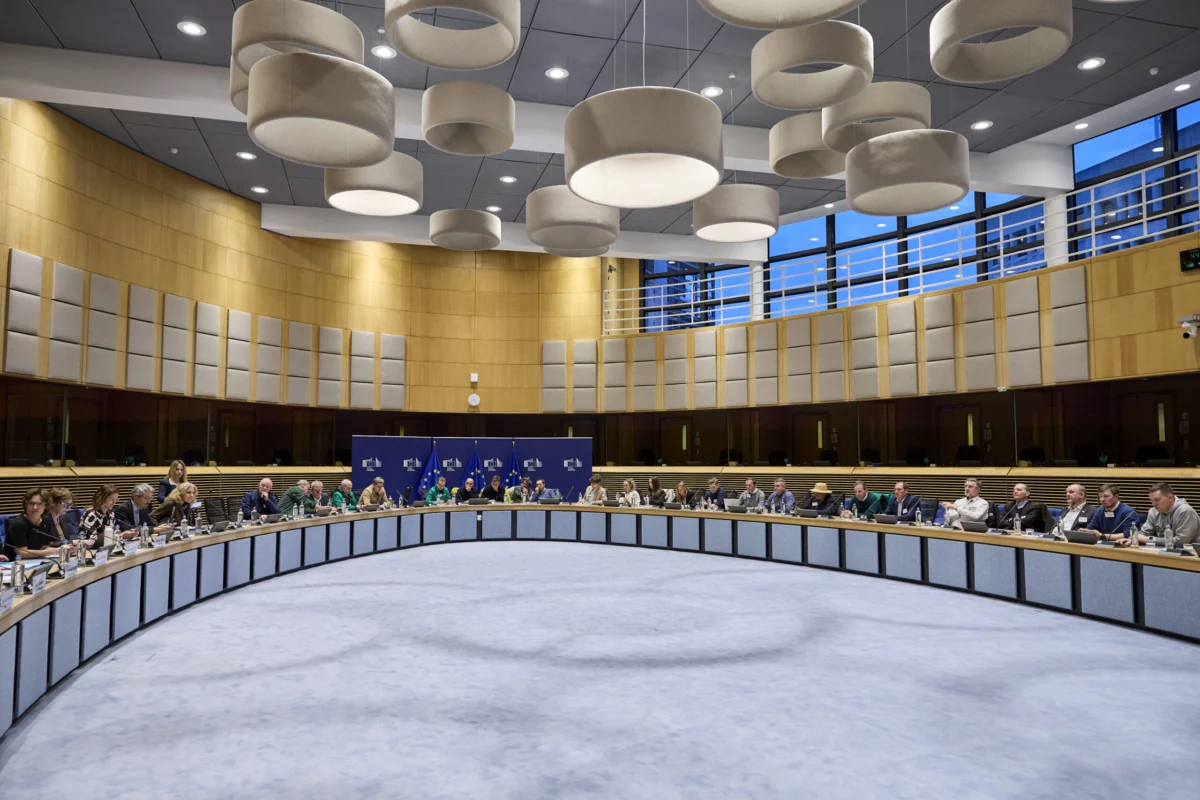
Brussels remains the primary architect of the regulatory environment. EU climate commissioners have urged member states to view the transition as an economic opportunity rather than a cost burden. The argument is that by leading in "green" technologies, Europe will insulate itself from the volatility of global fossil fuel markets. However, the Commission acknowledges that the upcoming budget negotiations will be the most difficult since the inception of the European Green Deal.
Opposition and Civil Society
Opposition parties and industry lobbyists are increasingly vocal about the "social cost" of the transition. They argue that the speed of the current policy roadmap is failing to account for the inflationary pressures on low-income households and small-to-medium enterprises (the Mittelstand). These groups are pushing for a "pause" or a "re-evaluation" of the 2030 milestones, fearing that current policies are prioritizing climate targets over economic stability.
Implications: A Continent at the Crossroads
The implications of Germany’s performance in 2026 will ripple across the European Union. Because Germany is the primary engine of the European economy, its success or failure in the energy transition acts as a proxy for the viability of the EU’s overall climate strategy.
1. The Geopolitical Dimension
Energy security is now inextricably linked to national security. A failure to decarbonize effectively leaves Germany vulnerable to external energy suppliers. Success in 2026, therefore, is not just an environmental triumph but a strategic necessity to reclaim autonomy from volatile international energy markets.
2. The Social Contract
Perhaps the most significant implication is the status of the social contract. Climate policy has historically been seen as an elite-driven project. In 2026, the movement of this debate from abstract targets to tangible, daily impacts—such as the price of heating, the cost of transport, and the stability of the power grid—will determine whether the political center can hold. If the transition is perceived as unfair, it will provide fertile ground for further populist entrenchment, potentially fracturing the consensus required to reach 2045.
3. Economic Innovation vs. Stagnation
The industrial choices made this year will determine the composition of the German economy for the next three decades. By betting on green hydrogen, circular economies, and digital energy management, Germany is attempting to export a model of "climate-neutral industrialization." If this model succeeds, it will cement Germany’s position as a global leader in clean technology. If it fails, the nation risks a long-term decline in manufacturing, leading to a structural loss of wealth and influence.
Conclusion
The year 2026 serves as a stress test for the European project. Germany finds itself in a precarious balancing act: trying to satisfy the stringent demands of its climate commitments while navigating the rough seas of internal political dissent and external economic pressures.
The decisions taken in the halls of Berlin and Brussels throughout this year will be analyzed by future historians as the moment the transition either accelerated into a new industrial revolution or slowed under the weight of political friction. As the nation moves forward, the primary lesson of 2026 is clear: technical solutions for climate change exist, but their implementation is, and will remain, an intensely human, political, and economic struggle. Whether Germany succeeds will depend on its ability to forge a new consensus that balances the necessity of a green future with the imperative of current prosperity.
