




By Max Garland
Published September 25, 2026
The United States Postal Service (USPS) is currently executing a sweeping modernization initiative, a critical component of Postmaster General and CEO David Steiner’s long-term strategy to transform the agency into a competitive player in the heavy-package and e-commerce delivery landscape. However, as the agency races to overhaul its infrastructure ahead of the high-stakes holiday peak season, customers in specific regional hubs—most notably Indianapolis and Louisville—are bracing for potential shipping delays.
The agency has confirmed that the installation of advanced sorting equipment, while vital for long-term throughput and accuracy, is causing temporary friction in package flows. This transition highlights the complex balancing act the Postal Service must perform: modernizing an aging network without paralyzing the essential service upon which millions of Americans and small businesses depend.
Main Facts: The Scope of the Infrastructure Pivot
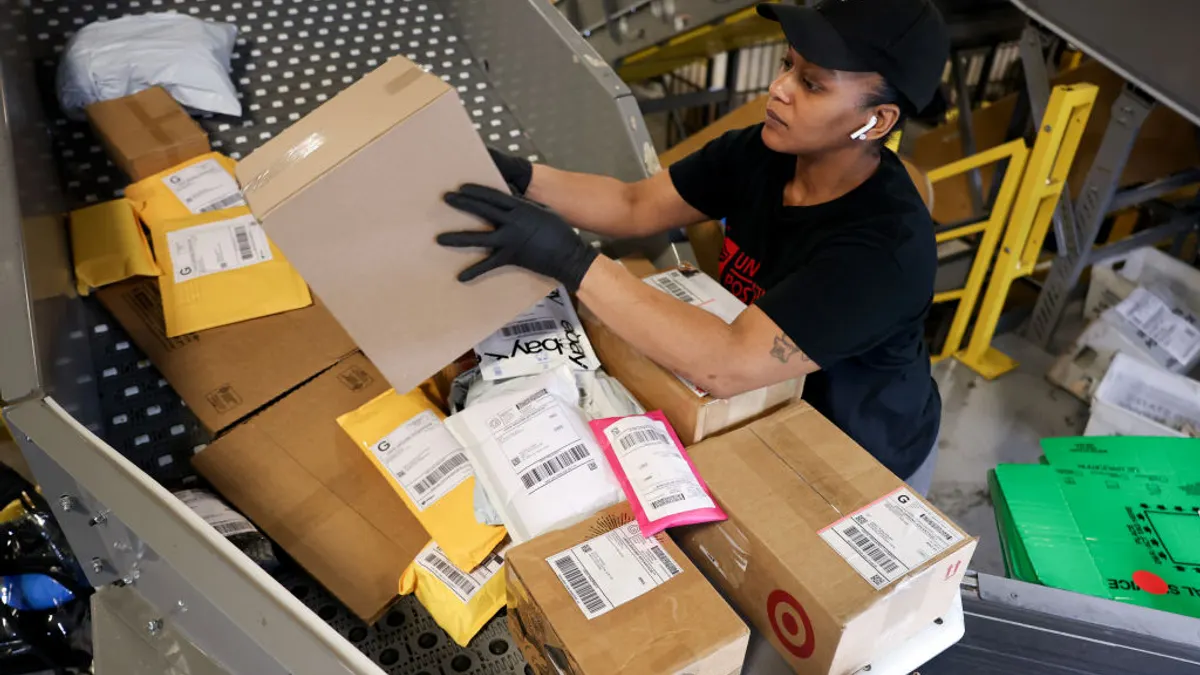
The current operational adjustments are centered on the integration of next-generation sorting machinery designed to automate tasks that have, until now, been manual. In Indianapolis, the regional processing and distribution center is undergoing a significant technological upgrade. The new machines are specifically engineered to handle large, oversized, and heavier packages—a strategic shift for the USPS as it seeks to capture a larger share of the market traditionally dominated by private carriers like UPS and FedEx.
In Louisville, Kentucky, the challenges are twofold. The facility is not only managing its own equipment upgrades but is also absorbing redirected volume from the Evansville, Indiana, processing center, which is simultaneously undergoing its own technological retrofit. To mitigate the backlog, the USPS has implemented a strategic diversion plan, rerouting excess volume to facilities in Nashville, Tennessee, and an annex site in Springdale, Ohio.
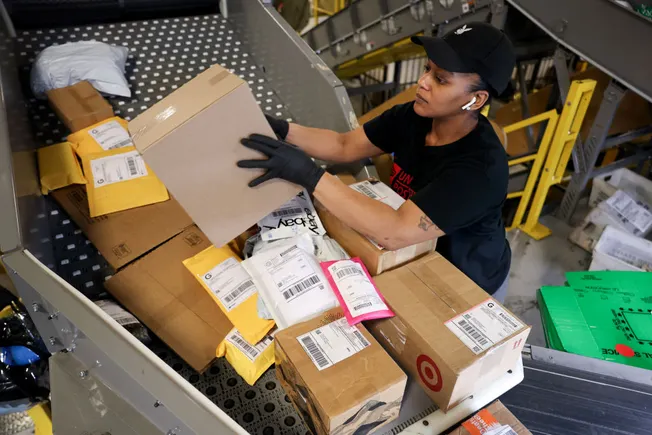
These disruptions are not isolated incidents but part of a broader, nationwide campaign. Throughout 2026, the Postal Service has been systematically upgrading its facilities to improve reliability, increase sortation speed, and enhance the tracking accuracy of the packages moving through its network.
Chronology: A Timeline of Strategic Upgrades
The current wave of installations follows a meticulously planned, albeit disruptive, schedule aimed at ensuring the network is "holiday-ready."
- July 2025: The Postal Service officially established its new central processing region, an ambitious organizational change designed to consolidate oversight of 100 facilities and manage a daily volume of approximately 177 million mailpieces.
- September 3, 2026: The USPS issued a formal notice outlining the technological benefits of its current capital expenditure program, citing increased throughput, superior automation for oversized goods, and enhanced machine reliability.
- Early September 2026: Processing centers in Los Angeles, New Orleans, and Tampa began shifting package flows to neighboring sites to accommodate equipment installations, signaling the start of a nationwide ripple effect.
- September 21, 2026: The USPS announced that the final phase of the Indianapolis infrastructure upgrade would conclude within two to three weeks. The agency noted that routing changes are being coupled with aggressive hiring initiatives to support the transition.
- September 22, 2026: The agency acknowledged mounting delays in the Louisville region, formalizing the rerouting of mail to Tennessee and Ohio to stabilize transit times.
Supporting Data: Why the Upgrades Matter
The urgency behind these installations is rooted in shifting consumer behavior. Over the past decade, the average parcel weight and size handled by the Postal Service have increased dramatically. Historically, the USPS network was optimized for small, lightweight letters and flat mail. Today, however, the rise of e-commerce has forced the agency to pivot toward heavy, bulky, and high-value parcels.
The "manual" processing of these larger items has long been a bottleneck, leading to increased labor costs and a higher risk of damage. By introducing automated sorters capable of handling diverse package dimensions, the USPS aims to:
- Reduce Human Intervention: Automation minimizes the need for manual handling, which is the primary driver of sorting errors and workplace injury.
- Increase Throughput: New machines can process thousands more packages per hour than legacy systems, providing the "buffer" necessary to handle the massive surge in volume expected between Thanksgiving and New Year’s.
- Improve Reliability: By modernizing mechanical components, the agency expects to see a significant drop in "machine downtime," which has been a recurring issue in its older, aging facilities.
The logistical complexity of these changes cannot be overstated. Managing 100+ facilities within the central region alone requires a level of coordination that necessitates temporary disruptions. The "diversion" of mail is a calculated risk: by sacrificing some speed in the short term, the agency aims to achieve a more resilient, high-capacity network that can prevent the catastrophic delays seen in previous holiday seasons.

Official Responses and Operational Outlook
In official communications, the Postal Service has maintained a tone of cautious optimism. The agency’s leadership recognizes that the current state of flux is difficult for end-users, but they emphasize that the "short-term pain" is a prerequisite for "long-term stability."
"As these installations are completed and operations stabilize, processing flows and transit times in and out of the region will improve," the agency stated in its September 22 notice regarding the Louisville facility.
The USPS has also been transparent about the human element of this transformation. In Indianapolis, for example, the agency explicitly linked its infrastructure improvements to a ramp-up in personnel. By combining better technology with increased headcount, the agency hopes to eliminate the "cycle time" delays that currently plague its regional processing flows.
Industry analysts suggest that this strategy is the only viable path forward for the USPS. With private competitors investing billions into their own automated hubs, the Postal Service has little choice but to modernize or risk becoming obsolete in the parcel delivery sector. The transition, however, requires a delicate touch; if the upgrades take longer than expected, the agency risks alienating the very customers it hopes to retain during the critical Q4 shipping window.
Implications: The Road Ahead for E-Commerce and Logistics
The broader implications of these upgrades extend well beyond the residents of Indiana and Kentucky. The USPS acts as the backbone of last-mile delivery for many e-commerce retailers, particularly those operating in rural areas where private couriers often lack the infrastructure to be cost-effective.

The Peak Season Test
The 2026 holiday season will serve as the ultimate stress test for the Postal Service’s modernized network. If the current installations prove successful, the agency will likely see a record-breaking performance in terms of on-time delivery percentages for oversized packages. Conversely, if the disruptions continue into November, the agency may face intense scrutiny from lawmakers and shipping partners who rely on the USPS as a reliable, year-round service provider.
The Strategic Shift
Postmaster General Steiner’s focus on heavier, higher-value packages is a fundamental departure from the agency’s historical mandate. It is a transition from a "mail-first" to a "parcel-first" organization. While this shift is essential for financial sustainability, it requires the agency to compete directly with global logistics giants. The current equipment installations are the literal hardware backing that strategic vision.
Customer Expectations
For the consumer, the next few weeks remain a period of uncertainty. While the USPS is working to minimize delays, the reality of "routing changes" means that tracking updates may fluctuate or appear stalled. Business owners using the USPS for shipping are advised to plan for longer lead times and, where possible, communicate transparently with their own customers about potential transit delays.
As the dust settles on these facility upgrades, the USPS hopes to emerge as a more streamlined, technologically advanced entity. The modernization project is a testament to the agency’s resilience, but it is also a reminder that in the world of global logistics, even the most necessary progress comes with a price—and for now, that price is being paid by the communities currently navigating the front lines of the agency’s technological revolution.
