



By Kelly Stroh | Supply Chain Dive | Published September 29, 2026
In a significant move to fortify its supply chain infrastructure and support a robust brick-and-mortar expansion strategy, Ross Stores has announced plans to construct a massive 1.75 million-square-foot processing and distribution center in Bakersfield, California. This $500 million capital investment represents a pivotal milestone for the off-price retail giant, marking the establishment of its 10th distribution facility nationwide.
The project, which has been formally confirmed by the City of Bakersfield, underscores the retailer’s commitment to optimizing its logistics footprint to keep pace with soaring consumer demand. As the retail landscape continues to shift toward a mix of high-frequency in-store shopping and streamlined inventory management, Ross is positioning its supply chain to ensure that its "treasure hunt" shopping experience remains well-stocked and operationally efficient.
The Scope of the Investment: A Strategic Expansion
The Bakersfield facility is not merely an addition to Ross’s network; it is a flagship operation. Spanning 1.75 million square feet, the site will serve as a critical nexus for receiving, processing, and distributing merchandise across the retailer’s expansive Western U.S. footprint.
The $500 million price tag associated with the project covers not only the physical construction of the facility but also the integration of advanced logistics technology, automated sorting systems, and specialized infrastructure required to manage high-volume, off-price retail inventory. By centralizing operations in Bakersfield, Ross aims to reduce transit times to its retail locations in California and neighboring states, effectively mitigating the rising costs of domestic freight and last-mile delivery.
Chronology of Development
The timeline for the Bakersfield facility reflects the complex, multi-year nature of large-scale industrial real estate development.
- Early 2026 (Planning Phase): Ross Stores identifies the need for increased capacity in the Western region, citing the need to support a pipeline of 47 new store openings announced earlier this year.
- September 2026 (Announcement): Official confirmation of the project is released by the City of Bakersfield, highlighting the significant economic impact and job creation potential for the region.
- 2027 (Groundbreaking): Construction is slated to officially begin, signaling the start of a multi-year build-out period.
- 2028-2029 (Operational Rollout): Based on standard timelines for facilities of this magnitude, the site is expected to transition into its phased operational stage, integrating with the existing network of three other California distribution centers.
Supporting Data: Why Now?
The decision to invest heavily in supply chain infrastructure follows a period of exceptional financial performance for Ross Stores. In August 2026, the company reported a stellar second quarter, characterized by a 10% year-over-year increase in comparable sales. Total sales for the quarter rose by 13%, a trend largely attributed to heightened consumer traffic and a strategic pivot toward value-based shopping in an uncertain economic environment.
Network Capacity Analysis
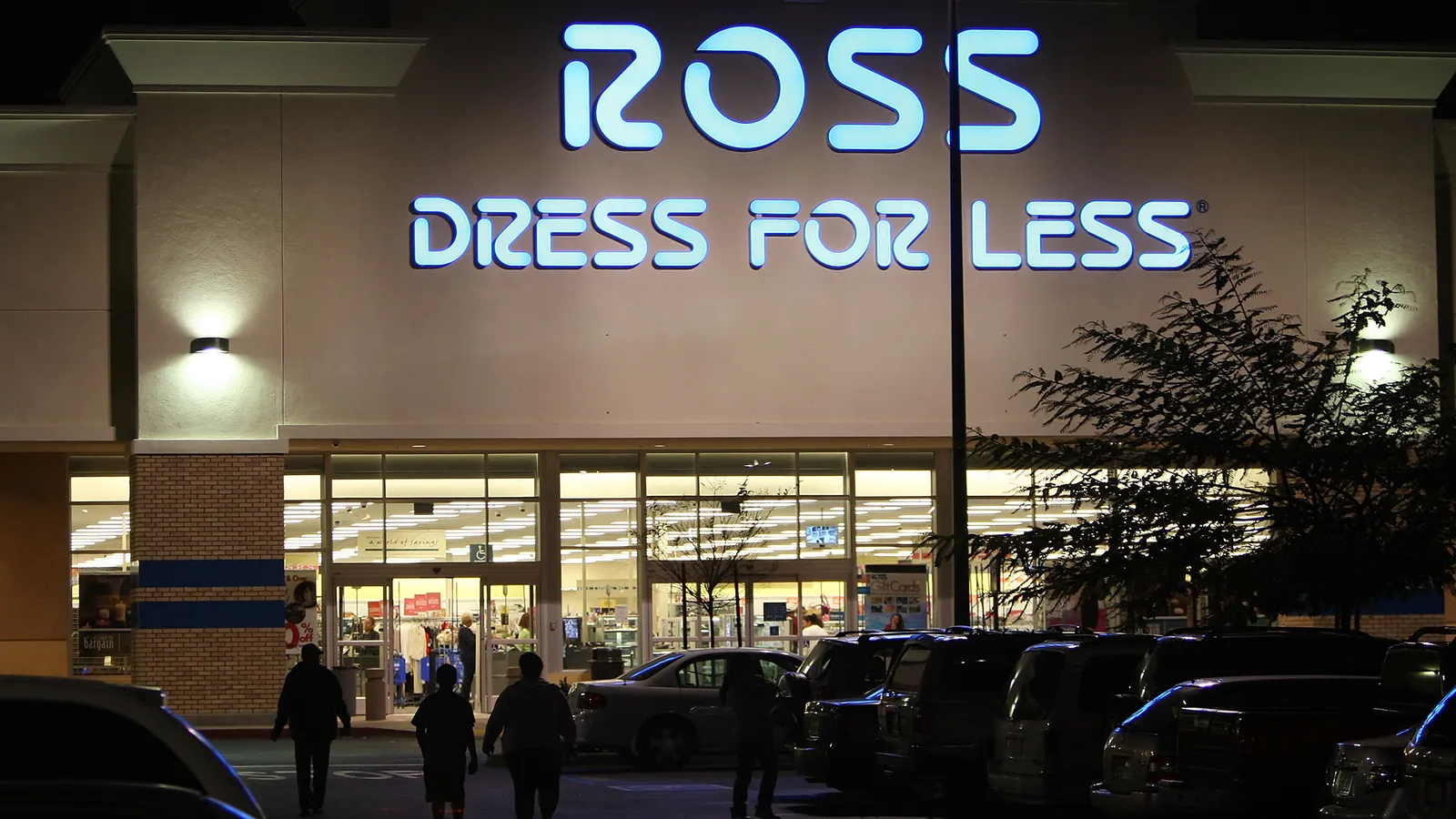
Ross’s current distribution network is geographically diverse, designed to minimize lead times for its Ross Dress for Less and DD’s Discounts brands. The company’s existing assets include:
- California: Three existing facilities (now to be bolstered by the Bakersfield site).
- Southwest: A strategic hub in Buckeye, Arizona.
- Texas: A major processing center in Brookshire.
- East Coast: One facility in Pennsylvania and two in South Carolina.
The addition of a 10th facility provides the redundancy necessary to ensure that if one node in the network faces disruptions—such as port delays or regional labor shortages—the remainder of the supply chain remains resilient.
The Competitive Landscape: An Industry-Wide Logistics Arms Race
Ross is not acting in a vacuum. The retail sector is currently experiencing a "logistics arms race," where success is increasingly defined by the efficiency of one’s supply chain rather than just the breadth of the retail offering.

Fellow off-price retailers are mirroring this strategy:
- Burlington: The company has been aggressively expanding its logistics footprint, recently announcing a high-tech distribution center in Georgia and a new facility in Arizona, aimed at streamlining inventory flow for its growing fleet.
- Dollar Tree: In May 2026, the discount retailer opened a 1-million-square-foot facility in Arizona, focusing on logistics resiliency and proximity to high-growth population centers.
These investments demonstrate a clear industry consensus: to compete in the current environment, retailers must be able to move goods from the port to the shelf with unprecedented speed.
Economic Implications and Job Creation
The project is poised to serve as a major economic engine for the city of Bakersfield. The creation of nearly 1,000 new jobs is a significant boon for the local labor market, spanning roles in warehouse management, logistics coordination, mechanical maintenance, and facility administration.
Beyond the immediate employment numbers, the tax revenue and ancillary spending generated by a project of this scale are expected to have a long-term positive ripple effect on the local economy. The facility aligns with California’s broader industrial growth initiatives, cementing the region’s status as a critical logistics corridor for the entire Western United States.
Official Responses and Corporate Strategy
While Ross Stores declined to provide further granular details at the time of publication, the company’s broader strategy remains clear. By increasing its physical store presence—opening 35 Ross Dress for Less and 12 DD’s Discounts locations this year alone—the retailer is betting on the enduring appeal of the physical shopping experience.

However, as any retail executive knows, a store is only as good as its inventory. By scaling its distribution network, Ross is ensuring that the "treasure hunt" remains fresh. Customers shopping at a Ross in Compton or anywhere else in California will see a more consistent rotation of goods, a direct result of the increased processing throughput the Bakersfield site will facilitate.
Conclusion: The Road Ahead
The Bakersfield distribution center is a testament to the fact that, even in an era of digital dominance, the physical supply chain remains the backbone of retail success. For Ross, the $500 million investment is a calculated risk—a bet that by owning the logistics process, they can control their margins, satisfy their customers, and maintain their competitive edge in a crowded marketplace.
As construction prepares to break ground in 2027, the industry will be watching closely. If successful, the Bakersfield hub will serve as the blueprint for how mid-to-large-scale retailers should structure their logistics networks for the next decade of retail growth.
This story was originally featured in the Operations Weekly newsletter. For more updates on supply chain strategy and retail logistics, subscribe to our newsletter and stay informed on the movements that matter.
