



By Editorial Staff
August 28, 2026
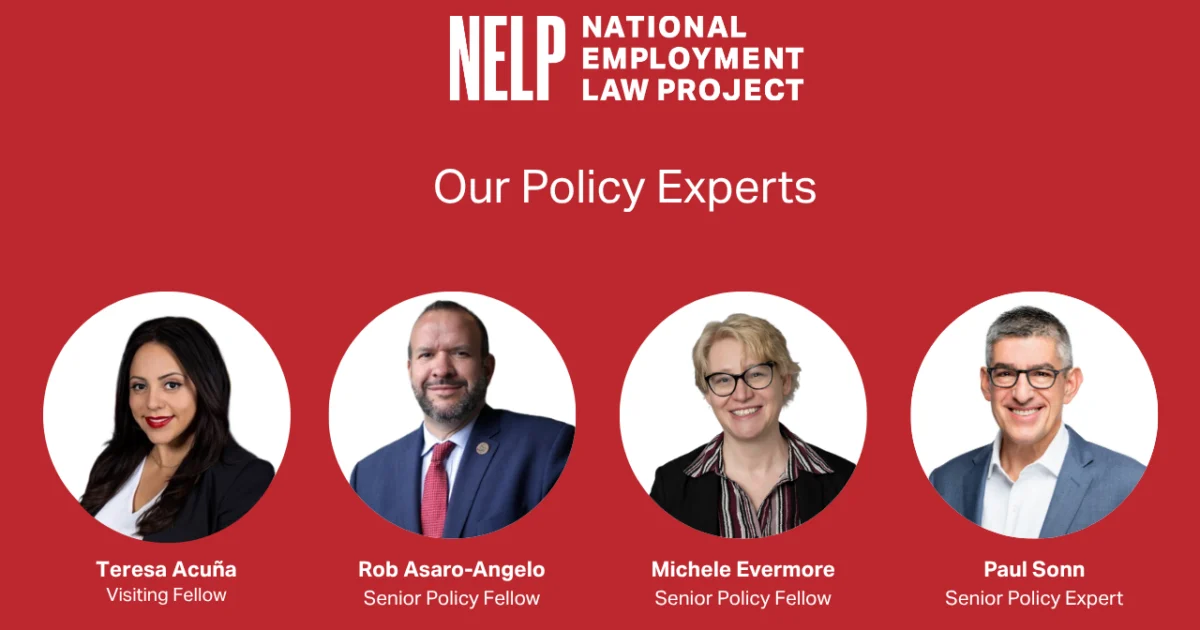
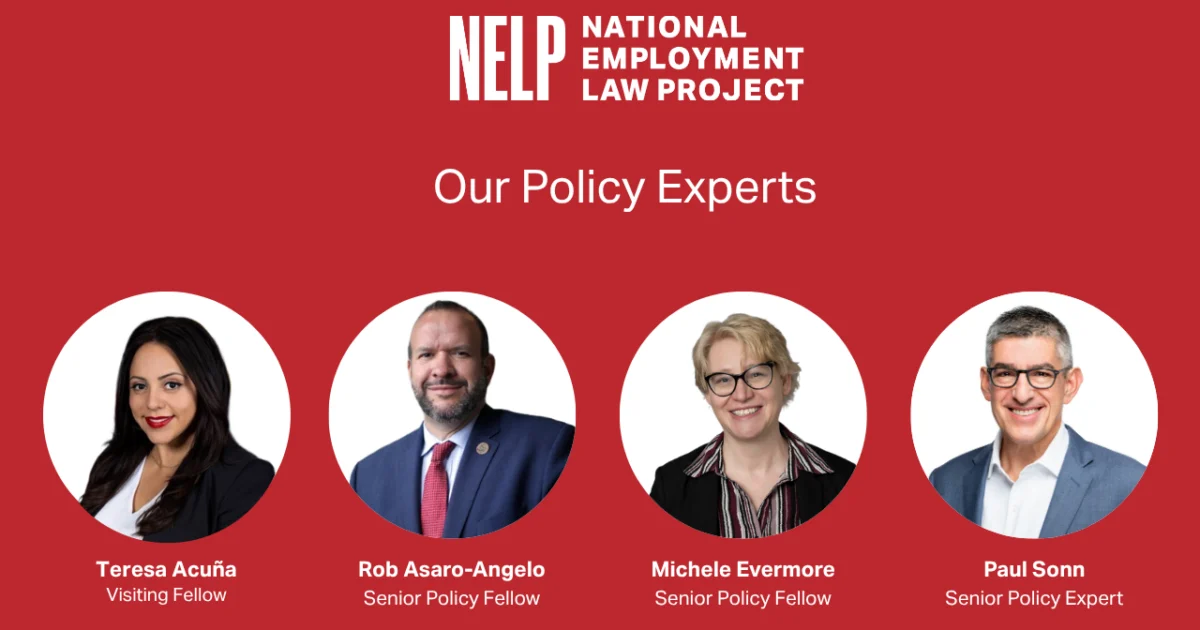
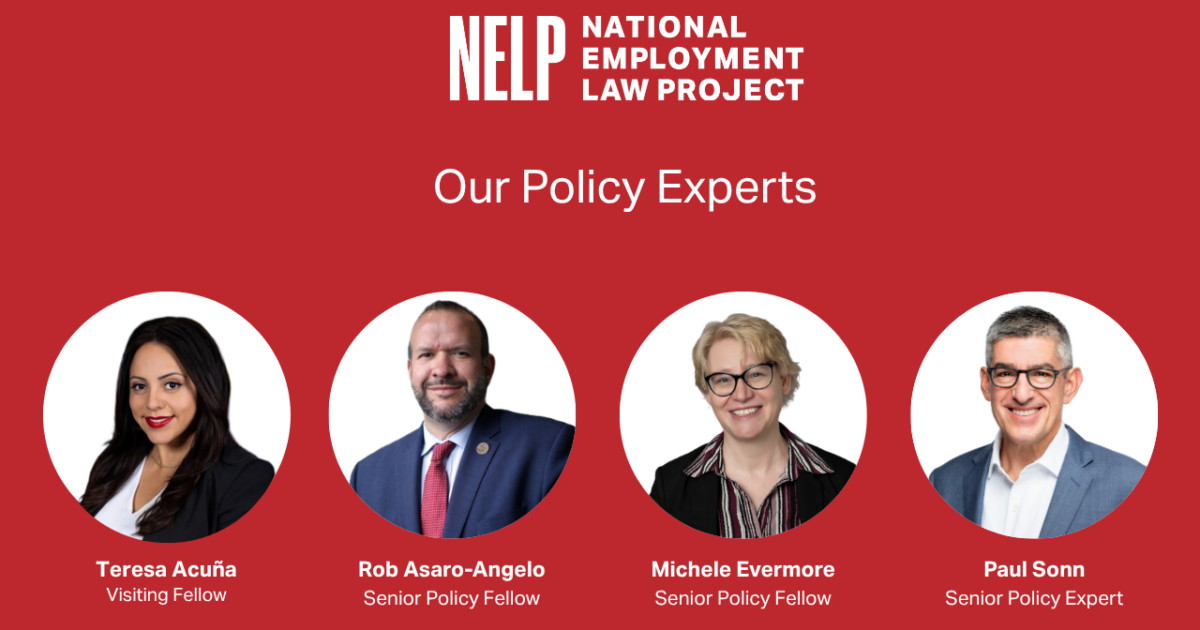
In a strategic move to solidify its influence in the national labor movement, the National Employment Law Project (NELP) announced today the appointment of four premier policy experts to its senior leadership team. As the organization enters its seventh decade of advocacy, this infusion of high-level expertise signals a pivot toward a more aggressive, multi-faceted strategy aimed at redefining the American workplace.
The appointments come at a critical juncture for the U.S. labor market, as policymakers grapple with the long-term impacts of rapid technological shifts, the green energy transition, and the persistent challenge of wage stagnation in an inflationary environment. By consolidating these veteran architects of labor policy, NELP is positioning itself as the primary intellectual engine behind the "Good Jobs Economy"—a vision where every employment opportunity is characterized by fair wages, stability, and robust worker protections.
The New Nucleus: Meet the Policy Architects
The new cohort of leadership brings together a blend of federal administrative experience, state-level policy innovation, and grassroots campaign strategy.
Teresa Acuña: Visiting Fellow for Good Jobs Democracy
Acuña joins NELP following a pivotal tenure as the Director of the Good Jobs Initiative at the U.S. Department of Labor. During her time in the Biden-Harris administration, she was the primary strategist for ensuring that historic federal investments in infrastructure, manufacturing, and clean energy were tethered to high-quality labor standards. Her work bridges the gap between massive industrial policy and the lived reality of workers in both urban centers and rural communities.
Rob Asaro-Angelo: Senior Policy Fellow for Worker-First Protections
Bringing a wealth of public sector executive experience, Asaro-Angelo served as the Commissioner of the New Jersey Department of Labor and Workforce Development from 2018 to 2026. Under Governor Phil Murphy, he oversaw one of the nation’s most complex labor landscapes, navigating the state through workforce disruptions and pioneering new protections for gig and precarious workers. His focus at NELP will be on operationalizing "worker-first" protections at the intersection of state and federal law.
Michele Evermore: Senior Policy Fellow for Economic Security and Worker Transitions
Returning to NELP, Evermore is widely credited with shaping the federal government’s response to the COVID-19 pandemic’s unemployment crisis. Her previous tenure at the organization laid the groundwork for the unprecedented expansion of the Unemployment Insurance (UI) system. Following a stint as Deputy Director for Policy in the Office of Unemployment Insurance Modernization, she brings deep institutional knowledge of how to reform the social safety net to accommodate modern workforce transitions.
Paul Sonn: Senior Policy Expert for Wages and Affordability
A stalwart of the labor movement, Sonn is transitioning into a focused role dedicated to the next generation of wage and affordability policy. As the architect of numerous state and local minimum wage campaigns, including the seminal "Fight for $15," Sonn has spent decades refining the mechanisms that allow workers to keep pace with the cost of living. His expertise remains the gold standard for state-level advocacy across the country.
Chronology of Influence: Seven Decades of Labor Advocacy
NELP’s history is inextricably linked to the evolution of American labor rights. Since its inception, the organization has functioned as both a legal watchdog and a policy laboratory.
- 1960s–1980s: Established as a fundamental legal resource for workers, NELP focused on defending the rights of the marginalized, providing the legal infrastructure for many of the earliest collective bargaining wins in the private sector.
- 1990s–2010s: The organization shifted toward proactive policy design. This era saw the development of "living wage" ordinances in cities across the U.S., a movement spearheaded by NELP researchers and legal advisors.
- 2020–2025: The COVID-19 pandemic served as a catalyst for NELP’s most significant policy interventions. Under the leadership of President and CEO Rebecca Dixon, the organization became a lead voice in the national conversation surrounding UI modernization and the structural necessity of "Good Jobs" as an economic stimulus.
- 2026 and Beyond: The current expansion of the leadership team represents the organization’s transition into a phase of "transformative policy." By embedding former federal officials alongside veteran advocates, NELP is preparing for a new era of proactive legislative drafting and advocacy aimed at structural, rather than incremental, change.
Supporting Data: The Landscape of Wage Stagnation and Inequality
The necessity for this new leadership team is underscored by the current economic environment. Despite low unemployment rates, the quality of work remains a volatile metric.
According to data compiled by labor economists and reflected in NELP’s recent briefings, the following indicators highlight the urgency of the current mandate:
- Real Wage Divergence: While nominal wages have increased in certain sectors, real wages for low-to-middle-income workers have been consistently eroded by the cost-of-living index, particularly in housing and energy.
- Safety Net Gaps: The UI system remains fragmented. Despite the successes of the 2020 expansion, modernizing state systems to prevent administrative failure during economic shocks remains a primary policy challenge.
- The "Good Job" Deficit: As the U.S. shifts toward a green economy, the transition risks creating a bifurcated workforce. The work of leaders like Teresa Acuña is critical in ensuring that new manufacturing jobs do not become "dead-end" positions, but rather pathways to the middle class.
Official Perspectives: A Strategic Pivot
In a statement regarding the new appointments, NELP President and CEO Rebecca Dixon emphasized that this is not merely a staffing expansion but a strategic realignment.
"Creating a ‘Good Jobs Economy’ for all workers—where every job is a good job—requires leaders with deep policy expertise and a clear vision to achieve bold, lasting change," Dixon said. "I am exceedingly proud to acknowledge this extraordinary group of policy experts and labor movement leaders. They are the nucleus of a team that will advance transformative policies for workers across the country. We are sharpening our strategic focus to ensure that we are not just reacting to policy, but architecting it."
The sentiment within the organization is one of momentum. By bringing in individuals who have served at the highest levels of the U.S. Department of Labor and state cabinets, NELP is ensuring that its proposals are not only visionary but also implementable and legally resilient.
Implications for the Future of Work
The implications of this leadership expansion are significant for both policymakers and private sector stakeholders.
1. Shaping Federal Industrial Policy
With Acuña and Evermore’s background, NELP is positioned to provide the Biden-Harris administration (and future administrations) with technical guidance on how to bake labor standards directly into federal grant-making. This "carrots and sticks" approach to corporate subsidies is expected to become the new standard for government-industry partnerships.
2. State-Level Laboratory of Democracy
With Asaro-Angelo and Sonn leading efforts, NELP will likely ramp up its support for state-level initiatives that bypass federal gridlock. By leveraging the successes in states like New Jersey, NELP aims to create a "contagion effect," where successful state labor laws become the model for national standards.
3. Redefining the Safety Net
The integration of UI modernization into the broader "economic security" conversation suggests that NELP will focus on the "worker transition" model. This approach acknowledges that in a dynamic economy, workers will move between jobs frequently. Therefore, the safety net must be portable and decoupled from traditional long-term employment, protecting the worker rather than just the job.
4. Wage Floors and Living Standards
Paul Sonn’s continued leadership ensures that the organization will not lose its roots in the "living wage" movement. However, the next phase will likely focus on "affordability" as much as "wages," exploring how policy can curb the cost of essential services like childcare, healthcare, and transportation, thereby increasing the effective disposable income of the American worker.
Conclusion
As NELP enters this new decade, the message is clear: the organization is no longer content to serve as a mere watchdog for labor rights. Through the recruitment of Teresa Acuña, Rob Asaro-Angelo, Michele Evermore, and the continued strategic guidance of Paul Sonn, the organization is positioning itself as the primary architect of the next generation of American economic policy.
For workers, the impact of these changes may not be immediate, but the structural foundations being laid today—focused on high-quality employment, robust safety nets, and adaptive wage policies—represent the most significant attempt in recent history to permanently tilt the balance of the economy in favor of the workforce. Under the leadership of Rebecca Dixon, NELP is signaling that the era of "good jobs" is not an aspiration, but a policy goal that is well within reach.
